Baby Gear Essentials: What Every Parent Should Know
Getting the right gear for a newborn can feel like a maze. You want safety, comfort, and something that fits your lifestyle. Below you’ll find straight‑to‑the‑point advice on the most common items – monitors, car seats, carriers, strollers, and a few travel tricks.
Safe Monitoring & Sleep Solutions
First up, the baby monitor. Many parents jump on Wi‑Fi models because they seem high‑tech, but a non‑WiFi monitor avoids hidden radio signals and reduces hacking worries. Look for a monitor with clear audio, a decent range (around 300 ft), and a reliable battery life. You’ll still get crisp sound and video without the internet‑connected risks.
When it comes to sleep, ditch traditional blankets for wearable sleep sacks or swaddles. They keep the baby warm without the danger of loose bedding. A breathable sack also lets the baby move a bit, which helps with natural reflexes and reduces the risk of overheating.
Travel‑Ready Car Seats & Carriers
Car seats are non‑negotiable for safety, but not all seats fit every vehicle. Before you buy, check the seat’s dimension chart against your car’s back‑seat width and latch locations. If you travel often, consider a seat that’s approved for airline use – most major brands are, but you’ll need a separate bag or strap for easy handling.
Carriers follow a similar rule‑of‑thumb: use them until your child can sit unassisted, usually around 12‑18 months, but many parents keep a carrier for a year‑old’s nap‑on‑the‑go moments. Choose an ergonomic design that supports the hips and spine, and make sure the straps stay snug as the baby grows.
Strollers often spark the “Is my toddler too old?” question. Three‑year‑olds can still benefit from a stroller for long trips, especially if they get tired quickly. Look for a model with a deep seat, a sturdy frame, and a five‑point harness to keep the child secure.
Planning a flight? A car seat on the plane adds a layer of safety and comfort. Some airlines charge a fee, but many let you bring it free if you book a seat for your child. Pack a lightweight travel bag, and remember to check the seat’s dimensions against airline seat width.
Finally, a quick tip on baby bottles: you don’t need to sterilize forever. Once your baby is about six months old, regular hot‑water cleaning is enough unless they’re premature or have a weakened immune system. Keep the bottles clean, and you’ll save time without sacrificing safety.
Putting all these pieces together makes the baby‑gear puzzle less intimidating. Pick a reliable non‑WiFi monitor, use a safe sleep sack, match your car seat to your car, choose an ergonomic carrier, and grab a stroller that grows with your child. With these basics covered, you’ll have more time to enjoy those precious moments rather than worrying about the equipment.
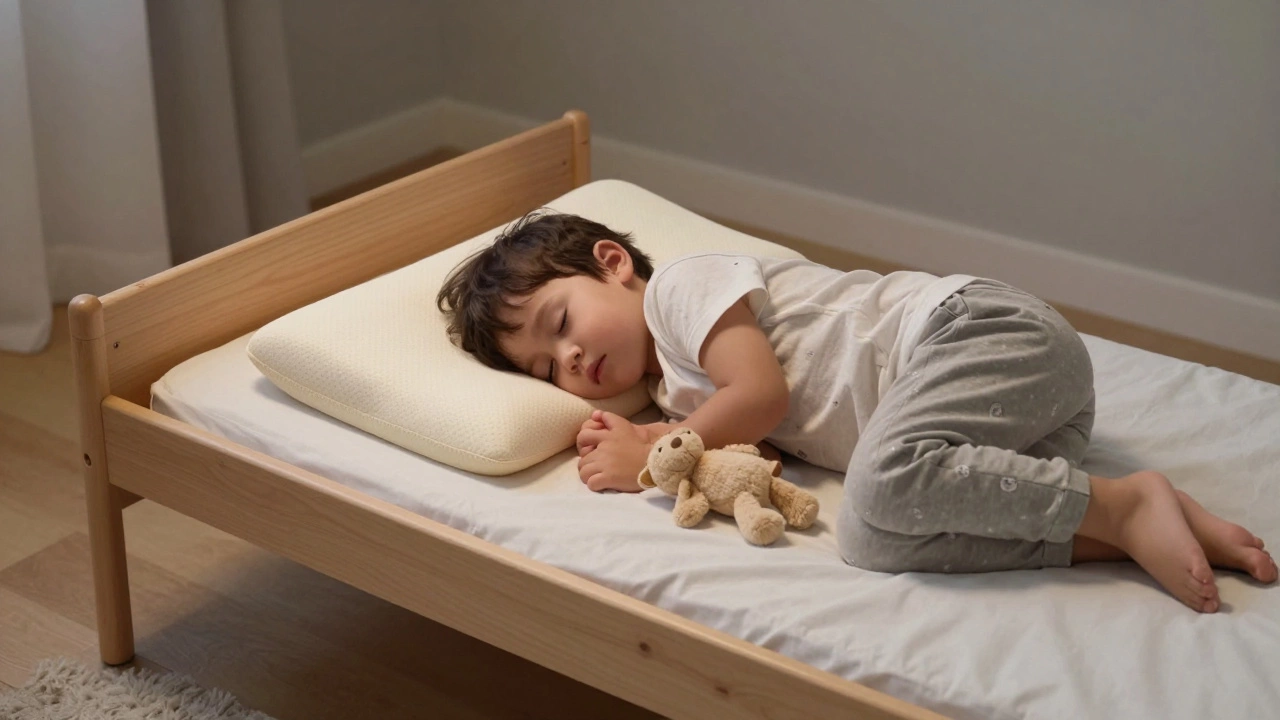
Is It Safe for a 2.5-Year-Old to Use a Pillow?
Is it safe for a 2.5-year-old to use a pillow? Experts say yes-but only if the child is developmentally ready and using a properly sized, firm toddler pillow. Learn the signs, risks, and how to introduce it safely.
Read more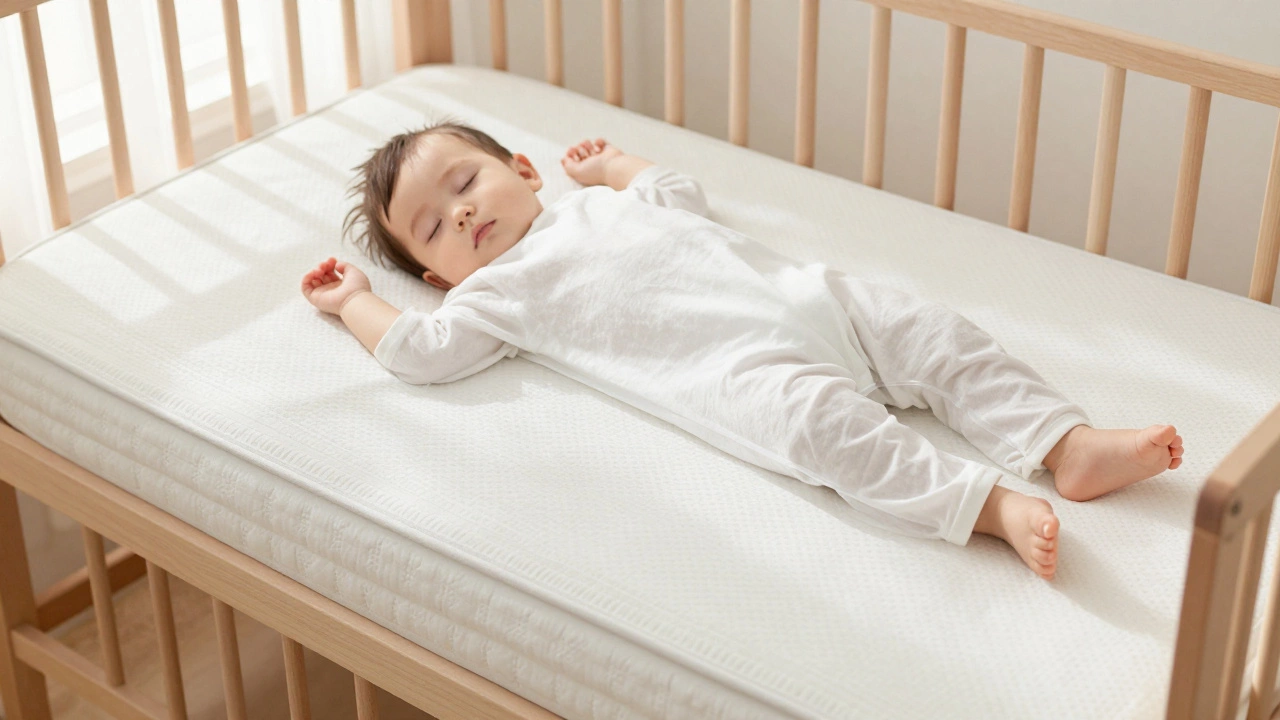
Are Mattress Toppers Safe for Toddlers? What Pediatric Experts Say
Mattress toppers are not safe for toddlers under 3. Pediatric experts recommend firm, flat surfaces without added padding to prevent suffocation risks. Learn what’s truly safe for your toddler’s sleep.
Read more
When Can a Child Stop Using a Booster Seat? Age, Height, and Safety Rules
Find out exactly when a child can safely stop using a booster seat based on height, fit, and Australian safety laws. Learn the five-step test and avoid common mistakes parents make.
Read more
What Month Do You Use a Baby Carrier? A Practical Guide for New Parents
You can start using a baby carrier from day one if your baby meets weight and positioning guidelines. Learn when it's safe, which carriers work best for newborns, and how to avoid common mistakes.
Read more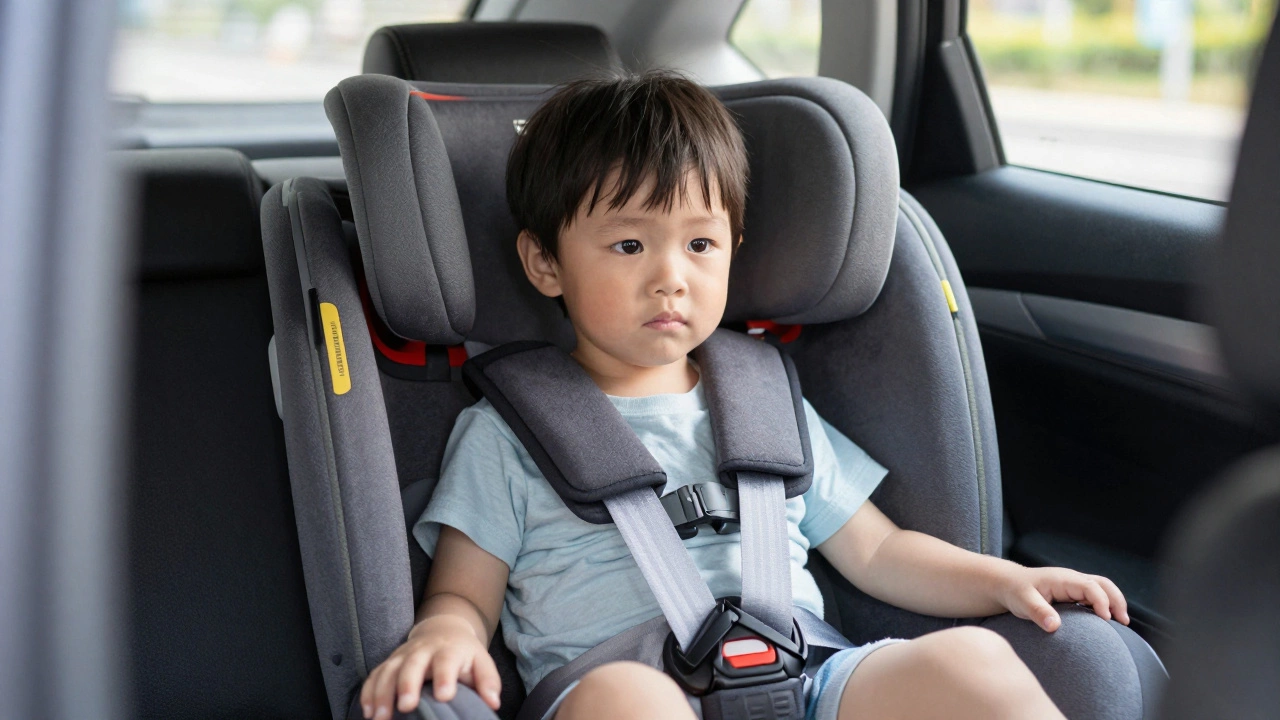
What Kind of Car Seat Should a 4-Year-Old Be In?
A 4-year-old should typically be in a forward-facing car seat with a five-point harness, not a booster. Keep them secured in the harness until they outgrow height or weight limits for maximum safety.
Read more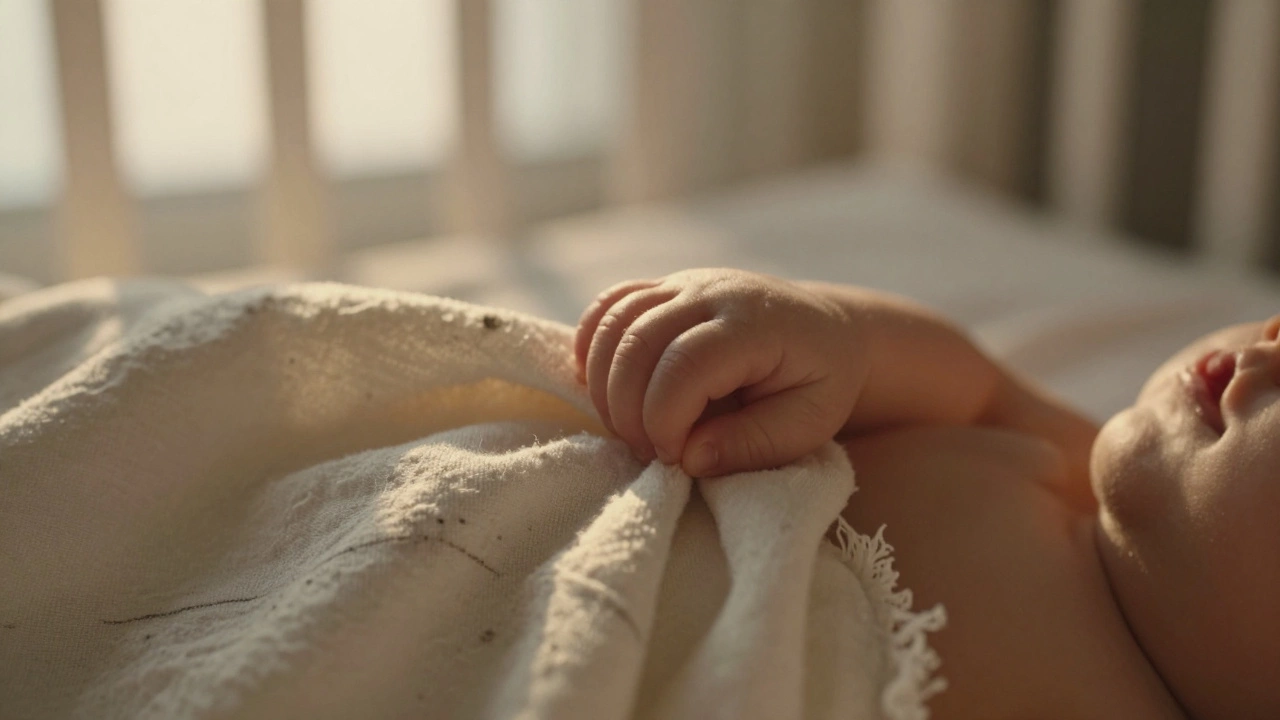
What Is the Psychology Behind Baby Blankets?
Baby blankets aren't just for warmth-they're powerful emotional tools rooted in attachment theory, sensory development, and neuroscience. Discover why infants form deep bonds with these simple objects and how they support healthy emotional growth.
Read more
Do Hospitals Provide Car Seats If You Don't Have One?
Hospitals in Australia won't give you a car seat if you don't have one. Learn what you need to take your newborn home safely, legal requirements, and where to get help if you can't afford one.
Read more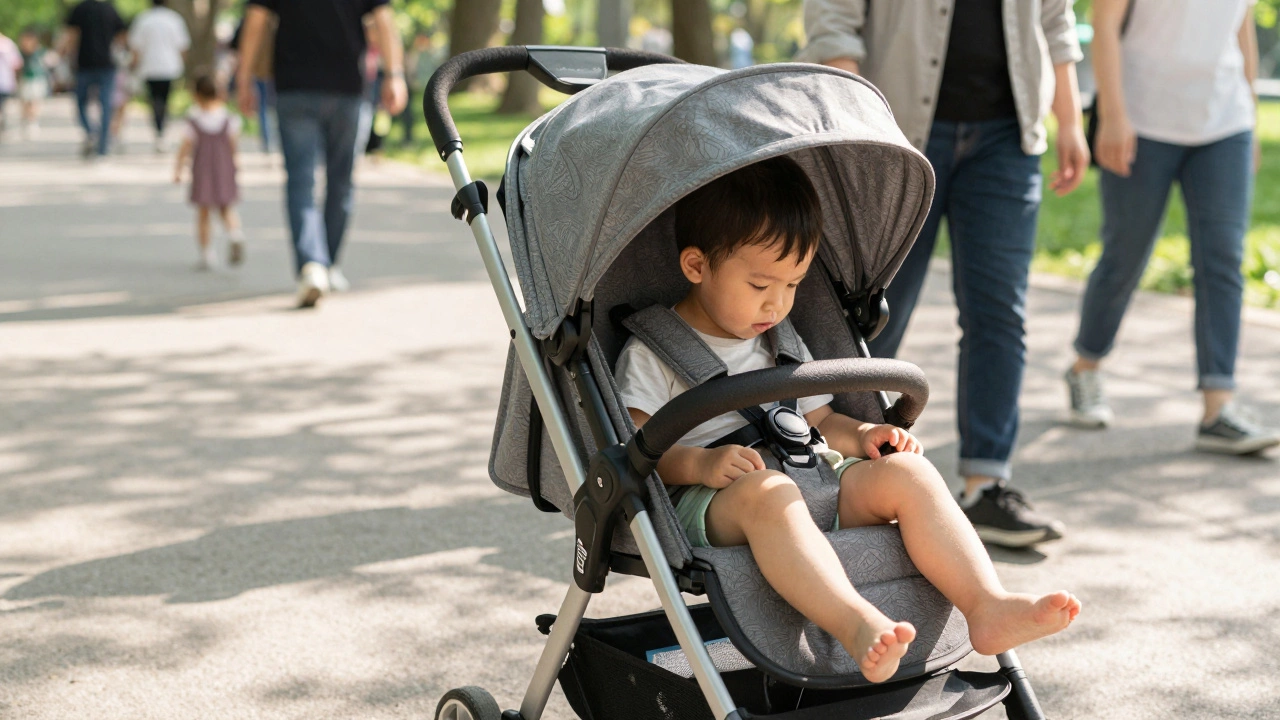
What Is the Age Limit for Baby Strollers? Weight, Height, and Safety Guidelines
There's no fixed age to stop using a baby stroller - weight and height limits matter more. Most kids outgrow strollers between 3 and 4 years old. Learn the safety guidelines and alternatives.
Read more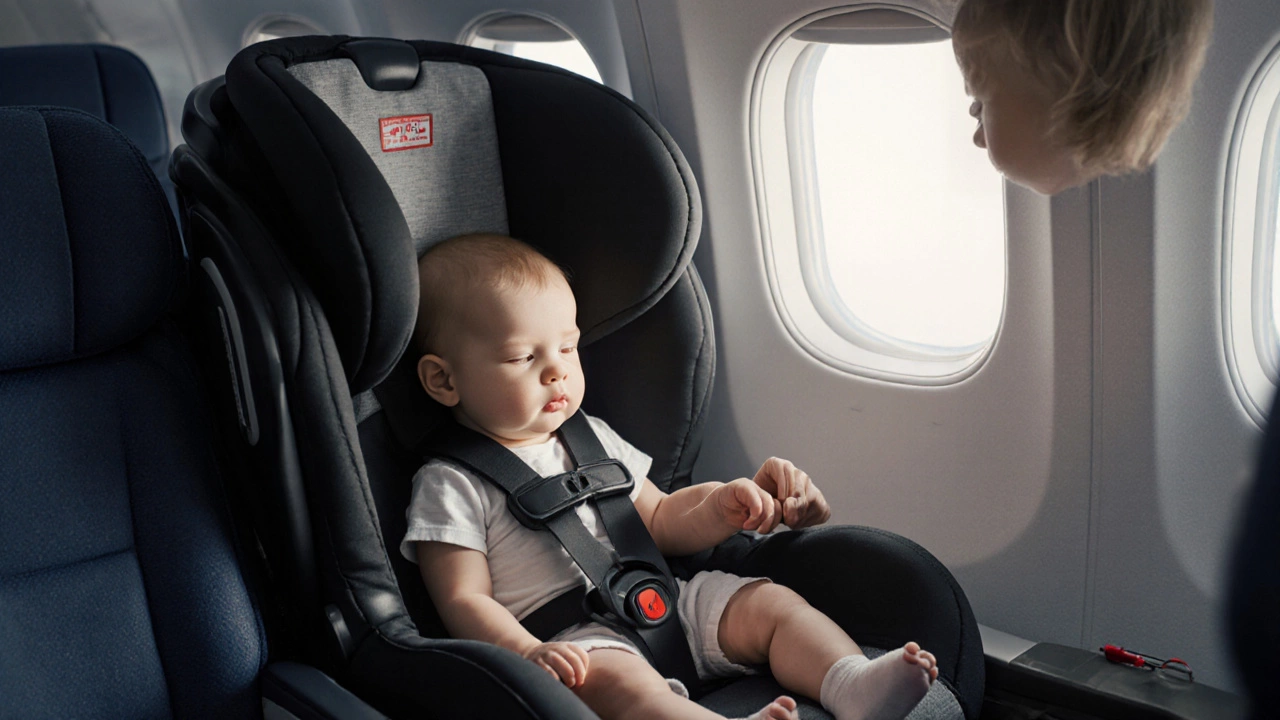
Can You Baby Wear a Baby on a Plane? The Real Rules About Car Seats and Flying
Learn the real rules about flying with a baby: when you can use a car seat on a plane, why carriers aren't safe during takeoff, and how to avoid common mistakes that put your child at risk.
Read more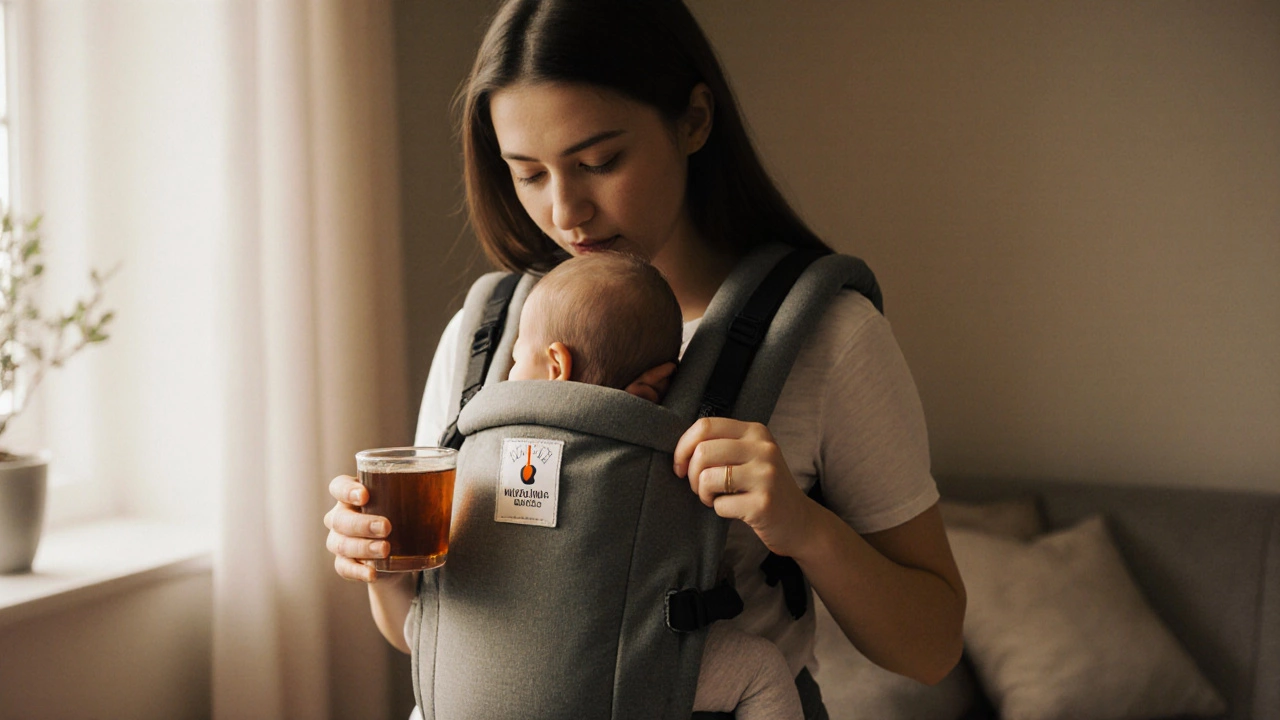
How Much Can a Baby Carrier Hold? Weight Limits Explained
Learn how to determine the safe weight limit for baby carriers, understand different carrier types, spot overload signs, and choose the right carrier for your infant.
Read more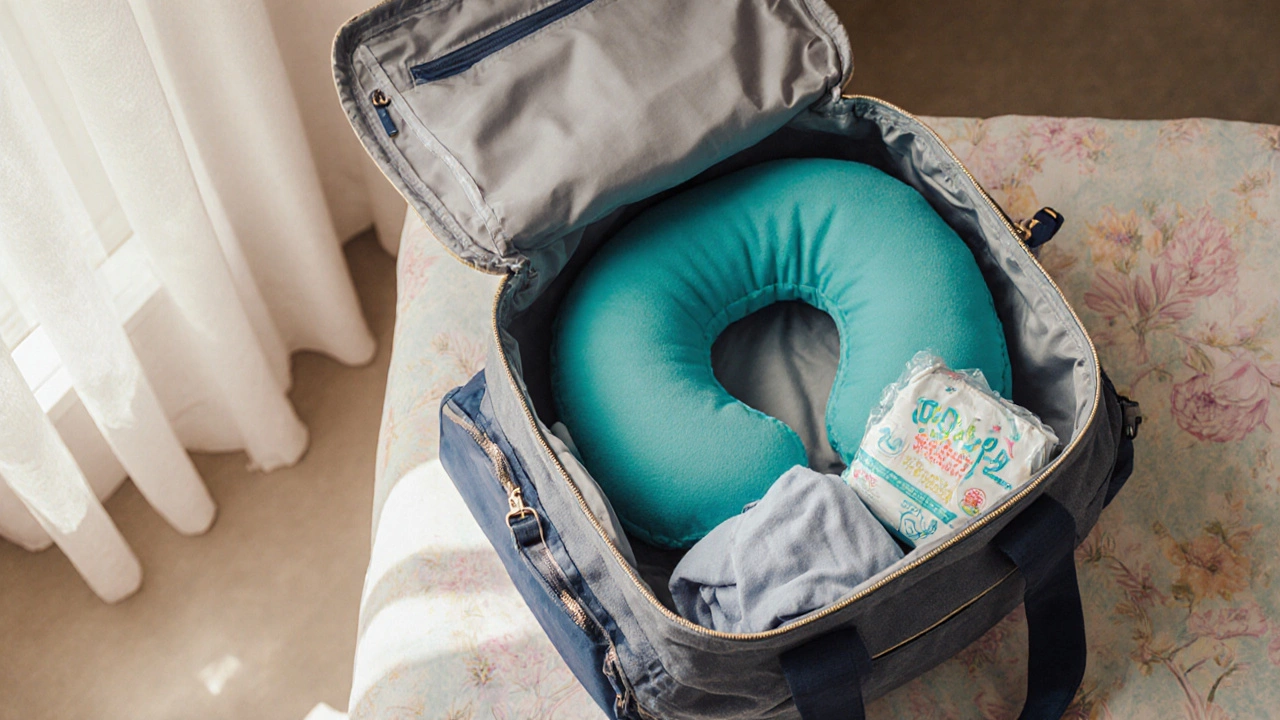
Should You Pack a Boppy Nursing Pillow for the Hospital?
Find out if a Boppy nursing pillow belongs in your hospital bag, learn hospital policies, packing tips, alternatives, and essential feeding gear for a smooth stay.
Read more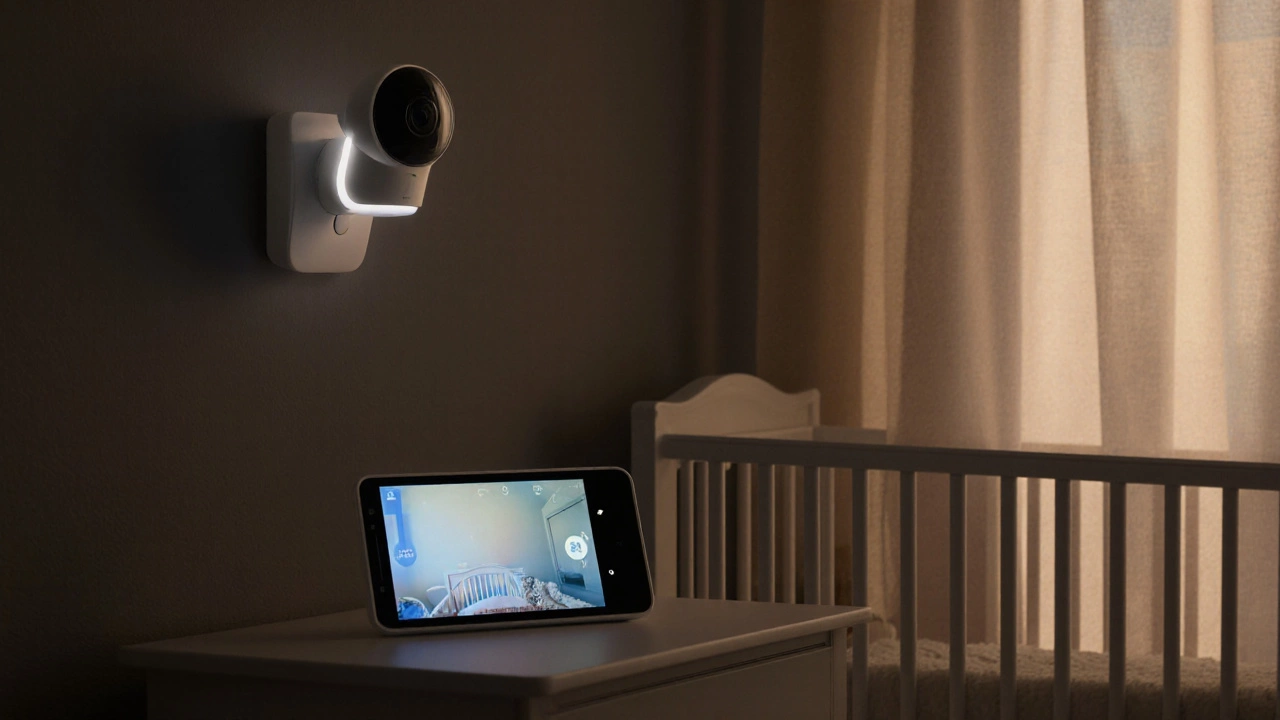
How Do Baby Monitors Connect Without WiFi? Explained
Explore how baby monitors work without Wi‑Fi, covering DECT, RF, analog, infrared, and BLE technologies, plus setup tips, pros and cons, and FAQs for parents.
Read more