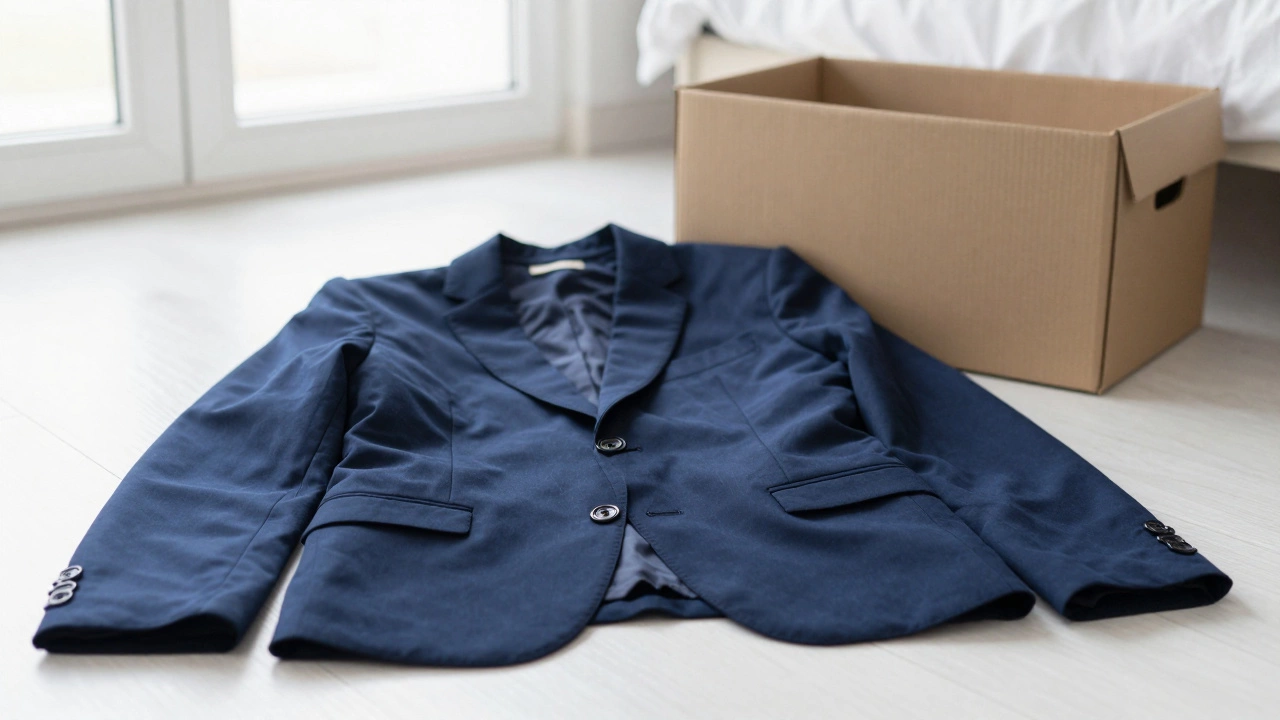
Online Suit Purchase Risk Evaluator
Risk Assessment Tool
Determine if your online suit choice is a "Safe Bet" or a "Gamble"
Key Takeaways for Online Suit Shopping
- The biggest risk isn't the price or the quality; it's the fit.
- Knowing your exact measurements is more important than knowing your "size" (e.g., 40R).
- "Made to Measure" services bridge the gap between off-the-rack and bespoke.
- Always budget for a local tailor to handle the final tweaks.
- Check return policies specifically for "fit adjustments" before hitting buy.
The Real Risks of Going Digital
When you shop in a physical store, you have a mirror and a salesperson. Online, you have a size chart and a prayer. The primary danger is the variance in Vanity Sizing, where brands make their "Medium" larger to make customers feel thinner. This means a 40-regular from one brand might fit like a 42-regular from another.
Then there is the fabric gamble. You can't feel the weight of the wool or the breathability of the lining through a screen. You might order what looks like a lightweight summer suit, only to receive a heavy garment that makes you sweat through your shirt in fifteen minutes. There is also the risk of "color shifting"-that charcoal grey you saw on your calibrated monitor might arrive looking like a muddy purple in natural light.
Decoding the Sizing Maze
Most guys rely on the numbers they've worn for years, but those numbers are often lies. To buy a suit online without fear, you need to move past the label and look at the specific measurements. A Chest Measurement is the foundation, but it's the shoulders and the sleeve length where most online orders fail.
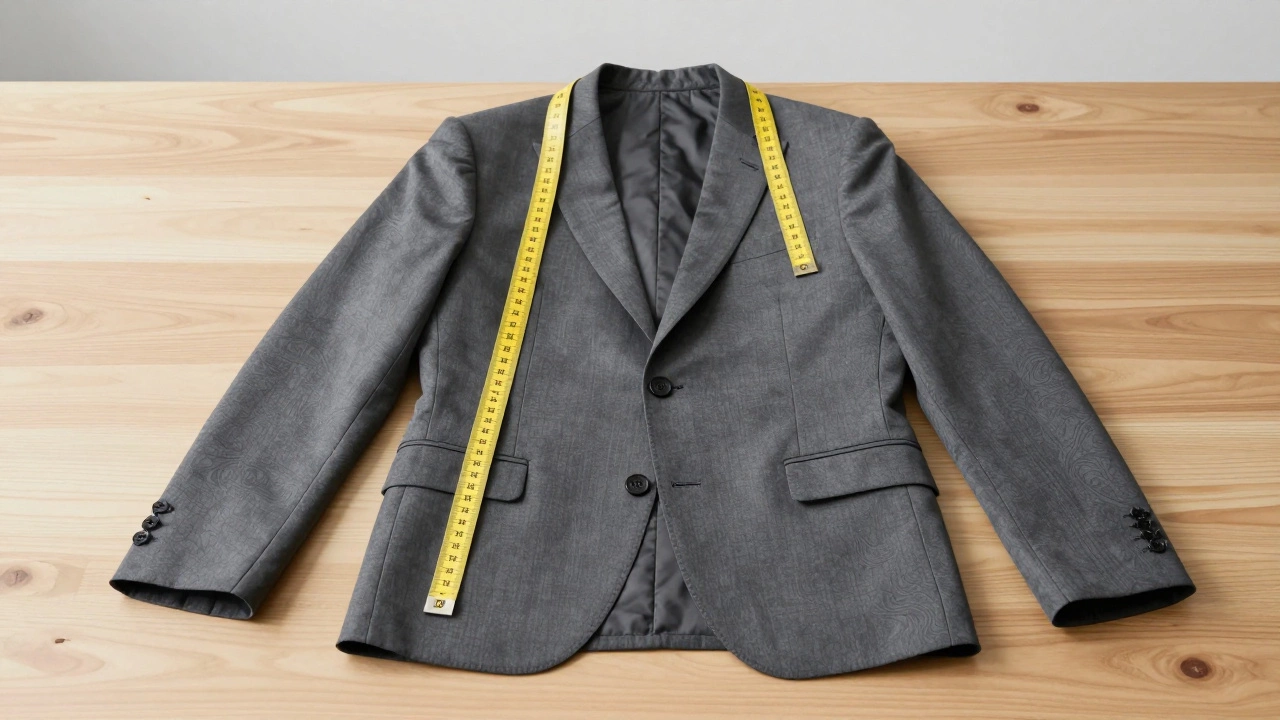
If you don't have a professional tailor's tape, find a suit you already own that fits perfectly. Lay it flat on a table and measure the distance from shoulder seam to shoulder seam. Compare this number to the brand's detailed size guide-not the general size chart, but the specific garment measurements. If the brand only provides "S, M, L," walk away. A serious suit company will give you the exact width of the chest, the length of the sleeve, and the rise of the trousers.
| Method | Risk Level | Fit Accuracy | Price Point | Wait Time |
|---|---|---|---|---|
| Off-the-Rack (Ready-to-Wear) | High | Low to Medium | $ | 1-5 Days |
| Made to Measure | Medium | High | $$ | 3-6 Weeks |
| Bespoke (Remote/Hybrid) | Low | Very High | $$$ | 2-4 Months |
The Magic of Made to Measure (MTM)
Made to Measure is a type of garment construction where a pre-existing pattern is modified to fit your specific body measurements. Unlike Bespoke Tailoring, which starts from a blank piece of cloth and a unique paper pattern, MTM uses a base template. This is the "sweet spot" for online shopping.
Many modern MTM brands use AI-driven sizing or ask you to send in a garment that fits you well. They then adjust the chest, waist, and sleeve length to match. While it's not a perfect science-since a computer can't feel if you have a slight slouch or a more athletic build-it drastically reduces the chance of a total failure. The risk here is usually a slightly off-center lapel or a trouser hem that's an inch too long, both of which are easy fixes.
The "Tailor Tax": Your Insurance Policy
Here is the secret that professional dressers know: almost no suit fits perfectly off the rack, whether you bought it in a store or online. The risk of buying online is manageable if you accept that you will need to spend an extra $50 to $100 at a local tailor. This is what I call the "Tailor Tax."
Some things a local tailor can fix easily: trouser length (hemming), waist nipping, and sleeve length. Some things they *cannot* fix: shoulders that are too wide, a jacket that is too long in the body, or a chest that is too tight. When you are reviewing your online order, focus your anxiety on the shoulders. If the shoulders fit, a local tailor can practically reshape the rest of the jacket to hug your frame perfectly.
Red Flags to Watch For
Not all online suit retailers are created equal. If you see a site offering a "luxury Italian wool suit" for $99, run. You are likely getting a polyester blend that doesn't breathe and looks shiny under office lights. Look for specific fabric mills. If a brand mentions Vitale Barberis Canonico or Loro Piana, they are usually playing with high-quality materials.
Another red flag is a restrictive return policy. A company that is confident in its sizing will offer a "first-fit guarantee" or free alterations for the first order. If the policy says "all sales final" for custom or MTM items, the risk shifts entirely to you. In a world where your body changes every few pounds, that is a dangerous bet.
How to Execute the Perfect Online Purchase
If you're ready to take the plunge, follow this specific workflow to minimize your risk:
- Get a professional measurement: Go to a local tailor just to get your measurements recorded. Pay them for 15 minutes of their time. Now you have a gold-standard data set.
- Check the fabric composition: Look for 100% wool (or a wool-silk blend). Avoid "poly-viscose" or generic "blends" unless you are on a very tight budget.
- Choose a classic cut: Avoid "Extreme Slim Fit" if you aren't 100% sure of your measurements. A "Slim" or "Modern" fit is more forgiving and easier for a tailor to adjust.
- Verify the return window: Ensure you have at least 14 days to try the suit on and decide if it's a keeper.
- The Final Touch: Take the suit to your local tailor for a "taper and hem." This turns a "good" online suit into a "perfect" garment.
Can a tailor actually fix a suit that's too big in the shoulders?
Technically yes, but it is incredibly expensive and risky. Recutting shoulders involves taking the entire sleeve off and rebuilding the shoulder structure. In most cases, the cost of this alteration will be more than the cost of the suit itself. If the shoulders don't fit, return the suit.
What is the difference between 'Slim Fit' and 'Modern Fit' online?
Slim Fit is cut closer to the body, with narrower lapels and a more tapered waist. Modern Fit (sometimes called Tailored Fit) is a middle ground; it's narrower than a traditional boxy suit but gives you more room to breathe and move than a Slim Fit. If you're unsure, Modern Fit is the safer online bet.
Is it cheaper to buy a suit online than in a store?
Often, yes. Online-only brands skip the overhead of expensive storefronts and sales staff, passing those savings to you. However, once you add the cost of shipping and the inevitable local tailoring tweaks, the price difference often disappears. You aren't necessarily saving money, but you are getting more options.
What fabric should I look for in an all-purpose suit?
Look for 100% wool in a "super 100s" to "super 120s" range. This indicates the fineness of the wool. Super 100s is durable and great for daily wear. Higher numbers (like 150s) are softer and feel more luxurious but wrinkle more easily and wear out faster.
How do I know if the trousers are too long?
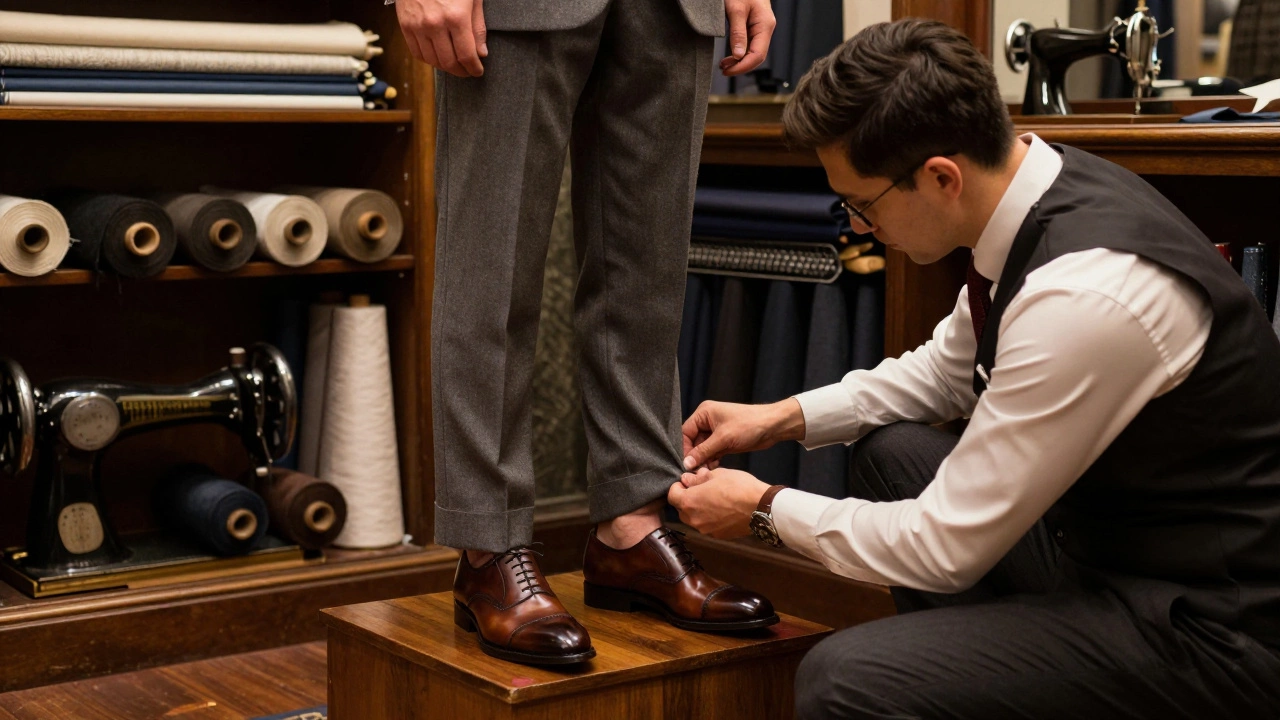
Check the "break"-the fold of fabric where the trouser hits your shoe. A "full break' is a deep fold, a 'half break' is a slight curve, and 'no break' means the fabric barely touches the shoe. Since hemming is the easiest and cheapest alteration, don't worry if they arrive too long; just ensure they aren't so short that they look like capris.
Next Steps for Your Wardrobe
If you've just bought your first suit online, don't stop there. Your next goal should be diversifying your fabrics. Once you've mastered the navy or charcoal wool suit, look into a linen blend for summer or a heavier tweed for winter. The process is the same: verify measurements, check the fabric mill, and always, always visit your local tailor.
If you find that you constantly struggle with off-the-rack sizing, it's time to move fully into the MTM world. Start with a brand that offers a "home try-on" kit. It removes the guesswork and lets you feel the quality of the fabric before you commit to a full custom order.