
Toddler Milk Nutrition Analyzer
Enter your child's information and click "Analyze Recommendations" to see personalized guidance.
✓ DHA
✓ Iron
✓ Complete Vitamins
✓ Vitamin D
✓ B12
✓ Calcium
✗ Often lacks Iron/Zinc
! Requires Fortification
It is a common question that pops up during late-night feedings or when you are scanning the grocery aisle for something new. Can babies drink almond milk? The short answer is no, not if your baby is under one year old. However, the full story involves understanding why breast milk or formula is non-negotiable for infants and how almond milk fits into a toddler’s diet later on.
If you are looking for a plant-based alternative to cow's milk for your little one, you need to know the specific nutritional gaps in nut milks. This guide breaks down the science behind infant nutrition, explains when it is safe to introduce almond milk, and helps you choose the right fortified options without falling into marketing traps.
The Critical First Year: Why Breast Milk or Formula is Essential
To understand why almond milk isn't suitable for infants, we first have to look at what human babies actually need. In the first twelve months of life, a baby’s primary source of nutrition must be either breast milk or infant formula designed to mimic breast milk composition. These sources provide a precise balance of proteins, fats, carbohydrates, vitamins, and minerals that support rapid brain development and physical growth.
Babies have tiny stomachs but massive energy requirements. Their brains are developing at an incredible rate, requiring specific types of fats like docosahexaenoic acid (DHA) and arachidonic acid (ARA). They also need high-quality protein to build muscle and tissue. Cow's milk, goat's milk, and all plant-based milks-including almond, soy, oat, and rice-lack this specific nutritional profile.
Here is why plain almond milk fails as a primary drink for infants:
- Low Protein Content: Unsweetened almond milk typically contains only 1 gram of protein per cup. An infant needs significantly more to grow properly. Even "protein-fortified" versions rarely match the bioavailability and quantity found in breast milk or formula.
- Insufficient Fat: Healthy fats are crucial for myelinization (the coating of nerve fibers) in the brain. Almond milk is naturally very low in fat unless oils are added back in, which does not replicate the beneficial fatty acids in human milk.
- Lack of Iron and Zinc: By six months, a baby’s iron stores from birth begin to deplete. Infant formulas are fortified with iron to prevent anemia. Most commercial almond milks are not fortified with iron, or if they are, the absorption rates differ compared to heme iron sources.
Feeding an infant under 12 months almond milk instead of breast milk or formula can lead to severe malnutrition, stunted growth, and even neurological damage. It is not just about calories; it is about the quality of those calories.
When Can You Introduce Almond Milk?
So, when does the clock start ticking? According to major health organizations, including the American Academy of Pediatrics (AAP), you should wait until your child turns one year old.
Once your child hits their first birthday, their dietary landscape changes. Solid foods become the primary source of nutrients, and milk becomes a secondary supplement. At this stage, you have more flexibility. If you prefer a dairy-free option due to lactose intolerance, allergies, or personal preference, almond milk can be part of a balanced diet.
However, there is a catch. Not all almond milk is created equal. When shopping for your toddler, you cannot just grab any carton off the shelf. You must look for specific attributes to ensure it supports your child's health.
| Milk Type | Protein (per cup) | Fat Content | Key Nutrients | Suitable for Under 1 Year? |
|---|---|---|---|---|
| Breast Milk / Formula | High & Bioavailable | Optimal for Brain Dev. | DHA, Iron, Vitamins | Yes (Primary Source) |
| Cow's Milk (Whole) | 8g | 3.25% (Full Fat) | Vitamin D, B12, Calcium | No (Wait until 12 months) |
| Fortified Soy Milk | 7-8g | Varies | Calcium, Vitamin D, B12 | No (Wait until 12 months) |
| Unsweetened Almond Milk | 1g | Low (unless fortified) | Often lacks Iron/Zinc | No (Wait until 12 months) |
What to Look for in Toddler-Friendly Almond Milk
If you decide to serve almond milk to your toddler after age one, you need to be a label detective. The goal is to minimize empty calories while maximizing nutrient density.
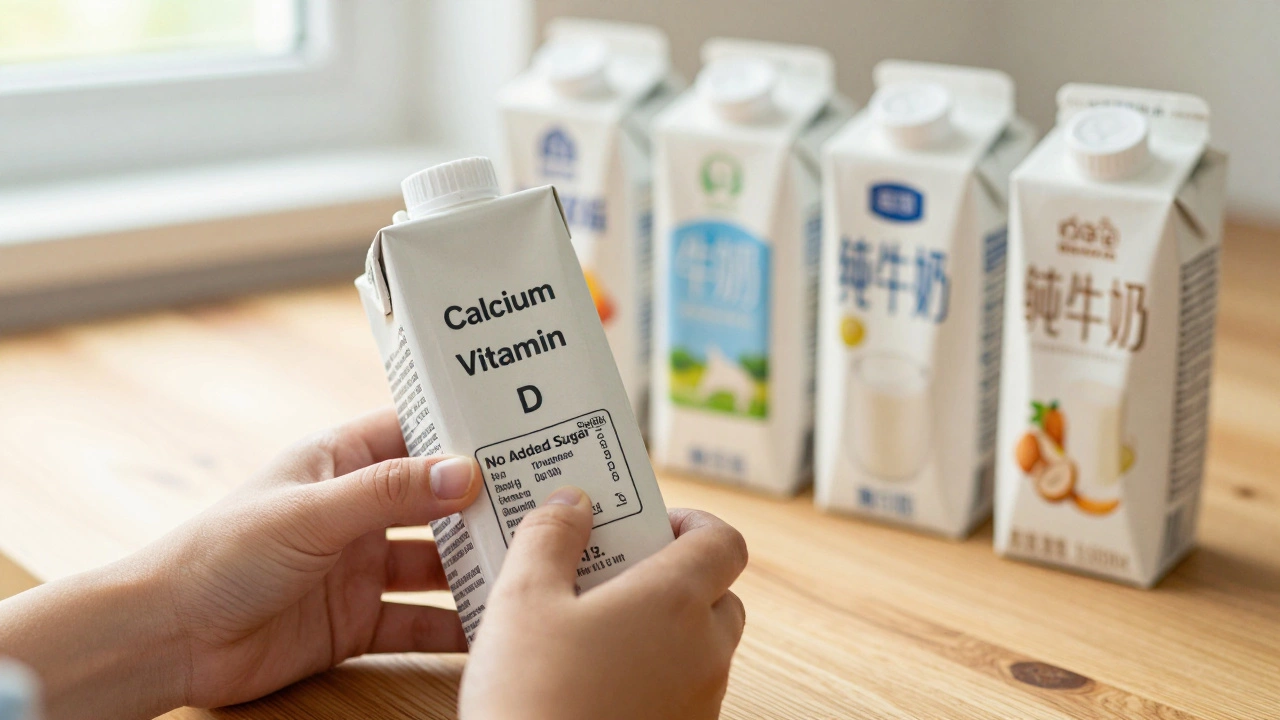
1. Fortification is Non-Negotiable Look for brands that explicitly state they are fortified with Calcium, Vitamin D, and Vitamin B12. These are the nutrients most often missing in plant-based diets. Without fortification, almond milk is essentially flavored water with minimal nutritional value for a growing child.
2. Watch the Sugar Many commercial almond milks contain added sugars or sweeteners like cane juice or vanilla extract to improve taste. For toddlers, excess sugar contributes to tooth decay and establishes a preference for sweet drinks over water. Choose unsweetened varieties. If your child refuses unsweetened milk, try adding fresh fruit to their meals instead of relying on sugary drinks.
3. Protein Considerations Since almond milk is low in protein, ensure your toddler is getting enough protein from other food sources throughout the day. Foods like eggs, beans, lentils, tofu, quinoa, and lean meats help fill this gap. Some newer brands offer "protein-fortified" almond milk, but check the ingredient list to see if the protein comes from pea or brown rice protein, which are good additions.

Allergies: A Serious Consideration
Tree nuts, including almonds, are among the top eight allergens that cause severe reactions in children. While the trend has shifted toward early introduction of allergens to prevent sensitization, you must proceed with caution.
If you plan to give your child almond milk, consult your pediatrician first, especially if there is a family history of nut allergies, eczema, or other food allergies. For many children, introducing small amounts of almond butter or cooked almond flour earlier than almond milk may be safer and recommended by allergists, as the processing differs. But again, professional medical advice is key here.
If your child has a confirmed tree nut allergy, almond milk is strictly off-limits. In this case, fortified soy milk or pea milk are often better tolerated alternatives, provided the child is not allergic to legumes.
Alternatives to Almond Milk for Toddlers
If almond milk doesn't fit your family's needs due to allergies, environmental concerns, or nutritional preferences, there are other viable options for children over one year old.
- Fortified Soy Milk: This is the closest plant-based equivalent to cow's milk in terms of protein content. It provides complete protein with all essential amino acids. Ensure it is unsweetened and fortified.
- Pea Milk: Made from yellow peas, this milk offers higher protein than almond or oat milk and is hypoallergenic. Brands like Ripple are popular choices for parents seeking dairy-free alternatives.
- Oat Milk: Creamy and mild-tasting, oat milk is a favorite among picky eaters. However, it is lower in protein and higher in carbohydrates. Choose fortified, unsweetened versions.
- Cow's Milk: If your child tolerates dairy, whole cow's milk remains the gold standard for toddlers due to its natural nutrient profile, including healthy fats and high-quality protein.
Practical Tips for Transitioning
Switching from breast milk or formula to a new type of milk can be tricky. Toddlers are creatures of habit and often reject changes in taste or texture. Here is how to make the transition smoother:
- Mix It Up: Start by mixing a small amount of almond milk with their usual milk (if transitioning from cow's milk) or offering it in a fun cup. Gradually increase the proportion of almond milk over two weeks.
- Use Food, Not Just Drinks: Incorporate almond milk into recipes. Use it in smoothies, oatmeal, or pancakes. This allows your child to get used to the flavor in a context they already enjoy.
- Offer Choices: Give your toddler a choice between two acceptable options, such as "Do you want almond milk or water?" rather than asking if they want almond milk.
- Be Patient: It can take 10-15 exposures to a new food or drink before a child accepts it. Do not force it, but keep offering it consistently.
Common Mistakes Parents Make
Avoid these pitfalls to ensure your toddler stays healthy:
- Using Almond Milk as a Primary Calorie Source: Remember, it is low in calories and protein. If your child fills up on almond milk, they may eat fewer nutrient-dense solid foods.
- Ignoring Added Sugars: Flavored almond milks can have as much sugar as soda. Stick to plain, unsweetened versions.
- Skipping Fortification: Unfortified almond milk lacks calcium and vitamin D, which are critical for bone development in toddlers.
- Introducing Too Early: Never replace breast milk or formula with almond milk before 12 months.
Can I give my 6-month-old almond milk?
No. You should not give almond milk to a baby under 12 months old. It lacks the necessary protein, fat, and iron required for infant growth and brain development. Breast milk or infant formula is the only appropriate milk source for this age group.
Is almond milk bad for toddlers?
Almond milk is not inherently bad for toddlers over one year old, provided it is fortified with calcium and vitamin D and is unsweetened. However, it is low in protein, so it should not replace cow's milk or soy milk as the primary milk source if your child is a picky eater. Ensure they get enough protein from solid foods.
What is the best milk alternative for a 1-year-old?
For most toddlers, whole cow's milk is the best option due to its natural nutrient profile. If you need a plant-based alternative, fortified soy milk is the closest nutritional match because of its high protein content. Pea milk is another strong contender. Almond and oat milks should be used sparingly or supplemented with other protein-rich foods.
How much almond milk can a toddler drink per day?
Toddlers should limit total milk intake (including almond milk) to about 16-24 ounces (2-3 cups) per day. Drinking too much milk can fill them up, reducing their appetite for iron-rich solid foods and potentially leading to iron-deficiency anemia.
Does almond milk cause constipation in babies?
Some parents report that switching to almond milk can lead to constipation in toddlers, possibly due to lower fiber content compared to whole foods or individual digestive sensitivities. Ensuring adequate water intake and fiber-rich solids in the diet can help mitigate this issue.