Evening Dress Length Finder
Recommended Length:
Select your event details to see the perfect hemline recommendation.
Key Takeaways
- White Tie/Black Tie: Stick to floor-length gowns for maximum formality.
- Black Tie Optional: Floor-length or sophisticated midi/tea length works.
- Cocktail: Knee-length or slightly above/below is the standard.
- Casual Evening: Short or midi lengths are perfectly acceptable.
The Golden Rule of Formality
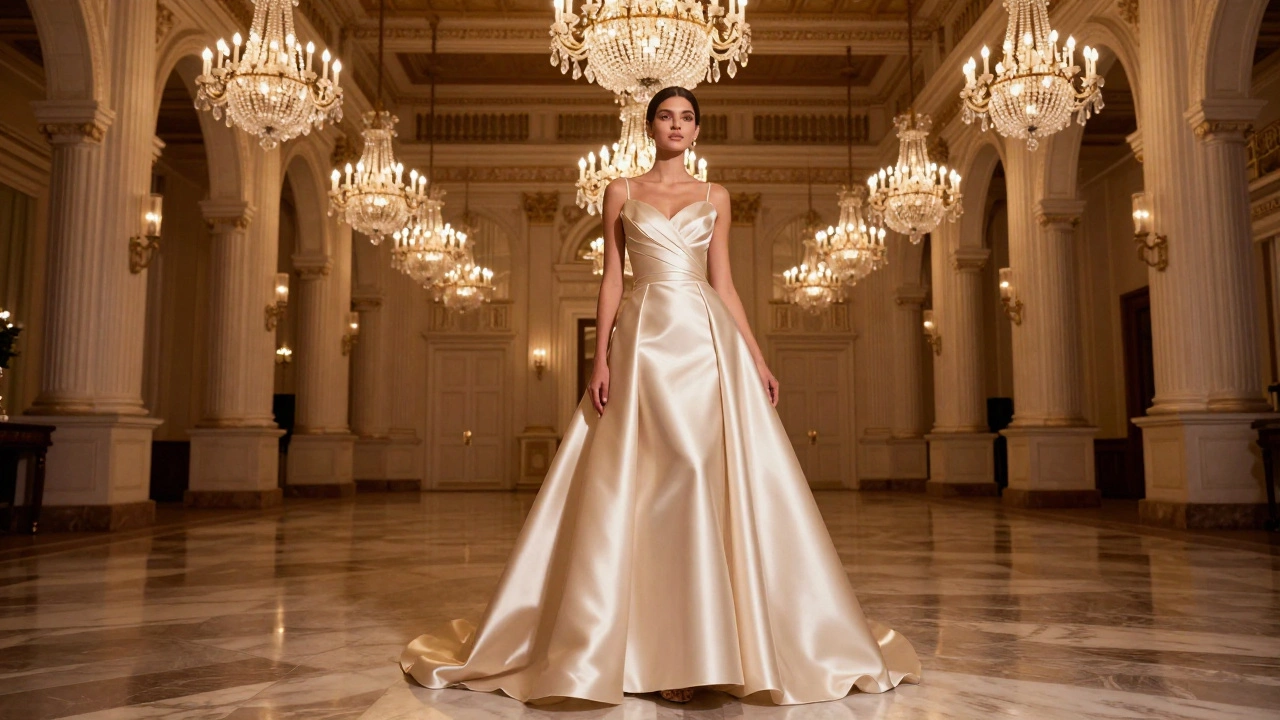
In the world of formal wear, the general rule is simple: the longer the dress, the more formal the event. If you're staring at an invitation that says "White Tie," you aren't just looking for a fancy dress; you're looking for a Ball Gown is a full-skirted formal dress usually worn for the most prestigious evening events. At this level, your hem should just graze the floor. If you can see your toes, it's likely too short. If you're tripping over the fabric, it's too long.
When we move into Black Tie is a dress code that requires tuxedos for men and formal evening gowns for women, you have a bit more wiggle room. While a full-length gown is the gold standard, a very polished midi dress can work if the fabric is high-end (think heavy silk or velvet) and the silhouette is structured. The goal here is elegance, not necessarily a train that follows you around the ballroom.
Decoding the Tea Length and Midi Hemline
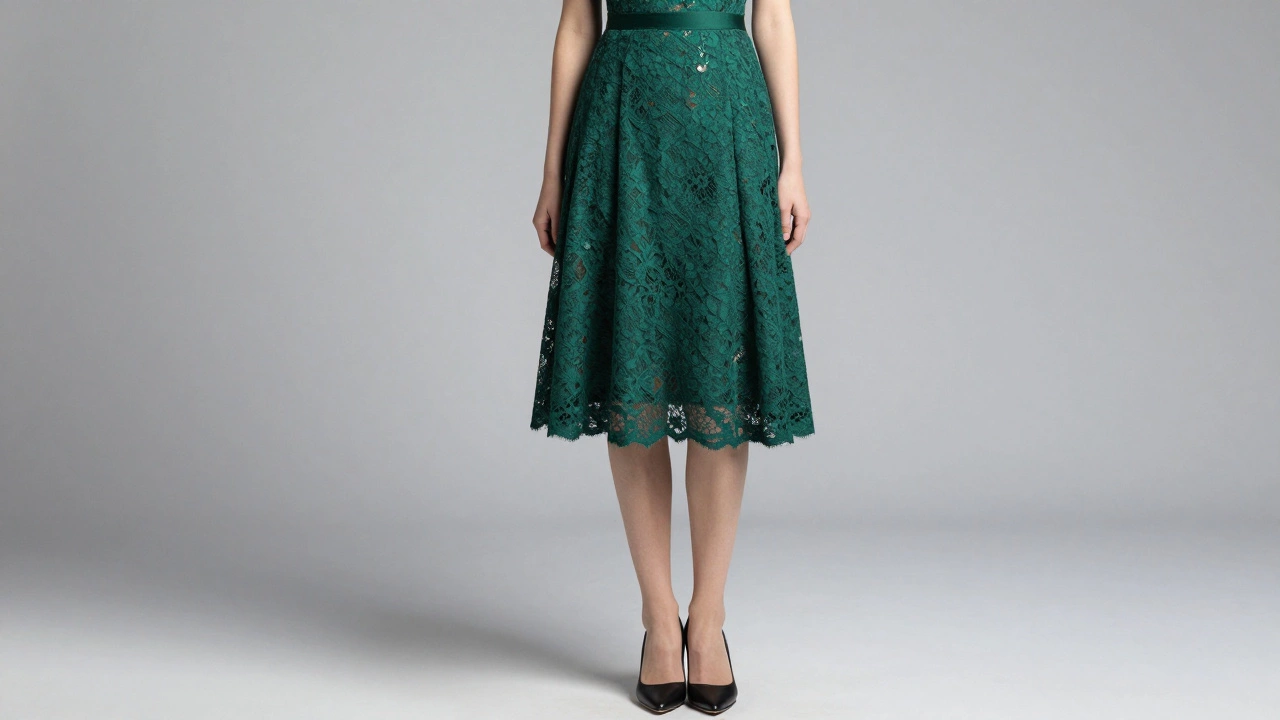
There is a huge difference between a "midi" and a "tea length" dress, even though they both end between the knee and the ankle. A Tea Length is a hemline that falls halfway between the knee and the ankle, popularized in the 1950s. It's the perfect "middle ground" length. It's formal enough for a wedding but practical enough that you won't spend the whole night worrying about stepping on your hem while dancing.
A midi dress usually hits slightly lower than a tea length, often landing at the widest part of the calf. This can be tricky. If the dress hits exactly at the thickest part of your leg, it can visually "cut" your height and make you look shorter. To fix this, pair a midi length with a heel that elongates the leg, or choose a dress with a side slit to create a vertical line that draws the eye upward.
| Length Type | Typical Hemline | Best Event | Vibe |
|---|---|---|---|
| Mini | Mid-thigh | Parties, Clubbing | Playful & Bold |
| Knee/Cocktail | At or just above knee | Cocktail Parties, Business Formal | Polished & Professional |
| Tea Length | Mid-calf | Afternoon Tea, Weddings | Vintage & Classic |
| Maxi/Floor | Ankle to Floor | Galas, Formal Weddings | Dramatic & Regal |
The Cocktail Standard: Finding the Sweet Spot
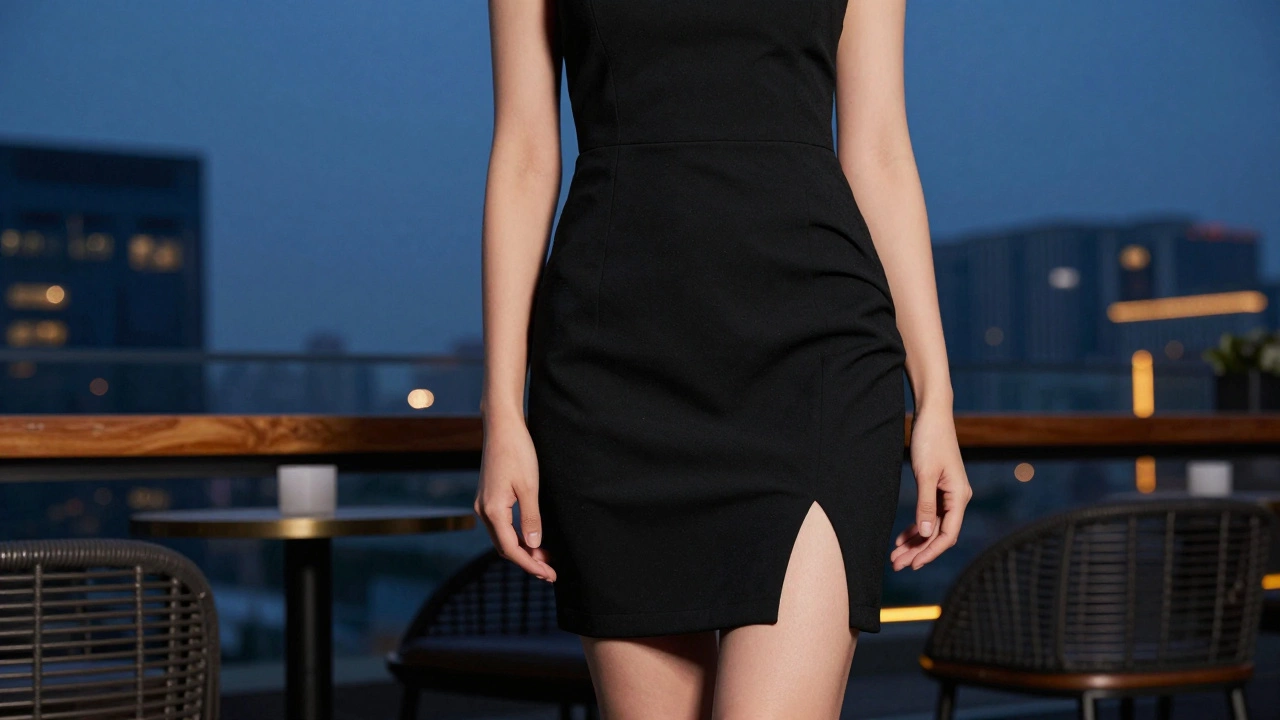
When you see "Cocktail Attire" on an invite, think of it as the bridge between daywear and formal evening wear. The classic Cocktail Dress is a semi-formal dress intended to be worn in the early evening, typically ending around the knee. If you're unsure, aim for the top of the kneecap. This is the most universally flattering length because it works for almost every body type and age group.
Can you go shorter? Yes, but be careful. A mini dress is great for a birthday bash or a trendy gallery opening, but for a professional cocktail event, a hemline that rises too high can feel out of place. A good rule of thumb: if you can't sit down comfortably without pulling the fabric down, it's too short for a formal setting. Balance is key-if the dress is quite short, consider a higher neckline or long sleeves to keep the look sophisticated.
Maxi Dresses and the Floor-Length Dilemma
A Maxi Dress is a long, informal dress that typically reaches the ankles or the floor. While they are staples for summer beach trips, a formal version is a powerhouse for evening events. The biggest mistake people make with floor-length dresses is the "incorrect hover." You don't want the dress to end an inch above the floor-this makes the dress look like it shrunk in the wash.
Ideally, your dress should just skim the floor while you're wearing your intended shoes. If you're wearing 4-inch stilettos, you need a longer hem than if you're wearing a kitten heel. Pro tip: always take your shoes to your tailor. If you get a dress hemmed while barefoot, and then add heels, you'll end up with a "flood" look that ruins the silhouette. Conversely, if the dress is too long, you'll spend the night tripping, which is a quick way to ruin a glamorous entrance.
Considering Your Body Proportions
Different lengths create different visual illusions. If you're petite, a floor-length gown with a high waist (empire waist) can make you look taller by extending the line of the leg. Avoid tea lengths that cut right at the calf, as this can make legs appear shorter. Instead, go for a slightly shorter midi or a full maxi.
If you're tall, you have the luxury of pulling off almost any length. However, a true floor-length gown can sometimes look like a "midi" on very tall frames if the brand doesn't offer long sizes. Look for brands that specify the "hollow-to-hem" measurement to ensure the fabric actually reaches the floor. For those with an athletic build, a-line skirts that hit just below the knee provide a balanced look that doesn't cling too tightly to the legs.
Common Pitfalls to Avoid
One of the most common errors is ignoring the venue. A floor-length gown is gorgeous, but if the event is at a venue with lots of stairs, gravel paths, or a crowded dance floor, a sweeping hem becomes a liability. You'll spend half your night lifting the skirt to avoid stepping in it. In these cases, a tea-length or a high-low hem (shorter in front, longer in back) is a lifesaver.
Another mistake is mismatching the fabric with the length. A short, mini-length dress in a heavy, stiff brocade can look bulky and awkward. Similarly, a floor-length dress in a very thin, casual jersey fabric often looks like loungewear rather than an evening gown. Match the weight of the fabric to the length; light fabrics work for flowy maxis, while structured fabrics excel in shorter, cocktail-style silhouettes.
Can I wear a midi dress to a black-tie event?
Yes, but with conditions. It should be a very formal midi-think luxury fabrics like silk, satin, or sequins. A simple cotton or jersey midi will look too casual. Ensure the styling is elevated with high heels and a clutch to signal that you are adhering to the formal spirit of the event.
How long should a dress be for a wedding guest?
This depends entirely on the wedding's dress code. For a "Formal" or "Black Tie" wedding, floor-length is best. For "Semi-Formal" or "Cocktail," a knee-length or tea-length dress is perfect. Avoid anything too short (mini) unless the event is explicitly casual or a themed party, as you want to avoid overshadowing the bride or looking underdressed.
What is the difference between a maxi and a gown?
The difference is usually the fabric and the intent. A maxi dress is generally casual, made of breathable fabrics like cotton or rayon, and meant for daytime or relaxed settings. A gown is structured, made of formal materials like chiffon, tulle, or satin, and is specifically designed for high-formality evening events.
Do I need to hem my dress if I'm wearing flats?
Absolutely. Hemming is based on the distance from your waist to the floor. If you switch from 4-inch heels to flats, your dress will be significantly too long, causing you to trip. If you plan to wear flats, you must have the dress hemmed specifically for that height to ensure it just skims the top of your shoes.
Is a high-low hemline considered formal?
A high-low hem is generally considered semi-formal to formal. It's a great compromise for events where you want the drama of a gown but the mobility of a cocktail dress. It is usually appropriate for weddings and parties, though perhaps too trendy for a strict White Tie event.
Next Steps for the Perfect Fit
Once you've decided on the length based on the event, the next step is a fitting. Don't trust the size chart blindly. If you're buying off-the-rack, assume you'll need a trip to the tailor. A professional can adjust a hem by a fraction of an inch, which is often the difference between looking polished and looking like you're wearing someone else's clothes.
If you're still undecided, look at the venue. A hotel ballroom screams floor-length. A rooftop bar suggests cocktail length. A garden party is the home of the tea-length dress. Match your hemline to the environment, and you'll always be the best-dressed person in the room.