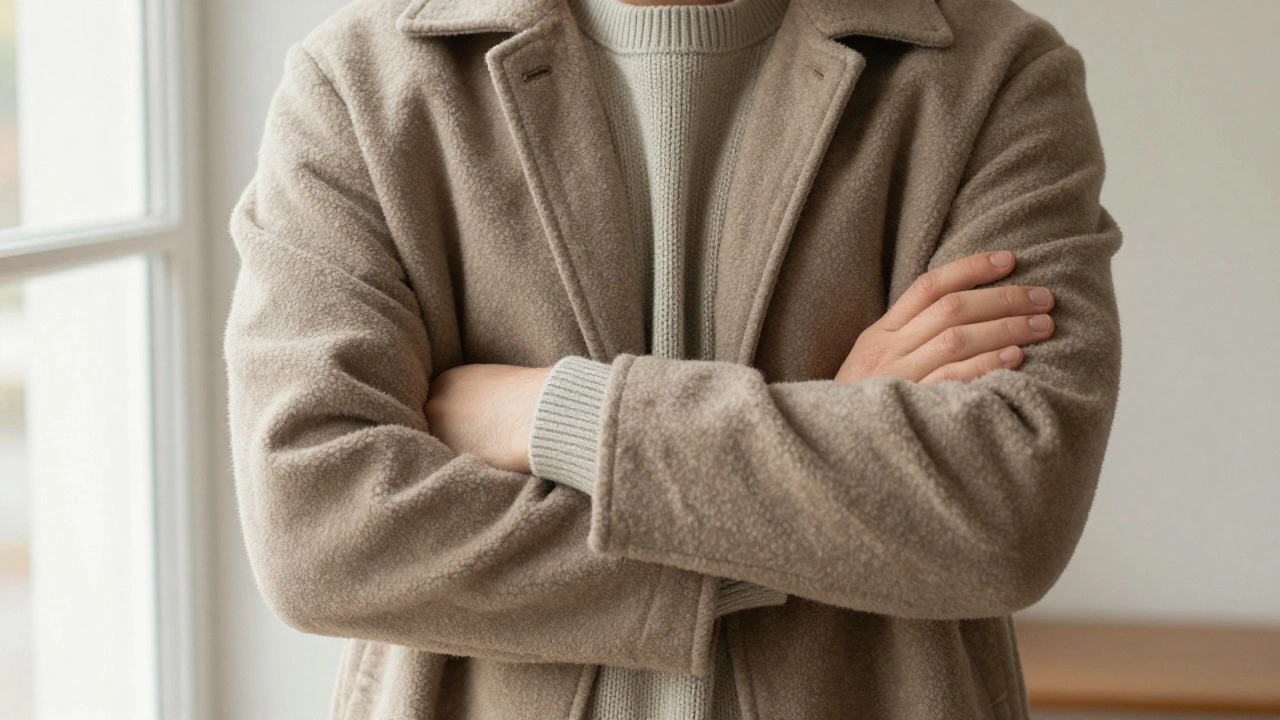
Perfect Fit Diagnostic Tool
Step 1: What coat style is this?
Step 2: How do you plan to layer?
Quick Fit Checker
Try these tests in the mirror while wearing the coat.
Should Coats Be Tight or Loose?
You know that feeling when you walk past a shop window and see a jacket that looks incredible on the mannequin, but you aren't sure if it will work on you. Standing in front of the mirror at home, you zip it up and wonder: Is this right? Or am I swimming in fabric?
The answer isn't a simple yes or no. It depends entirely on what you are wearing underneath and what kind of coatouterwear designed to protect against cold and wind you have bought. A puffer that hugs your ribs won't keep you warm, while a trench coat that hangs off your shoulders looks sloppy.
Quick Key Takeaways
- Function first: Warmth requires air pockets, so insulated coats need extra room.
- Style varies: Blazers and trench coats usually benefit from a defined waist.
- The Zipper Test: If it pulls open, it is too small. If it flaps in the wind, it might be too big.
- 2026 Trends: We are moving away from extreme bagginess toward tailored silhouettes.
- Movement matters: You should be able to move your arms without restricting yourself.
The Science of Why Fit Matters
When you ask if a coat should be tight, you are really asking about thermal efficiency. Your body generates heat, and clothes trap that heat. For insulated outerwear like down jackets, the warmth comes from the air trapped between the insulation fibers and your skin.
If you squeeze that air out by choosing a size too small, the insulation compresses. Compressed down loses its ability to lock in heat. Conversely, if the garment is three sizes too large, cold air circulates freely inside the shell. Think of it like a sleeping bag. If you roll it up tight, you get cold. If you leave it fully expanded, it works perfectly.
This doesn't mean every piece needs to be baggy. Fabric thickness changes the rules. A thin denim jacket has no insulation, so it acts more like a shirt. Here, fit dictates style. A thick heavy wool coat needs structure. In Melbourne, where we swing from rain to sun quickly, versatility is key. You want enough space to throw a hoodie under your blazer during a rainy afternoon.
How to Judge Fit by Coat Type
Different garments follow different rules. A leather bomber does not behave like a raincoat. To choose the right size, you must know the category of jacket you are holding. Below is a breakdown of how major styles should sit on your frame.
| Coat Type | Shoulder Fit | Torso Room | Sleeve Length |
|---|---|---|---|
| Puffer Jacket | Aligned with shoulder bone | Room for 2 sweaters | Covers wrist watch |
| Wool Overcoat | Slightly padded | Snug at chest, flare at hem | Hit at mid-knee |
| Trench Coat | Natural seam match | Loose enough for a belt | Breach cuff slightly |
| Leather Biker | Tight across back | Skin-tight for safety | Sit higher on arm |
Look at the puffer example above. When testing a down jacket in the store, imagine putting on a sweater before leaving the house. If you have no room left, it is useless for deep winter. However, look at the leather biker. These rely on abrasion resistance and proximity to your bike gear. Too much space here can flap around and catch wind, ruining the aerodynamic profile.
The Shoulder Seam Rule
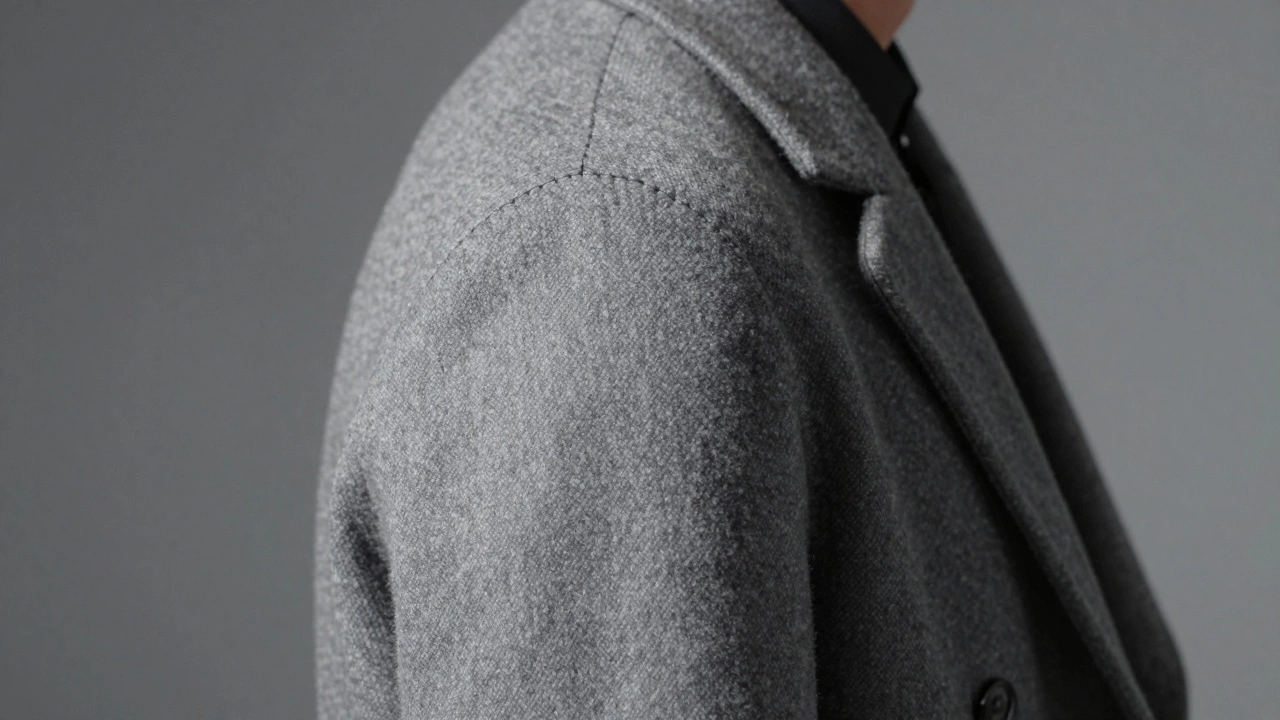
Regardless of whether the rest of the garment is oversized or fitted, one rule remains constant in tailoring. The shoulder seam of your coat should land exactly where your natural shoulder ends.
If the seam falls onto your upper arm, the whole coat will drag down. You will look drowned in fabric, even if you wanted a relaxed fit. This creates tension lines across the chest when you move forward. On the other hand, if the seam sits up toward your neck, pulling the fabric taut, you will feel restricted breathing.
In 2026, many brands label their items as 'modern fit' or 'classic'. Modern often implies narrower shoulders, which might look sharp but restrict movement. Classic cuts allow for better layering. Always prioritize the shoulder measurement over the sleeve length or waist size. Sleeve alterations are cheap; moving shoulders is expensive.
Recognizing Signs of Poor Fit
How do you know instantly if the size is wrong without a full dress rehearsal? Try these physical checks while standing naturally. Do not suck in your stomach, as you cannot live life that way forever.
- Zipper strain: Put the zipper up halfway. If there is visible puckering of the fabric across the stomach, the coat is too tight. You will rip this seam in a week of daily wear.
- Arm mobility: Raise your arms straight ahead like you are hugging someone. Does the hem rise excessively high? If it exposes your lower back, the cut is likely too tapered or short for your torso length.
- The collar gap: Button the coat near the neck. There should be about two fingers of space between your skin and the buttoned fabric. Zero space means it chafes; five fingers means the draft comes through your neck.
- Pocket placement: Reach into your inner pocket. If you can barely access it because the fabric pulls sideways, the chest circumference is insufficient for reaching movements.
These signs matter more than numbers on a tag. Sizing varies wildly between Australian high street brands and imported designer labels. A size L in one brand could be a XL in another. Never assume your size is universal.
2026 Fashion Trends and Silhouettes
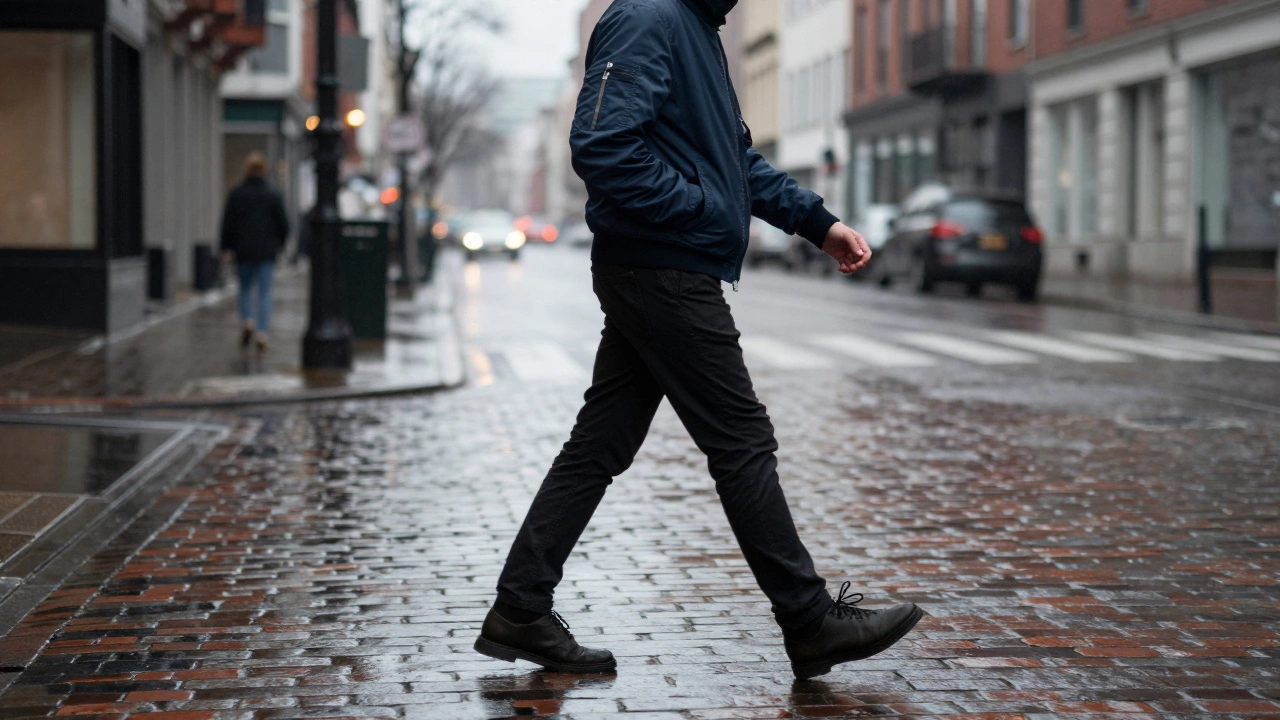
Fashion shifts, and fit follows the culture. A few years ago, oversized everything was the norm. Heavy drop-shoulder hoodies defined the streets. However, entering 2026, there is a return to tailored utility. We are seeing 'smart casual' return to the forefront.
This shift means looser coats need to be intentional. If you wear a wide-cut coat, pair it with fitted trousers or jeans to balance the silhouette. If you wear skinny jeans, the coat shouldn't be so boxy that it looks like a tent. The goal is intentionality. A loose coat looks good when you planned for volume. A tight coat looks bad when it constricts.
We also see sustainable materials influencing fit. Recycled fibers sometimes lack the drape of virgin cotton. They might feel stiffer. Stiffer fabrics generally benefit from a slightly larger cut to reduce stiffness points against the skin.
Customizing Your Purchase
Buying off-the-rack is convenient, but it is rarely perfect. Knowing when to invest in minor tailoring saves money in the long run. Alterations are most effective on the length and width.
Shortening sleeves is the simplest adjustment. Many people ignore this, but a sleeve ending midway through your knuckle ruins the proportion. Taking it up by 2 inches makes the outfit look crisp. Hemming the bottom is also easy. If a coat hits your ankle instead of your mid-calf, taking it up balances your height visually.
Be cautious with tapering the sides. Removing too much material from the sides destroys the ability to layer. Leave some ease. It is always easier to wear a slightly larger coat with a slim base layer than a tight coat with nothing under it.
Frequently Asked Questions
Can I wear a tight coat in winter?
Yes, but only if the fabric itself provides heat, such as heavy fleece-lined canvas. Thin tight coats will let cold air penetrate easily. If you plan to layer sweaters, choose a size up for comfort.
What is the best size for a trench coat?
A trench coat should fit the shoulders perfectly but remain loose through the torso. It needs space to belted comfortably without gaping buttons. The classic length sits around mid-thigh or knee.
Why does my jacket pull across the back?
This indicates the shoulder seams are too narrow for your frame. Moving the fabric creates horizontal stress lines. You may need a broader cut or a different brand that offers wider shoulders.
Should sleeves cover my hands?
It depends. Formal wool coats should end just past the wrist bone. Casual streetwear or puffers can cover the hands completely, especially if they have ribbed cuffs meant to keep hands warm. Avoid sleeves that hang too far below the palm, as they look sloppy.
Is it better to have a bigger coat and layer?
Generally yes. Having a bit of room allows for air circulation and multiple layers. Just ensure the excess fabric doesn't drag on the ground or snag on door handles. Balance bulk with function.