School Uniforms Origin: Where They Came From and Why They Matter
When you think of school uniforms, standardized clothing worn by students in educational settings to promote equality and discipline. Also known as school attire, it has been a fixture in classrooms for centuries—not because it was trendy, but because it solved real problems. The idea didn’t start in modern private schools or trendy suburbs. It began in 16th-century England, where charities and grammar schools dressed poor children in matching outfits so they wouldn’t be mocked for wearing ragged clothes. This wasn’t about fashion—it was about survival. A child in a uniform wasn’t singled out for being poor. That simple act of covering differences became the foundation for something bigger.
By the 1800s, British public schools like Eton and Harrow formalized uniforms to build loyalty, reduce distractions, and create a clear identity. These weren’t just clothes—they were symbols of belonging. The same logic spread to other countries. In Japan, school uniforms became part of national culture after the Meiji Restoration, blending Western military styles with local values. In the U.S., public schools didn’t adopt them widely until the 1980s and 90s, when rising crime and gang activity pushed districts to look for ways to reduce peer pressure and violence. Uniforms weren’t meant to make kids look identical—they were meant to take the focus off brand names, income gaps, and appearance.
Today, uniform policies, rules set by schools or districts requiring specific clothing for students. Also known as dress codes, they vary wildly—from simple polo shirts and khakis to full blazers and ties. Some schools use them to cut down on bullying. Others use them to save parents money on clothes. And some just want order. But here’s the thing: the same rules that worked in 1890 don’t always fit 2025. Kids today care about identity, comfort, and self-expression. A uniform that shuts down individuality can backfire. That’s why some schools now let students choose from a few approved options, or wear uniform-inspired pieces that still feel personal.
What you’ll find in the posts below isn’t a history textbook. It’s real stories, real data, and real questions people are asking. Why do some schools fight so hard to keep uniforms? Why do others ditch them? What do parents actually think? And how do uniforms connect to bigger issues like safety, money, and fairness? These aren’t just opinions—they’re answers drawn from families, educators, and research. You’ll see how something as simple as a shirt and pants can carry weight far beyond the classroom.
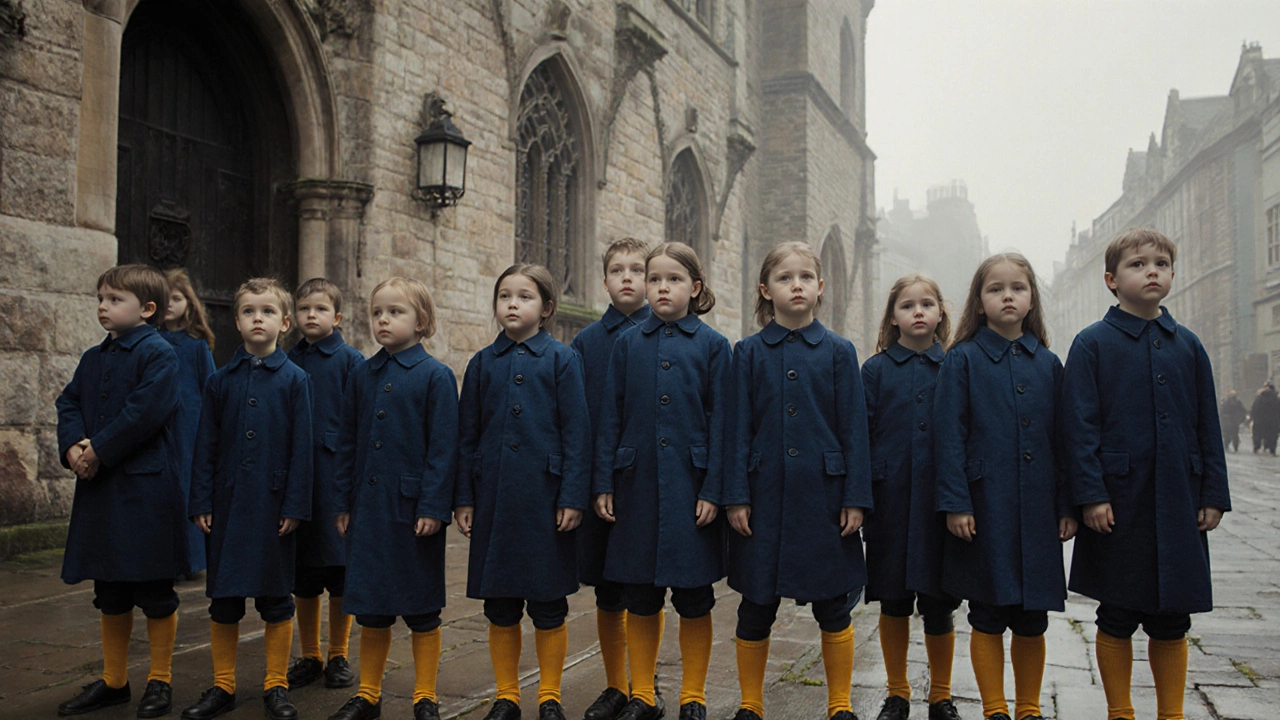
Who Created School Uniforms? The Real History Behind the Look
School uniforms didn’t start with a law or a trend-they began in 1552 with orphans in London. Discover how a simple blue coat evolved into a global system of dress, from elite British schools to urban U.S. classrooms.
Read more