Suit Construction: How Tailoring Shapes Fit, Function, and Style
When you put on a suit that fits just right, it’s not luck—it’s suit construction, the method of cutting, stitching, and assembling fabric to create a structured garment that moves with the body. Also known as garment construction, it’s what separates a mass-produced jacket from one that feels like it was made just for you. This isn’t just about looking sharp. It’s about how the chest is padded, how the shoulders are shaped, and whether the lining lets you breathe or traps heat like a sauna.
Suit construction relies on a few key parts: the canvass, a layer of wool, horsehair, or synthetic material between the outer fabric and lining that gives the suit its shape, the lapel roll, how the collar curves naturally over the chest, and the shoulder padding, the subtle structure that defines posture and silhouette. A fully canvassed suit has this layer stitched all the way down, allowing it to mold to your frame over time. A fused suit glues it on—cheaper, stiffer, and less durable. You can spot the difference by pinching the lapel: if it feels stiff and doesn’t fold naturally, it’s probably fused.
It’s not just about the inside, though. The fabric matters too. Wool from Australia or Italy breathes better than polyester blends. A suit made for summer will be lighter, with a looser weave. One built for winter might have a heavier thread count and extra lining. Even the buttons tell a story—horn or mother-of-pearl buttons are stitched on with thread that can be undone and replaced. Plastic ones? Glued or machine-sewn, meant to last until they break.
And then there’s the fit. A well-constructed suit doesn’t just hang on you—it follows your body. The sleeves should end at your wrist bone, not your hand. The jacket should taper slightly at the waist without pulling. The pants should break just once, softly, over your shoe. These aren’t fashion rules—they’re physics. Poor construction fights gravity. Good construction works with it.
People don’t always realize how much goes into a suit until they’ve worn one that doesn’t fit right. Then they notice the stiffness, the bunching, the way it rides up when they sit. That’s not the tailor’s fault—it’s the construction. And that’s why some suits last decades while others look worn after two seasons.
What you’ll find below isn’t a list of brands or where to buy. It’s a collection of real questions about how clothes are made, how they’re meant to be worn, and what happens when things go wrong. From why leather shoes tighten when wet to how baby carriers handle weight limits, these posts all come down to one thing: understanding the details behind everyday things. Suit construction is no different. It’s not magic. It’s method. And once you see it, you’ll never look at a jacket the same way again.
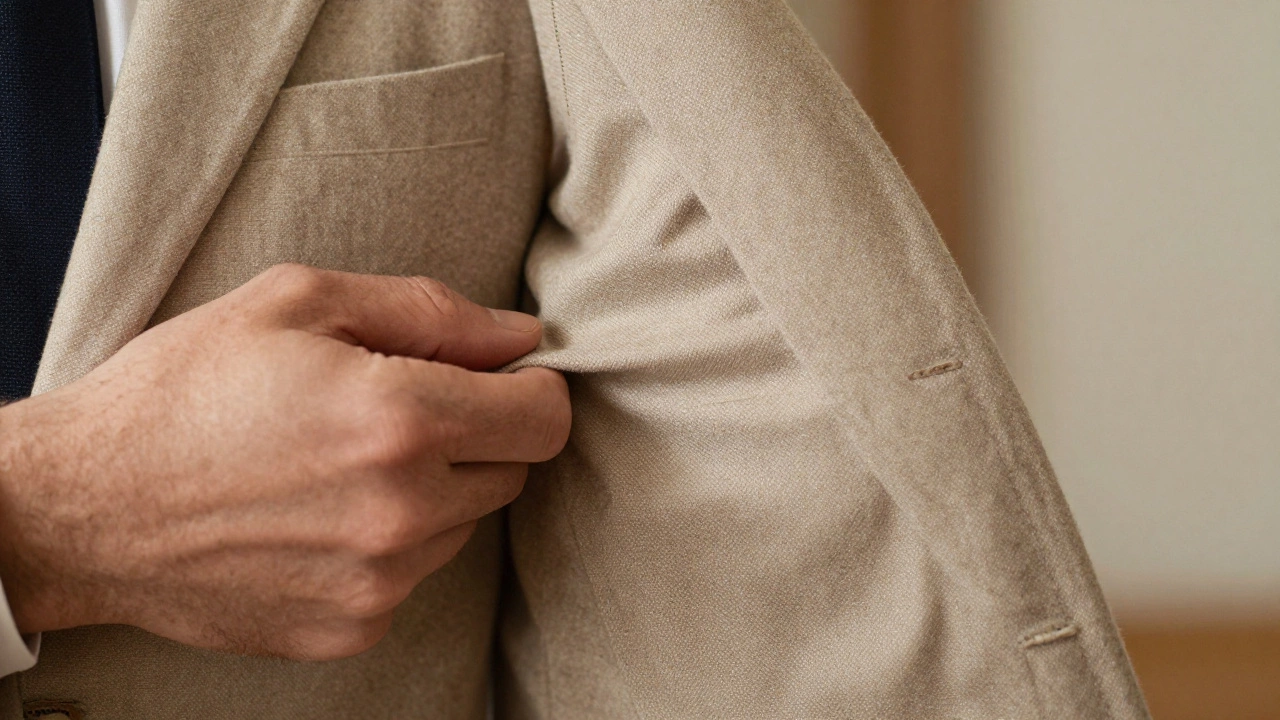
How to Tell if a Suit Is High-Quality: A Beginner’s Guide to Men’s Tailoring
Learn how to spot a high-quality men's suit by checking the fabric, construction, stitching, and fit. Avoid cheap blends and fused linings-know what makes a suit last for years.
Read more
Can You Tell the Difference Between an Expensive Suit?
Learn how to spot the real differences between a cheap and expensive suit-fabric, construction, stitching, and fit. Know what you're paying for before you buy.
Read more