Key Takeaways for Premium Tees:
- Long-staple cottons (like Pima and Supima) are the gold standard for durability and softness.
- Fabric weight (GSM) determines if a shirt is a lightweight summer tee or a heavy-duty streetwear piece.
- The knit type (Jersey vs. Interlock) affects how the shirt drapes on your body.
- Avoid "blends" unless you specifically need moisture-wicking properties for the gym.
The Gold Standard: Long-Staple Cottons
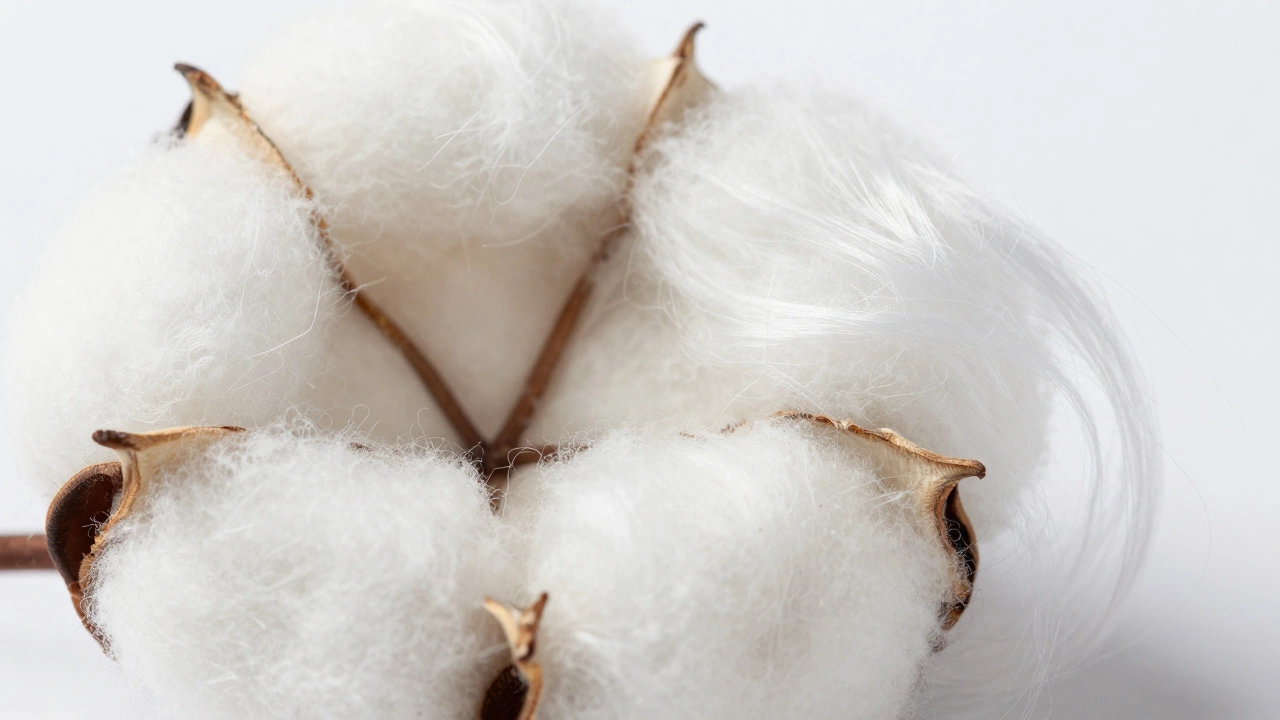
To understand quality, you have to understand "staple length." A staple is simply the length of the individual fiber of the cotton plant. Short fibers create a rougher texture and are more prone to pilling-those annoying little balls of fuzz that appear after a few wears. Long-staple fibers can be spun into a much smoother, stronger yarn.
Pima Cotton is a high-end variety of cotton with extra-long fibers that grow primarily in the US and Peru. Because the fibers are longer, the resulting fabric is softer and significantly more resistant to tearing. If you touch a Pima tee, it feels silkier than your average store-bought shirt.
Supima Cotton is a trademarked brand of Pima cotton grown exclusively in the United States. It's essentially the "certified" version of Pima. It guarantees that the cotton is 100% extra-long staple, which means it holds dye better (so your black shirts stay black longer) and feels more luxurious against the skin.
Egyptian Cotton is world-renowned for its extreme softness and durability, often used in high-thread-count sheets but also found in luxury t-shirts. While similar to Pima, it often has an even finer feel, though it's harder to find in standard t-shirts due to the cost of importing it.
Weight Matters: Understanding GSM
Quality isn't just about the material; it's about the density. In the industry, we talk about GSM, which stands for Grams per Square Meter. This tells you how heavy the fabric is. A common mistake is thinking that "heavy" always means "better quality." In reality, the best weight depends on how you plan to wear the shirt.
| Weight (GSM) | Category | Best For... | Feel |
|---|---|---|---|
| 120 - 150 | Lightweight | Undershirts, hot humid climates | Breathable, sheer |
| 160 - 200 | Mid-weight | Daily wear, casual outings | Balanced, versatile |
| 210 - 300+ | Heavyweight | Streetwear, winter layering | Structured, thick |
If you want a shirt that keeps its shape and doesn't cling to your stomach, aim for a mid-to-heavy weight. A 200 GSM Supima tee is often considered the "sweet spot" for a luxury feel that still breathes.
Combed vs. Carded Cotton: The Processing Secret
Ever notice how some "100% cotton" shirts feel scratchy? That's because of how the cotton was processed. Most cheap shirts use carded cotton, where the fibers are simply brushed. This leaves short, prickly fibers sticking out of the yarn.
Combed Cotton is cotton that has undergone an additional "combing" process to remove short fibers and impurities. This results in a much smoother yarn. When you see "combed and ring-spun cotton" on a label, it's a sign that the manufacturer cared about the hand-feel and longevity of the garment.
Think of it like sanding a piece of wood. Carded cotton is the raw plank; combed cotton is the polished, finished surface. For the highest quality, always insist on combed or ring-spun options.
The Construction Checklist: How to Spot Quality
You can have the best Pima cotton in the world, but if the stitching is sloppy, the shirt is garbage. To find a truly high-quality tee, you need to look at the architecture of the garment. Here are the non-negotiables:
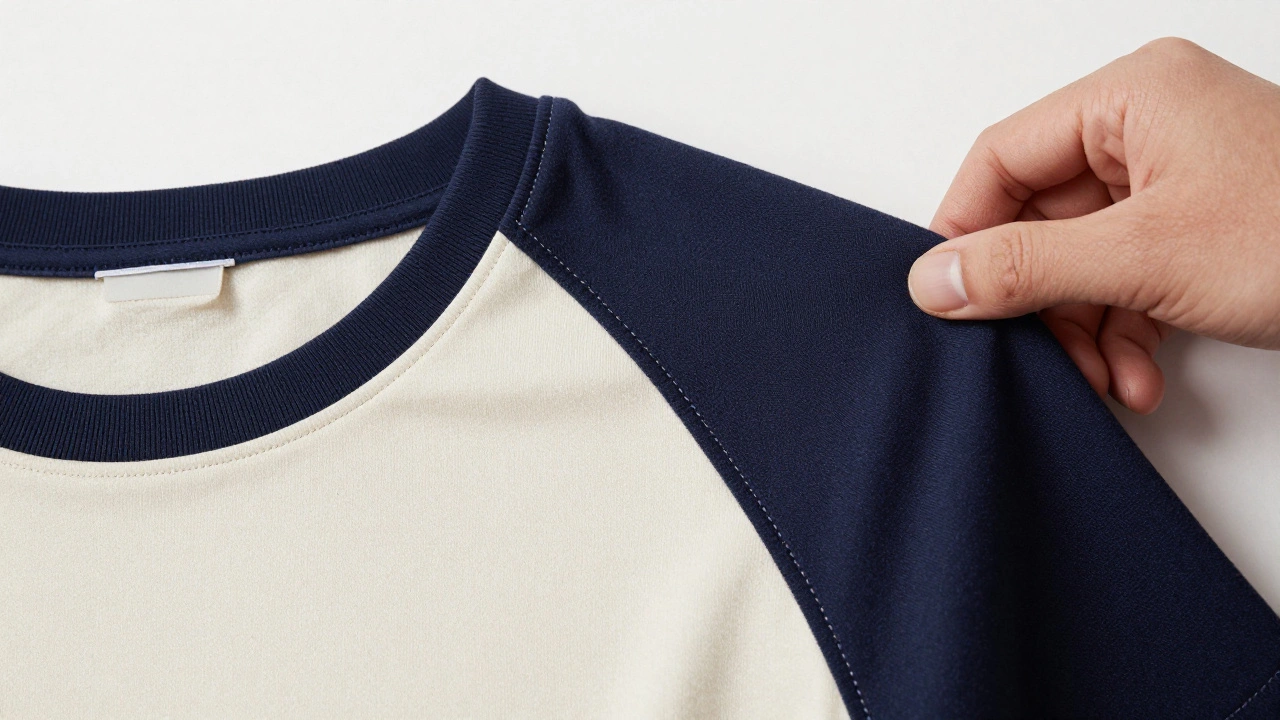
- The Collar: Look for a ribbed collar with a bit of spandex or elastane. This prevents the "bacon neck" effect where the collar sags and ripples after three washes.
- Side-Seams vs. Tubular: Most cheap shirts are tubular (one big cylinder). High-end shirts often have side-seams. Why? Because side-seams allow the manufacturer to tailor the fit to a human body, preventing the shirt from twisting or warping over time.
- Stitching Density: Look at the hem and sleeves. If you see loose threads or wide gaps between stitches, the shirt will unravel. Look for tight, consistent lock-stitching.
- Pre-shrunk Fabric: If a shirt isn't pre-shrunk, a "Large" can become a "Small" after one cycle in the dryer. High-quality brands treat the fabric beforehand so the fit remains consistent.
Luxury Alternatives: Silk and Linen Blends
While cotton is the king, some of the highest quality shirts actually move away from 100% cotton. Depending on the vibe you're going for, these materials can outperform cotton in specific areas.
Mercerized Cotton is cotton that has been treated with sodium hydroxide to swell the fibers. This gives the shirt a slight sheen, almost like silk, and makes the colors look incredibly vibrant. It's a favorite for "dressy" t-shirts worn under blazers.
Tencel (also known as Lyocell) is a sustainable fiber made from wood pulp. When blended with cotton, it adds a drape and softness that cotton alone can't achieve. It's also much more breathable and moisture-wicking than standard cotton, making it ideal for people who run hot.
If you are looking for something for a beach vacation, a cotton-linen blend is the way to go. Linen provides the airflow, while the cotton prevents the shirt from wrinkling into a thousand tiny lines the second you put it on.
Does a higher price always mean higher quality?
Not necessarily. Many luxury brands charge a premium for the logo, not the fabric. You can find a 20-dollar shirt made of Supima cotton that is objectively higher quality than a 200-dollar designer shirt made of standard carded cotton. Always check the fabric composition label before buying.
How do I care for high-quality t-shirts to make them last?
Heat is the enemy of high-quality cotton. Wash your shirts in cold water and avoid the dryer whenever possible. Hanging them to dry prevents the fibers from breaking down and stops the shirt from shrinking. If you must use a dryer, use the lowest heat setting and remove them while they are slightly damp.
What is the difference between Organic and Pima cotton?
Organic refers to how the cotton was grown (without synthetic pesticides), whereas Pima refers to the genetic type of the fiber (extra-long staple). A shirt can be both organic and Pima. Organic cotton focuses on sustainability and health, while Pima focuses on the physical properties of the fabric like softness and strength.
Why are some high-quality shirts heavier than others?
This comes down to the GSM (Grams per Square Meter). Heavyweight shirts use more fiber and a denser knit, which makes them feel more "premium" and structured. Lightweight shirts are better for layering or extreme heat. Neither is "better" quality overall; it's just about the intended use.
Is 100% cotton always the best choice?
For a classic tee, yes. However, a small percentage of elastane (2-5%) can be a benefit, as it helps the shirt retain its shape and prevents sagging. For athletic use, blends with polyester or Tencel are superior because they move sweat away from the body, which 100% cotton cannot do.
Next Steps for Your Wardrobe
If you're starting to upgrade your basics, don't replace everything at once. Start by buying one mid-weight Supima cotton tee in a neutral color like white or black. Compare it to your cheapest shirt in terms of how it feels after five washes. You'll likely notice that the higher-quality fabric doesn't pill and the collar stays tight. Once you see the difference in longevity, you can move toward building a capsule wardrobe of long-staple cottons and specialized blends.