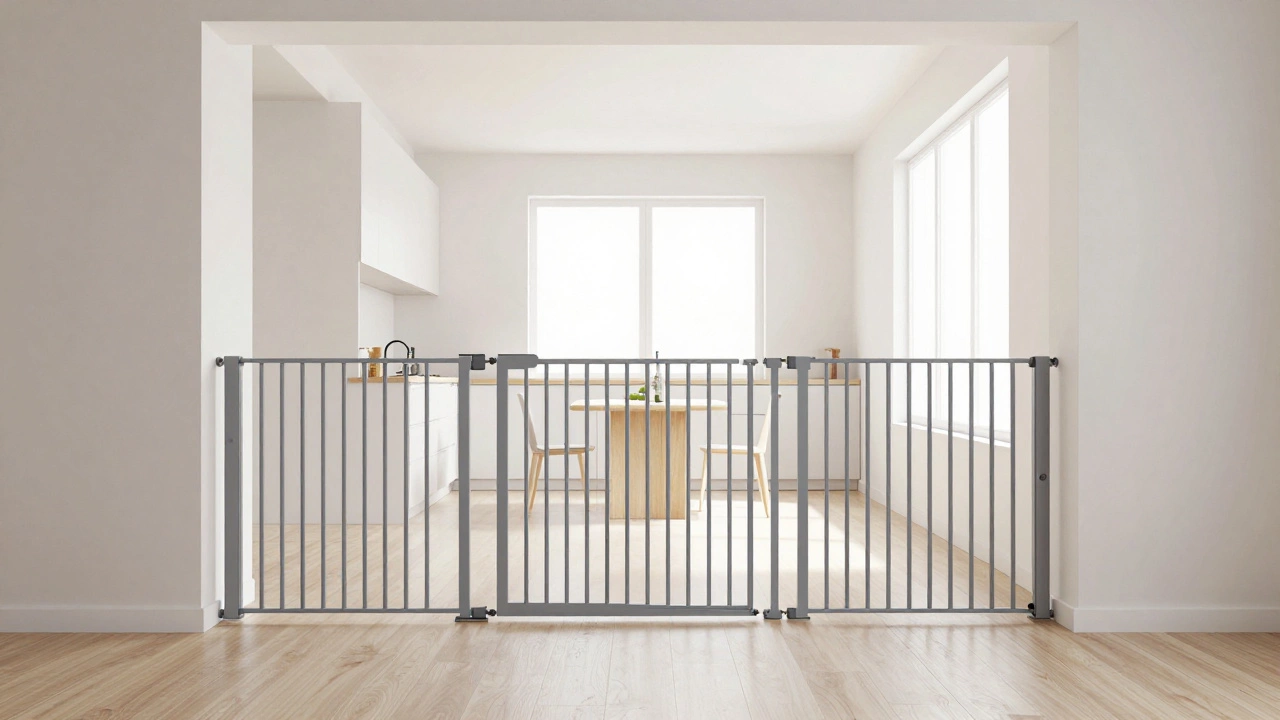
Trex Gate Configuration Tool
Configuration Results:
Total gap to cover: 0 inches
Quick Summary: What You Need to Know
- Purpose: Blocks toddlers and pets from entering dangerous areas in very wide openings.
- Key Feature: Modular design that allows for significant extension.
- Installation: Usually available in both hardware-mounted and pressure-mounted versions.
- Best For: Wide hallways, kitchen entrances, and basement stair-tops.
How a Trex Gate Actually Works
Most people think a gate is just a piece of metal or wood, but a Trex-style gate is essentially a modular system. Instead of one solid piece, it uses a central gate panel paired with extendable side panels. This means you aren't buying a "one size fits all" product; you're buying a system that adapts to your specific wall distance.
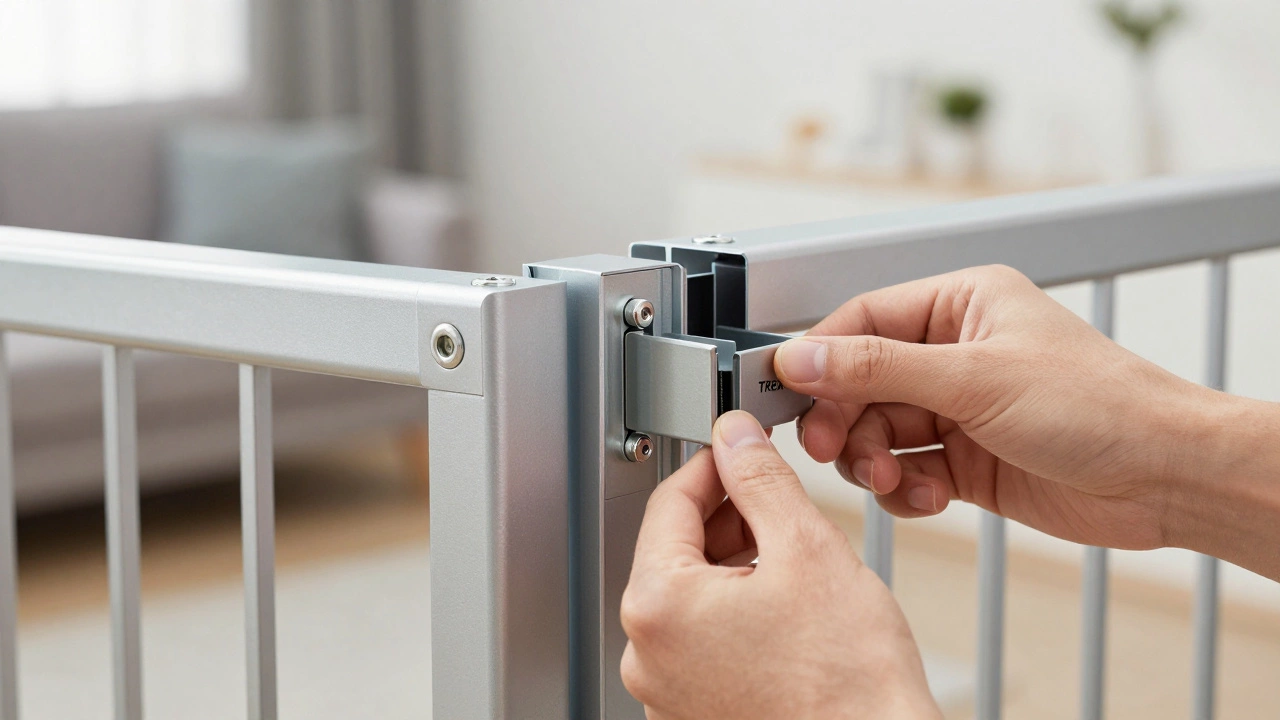
If you have a 60-inch opening, you don't search for a 60-inch gate. You get a Trex gate and add the necessary extensions. These extensions lock into the main frame, maintaining structural integrity while covering the distance. This prevents the "sagging" effect often seen in cheap, over-extended pressure gates.
Pressure-Mounted vs. Hardware-Mounted Options
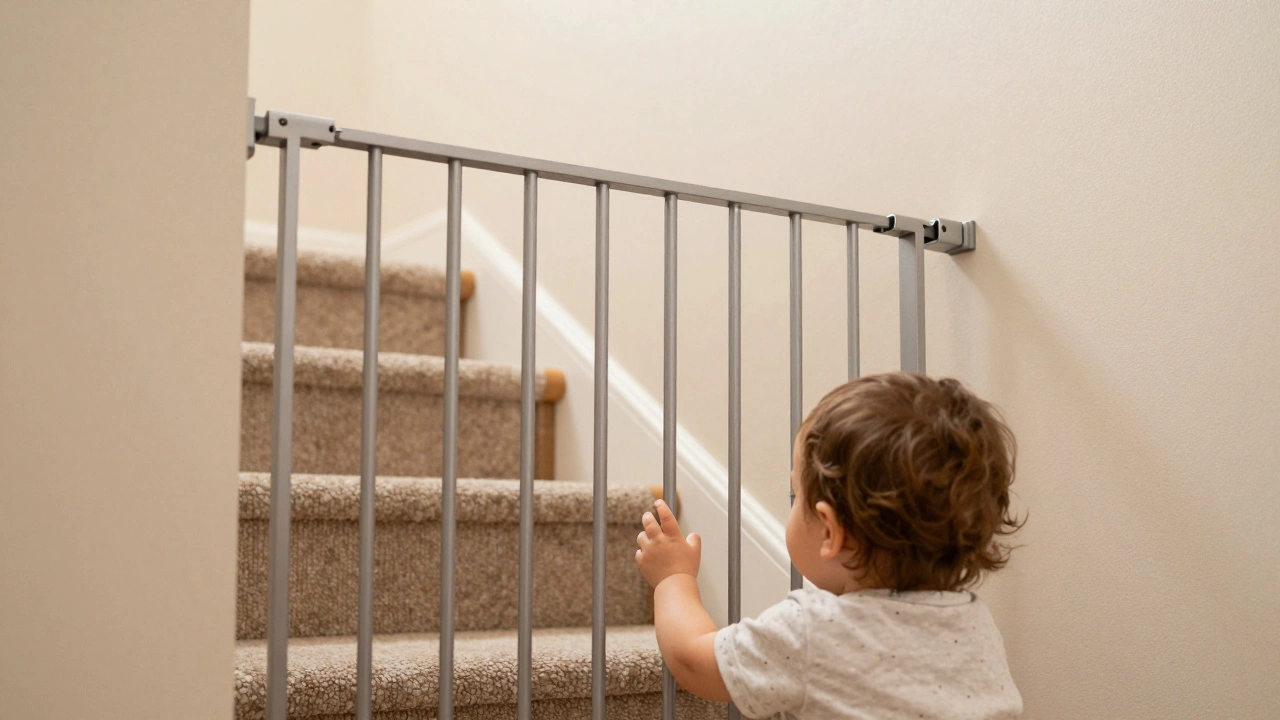
Depending on where you put the gate, you have to choose between two installation methods. This is the most critical decision you'll make for your child's safety. If you're putting a gate at the top of the stairs, a pressure gate is a recipe for disaster because a determined toddler can eventually push it over.
Hardware-Mounted Gates are bolted directly into the wall studs. These are the gold standard for high-risk areas like staircases because they don't budge.
Pressure-Mounted Gates use tension bolts to stay in place. They're great for hallways or blocking off a room, but they can slip if they aren't tightened perfectly or if the wall surface is too smooth.
| Feature | Pressure-Mounted | Hardware-Mounted |
|---|---|---|
| Installation Speed | Very Fast | Slower (Drilling required) |
| Wall Damage | Minimal / Scuffing | Permanent holes |
| Stability | Moderate | Maximum |
| Ideal Location | Doorways, Hallways | Top of Stairs |
Common Pitfalls When Buying Extra-Wide Gates
One big mistake parents make is forgetting to measure the exact width at the top, middle, and bottom of the opening. In older homes, walls aren't always straight. If your opening is 58 inches at the floor but 57.5 inches at the top, a gate that only extends to 58 inches might be a nightmare to install.
Another issue is the "threshold trip." Because Trex gates often use a bottom bar for stability in pressure-mounted versions, there's a physical bar across the floor. If you're constantly walking through that area with a laundry basket or a sleeping baby, you'll find yourself tripping over it. Look for "no-trip" or "walk-through" models if the gate is in a high-traffic zone.
Why Not Just Use a Standard Gate?
You might be tempted to just buy two smaller gates and overlap them, or try to "hack" a standard gate with extra wood. Don't do it. Child Safety Gates must meet specific safety standards, such as those set by ASTM International. When you use a dedicated Trex gate, the locking mechanism is centered and tested for the weight and pressure of a child leaning against it.
Standard gates are usually capped at 30-35 inches. If you try to stretch a standard gate too far, the tension weakens, and the lock becomes easier for a clever toddler to figure out. A Trex gate maintains the lock's strength regardless of how many extension panels you add.
Choosing the Right Material for Your Home
The material affects both the look of your home and how long the gate will last. Metal gates, typically made of steel or aluminum, are the most durable. They don't warp and are much harder for a pet to chew through. However, they can be louder when closing and sometimes feel "colder" in a nursery setting.
Wooden gates offer a more natural look and blend better with home decor. They are often lighter, but they can be prone to scratches or wear and tear. If you have a dog that likes to chew, wood is a bad choice. For most families, a powder-coated steel Trex gate is the best balance of strength and aesthetics.
Step-by-Step Installation Tips
- Measure Twice: Measure the opening at three different heights. Use the smallest measurement as your baseline.
- Check the Wall Surface: If you're using a pressure mount on painted drywall, consider adding rubber wall protectors to prevent the bolts from chewing up your paint.
- Assemble the Frame First: Connect your extension panels to the main gate before trying to fit it into the space. It's much easier to manage on the floor than while leaning against a wall.
- Test the Tension: Once installed, give the gate a firm shake. If it moves more than an inch, tighten the pressure bolts.
- Verify the Lock: Open and close the gate five times to ensure the latch clicks fully into place every single time.
Maintenance and Long-Term Use
These gates aren't "set it and forget it." As your child grows, they get stronger. A gate that was immovable for a 10-month-old might be a challenge for a 2-year-old. Check the tension bolts once a month. Vibrations from walking or children playing can slowly loosen the pressure mounts.
Also, keep an eye on the hinges. If you notice the gate is starting to drag on the floor, it's usually a sign that the extensions are shifting or the wall is bowing. A quick adjustment of the bolts usually fixes this, but if the metal is bending, it's time for a replacement.
Can a Trex gate be used for pets?
Yes, they are excellent for large dogs. Because they are designed for the strength of a toddler, they can easily withstand a large dog pushing against them. Just make sure the vertical bars are spaced closely enough so your pet can't get their head stuck.
Are Trex gates safe for the top of stairs?
Only if they are the hardware-mounted version. You should never use a pressure-mounted gate at the top of stairs because they can slide out of place, leading to a dangerous fall. Always drill these into the wall studs for maximum security.
How do I know which extension size to buy?
Measure your total opening width. Subtract the width of the main gate panel. The remaining distance is what you need to cover with extensions. Most brands sell extensions in 6, 12, or 24-inch increments, so choose the combination that gets you closest to your measurement without going under.
Do Trex gates damage walls?
Pressure-mounted versions can leave small indentations or scuff marks on the paint. Hardware-mounted versions leave screw holes. To minimize damage, use rubber wall guards or fill and paint the holes once the child has outgrown the need for the gate.
Can toddlers open Trex gates?
Most have a double-lock system designed to be intuitive for adults but confusing for kids. However, some determined toddlers will eventually figure it out. It's a good idea to place the gate in a spot where you can still supervise them, rather than relying on it as a total substitute for watching your child.
Next Steps for Your Home Safety
Once you've secured your wide openings, consider looking at the smaller details. Check for loose outlet covers or unstable bookshelves that need anchoring. If you've installed a Trex gate in the kitchen, you might also want to look into cabinet locks to keep your toddler away from cleaning supplies. Safety is about layers, and a wide gate is just the first line of defense in an open-concept home.