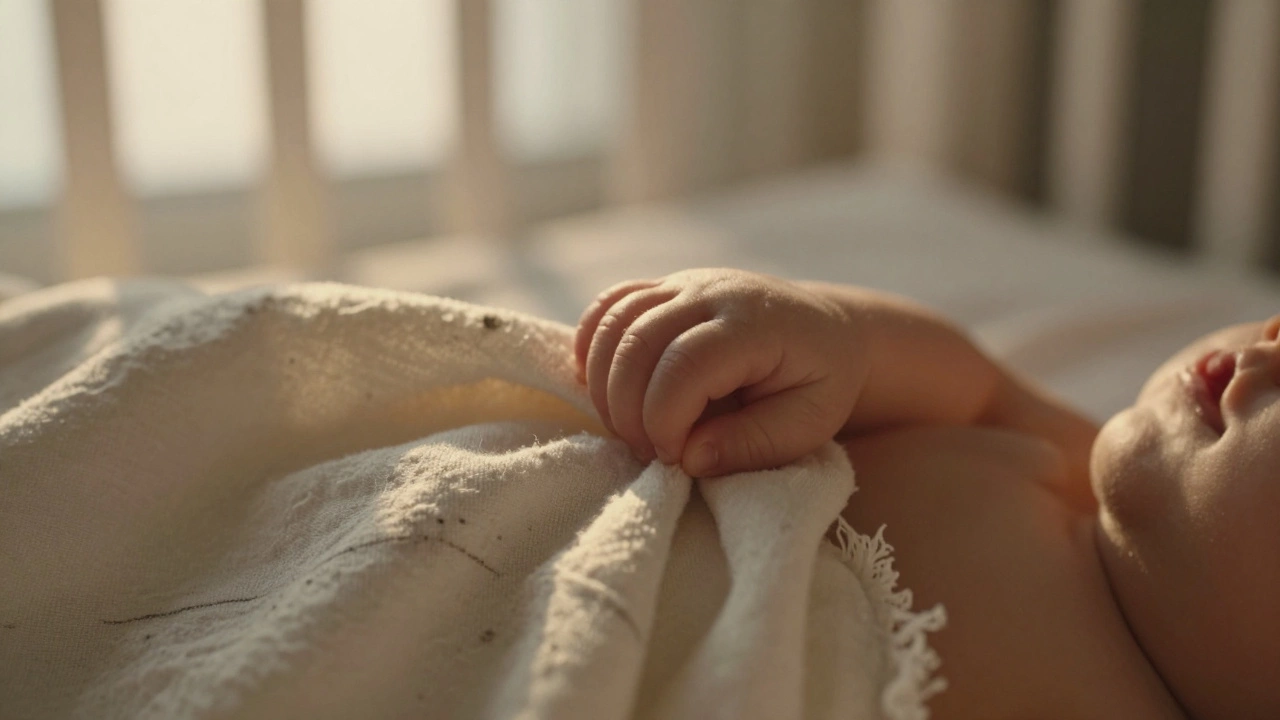
Every parent has seen it: a tiny fist clutching a worn-out blanket, the one that’s been everywhere - car rides, naps, bedtime stories, even the grocery store. It’s frayed at the edges, smells like home, and somehow, it’s the only thing that calms the baby when everything else fails. You might think it’s just a blanket. But it’s not. There’s deep psychology behind why babies form such intense bonds with these soft, simple objects.
The Science of Attachment Beyond People
Psychologist Donald Winnicott first called these objects transitional objects in the 1950s. He noticed that infants didn’t just attach to their mothers - they also clung to blankets, stuffed animals, or even a corner of a sheet. These items weren’t replacements for a parent. They were bridges. When a baby is separated from their caregiver - even briefly - the blanket becomes a physical reminder of safety, warmth, and love. It’s not magic. It’s neuroscience.
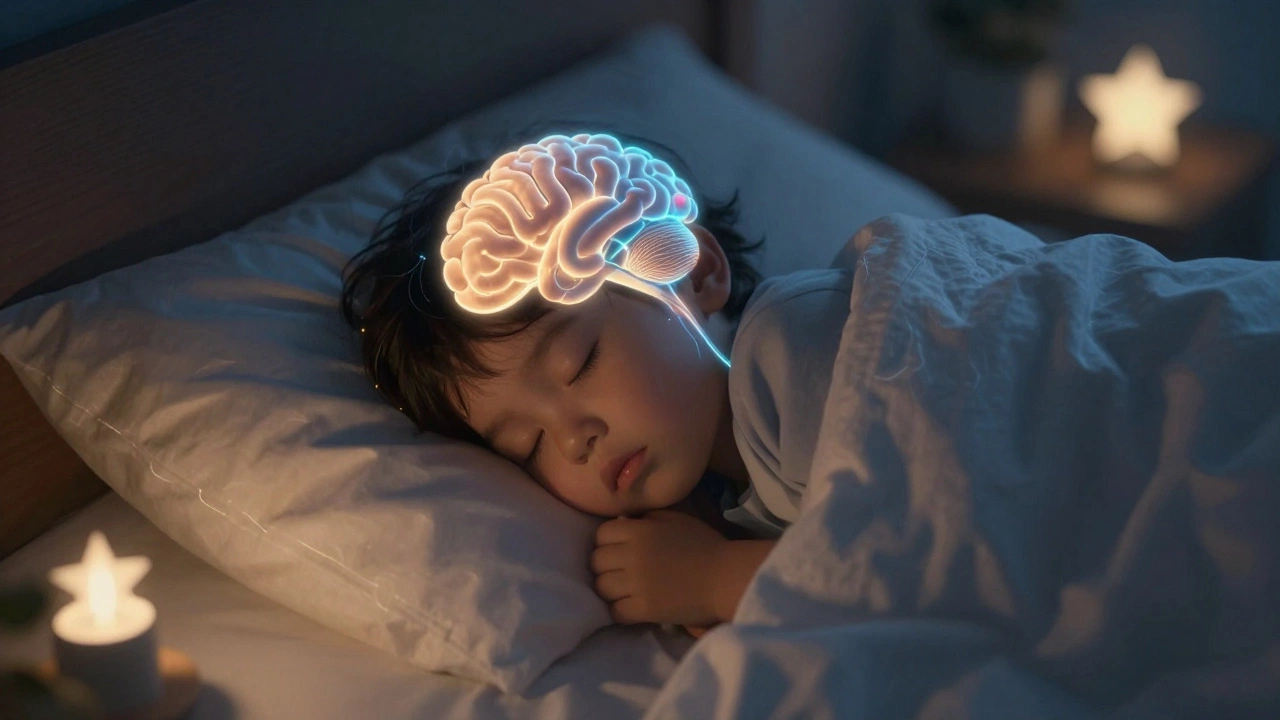
Studies using fMRI scans show that when babies hold a familiar blanket, the same areas of the brain light up as when they’re held by a parent: the amygdala (which handles fear), the hippocampus (memory), and the prefrontal cortex (emotional regulation). The blanket acts like a sensory anchor. It’s not about the material. It’s about consistency. The same texture, the same weight, the same smell. That predictability tells the baby’s brain: you’re still safe.
Why Blankets? Not Just Any Toy
Why do babies pick blankets over plush toys? It’s simple: blankets move with them. A stuffed bear stays still. A blanket drapes over their chest, wraps around their arms, tucks into their side. It’s responsive. It’s part of their body. That tactile feedback - the gentle pressure, the soft resistance - mimics the feeling of being held. This is called deep pressure stimulation, and it’s been shown to lower cortisol levels, slow heart rate, and reduce crying in infants.
Unlike toys with bright lights or sounds, blankets don’t overstimulate. Babies are overwhelmed by too much input. A blanket doesn’t demand attention. It just… is. That’s why it’s the most common comfort object across cultures. From Japan to Brazil, from rural villages to urban apartments, babies reach for fabric. It’s universal.
The Role of Smell and Touch
Smell is the most powerful sense in early development. Newborns can recognize their mother’s scent within hours of birth. That’s why a blanket that’s been near a parent - tucked into a shirt, laid on a pillow, or even just held during feeding - becomes so valuable. The faint trace of skin oils, laundry detergent, or breast milk creates a scent signature that says: you’re not alone.
Touch matters too. Babies are born with highly sensitive skin. The texture of a cotton blanket, the weave of a flannel, the slight fuzz of a fleece - these aren’t random. Soft, consistent textures activate the parasympathetic nervous system. That’s the part of your body that says: relax. That’s why a rough, scratchy blanket rarely becomes a favorite. It’s not comforting. It’s irritating.
One study from the University of California found that babies who slept with a familiar blanket had 30% fewer nighttime awakenings than those who didn’t. The blanket didn’t replace sleep training. It made sleep feel safer.
When Do Babies Start to Need This?
Most babies begin forming attachments to objects between 6 and 12 months. Before that, they’re too focused on learning how to move, eat, and recognize faces. Around 7 months, object permanence kicks in - they realize things exist even when out of sight. That’s when the blanket becomes more than a prop. It becomes a companion.
That’s also when separation anxiety peaks. A baby might scream when Mom leaves the room. But if that same baby has their blanket, the crying drops. The blanket becomes a stand-in for presence. It’s not a crutch. It’s a coping tool. And it’s perfectly normal. In fact, kids who form these attachments often develop better emotional regulation skills later on.
What Happens When the Blanket Gets Old?
By age 3 or 4, most children start letting go. But it’s not because they outgrow the need. It’s because they’ve built other ways to feel safe - friendships, routines, words to express fear. The blanket served its purpose. It helped them transition from total dependence to growing independence.
Some kids hold on longer. That’s okay too. There’s no timeline. A 5-year-old who still sleeps with a blanket isn’t behind. They’re just using what works. Forcing them to give it up can backfire. It’s like telling a toddler to stop crying when they’re scared - it doesn’t teach them to be brave. It teaches them they’re not safe expressing fear.
Parents often panic when the blanket gets dirty, torn, or smells bad. But replacing it? That’s risky. Even a nearly identical blanket can trigger a meltdown. Why? Because the attachment isn’t to the fabric. It’s to the history. The sweat. The drool. The 147 nights it was held during storms. That’s not something you can buy.
What Should Parents Do?
Don’t take it away. Don’t hide it. Don’t wash it every day. Here’s what actually helps:
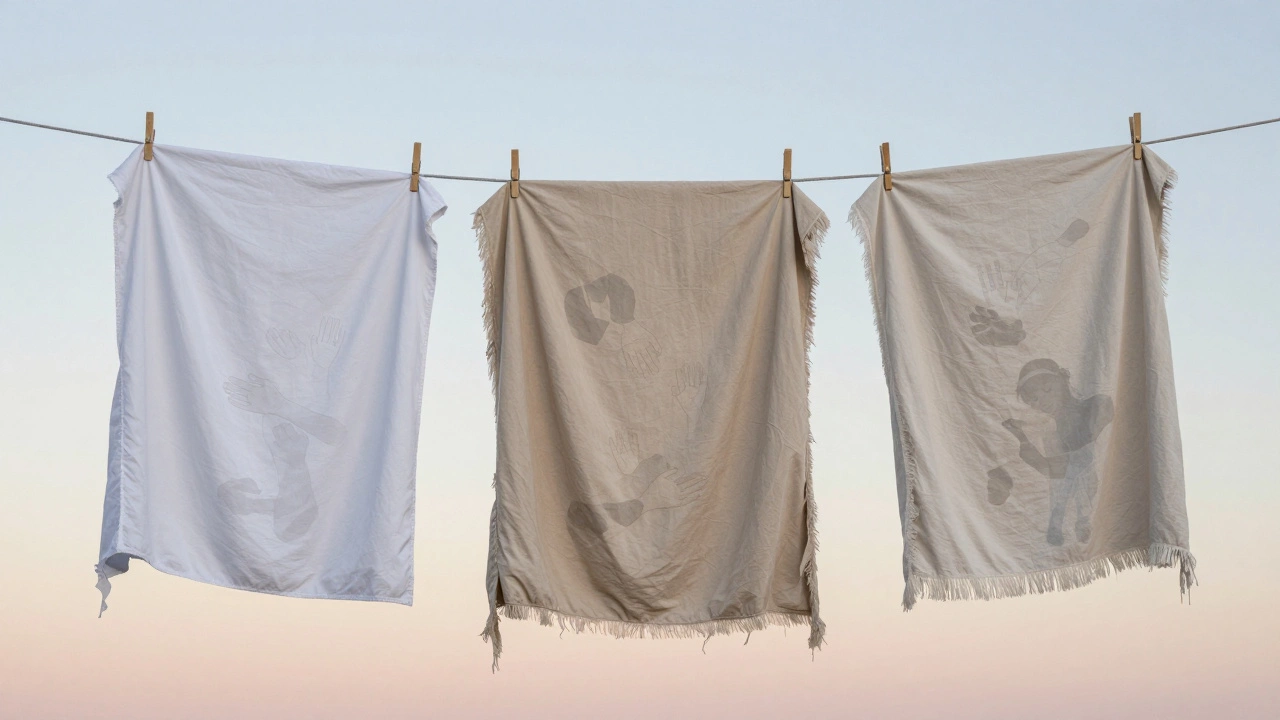
- Have a backup. Buy two identical blankets from the start. Rotate them so they wear evenly. If one gets lost, you’ve got a twin.
- Wash it gently. Use fragrance-free detergent. Avoid fabric softeners - they change the texture. Air dry if you can.
- Let them sleep with it. Even at daycare or grandma’s house. Consistency builds trust.
- Don’t shame it. Saying “you’re too big for that” doesn’t help. Saying “I know it’s your favorite” does.
Some parents try to wean their child off by cutting the blanket in half. That’s a myth. It doesn’t reduce attachment. It creates trauma. The child isn’t attached to the size. They’re attached to the feeling.
Blankets as Emotional Tools
Think of a baby blanket not as a piece of cloth, but as an emotional tool. It’s the first thing a child chooses for themselves. No adult picked it. No store advertised it. The baby decided. That’s powerful. It’s their first act of self-soothing. That’s why psychologists call it a milestone.
It’s also why many adults still keep their childhood blanket. Not because they’re childish. But because it reminds them of a time when the world felt quiet, warm, and safe. That’s not nostalgia. That’s memory encoded in texture and scent.
The psychology behind baby blankets isn’t complicated. It’s deeply human. We all need to feel safe. Babies just do it in the most honest way - by holding on to something soft.
Why do babies get so attached to one specific blanket?
Babies attach to one blanket because it’s consistent - same texture, weight, smell, and feel. Unlike toys, blankets move with them and provide deep pressure, which calms their nervous system. The blanket becomes a sensory anchor tied to safety and comfort, especially when caregivers are away.
Is it normal for a toddler to sleep with a blanket every night?
Yes, it’s completely normal. Many toddlers rely on a blanket for emotional regulation. Research shows children with comfort objects sleep more soundly and handle transitions better. It’s a sign of healthy development, not dependency.
Can a baby be too attached to a blanket?
There’s no such thing as being "too attached" during infancy or toddlerhood. Attachment to a comfort object is a natural part of emotional growth. Forcing a child to give it up can increase anxiety. Let them lead the way - they’ll naturally outgrow it when they’ve built other coping skills.
What’s the best fabric for a baby blanket?
Soft, breathable cotton is ideal. Flannel works well for colder months, while muslin is great for year-round use. Avoid synthetic blends that trap heat or cause static. Look for organic, untreated fabrics without dyes or fragrances - these reduce skin irritation and preserve the blanket’s natural feel.
Should I wash the baby blanket every day?
No. Washing it daily removes the familiar scent that makes it comforting. Wash it every 3-5 days with gentle, fragrance-free detergent. Air drying helps preserve texture. If it’s used for sleep, keep one clean and one in use so you can rotate.
What if I lose the baby blanket?
Losing the blanket can be very distressing for a child. If you have a backup, use it immediately. If not, try to find an identical one - same size, fabric, and color. Don’t replace it with something new. The child isn’t attached to the blanket itself - they’re attached to what it represents. A new one won’t have the same history.
What Comes After the Blanket?
When a child outgrows the blanket, they don’t lose their need for comfort. They just find new ways to meet it. Maybe it’s a favorite book they read before bed. Or a nightlight shaped like a star. Or a ritual - singing the same song, hugging a pillow, whispering goodnight to the moon.
The blanket was never about the fabric. It was about the feeling. And that feeling? That’s the real gift.