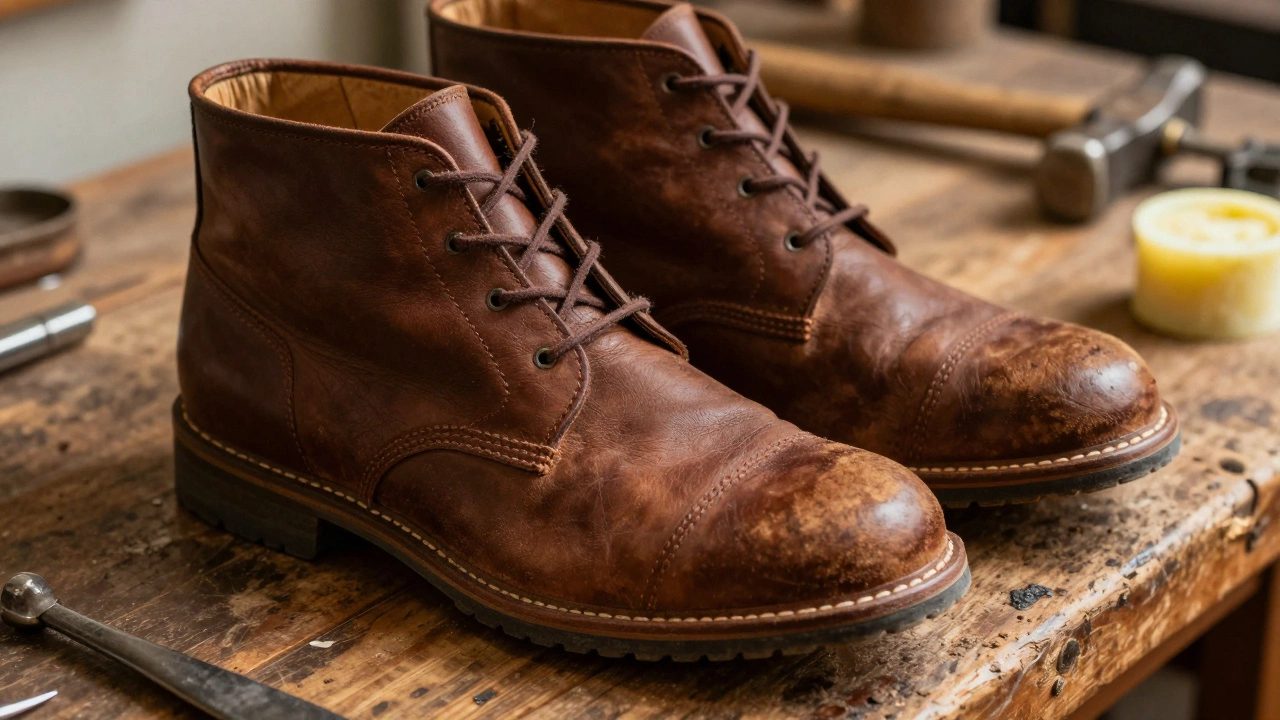
Leather Shoe Brand Selector
Select one or more brands below to see detailed comparisons based on construction quality, price range, durability, comfort, and best use cases.
Clarks
Budget$80 - $150
Cemented / StitchdownCasual daily wear
Allen Edmonds
Best Value$300 - $450
Goodyear WeltOffice & formal events
Alden
Premium$500 - $900+
Hand-Welted / Moc ToeHeritage enthusiasts
Ecco
Comfort$200 - $350
Direct AttachAll-day comfort
John Lobb
Luxury$1,000 - $2,500+
Hand-Stitched WeltLuxury & tailoring
Rockport
Budget$100 - $180
Athletic-Tech HybridStanding all day
No Brands Selected
Choose one or more brands from the cards above to see their detailed specifications, pros, cons, and expert recommendations.
You’ve probably stood in a store aisle or scrolled through online listings wondering: which brand actually makes the best leather shoes? It’s not just about looking good. You want a pair that lasts years, molds to your feet, and doesn’t break the bank-or does it? The truth is, “best” depends entirely on what you’re willing to pay and how you plan to wear them.
Some brands focus on rugged durability for work boots, while others prioritize sleek aesthetics for office settings. If you buy cheap leather shoes expecting them to last five years, you’ll be disappointed. But if you spend thousands on a pair you only wear twice a year, that’s also a waste. Let’s cut through the noise and look at the top contenders across different price points and styles so you can make a smart choice.
The Quick Take: Who Wins Where?
- Budget-Friendly: Clarks offers reliable comfort without the high price tag.
- Best Value for Money: Allen Edmonds provides Goodyear welted construction at mid-range prices.
- Premium Heritage: Alden delivers unmatched craftsmanship for those who appreciate bespoke-like quality.
- Modern Comfort: Ecco combines style with ergonomic technology for all-day wear.
- Luxury Aesthetics: John Lobb sits at the top for pure elegance and status.
| Brand | Avg. Price Range (USD) | Construction Method | Best For |
|---|---|---|---|
| Clarks | $80 - $150 | Cemented / Stitchdown | Casual daily wear |
| Allen Edmonds | $300 - $450 | Goodyear Welt | Office & formal events |
| Alden | $500 - $900+ | Moc Toe / Hand-Welted | Heritage enthusiasts |
| Ecco | $200 - $350 | Direct Attach | All-day comfort |
| John Lobb | $1,000 - $2,500+ | Hand-Stitched Welt | Luxury & tailoring |
Why Construction Matters More Than Brand Name
Before picking a brand, you need to understand one thing: how the shoe is built. This determines longevity far more than the logo on the side. Most budget shoes use cemented construction, where glue holds the sole to the upper. Once the glue fails, the shoe is trash. You can’t resole it easily.
In contrast, premium brands use Goodyear welting. This involves stitching a strip of leather (the welt) around the edge of the shoe, then attaching the sole to that welt. Why does this matter? Because when the sole wears out, a cobbler can stitch on a new one. The upper part of the shoe remains intact. A well-made Goodyear welted shoe can last 10 to 20 years with proper care. That’s why brands like Allen Edmonds and Church’s command higher prices-they offer repairability.
If you’re buying for heavy daily use, look for Blake stitching or hand-welting. Blake stitching creates a thinner, more flexible sole, ideal for dress shoes. Hand-welting, used by brands like Alden, offers maximum durability but costs significantly more. Don’t ignore this detail-it’s the biggest factor in whether your investment pays off.
Budget Champions: Getting Quality Under $150
You don’t need to spend hundreds to get decent leather shoes. Clarks dominates this space. Their Desert Boot, originally designed in the 1950s, remains a staple because it balances style and affordability. Clarks uses genuine leather uppers and rubber soles that provide good traction. While they aren’t resoleable like high-end models, many users report getting three to five years of regular wear from a single pair.
Another strong contender is Rockport. They integrate athletic shoe technology into leather designs, offering cushioned insoles and flexible soles. If you stand all day or walk long distances, Rockport’s Total Motion line reduces foot fatigue better than traditional stiff leather shoes. Just remember: these are comfort-first shoes, not heritage investments.
Avoid ultra-cheap options under $60 unless they’re for occasional special occasions. Thin leather, synthetic linings, and poor adhesives mean they’ll fall apart quickly. Save up slightly for Clarks or similar mid-tier brands-you’ll thank yourself later.
The Mid-Range Sweet Spot: 0-0
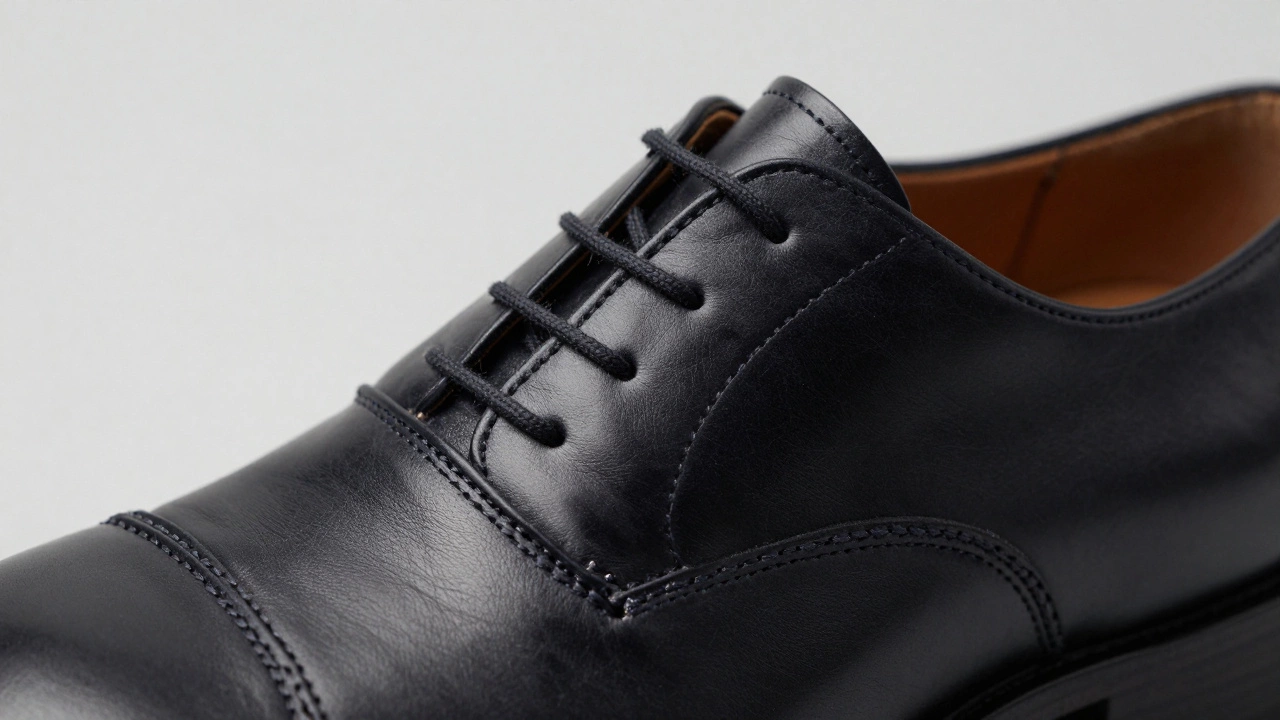
This is where most serious buyers find the best value. Allen Edmonds leads here. Based in Milwaukee, Wisconsin, they’ve been making Goodyear welted shoes since 1922. Their Park Avenue oxford is iconic-clean lines, sturdy build, and widely available sizes. Plus, their factory offers free repairs for life on certain components, which adds immense long-term value.
Florsheim also operates in this range, often using Blake rapid construction for lighter, more flexible dress shoes. If you prefer a slimmer profile for suits, Florsheim is a solid alternative. Meanwhile, Loake from London brings British craftsmanship to American markets, offering excellent 100% calf leather options at competitive prices.
At this price point, you’re paying for materials and labor that ensure structure. The leather breathes better, the shape holds up after months of wear, and you avoid the constant replacement cycle of cheaper brands. If you wear leather shoes to work four days a week, this is the logical entry point.
Premium Heritage: When Craftsmanship Justifies the Cost
Once you cross $500, you enter the realm of heritage and artisanal production. Alden stands out here. Founded in 1884 in Maine, Alden uses exotic leathers and traditional techniques like hand-molding. Their moc-toe silhouettes are instantly recognizable and age beautifully. Many owners report that Alden shoes improve with time, developing a unique patina that reflects personal use.
Carmina from Spain offers another premium option. Known for elegant lasts and refined finishes, Carmina appeals to those who value subtle sophistication over bold statements. Their pricing aligns with other European luxury makers, but the attention to detail-from hand-burnished edges to precise stitching-justifies the cost for discerning buyers.
If you’re considering these brands, ask yourself: do I have the patience to break them in? High-quality leather requires time to soften. Wearing new Aldens for a full day immediately might cause blisters. Plan for a gradual introduction: start with two-hour sessions, increase duration weekly. Proper breaking-in extends the life of the shoe and ensures a perfect fit.
Luxury Tier: Beyond Functionality
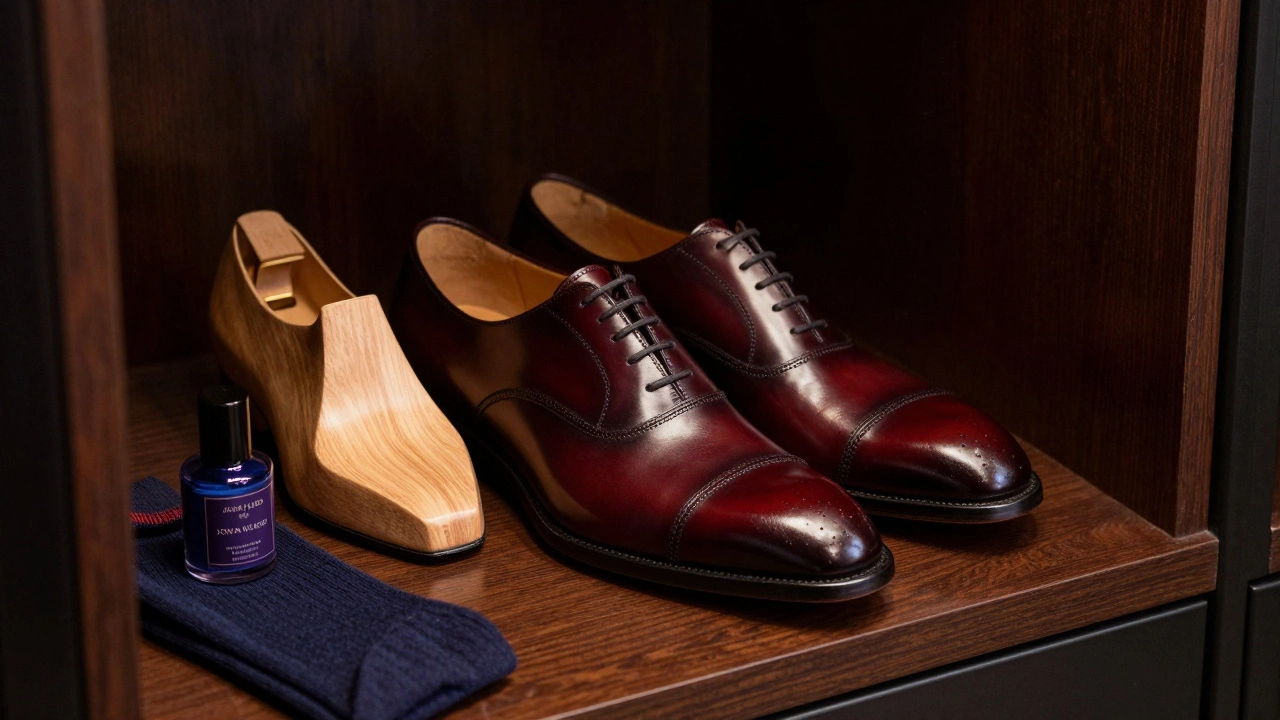
For some, leather shoes are an expression of identity. John Lobb, acquired by Hermès, represents the pinnacle of ready-to-wear luxury. Prices start around $1,200 and climb rapidly. These shoes feature hand-stitched welts, calfskin sourced from Italy, and meticulous finishing. They’re not just footwear; they’re accessories that complement tailored suits and convey status.
Grenson and Cheaney occupy a similar tier, blending British tradition with modern design. Grenson’s Chelsea boots, for example, combine classic silhouette with contemporary materials. If you attend high-profile events regularly or work in industries where appearance signals credibility, these brands deliver.
However, luxury comes with trade-offs. Maintenance becomes critical. You must clean, polish, and store these shoes properly. Neglect leads to cracked leather and ruined shapes. Consider investing in cedar shoe trees and quality polishing kits if you choose this path.
How to Choose Based on Your Lifestyle
Your daily routine dictates the right brand. Are you walking miles on concrete? Prioritize comfort and support. Ecco excels here with its Direct Attach construction and soft leather uppers. No stiff break-in period means you can wear them straight out of the box.
Do you sit at a desk most of the day? Focus on aesthetics and formality. Allen Edmonds or Church’s provide sharp looks that enhance professional attire. Their structured toes maintain shape even after hours of sitting.
Living in a rainy climate? Avoid suede and opt for waterproof-treated leather. Brands like Danner specialize in weather-resistant boots suitable for outdoor conditions. Apply protector sprays regularly to maintain water resistance.
Travel frequently? Pack lightweight, versatile styles. Cole Haan merges sneaker comfort with leather upper design, making them ideal for airport walks and casual business meetings. Sacrifice some durability for convenience when mobility matters most.
Caring for Your Investment
No matter the brand, neglect shortens lifespan. Rotate your shoes-never wear the same pair two days in a row. Leather needs 24 hours to dry out internally. Use shoe trees made of cedar to absorb moisture and preserve shape. Clean dirt promptly with a damp cloth, then apply conditioner every few months to prevent cracking.
If heels wear unevenly, visit a cobbler early. Replacing worn parts prevents damage to the rest of the shoe. Regular maintenance keeps even mid-range shoes looking sharp for years. Treat your footwear as an asset, not disposable clothing.
What is the most durable leather shoe brand?
Alden and Allen Edmonds rank highest for durability due to Goodyear welting and high-grade leather. With proper care, these shoes can last over a decade.
Are expensive leather shoes worth it?
Yes, if you value longevity and repairability. Premium brands allow resoling, extending usable life significantly. Cheaper alternatives often require full replacement sooner, costing more over time.
Which brand offers the best comfort for standing all day?
Ecco and Rockport lead in comfort thanks to ergonomic designs and cushioned interiors. Both reduce foot strain during prolonged standing.
Can I resole any leather shoe?
Only shoes with stitched constructions like Goodyear welt or Blake stitch can be reliably resoled. Cemented shoes glued together cannot be repaired effectively once the adhesive fails.
How do I know if my leather shoes fit properly?
Your heel should stay in place without slipping. There should be slight room ahead of your longest toe. Sides shouldn’t pinch. Break-in discomfort differs from pain-if it hurts sharply, the size or shape is wrong.
Is handmade leather always better?
Not necessarily. Machine-assisted processes can achieve consistent quality efficiently. Handmade implies artisanal touch but doesn’t guarantee superior materials or design. Evaluate construction method and leather grade instead.
Where should I buy authentic branded leather shoes?
Purchase directly from brand websites, authorized retailers, or reputable department stores. Avoid third-party marketplaces unless seller authenticity is verified to prevent counterfeit products.