Vintage Crib Safety Inspector
Answer these questions about your crib to determine if it meets current safety standards.
Safety Analysis
Fill out the form to check if your vintage crib is safe for use.
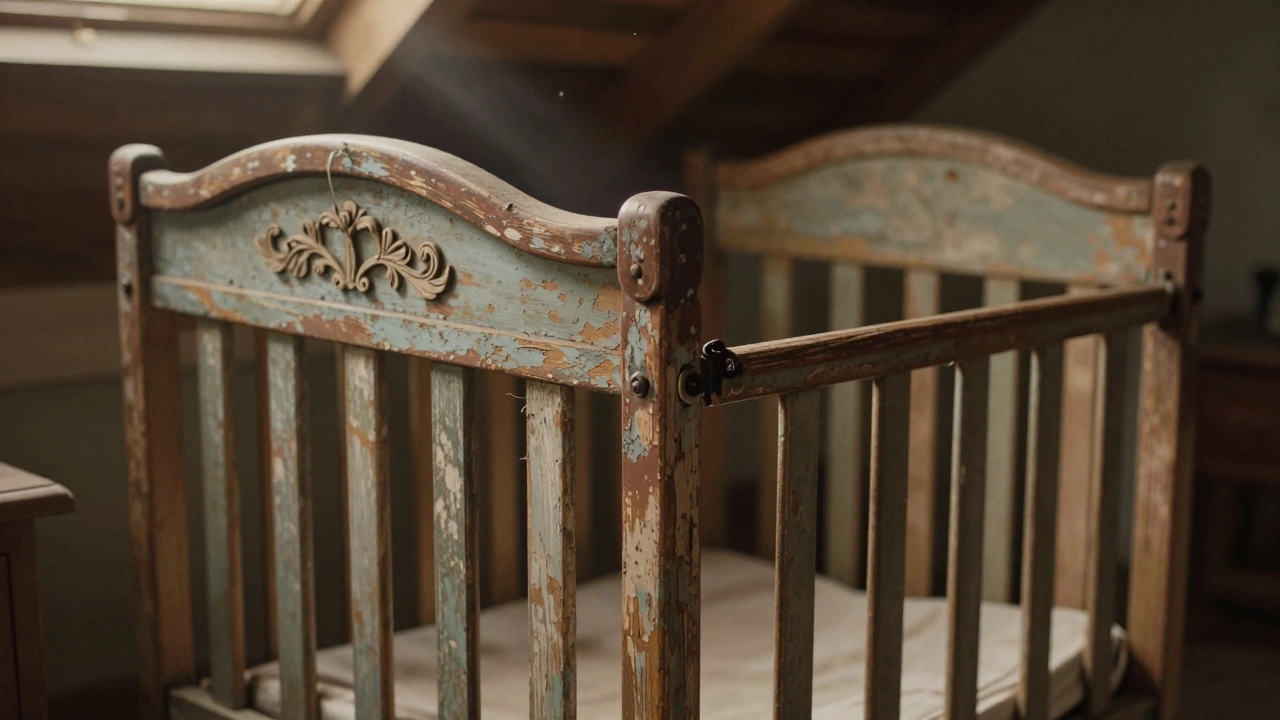
You found that beautiful vintage crib at a garage sale or in your attic. It’s solid wood, has intricate carvings, and costs nothing compared to a new model. But before you put your newborn in it, you need to ask the hard question: is a crib that is 25 years old actually safe for your baby?
The short answer is usually no. A crib from 2001 was built under completely different safety regulations than what we require today. While some older cribs might look sturdy, they often lack critical design features that prevent suffocation, entrapment, and falls. Using outdated nursery furniture puts your child at risk for injuries that modern standards were specifically designed to eliminate.
How Crib Safety Standards Have Changed
To understand why age matters, you have to look at how regulations have evolved. In Australia, the standard AS/NZS 2088 is the mandatory safety standard for infant cots has been updated multiple times since the late 1990s. Similar shifts happened globally with the Consumer Product Safety Improvement Act (CPSIA) in the United States.
In 2001, many cribs still featured "drop-side" rails. These allowed parents to lower one side of the crib to place a baby inside more easily. However, investigations revealed that these mechanisms frequently failed. Gaps could form between the mattress and the rail, trapping babies and leading to suffocation. As a result, drop-side cribs were banned in many countries by the early 2010s. If your 25-year-old crib has a moving side panel, it is unsafe and should be discarded immediately.
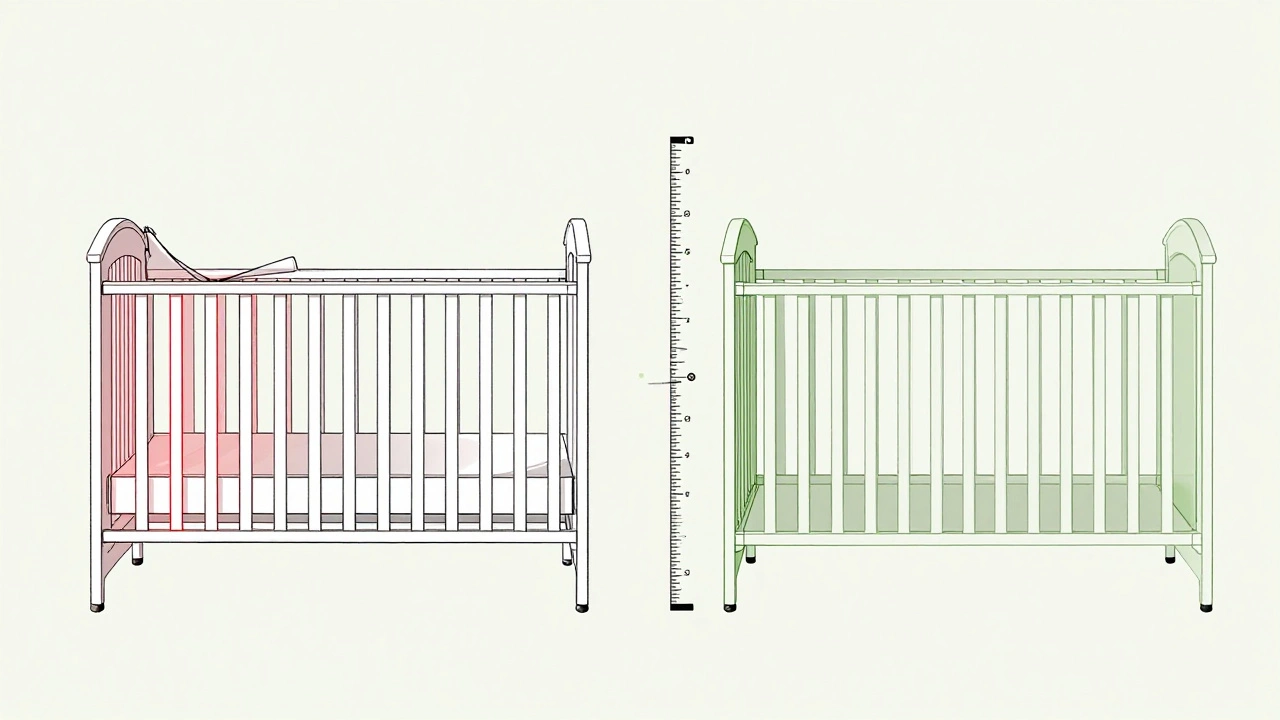
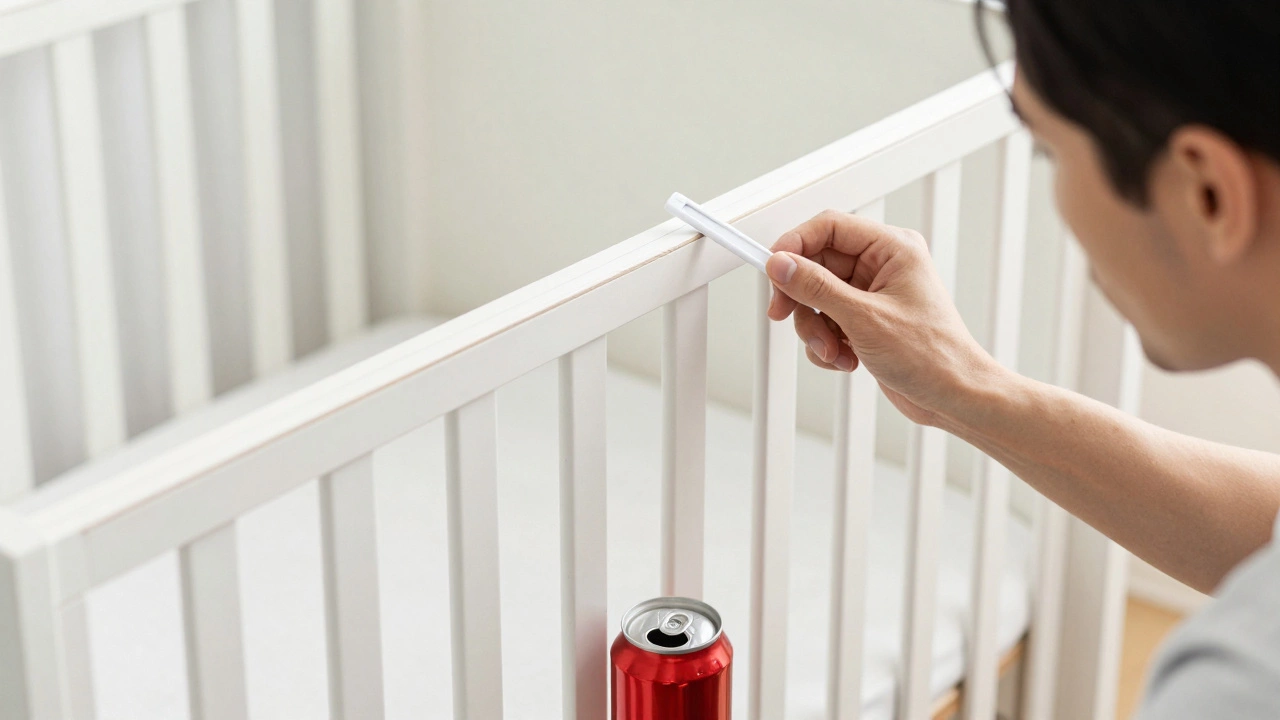
Beyond the drop-side issue, slat spacing changed. Older cribs sometimes had wider gaps between the vertical bars. Modern standards require slats to be no more than 2 3/8 inches (about 6 cm) apart. This specific measurement prevents a baby’s head from getting stuck between the bars while allowing enough airflow. If you can fit a soda can or a rolled-up newspaper through the slats, the spacing is too wide.
Hidden Dangers in Antique and Vintage Cribs
Even if an older crib doesn’t have a drop-side, it may harbor other serious risks. One major concern is lead paint. Before strict bans on lead-based paints in household goods, many wooden cribs were finished with bright, colorful coatings containing high levels of lead. Babies explore the world by mouthing objects. If your child chews on the crib rails, they could ingest lead dust or flakes, causing permanent neurological damage.
- Lead Paint Test: You can buy inexpensive lead test kits at hardware stores. Swipe them across the crib’s surface, especially around joints and carved details. If the swab turns pink, do not use the crib.
- Structural Integrity: Wood dries out and weakens over decades. Check for loose screws, wobbly legs, or cracked joints. A crib must be rigid; any movement indicates failure.
- Hardware Issues: Older cribs may use small decorative knobs or screws that can pop off and become choking hazards. Modern cribs use recessed hardware or large, secure fasteners.
Another subtle danger involves the mattress fit. Older cribs often had irregular internal dimensions. Today, the mattress must fit snugly so that no more than two fingers can fit between the mattress and the crib wall. A gap larger than this creates a suffocation risk if the baby rolls into the space.
Checking Your Old Crib: A Step-by-Step Guide
If you are determined to evaluate a hand-me-down crib, follow this rigorous inspection process. Do not skip any steps.
- Identify the Manufacturer and Date: Look for a label inside the crib. If it lacks a manufacturer’s name, model number, or date, assume it is non-compliant and discard it.
- Check for Recalls: Search the product name and model number on government safety websites like the Australian Competition and Consumer Commission (ACCC) recall database or the U.S. CPSC website. Many older models were recalled for defects that were never fixed by owners.
- Inspect the Slats: Measure the distance between slats. Ensure there are no broken or missing slats. Broken slats create jagged edges and uneven gaps.
- Test the Hardware: Shake the crib vigorously. Listen for rattling. Tighten every screw and bolt. If parts feel loose even after tightening, the threads may be stripped, making the crib unsafe.
- Examine the Finish: Look for peeling, chipping, or flaking paint. Even if it’s not lead, sharp wood splinters from worn finishes can injure your baby.
If the crib fails any of these checks, it is not worth the risk. The cost of a new, certified crib is far less than the potential medical bills or emotional trauma from an accident.
Why Modern Cribs Are Worth the Investment
New cribs meet current Safety Standards are regulations that ensure products meet minimum safety requirements. They are tested for stability, toxicity, and mechanical failure. When you buy a new crib, you are paying for engineering that has been refined to protect infants during their most vulnerable months.
Modern designs also offer better functionality. Many now include adjustable mattress heights, which allow you to lower the sleeping surface as your baby grows and becomes more mobile. This reduces the risk of the baby climbing out. Additionally, newer materials are often treated with non-toxic, water-based finishes that resist mold and bacteria better than old oil-based varnishes.
| Feature | 25-Year-Old Crib (Pre-2001) | Modern Crib (Post-2011) |
|---|---|---|
| Sides | Often drop-side (banned) | Fixed sides only |
| Slat Spacing | Variable, often too wide | Max 2 3/8 inches (6 cm) |
| Paint/Finish | Potential lead content | Non-toxic, low-VOC |
| Hardware | Exposed, small screws | Recessed, secure fasteners |
| Mattress Fit | Often loose | Snug, <2 finger gap |
Alternatives to Using an Old Crib
If you cannot afford a brand-new crib, there are safer alternatives to using a 25-year-old sleeper. Consider buying a gently used crib from a trusted source where you can verify its history. Ask the seller when they bought it and why they are selling it. Insist on seeing the original manual or labels.
Second-hand shops and consignment stores often vet their inventory for safety recalls. Some organizations donate cribs to families in need, ensuring they meet current standards. Another option is a mini-crib or bassinet, which are often cheaper new and still provide a safe sleep environment for the first few months.
Remember, safe sleep practices also involve keeping the crib bare. No pillows, blankets, bumper pads, or stuffed animals should go into the crib, regardless of its age. These items increase the risk of Sudden Infant Death Syndrome (SIDS). A fitted sheet on a firm mattress is all your baby needs.
Can I repaint an old crib to make it safe?
Repainting does not fix structural issues like loose hardware or wide slat spacing. If the crib has lead paint, sanding or painting over it can release toxic dust. Only repaint if the crib passes all other safety checks and you use certified lead-safe preparation methods and non-toxic paint. However, repainting alone does not make an otherwise unsafe crib compliant.
What if my grandparent’s crib looks perfectly fine?
Appearance is misleading. A crib can look sturdy but still have hidden defects like weakened joints or lead paint. Without certification that it meets current safety standards, it is risky. The best approach is to treat any crib older than 10 years with extreme caution and prefer newer models.
Are drop-side cribs ever safe to use?
No. Drop-side cribs have been linked to numerous infant deaths due to entrapment and suffocation. They are banned in many countries. Even if the mechanism seems to work, wear and tear can cause sudden failure. Dispose of drop-side cribs responsibly; do not resell or give them away.
How do I check for lead paint without a kit?
You cannot reliably detect lead with your eyes. Lead paint can be any color. If the crib was made before 1978 (in the US) or before strict bans in your country, assume it contains lead until proven otherwise by a professional test or a certified home inspection service.
Is it okay to use a crib that is 5 years old?
A 5-year-old crib is generally safer than a 25-year-old one, as it likely meets more recent standards. However, you should still inspect it for damage, loose hardware, and recall status. Always ensure the mattress fits snugly and there are no broken parts.