Crib Safety & Legality Checker
Enter the details of your crib below to check its safety status and legal compliance for selling.
Assessment Results
Checking...Safety Findings:
Recommendation
You’re cleaning out the garage and spot a sturdy wooden crib from your first child’s nursery. It looks great, maybe even better than the new ones in stores. But before you hand it to your friend who just had a baby, or try to sell it online, a nagging question pops up: are old cribs illegal? The short answer is no, owning an old crib isn’t a crime. However, selling one that doesn’t meet current federal safety standards can get you into serious legal trouble, especially if it causes harm.
This distinction between "illegal to own" and "illegal to sell" trips up a lot of parents. You might think that because a product was recalled years ago, it’s radioactive with liability. It’s not. But the Consumer Product Safety Commission (CPSC) has strict rules about what you can put on the market. If you’re a parent looking to save money by buying used, or a seller trying to declutter, understanding these rules protects both your wallet and your baby’s life.
The Core Legal Distinction: Ownership vs. Sale
Let’s clear up the biggest misconception right away. There is no law that says you must throw away a crib just because it’s older than ten years. If you inherited a crib from your grandmother, or bought one at a garage sale five years ago, you are legally allowed to keep it in your home. You can use it for your child, provided you do your own due diligence on its condition.
Where the law kicks in is when you become a seller. Under the CPSIA (Consumer Product Safety Improvement Act), manufacturers and retailers cannot sell children’s products that fail to meet current safety standards. This includes drop-side cribs, which were banned entirely in 2011. If you are a business-like a thrift store or a consignment shop-you generally cannot sell a crib manufactured before June 28, 2011, unless it has been specifically re-certified to meet the newer ASTM F1169 standard. For private individuals selling on platforms like Facebook Marketplace or Craigslist, the rules are slightly looser but still risky. While you aren’t subject to the same strict retail compliance checks, you can still be held liable under negligence laws if you sell a dangerous item without disclosing known defects.
Why 2011 Was the Crib Industry’s Turning Point
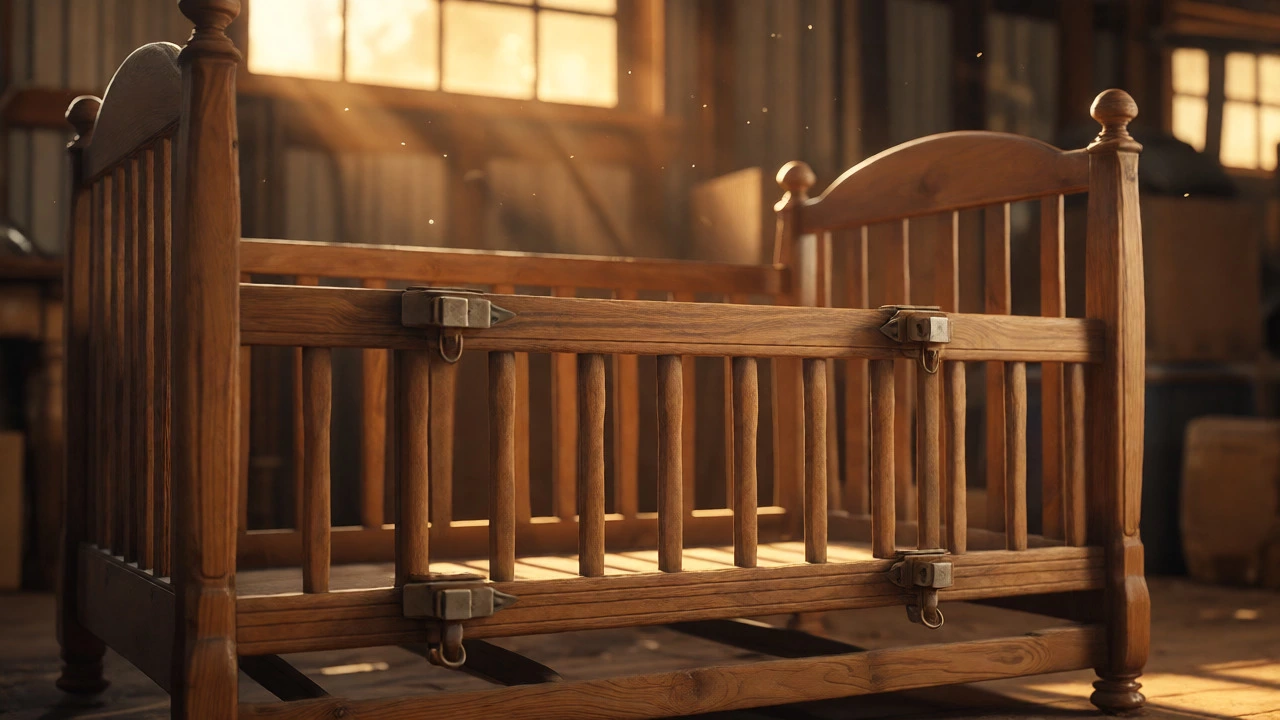
To understand why age matters, you have to look at the drop-side crib. These were the standard for decades because they made it easier for parents to lower the mattress side while keeping the other side up. Sounds convenient, right? Wrong. Between 2000 and 2010, more than 32 infant deaths were linked to drop-side mechanisms failing. The hardware would break, or the side would detach, creating a gap where a baby could slip their head through and suffocate.
In response, the CPSC issued a ban on the manufacture, sale, and resale of drop-side cribs effective June 28, 2011. This wasn’t just a suggestion; it was a federal mandate. Any crib sold after this date must have fixed sides. So, if you see a crib with a side that lowers independently of the others, check the manufacturing date. If it’s pre-2011, it’s likely a drop-side model. Even if it looks fine, the internal springs and latches may have fatigued over time, making them unpredictable.
Current Federal Safety Standards Explained
If you’re shopping for a used crib today, you need to know what "safe" actually means according to the government. The current standard is ASTM F1169, which replaced the older ASTM F1169-10 standard. Here is what you need to check physically on the crib:
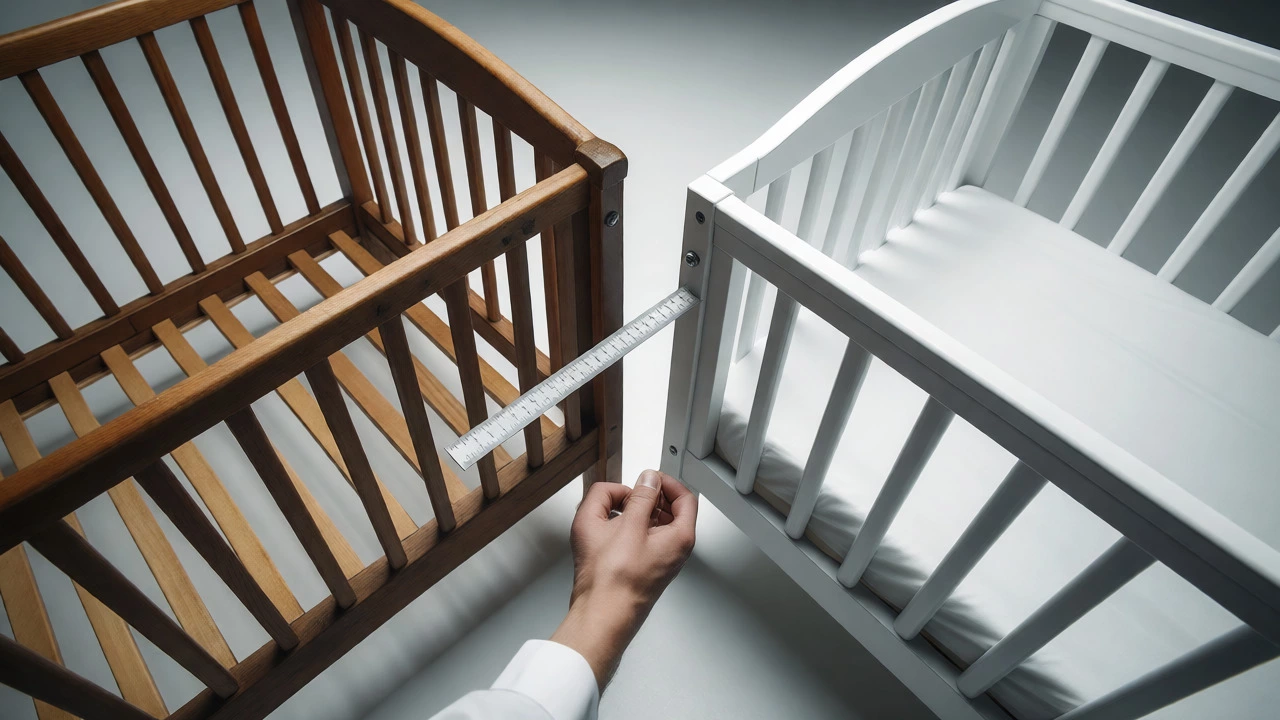
- Slat Spacing: The distance between slats must be no wider than 2 3/8 inches (about 6 centimeters). Why this specific number? Because it prevents an infant’s head from fitting through the gaps. Use a ruler. If you can fit a soda can between the slats, it’s too wide.
- Corner Posts: Older cribs often had tall decorative corner posts. Current standards limit these to 1/16 inch (1.5 millimeters) or less. Tall posts can catch a baby’s clothing or blanket, leading to strangulation hazards.
- Mattress Fit: The mattress must fit snugly. You should not be able to fit more than two fingers between the mattress and the crib frame. Gaps larger than this can trap a baby’s limbs or face.
- Hardware Integrity: All screws, bolts, and brackets must be original or exact replacements. Never mix hardware from different sets. If a bolt is stripped or missing, replace it with the manufacturer’s specified part, not a generic one from the hardware store.
Recalls: How to Check Your Specific Model
Just because a crib meets general dimensions doesn’t mean it’s safe. Specific models get recalled for unique design flaws. A crib might have been built in 2015, well after the drop-side ban, but still be recalled due to lead paint or structural weaknesses. Before using any secondhand crib, you must check the recall list.
Go to the CPSC website or the Recalls.gov portal. You will need the brand name and the model number. The model number is usually printed on a sticker underneath the crib base or on the back rail. If you find your model listed as "recalled," stop immediately. Do not use it. Some recalls allow for repair kits, but many require disposal. If the recall notice says "stop use," throwing it away is the only safe option.
| Feature | Pre-2011 Cribs | Post-2011 Cribs | Risk Level |
|---|---|---|---|
| Side Mechanism | Often Drop-Side | Fixed Side Only | High (Drop-Side) |
| Corner Posts | Tall Decorative Posts | Flush or Minimal | Medium (Strangulation) |
| Slat Width | Varied (Check spacing) | Max 2 3/8 inches | High (if >2 3/8") |
| Finish | Potential Lead Paint | Lead-Free Certified | Medium (Toxicity) |
The Risks of Buying Secondhand
Buying a used crib saves money, but it comes with hidden risks that new buyers don’t face. Wood dries out and cracks over time. Joints loosen. Plastic parts become brittle. When you buy new, you get a warranty and a guarantee that the wood is fresh and the hardware is tight. With used, you inherit the wear and tear of previous owners.
One major issue is the lack of assembly instructions. Many modern cribs rely on specific torque settings for bolts. If you don’t have the manual, you might overtighten a screw and strip the wood, or under-tighten it and cause wobble. Also, consider the history. Did the previous owner modify the crib? Did they paint it with non-toxic paint? If the finish is chipping, it could contain lead, especially if the crib was made before 1978. Lead exposure is particularly dangerous for infants who chew on rails.
When Is It Actually Illegal to Sell?
For most people, selling a crib is a private transaction. But there are gray areas. If you are a "casual seller" selling one crib, you are generally expected to disclose known defects. If you sell a crib with broken slats and don’t mention it, and the buyer’s baby gets hurt, you could be sued for negligence.
However, if you are selling multiple cribs, or running a small business, you fall under commercial regulations. In this case, selling a crib that does not meet current CPSC standards is illegal. This means you cannot sell a drop-side crib, even if it’s in perfect condition. You also cannot sell a crib that lacks the required warning labels. These labels tell parents to keep the mattress firm and remove bulky bedding. Missing labels are a common reason for fines in commercial sales.
Practical Checklist for Parents Using Old Cribs
If you decide to keep an old crib, don’t just trust your eyes. Perform a rigorous inspection every few months. Wood moves with humidity changes. What was tight in summer might be loose in winter.
- Wiggle Test: Grab each side of the crib and shake it firmly. There should be zero movement. If it creaks or shifts, tighten all hardware.
- Visual Inspection: Look for cracks in the wood, especially near joints and corners. Hairline cracks are common; deep splits are deal-breakers.
- Hardware Audit: Ensure every screw is present and tight. Replace any rusted or stripped screws immediately with identical replacements.
- Mattress Check: Does the mattress sag? Is the cover torn? A worn-out mattress can create gaps even if the crib frame is perfect.
- Label Verification: Check for the permanent label with the manufacturer’s name, address, and date of manufacture. If it’s missing, you can’t verify recalls.
Can I donate an old crib to Goodwill?
Most large charity organizations like Goodwill will not accept drop-side cribs or cribs manufactured before 2011. They adhere to strict safety guidelines to avoid liability. Always call your local branch first. If they refuse it, you may need to dispose of it yourself rather than forcing a donation.
Is it safe to use a crib from 1995?
Generally, no. Cribs from 1995 likely feature drop-sides and tall corner posts, both of which pose significant strangulation and entrapment risks. Additionally, the paint may contain lead, and the wood structure may have degraded over 30+ years. Unless it has been professionally refurbished and tested, it is safer to choose a newer model.
Do I need to register my used crib?
Registration cards are typically found inside the packaging of new cribs. Used cribs rarely come with them. Without registration, you won’t receive automatic recall notifications. This makes it crucial to manually check the CPSC website periodically for recalls related to your specific brand and model.
What happens if I sell a recalled crib?
If you are a private individual, you might face social backlash or small claims court if the buyer is harmed. If you are a retailer, you can face substantial fines from the CPSC. Selling a product that has been officially recalled is a violation of federal consumer protection laws.
Are convertible cribs safer than standard ones?
Safety depends on compliance, not style. A convertible crib made in 2024 that meets ASTM F1169 is safe. A convertible crib made in 2005 with a drop-side mechanism is not. Always prioritize the manufacturing date and safety certifications over the feature set.