Summer Dress Heat Index Calculator
Select a dress color to estimate its heat absorption and comfort level based on solar radiation physics.
Selected Color
Category--
Comfort ScoreEver noticed how some people look effortlessly cool on a scorching July afternoon while others are visibly sweating through their clothes? It’s rarely just about the fabric. It’s about the color. When you’re picking out the best color dress for summer, you aren’t just choosing what looks pretty in a mirror; you’re making a thermodynamic decision that affects your comfort all day long.
The science is straightforward but often ignored by fast-fashion trends. Dark colors absorb solar radiation and convert it into heat, raising your skin temperature. Light colors reflect sunlight away from your body. But here’s the twist: it’s not just black versus white. The specific hue, the dye used, and even the weave of the fabric play massive roles. If you want to stay comfortable without sacrificing style, you need to understand which colors actually work against the sun and which ones trap it.
The Physics of Heat and Color
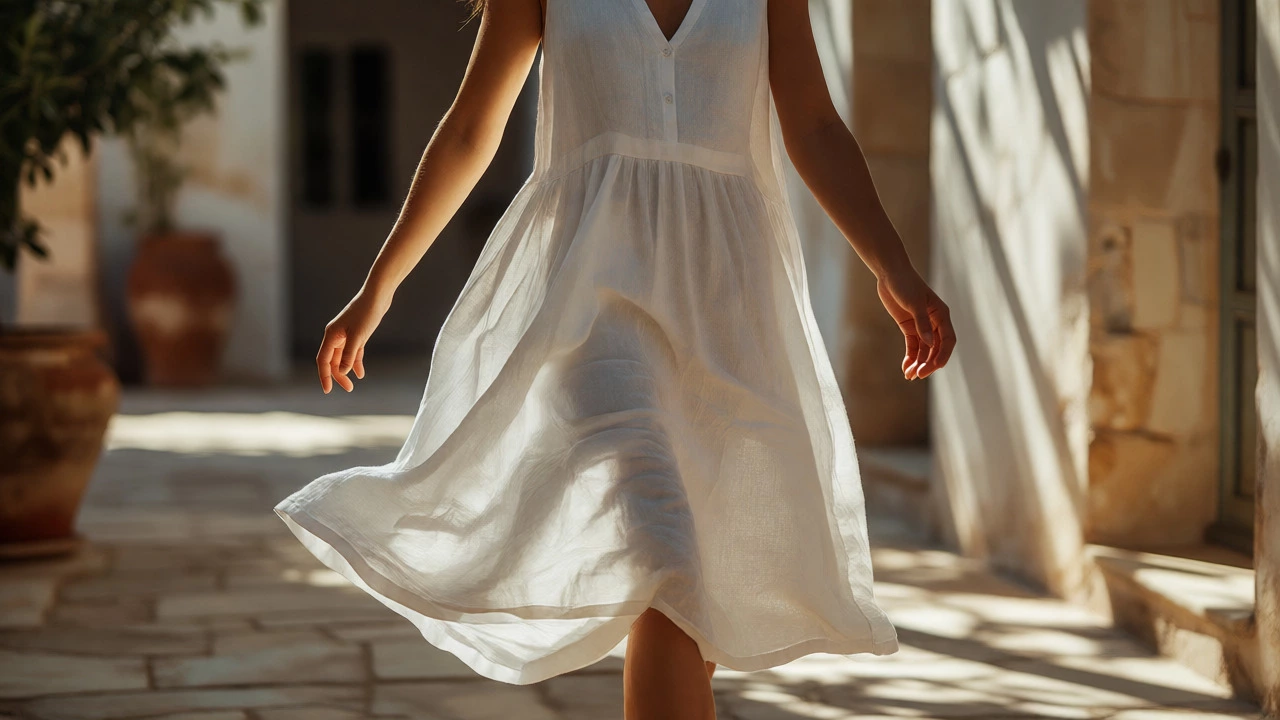
Let’s get the obvious out of the way first. White reflects all wavelengths of visible light. This means less energy hits your skin and gets converted into heat. That’s why traditional summer wear in hot climates like the Middle East or North Africa has always leaned heavily on whites and creams. It’s not just cultural; it’s survival engineering.
But does that mean you have to wear a bedsheet every day? Absolutely not. Pastels-soft blues, mint greens, pale yellows, and lavender-are nearly as effective as white because they reflect most of the light spectrum. They bounce back enough energy to keep you cooler than saturated hues. On the flip side, deep reds, navy blues, and blacks absorb significant amounts of infrared radiation. Wearing a jet-black maxi dress at noon in August isn’t just a fashion statement; it’s a sauna session.
| Color Category | Heat Absorption Level | Best For |
|---|---|---|
| White/Cream | Lowest | Peak sun hours (10 AM - 4 PM) |
| Pastels (Blue, Pink, Mint) | Low | All-day casual wear |
| Bright Neons | Moderate-High | Evenings or shaded areas |
| Earth Tones (Beige, Olive) | Moderate | Transitional seasons |
| Dark Colors (Black, Navy) | Highest | Nighttime or indoor events |
Beyond White: The Best Alternatives
If you find white too stark or high-maintenance (let’s face it, coffee stains are real), there are excellent alternatives that still reflect heat effectively. Light gray is often overlooked, but it sits right next to white in terms of reflectivity. It’s sophisticated, hides minor dust better than pure white, and pairs with almost anything.
Then there are pastels. A soft sky-blue dress feels visually cooling, which can psychologically lower your perceived temperature. Studies on color psychology suggest that cool tones like blue and green evoke feelings of calmness and freshness. While this doesn’t physically lower your body temp, it makes the heat feel more manageable. Plus, these colors photograph beautifully against natural summer backgrounds.
What about yellow? Pale lemon yellow is great for reflecting light. However, avoid mustard or gold if you’re outdoors during peak heat. Those deeper yellows lean toward orange and red on the spectrum, absorbing more heat. Stick to the lighter end of the yellow family if you want to stay cool.

The Fabric Factor: Why Cotton Beats Silk
You can wear the whitest dress imaginable, but if it’s made of polyester, you’ll still be miserable. Color matters, but breathability matters more. Summer dresses should allow air circulation to evaporate sweat. Synthetic fabrics like polyester, nylon, and acrylic trap heat and moisture against the skin, creating a greenhouse effect regardless of color.
Cotton is the gold standard for summer dresses. It’s natural, breathable, and absorbs moisture. Cotton allows air to pass through the fibers, helping your body regulate its temperature naturally. Linen is another top contender. It’s slightly rougher than cotton but dries faster and stays cooler in humid conditions. Rayon and viscose are also good options-they’re semi-synthetic but derived from wood pulp, offering a silky feel with decent breathability.
Avoid heavy silks unless they’re very lightweight chiffons. Satin silk tends to cling when you sweat, which defeats the purpose of a loose summer dress. Always check the care label. If it says "dry clean only" or lists high synthetic content, leave it on the rack.
Patterns and Prints: Do They Make You Hotter?
This is a common question: Does a floral print make you hotter than a solid color? Technically, yes, if the pattern contains dark elements. A white dress with small black polka dots will absorb slightly more heat than a plain white dress, but the difference is negligible for short periods. However, a busy print with large blocks of dark navy or forest green will act like a dark dress.
When choosing prints, look for light backgrounds. A floral dress on a cream base is much cooler than one on a black base. Also, consider the density of the print. Sparse patterns allow more light reflection than dense, all-over prints. If you love bold designs, opt for bright, vibrant colors like coral or turquoise rather than deep jewel tones. These brights reflect light well and add energy to your look without trapping excessive heat.
Skin Tone and Personal Style
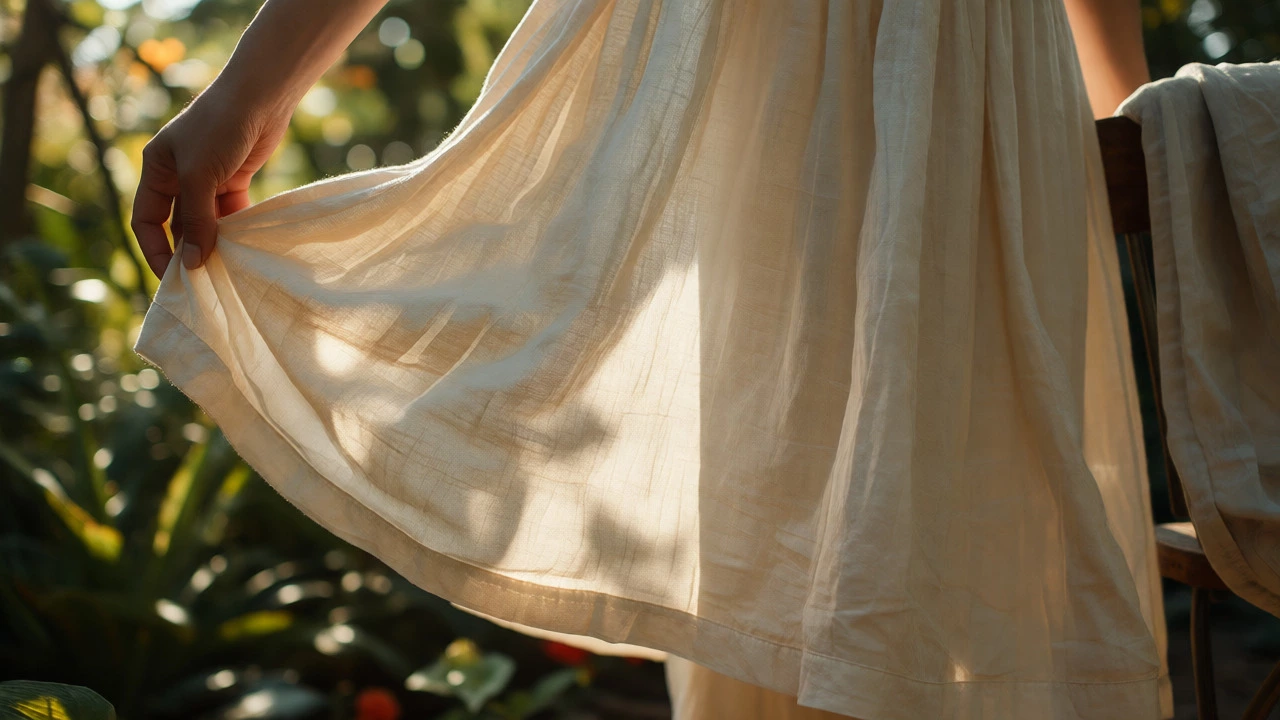
While physics dictates what keeps you cool, aesthetics dictate what makes you feel confident. Not everyone looks good in white. Some skin tones wash out against pure white, looking sickly rather than fresh. In those cases, off-white, ivory, or champagne are better choices. They offer similar thermal benefits but complement warmer undertones.
For cooler skin tones, icy pastels like lavender or baby blue enhance natural features. Warmer skin tones glow in peach, coral, or soft sage green. Don’t let the "white is coolest" rule override your personal palette. Feeling confident reduces stress, and let’s be honest, stress makes us feel hotter anyway.
Consider your lifestyle too. If you’re working in an office with aggressive air conditioning, a darker dress might actually be more comfortable indoors. Save the ultra-light colors for outdoor brunches, beach days, or garden parties where direct sunlight is the main enemy.
Practical Tips for Staying Cool
Choosing the right color is step one. Here’s how to maximize comfort:
- Go Loose: Tight dresses restrict airflow. Choose A-line, shift, or wrap styles that let air circulate between the fabric and your skin.
- Short Sleeves or Sleeveless: More exposed skin means more evaporation points. Just remember sunscreen!
- Lightweight Layers: If you need coverage, choose sheer linen shirts over opaque cotton. They block UV rays but let heat escape.
- Shoe Choice Matters: Pair your light-colored dress with open-toe sandals or espadrilles. Closed shoes trap heat, counteracting the benefits of your cool dress.
Remember, the best color dress for summer isn’t just about one shade. It’s a combination of light-reflecting hues, breathable fabrics, and loose cuts. Experiment with different pastels and neutrals to find what works for your climate and your closet. Your skin-and your comfort level-will thank you.
Is white really the coolest color for summer?
Yes, white reflects the most sunlight and absorbs the least heat. However, pastels and light grays are close runners-up and offer more variety in your wardrobe while still keeping you relatively cool.
Can I wear black in summer?
You can, but it’s not ideal for daytime outdoor activities. Black absorbs heat, which can raise your body temperature. It’s better suited for evening events or indoor settings with air conditioning.
Which fabric is best for a summer dress?
Cotton and linen are the best choices because they are breathable and absorb moisture. Rayon and chambray are also good options. Avoid heavy synthetics like polyester, which trap heat.
Do dark colors protect better from UV rays?
Interestingly, yes. Darker colors absorb UV radiation before it reaches your skin, offering better protection than light colors. However, this comes at the cost of increased heat absorption, so balance protection with comfort based on the activity.
What is the best color for a wedding guest dress in summer?
Pastels like blush pink, sage green, or lavender are popular choices. They are elegant, seasonally appropriate, and generally comfortable. Avoid white to respect the bride, and steer clear of overly dark shades if the ceremony is outdoors.