Summer Fabric Suitability Checker
Select your activity and environment to find the optimal fabric for staying cool.
Loading...
Match ScoreWhy it works
Keep in mind
It is 95 degrees outside, and you are sweating through your shirt by noon. You reach for a new top, but how do you know if it will actually keep you cool or just trap heat against your skin? The answer lies in the fabric. Not all materials handle humidity and high temperatures the same way. Some breathe, some wick, and some simply fail when the mercury rises.
Choosing the right textile is about more than aesthetics; it is a functional decision that impacts your comfort throughout the day. Whether you are building a wardrobe for a beach vacation or navigating a city commute, understanding the physics of fiber can save you from sticky, uncomfortable days. This guide breaks down the best options available today, focusing on natural fibers and modern synthetics that perform under pressure.
The Physics of Breathability
To understand why certain fabrics work, you have to look at how they interact with air and sweat. Breathability is the ability of a material to allow air and water vapor to pass through its structure. When your body sweats, the liquid needs to evaporate to cool you down. If the fabric blocks this evaporation, the heat stays trapped, making you feel hotter than the ambient temperature.
Two key metrics define performance here:
- Air Permeability: How easily wind passes through the weave. Higher numbers mean cooler clothes.
- Moisture Wicking: The speed at which liquid moves away from the skin to the outer surface of the fabric where it can dry.
Natural fibers generally excel at absorption, while engineered synthetics often win on wicking speed. The ideal summer garment balances both properties.
Linen: The King of Hot Weather
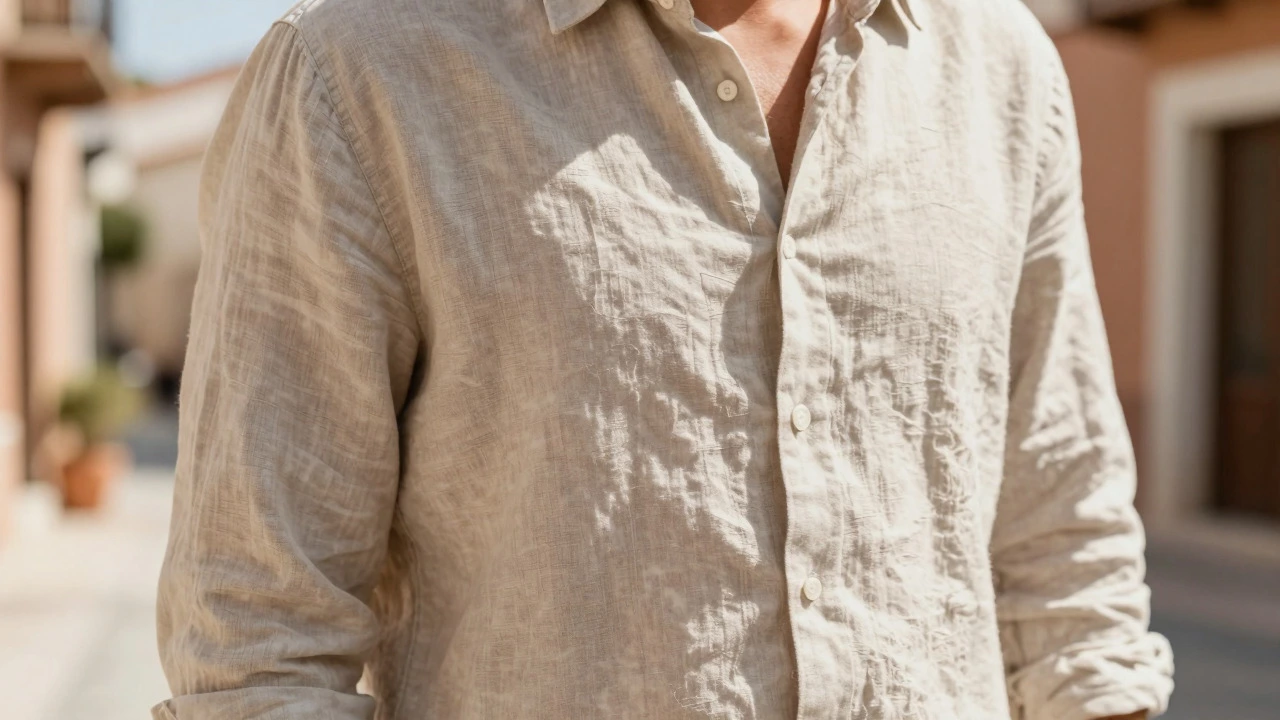
If you only buy one fabric for extreme heat, make it Linen. Derived from the flax plant, linen has been used for centuries in Mediterranean cultures for good reason. It is significantly stronger than cotton and dries much faster. Because the fibers are hollow, they allow air to flow freely, creating a natural cooling effect.
Linen is not perfect. It wrinkles easily, which can be a downside if you need to look polished after a long day out. However, many people now embrace the relaxed, textured look as part of its charm. For dresses and wide-leg trousers, linen offers superior airflow compared to most other natural fibers. Just remember to wash it gently to maintain its softness over time.
Cotton: The Everyday Workhorse
Cotton remains the most popular choice for summer wear due to its affordability and softness. It is a natural cellulose fiber that absorbs moisture well, keeping your skin relatively dry initially. However, once cotton gets saturated with sweat, it becomes heavy and slow to dry. This can lead to a clammy feeling if you are active for extended periods.
Not all cottons are created equal. Look for specific weaves that enhance breathability:
- Seersucker: A puckered weave that creates tiny air gaps between the fabric and your skin, improving airflow.
- Poplin: A lightweight, smooth finish that works well for shirts and blouses.
- Jersey: A knit structure that stretches and drapes, offering comfort for casual tops.
For static activities like sitting at a desk or dining out, standard cotton is perfectly fine. For hiking or standing all day, consider lighter blends or alternative fibers.
Silk: Luxurious Temperature Regulation
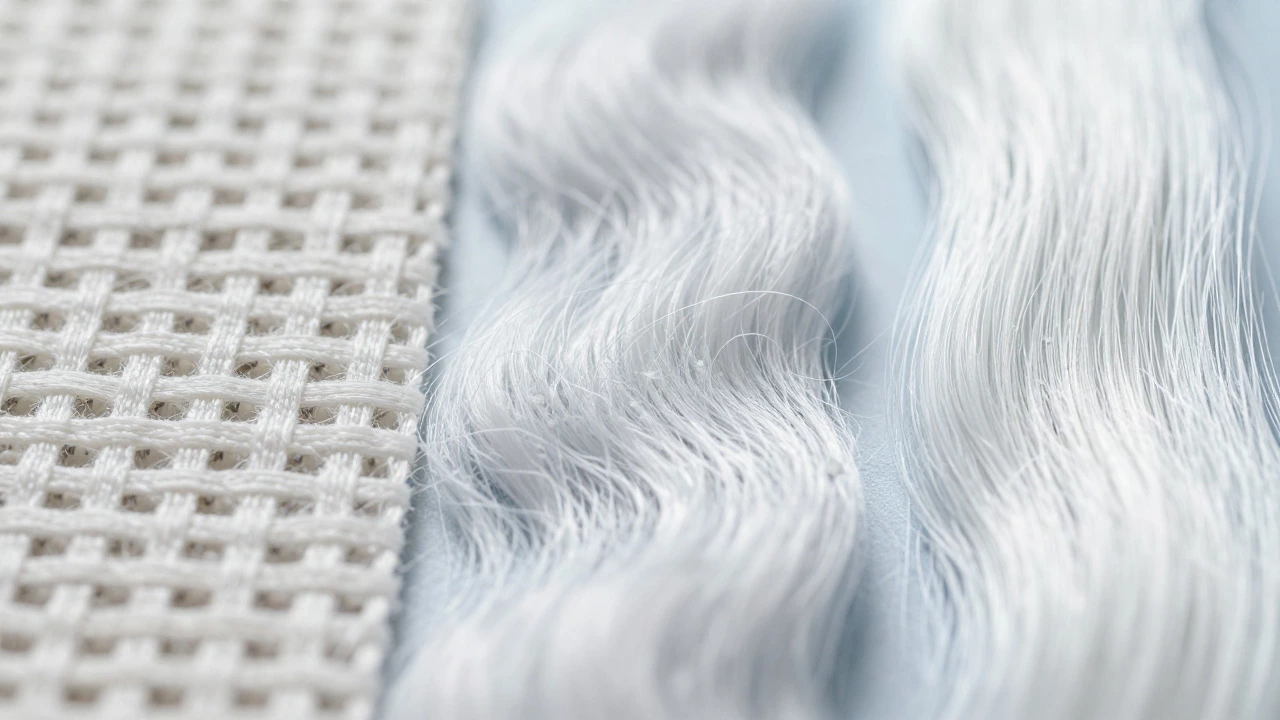
Silk is a protein fiber produced by silkworms. It is often associated with formal wear, but its thermoregulating properties make it an excellent base layer or dress fabric for hot climates. Silk is naturally hypoallergenic and resists dust mites. More importantly, it allows heat to escape efficiently while still providing a slight barrier against UV rays.
The downside is maintenance. Silk requires delicate care, often needing hand washing or dry cleaning. It is also less durable than cotton or linen, meaning it can tear if caught on rough surfaces. Despite these drawbacks, a silk slip dress or blouse feels incredibly light and luxurious against the skin, offering a unique cooling sensation that synthetic fabrics struggle to replicate.
Modern Synthetics: Merino Wool and Performance Blends
You might think wool belongs in winter, but Merino Wool is a game-changer for summer. Fine-gauge merino yarns are thin enough to be worn in 100-degree heat. Unlike sheep's wool, merino does not itch because the fibers are microscopic. It wicks moisture away from the skin rapidly and regulates temperature better than cotton. It also resists odor, so you can wear a merino t-shirt for two or three days without washing.
On the other end of the spectrum are technical synthetics like polyester and nylon. Modern engineering has transformed these materials. Look for fabrics labeled as "moisture-wicking" or "quick-dry." These are designed for athletic use, moving sweat to the surface instantly. While they may not breathe as well as linen, they are unbeatable for intense physical activity. A blend of cotton and polyester often provides a balance of softness and durability, though pure synthetics can sometimes feel less natural against the skin.
Fabric Comparison for Summer Use
Choosing the right material depends on your specific activity. Here is how the top contenders stack up against each other in terms of performance attributes.
| Fabric Type | Breathability | Drying Time | Best For | Maintenance Level |
|---|---|---|---|---|
| Linen | Excellent | Fast | Office, Casual, Travel | Medium (Ironing required) |
| Cotton | Good | Slow | Everyday Wear, Sleepwear | Low (Machine washable) |
| Silk | Very Good | Medium | Evenings, Base Layers | High (Delicate care) |
| Merino Wool | Excellent | Fast | Hiking, Layering, Odor Control | Medium (Hand wash recommended) |
| Polyester Blend | Moderate | Instant | Gym, Running, High Activity | Low (Machine washable) |
How Weave Density Impacts Comfort
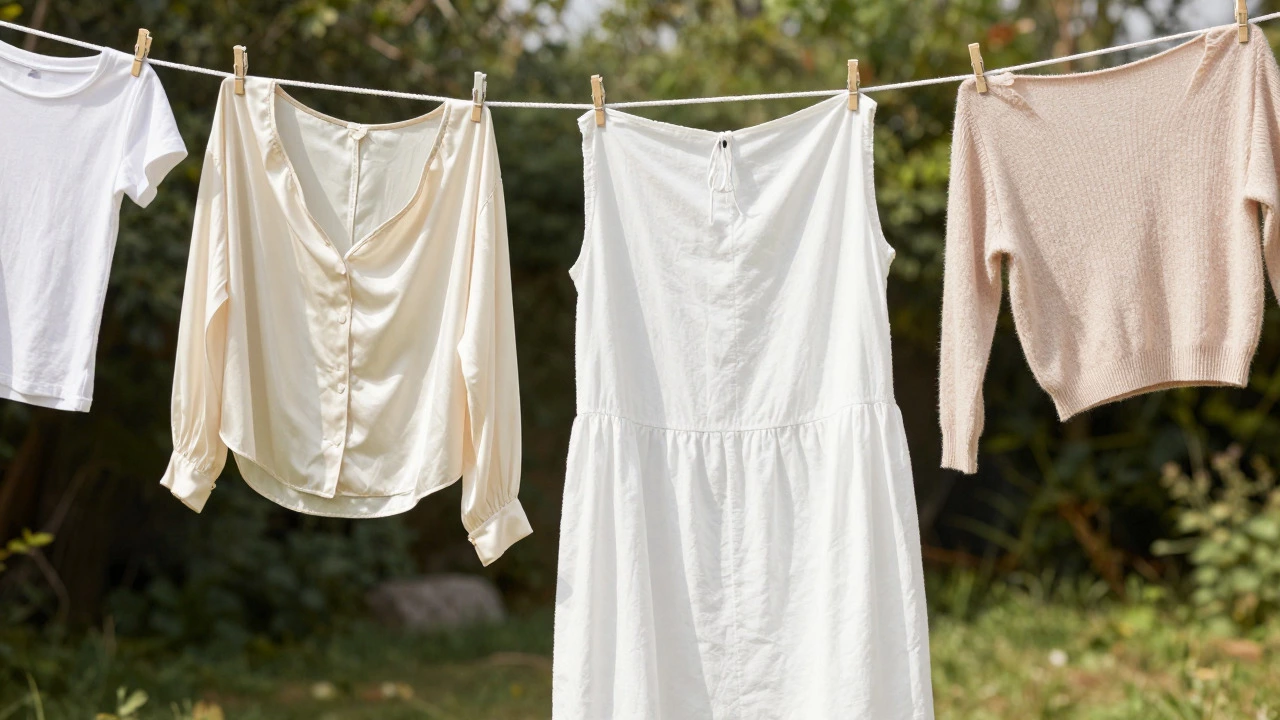
The type of fiber matters, but the way it is woven matters just as much. A tightly woven cotton shirt will feel much heavier and warmer than a loosely woven linen shirt, even if both are made from natural fibers. Open weaves allow more air circulation, which is critical in humid environments.
Look for garments described as "lightweight" or "airy." In technical terms, this refers to the thread count or GSM (grams per square meter). Lower GSM indicates a thinner, lighter fabric. For summer dresses, aim for fabrics under 150 GSM. Heavier fabrics, above 200 GSM, tend to insulate rather than cool, trapping body heat close to the skin. Always check the product description for weight specifications if you are buying online.
Caring for Your Summer Wardrobe
To keep your cooling fabrics performing well, proper care is essential. Heat and agitation from washing can degrade fibers over time, reducing their breathability.
- Wash Cold: High temperatures can shrink natural fibers like cotton and weaken synthetics. Cold water preserves the integrity of the weave.
- Air Dry When Possible: Tumble drying adds heat stress to the fabric. Hanging your clothes to dry helps maintain their shape and texture.
- Use Gentle Detergents: Harsh chemicals can clog the pores of natural fibers, reducing their ability to absorb and release moisture. Opt for mild, fragrance-free detergents.
- Steam Instead of Iron: For linen and cotton, steaming removes wrinkles without applying direct heat, which can scorch delicate fabrics.
By treating your clothes with care, you extend their lifespan and ensure they continue to regulate your body temperature effectively season after season.
Frequently Asked Questions
Is linen really better than cotton for heat?
Yes, generally speaking. Linen has a higher air permeability rate than cotton, meaning air flows through it more easily. It also dries faster, which prevents the damp, heavy feeling that saturated cotton can cause in high humidity.
Can I wear wool in the summer?
Absolutely, provided it is Merino wool. Fine-gauge Merino is thin, non-itchy, and excellent at wicking sweat. It is particularly useful for travel or outdoor activities because it resists odors better than cotton or synthetics.
What is the best fabric for gym workouts in hot weather?
Technical synthetics like polyester or nylon blends are best for high-intensity exercise. They are designed to move sweat away from the skin instantly and dry within minutes, preventing chafing and discomfort during movement.
Does color affect how hot a fabric feels?
Yes, dark colors absorb more radiant heat from the sun, while light colors reflect it. However, the difference is minor compared to the impact of fabric weight and breathability. A light-colored heavy cotton shirt will still feel hotter than a dark-colored thin linen shirt.
How do I know if a dress is made of real linen?
Check the care label for fiber content. Real linen should list 100% linen or a linen blend. Visually, linen has a distinctive slubbed texture with irregular thick and thin threads. It also tends to wrinkle more easily than synthetic imitations like viscose or lyocell, which mimic the look but lack the same thermal properties.