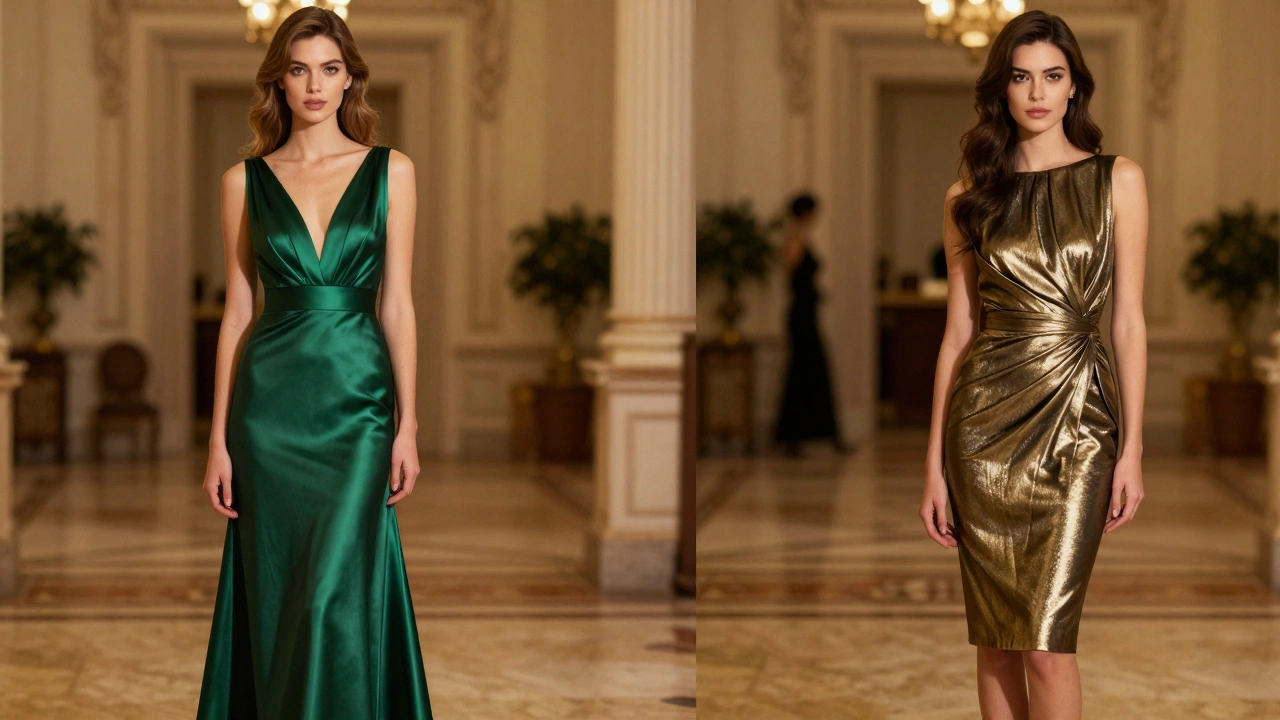
Evening Dress Length Advisor
Styling Tips
You’ve got the invitation. The venue is set. The date is circled. But there’s one question hanging over your head like a cloud: Is an evening dress long or short? It sounds simple, but getting it wrong can make you feel like you’re underdressed at a gala or overdressed at a dinner party. The truth is, there isn’t just one answer. An evening dress can be floor-length, tea-length, or even above the knee, depending entirely on the context.
We often think of "evening wear" as synonymous with sweeping gowns and red carpets. That image comes from Hollywood and high-society galas. But in real life, your Tuesday night wedding reception has different rules than a Saturday night opera premiere. To navigate this without stress, we need to look past the word "evening" and focus on the specific event type, the time of day, and the cultural setting.
The Role of Formality Levels
The biggest factor determining whether your dress should be long or short is the formality level specified on the invitation. This isn't just etiquette for the sake of tradition; it's a signal from the host about how they want their guests to feel and behave. Let’s break down the most common dress codes and what they actually mean for your hemline.
| Dress Code | Recommended Length | Style Notes |
|---|---|---|
| Black Tie | Floor-length (Gown) | Classic elegance. Silk, satin, or velvet. Avoid mini skirts unless it's a very modern, fashion-forward interpretation. |
| White Tie | Floor-length (Ball Gown) | The most formal option. Full skirts, luxurious fabrics. No exceptions for short dresses here. |
| Cocktail Attire | Knee-length or Midi | This is where short evening dresses shine. Playful cuts, bold colors, and interesting textures work well. |
| Semi-Formal / Dressy Casual | Midi or Tea-Length | Comfort meets style. A nice slip dress or a tailored midi skirt with a blouse fits perfectly. |
| Creative Black Tie | Flexible (Long or Short) | Host invites personal flair. A chic mini dress with statement jewelry can work if styled confidently. |
If the invitation says "Black Tie," the expectation is overwhelmingly long. Think floor-grazing hems that move with you. If it says "Cocktail," a short dress is not only acceptable, it’s often preferred because it allows for easier movement during dancing and mingling. The gray area usually appears with terms like "Formal" or "Evening Attire." In these cases, a midi dress-ending mid-calf-is a safe bridge between the two extremes.
Time of Day Matters More Than You Think
There’s an old rule in fashion circles: before six o’clock, keep it shorter; after six, go longer. While modern fashion has blurred these lines, the principle still holds some weight, especially in traditional settings like weddings or corporate galas. Why? Because lighting changes our perception of fabric and silhouette.
In the daylight, bright colors and shorter hemlines feel fresh and energetic. As the sun goes down, darker tones and flowing lengths create a sense of intimacy and drama. If you’re attending an afternoon garden party that extends into the evening, a tea-length dress (ending just below the knee) works beautifully. It’s structured enough for daytime photos but elegant enough for sunset cocktails. However, if the event starts strictly after 7 PM, leaning towards a longer hemline shows respect for the occasion’s gravity.
Seasonal Influences on Hemlines
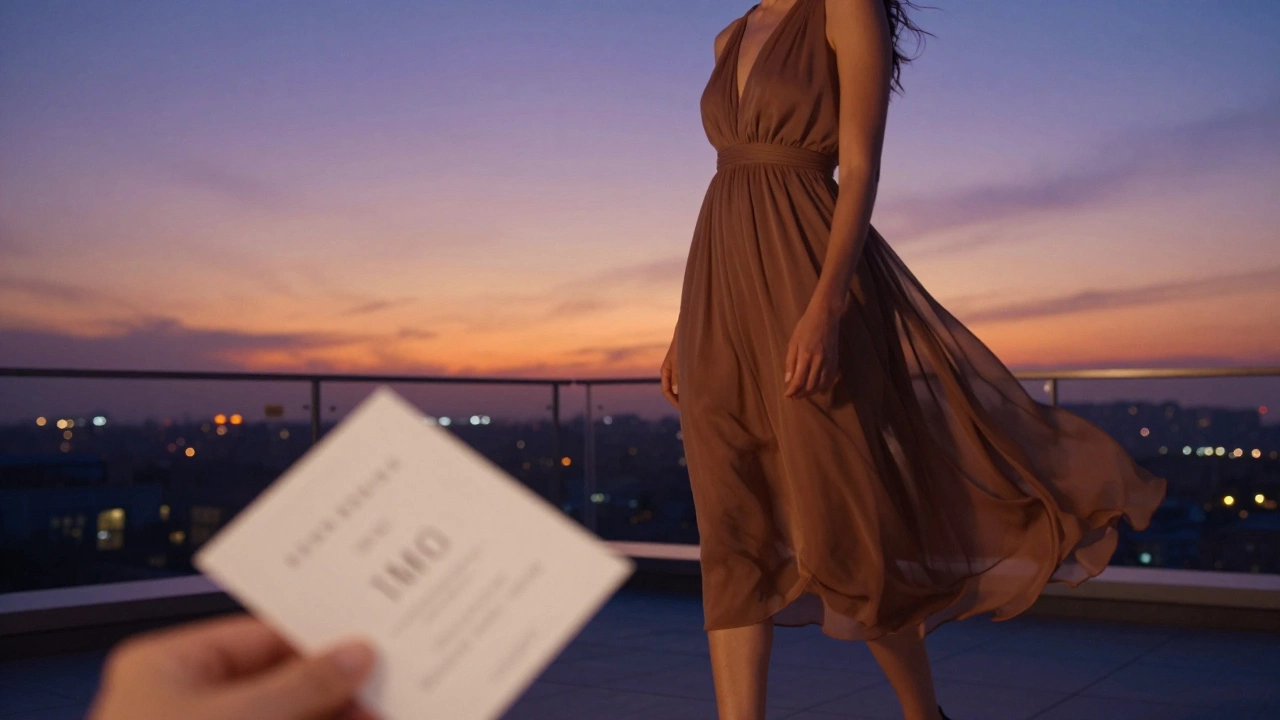
Let’s talk about Melbourne weather, since I’m writing this from here. We get all four seasons in one week sometimes. Your choice of dress length shouldn’t just be about rules; it should be about survival and comfort. Winter evenings call for heavier fabrics like velvet or heavy silk, which naturally drape better in longer styles. A floor-length gown in winter looks intentional and warm. In summer, those same fabrics can feel stifling. Here, short or midi dresses made of chiffon, linen blends, or lightweight crepe allow air circulation while keeping you cool.
Consider the season when choosing your footwear too. A long dress hides shoe choices, giving you flexibility if you’re worried about blisters. A short dress exposes your legs and shoes, meaning you need to coordinate socks, tights, or bare skin carefully based on the temperature. In colder months, opaque tights with a short evening dress can look sophisticated, whereas in summer, sheer or no tights are standard.
Venue and Setting Dictate Practicality
Where are you going? This is perhaps the most practical question you can ask. If the event is at a historic theater, a museum ballroom, or a luxury hotel banquet hall, long dresses are the norm. These spaces have grand staircases and polished floors designed for gliding, not scurrying. A long dress complements the architecture.
Now imagine a rooftop bar, a beachside wedding, or a trendy urban loft. These venues often have uneven surfaces, sand, grass, or tight seating arrangements. A floor-length dress might get dragged through dirt or caught on chair legs. In these scenarios, a short or midi dress is smarter. It keeps you clean and confident. Always check the venue details online. If the photos show outdoor elements or casual decor, lean shorter. If it looks like a palace, lean longer.
Body Type and Personal Comfort
Rules are guidelines, but your body is the final authority. Some people feel powerful in a sleek column gown. Others feel trapped. If you hate dragging fabric around, don’t force yourself into a long dress just because someone said "it’s evening." A well-tailored short dress can look more expensive and elegant than a poorly fitted gown. Look for structure in the bodice, quality in the fabric, and fit in the seams.
For petite frames, very long dresses can overwhelm your height. Opt for a shorter hemline or ensure the long dress has a defined waist to break up the vertical line. For taller frames, long dresses can elongate your silhouette beautifully, creating a striking presence. Remember, confidence sells the look. If you’re constantly hitching up your skirt, you’ll look uncomfortable, regardless of how "correct" the length is.
Modern Trends Breaking the Rules
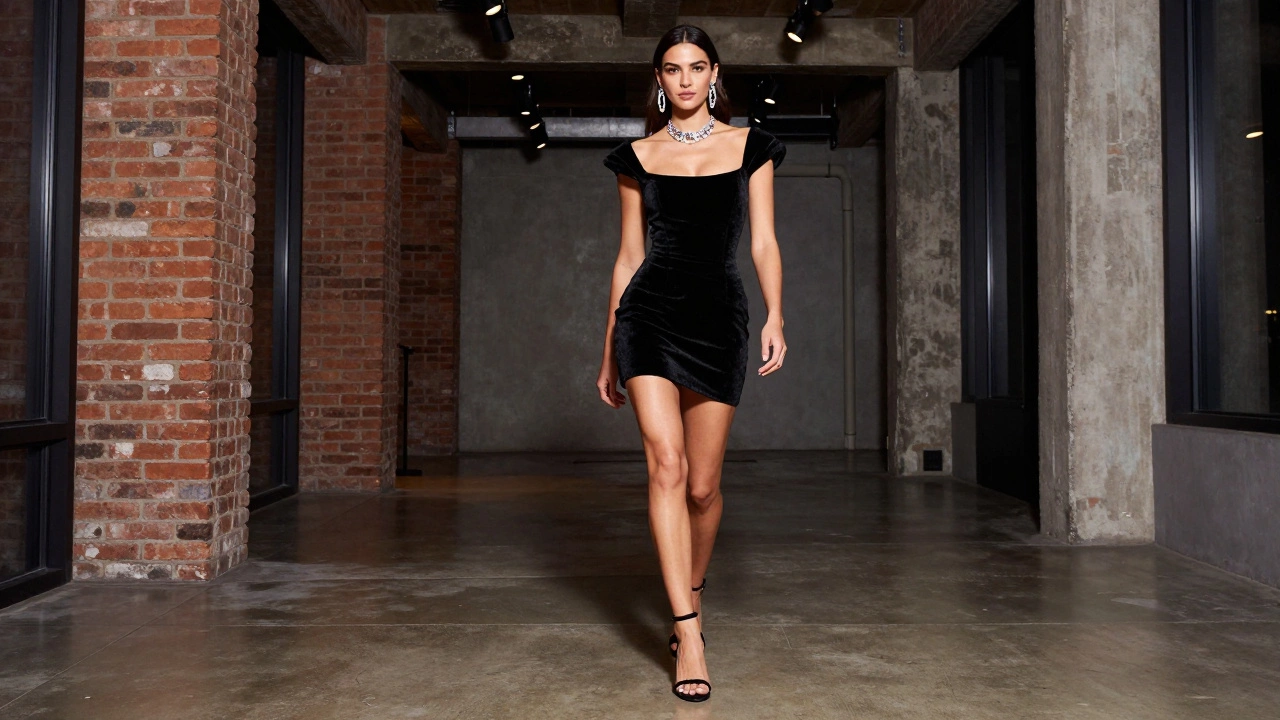
Fashion evolves. In recent years, designers have played with evening wear norms. We’ve seen celebrities wearing mini dresses to red carpet events, challenging the idea that short equals informal. This trend is trickling down to everyday events. If you choose a short dress for a formal event, elevate it with accessories. Pair a mini dress with statement earrings, a clutch, and heels. Add a faux fur wrap or a structured blazer to add layers of sophistication. The key is intentionality. A short dress shouldn’t look like you threw on your weekend outfit; it should look curated.
Conversely, long dresses are becoming more casual. Slip dresses made of jersey or cotton can be worn to less formal evening gatherings. They offer the elegance of length without the stiffness of traditional formalwear. This versatility makes them a great investment piece.
How to Decide When in Doubt
Still unsure? Use this quick decision tree:
- Check the invitation: Does it say "Black Tie"? Go long. Does it say "Cocktail"? Go short/midi.
- Ask the host: It’s perfectly polite to email and ask, "I want to make sure I’m dressed appropriately for the evening. Is the attire leaning more towards cocktail or formal?"
- Look at the couple/group: If it’s a wedding, check the couple’s social media or website. Do they post formal photos? Are they known for casual vibes?
- When in doubt, overdress slightly: It’s easier to remove a jacket or roll up sleeves than to cover up a lack of formality. A long dress can be belted to shorten the visual impact, but you can’t add length to a short dress.
Ultimately, the best evening dress is one that makes you feel like yourself. Whether it skims your ankles or hits your knees, if you walk in feeling secure and stylish, you’ve already won.
Can I wear a short dress to a black-tie event?
Traditionally, no. Black-tie events expect floor-length gowns. However, if you choose a short dress, it must be highly elegant-think high-quality silk, intricate beading, or a sophisticated cut. Avoid anything too casual like denim or simple cotton. Pair it with glamorous accessories to elevate the look. Be prepared for some raised eyebrows, but own it with confidence.
What is the difference between a cocktail dress and an evening gown?
The main differences are length and formality. A cocktail dress is typically knee-length or midi and suitable for semi-formal to formal events like parties or dinners. An evening gown is floor-length and reserved for the most formal occasions like galas, operas, and black-tie weddings. Cocktail dresses often feature bolder colors and playful designs, while evening gowns prioritize luxurious fabrics and dramatic silhouettes.
Is a midi dress considered formal enough for evening events?
Yes, absolutely. A midi dress, ending mid-calf, is a versatile middle ground. It’s formal enough for most "dressy" or "semi-formal" events and can even work for creative black-tie affairs if styled correctly. Choose rich fabrics like velvet, satin, or lace to enhance its formality. It’s a safe and stylish choice when you’re unsure about the strictness of the dress code.
Should I wear tights with my evening dress?
It depends on the season and the dress length. In winter or cooler climates, sheer or opaque tights are appropriate and practical, especially with shorter dresses. In summer, bare legs are standard. For very formal events in cold weather, nude-colored tights can provide warmth without breaking the illusion of bare skin. Avoid patterned or brightly colored tights unless they match your outfit intentionally.
How do I know if an event is formal or semi-formal?
Look for clues on the invitation. Terms like "Black Tie," "White Tie," or "Formal" indicate high formality requiring long gowns. "Cocktail," "Semi-Formal," or "Dressy Casual" suggest shorter or midi dresses. If the invitation is vague, consider the venue and time. Evening events at hotels or theaters tend to be more formal than afternoon events at restaurants or community centers. When in doubt, ask the host.