Suit Construction Selector
Answer these 3 questions to find out which construction method fits your needs.
Machine-Sewn
Ready-to-Wear / MTM- • Cost Effective
- • Immediate Availability
- • Structured Look
Hand-Sewn
Bespoke / Full Canvas- • Superior Comfort
- • Perfect Custom Fit
- • Decades of Durability
Imagine buying a luxury car. You pay top dollar, expecting the engine to be hand-assembled by master craftsmen. Instead, you find out it was put together on a high-speed assembly line with robotic precision. Does that change how you feel about the purchase? For many men buying their first serious suit, the debate between hand-sewn and machine-sewn construction feels exactly like this. It’s not just about price; it’s about what you’re actually paying for.
The short answer is: neither is universally "better." It depends entirely on your budget, how often you’ll wear the suit, and what you value more-durability, comfort, or status. A hand-stitched suit isn’t magic; it’s just different. And in some cases, a modern machine-made suit might actually serve you better than an old-school bespoke piece.
Understanding Suit Construction: The Basics
To understand why one stitch matters more than another, you need to look inside the jacket. Most people judge a suit by its fabric-the wool weight, the sheen, the pattern. But the soul of a suit lies in its canvas. This is the layer of material (usually horsehair, cotton, or synthetic) sandwiched between the outer fabric and the lining. It gives the chest its shape.
There are three main ways to attach this canvas:
- Fused: The canvas is glued to the fabric using heat and adhesive. This is the cheapest method, common in off-the-rack suits under $500. Over time, the glue can bubble or detach, ruining the drape.
- Half-Canvas: A hybrid approach. The lower part is fused, but the chest area uses a stitched canvas. This offers a good balance of structure and longevity for mid-range suits ($600-$1,500).
- Full Canvas: The entire front panel is stitched to the canvas. This is the hallmark of high-end tailoring, whether done by hand or machine. It allows the suit to mold to your body over time.
When people ask if a hand-sewn suit is better, they are usually comparing full-canvas construction against fused or half-canvas options. But even within full-canvas suits, there is a massive difference between machine-stitched and hand-stitched seams.
The Hand-Stitched Advantage: Why Tailors Still Use Needles
In a true bespoke or high-end made-to-measure suit, a tailor will use a needle and thread for critical areas. Why go through the hassle when a sewing machine is faster?
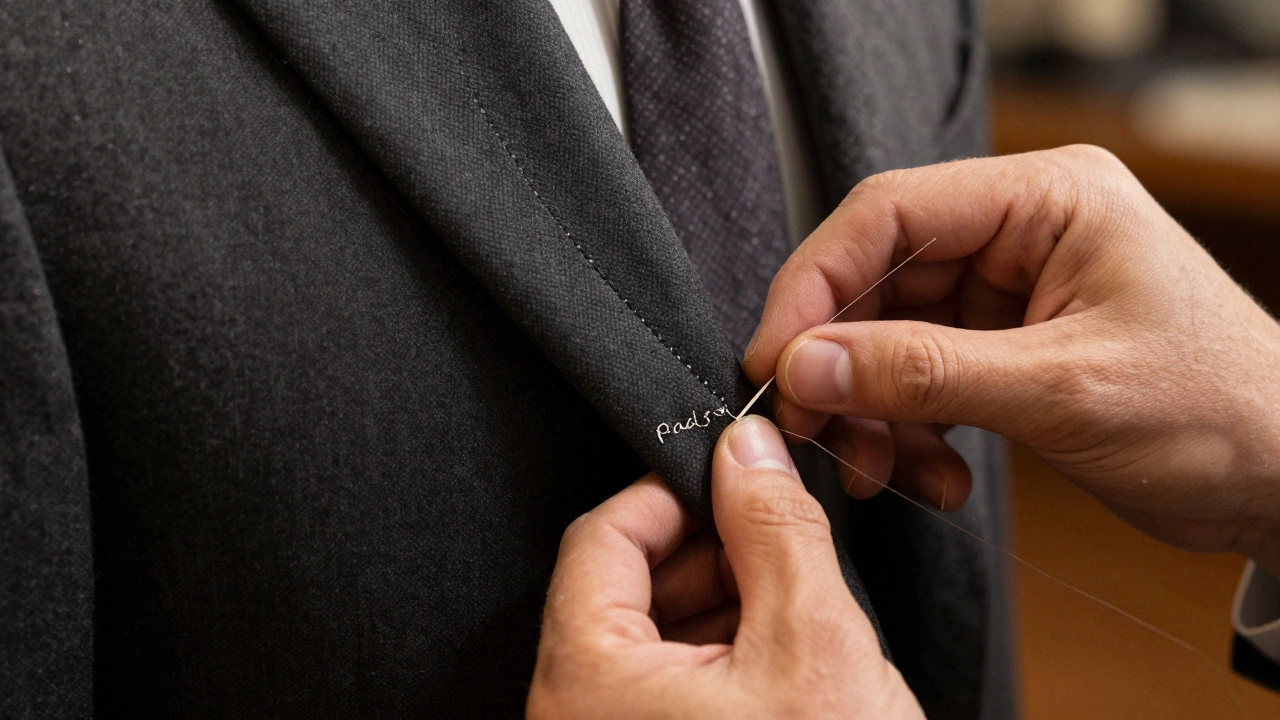
First, let’s talk about flexibility. A machine stitches two layers of fabric together tightly, creating a rigid bond. A hand stitch, particularly the pad stitch, loops around the canvas and fabric without pulling them tight. This creates a slight gap between layers. When you move your arms, breathe, or sit down, the suit moves with you. It doesn’t pull or restrict. If you’ve ever worn a stiff, boxy jacket that feels like armor, you likely experienced machine stitching where hand stitching would have been superior.
Second, there is the issue of repairability. This is a huge point that gets overlooked. If a fused suit bubbles after five years, it’s often unfixable. You have to buy a new one. But a hand-stitched canvas can be unpicked, adjusted, and restitched. If your shoulders broaden slightly or you lose weight, a skilled tailor can manipulate the internal structure of a hand-sewn suit to fit again. A machine-stitched suit is far less forgiving once the initial fit is set.
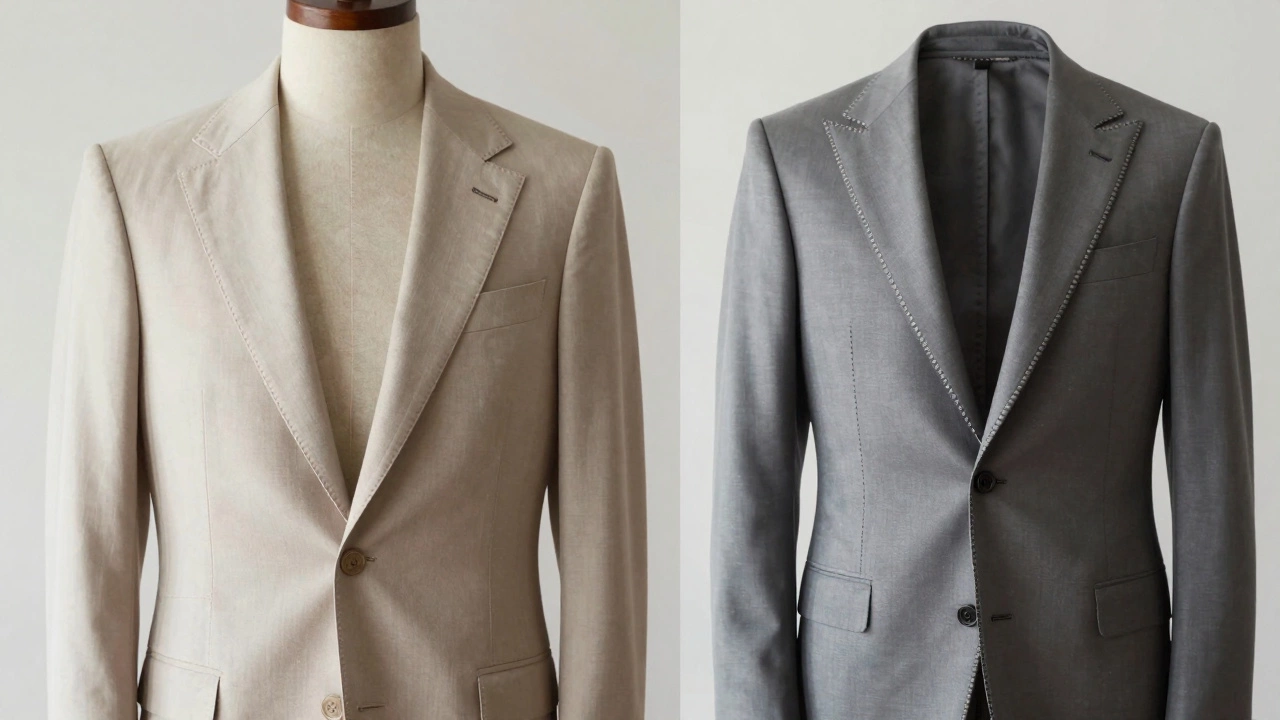
Finally, there’s the aesthetic detail. Look at the lapel roll. On a machine-made suit, the lapel often has a sharp, creased edge because the stitching holds it flat. On a hand-padded lapel, the cloth rolls naturally from the button stance to the edge. It looks softer, more elegant, and less manufactured. In Melbourne’s fashion scene, where we appreciate understated quality, that natural roll is a subtle signal of expertise.
| Feature | Hand-Sewn (Bespoke) | Machine-Sewn (RTW/Made-to-Measure) |
|---|---|---|
| Movement & Comfort | High flexibility; molds to body | Stiffer initially; may relax over time |
| Durability | Decades (repairable) | 3-7 years (depending on construction) |
| Fit Precision | Exact to individual measurements | Standardized sizes; limited alterations |
| Cost | $3,000 - $10,000+ | $300 - $1,500 |
| Production Time | 8 - 16 weeks | Ready to ship or 2-4 weeks |
| Lapel Roll | Natural, soft curve | Sharper, flatter edge |
The Case for Machine Stitching: Consistency and Speed
Don’t let the romanticism of hand-stitching blind you to the benefits of modern machinery. Industrial sewing machines, like those from Juki or Barudan, produce incredibly consistent results. Every stitch is identical in length and tension. For mass-produced suits, this consistency ensures that every jacket hanging in a store fits roughly the same way.
Moreover, machine stitching is stronger in certain contexts. While hand stitches offer flexibility, machine stitches offer tensile strength. If you are buying a suit for daily office wear, commuting on public transport, or working in a physically active job, a well-constructed machine-sewn suit might hold up better to abrasion and stress than a delicate hand-stitched garment. Think of it like sneakers versus leather dress shoes. One is designed for performance and durability; the other for elegance and specific occasions.
Also, consider the cost. A hand-sewn bespoke suit requires dozens of hours of labor from highly skilled artisans. In Australia, labor costs are high. Paying $5,000 for a suit means you are paying mostly for time. If you only wear suits twice a year, is that investment justified? Probably not. A high-quality machine-sewn suit from brands like Hickey Freeman or Canali offers excellent materials and decent construction for a fraction of the price.
Where the Stitches Matter Most
Not all hand stitching is created equal, and not all parts of the suit need to be hand-sewn. Here is where the distinction truly impacts your experience:
- The Lapels: As mentioned, hand-padding here creates that desirable roll. Machine padding tends to look flat and artificial.
- The Collar: A hand-attached collar sits closer to the neck, eliminating gaps. This is crucial for a clean look when wearing a tie.
- The Sleeves: High-end suits feature "set-in" sleeves attached by hand. This allows the sleeve head to puff slightly, accommodating arm movement. Cheaper suits have "sleeveless" bodies where the sleeve is just sewn into a hole, restricting motion.
- The Hem: Hand-finished hems (pick stitching) allow for easier length adjustments later. Blind hemmed by machine, they are harder to alter without leaving visible marks.
If you are shopping for a suit, ask to see the inside. If you see neat, tight rows of machine stitching everywhere, it’s a standard garment. If you see loose, irregular loops of thread on the lapel and collar, you are looking at hand work. That irregularity is a badge of honor, not a defect.
Who Should Choose What?
Let’s cut through the noise and match the construction to your lifestyle.
Choose a Hand-Sewn Suit If:
- You have an irregular body shape (very tall, broad shoulders, narrow waist) that off-the-rack suits struggle to accommodate.
- You plan to wear the same suit frequently for formal events, weddings, or boardroom meetings.
- You view clothing as an investment heirloom that you want to last 20+ years.
- You prioritize comfort and natural movement above all else.
Choose a Machine-Sewn Suit If:
- You are building a capsule wardrobe and need variety in colors and patterns.
- Your budget is under $1,500.
- You need the suit quickly for an upcoming event.
- You prefer a sharper, more structured silhouette that holds its shape without breaking in.
Common Misconceptions About Suit Quality
One big myth is that "handmade" always means "better." I’ve seen poorly executed hand-sewn suits from inexperienced tailors that fell apart faster than a factory-made piece. Conversely, I’ve seen machine-made suits from Italian heritage brands that lasted decades because the fabric and canvas were premium, even if the stitching was mechanical.
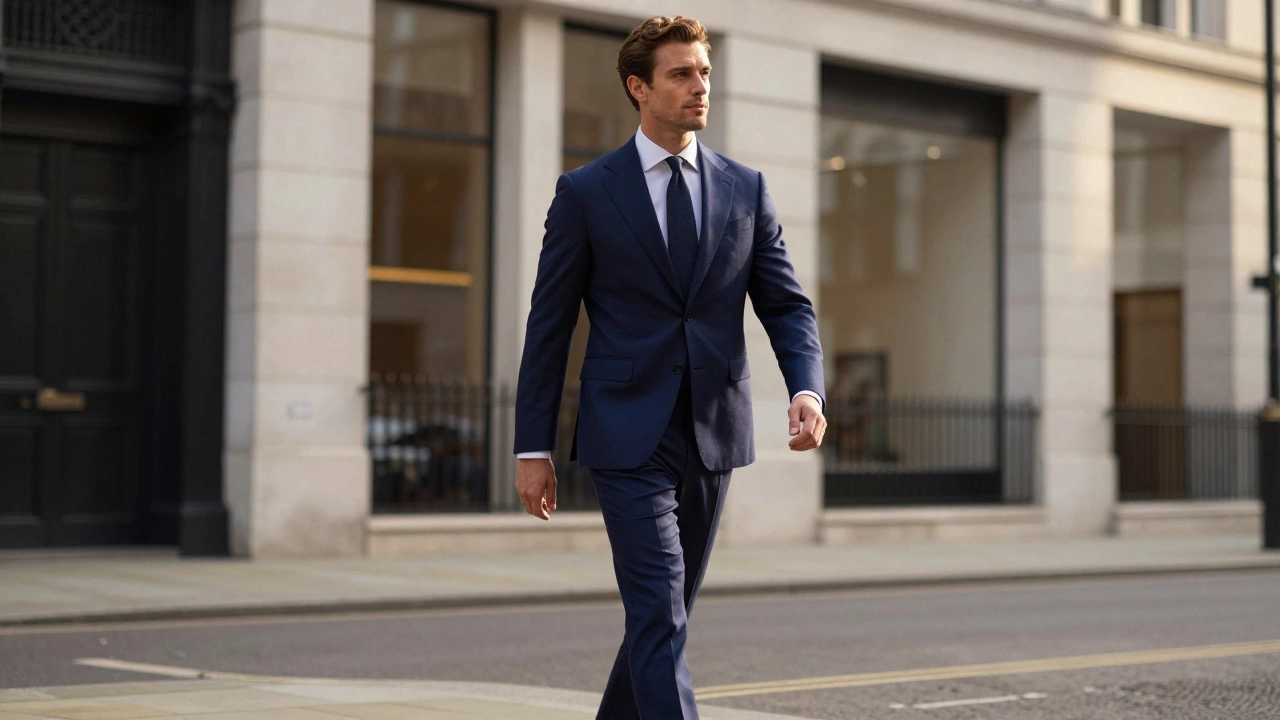
Another misconception is that you can tell a hand-sewn suit just by looking at it from the outside. From five feet away, a high-end machine-made suit and a bespoke suit can look nearly identical. The difference is felt, not seen. It’s in the way the jacket drapes over your hips, the way the lapel folds when you cross your arms, and the silence of the fabric moving without rustling stiff glue.
Also, don’t confuse "hand-stitched" with "bespoke." Many made-to-measure (MTM) suits include some hand-finishing details, like hand-stitched buttonholes or pick stitching, while still being largely machine-constructed. This is a sweet spot for many buyers. You get the aesthetic cues of craftsmanship without the full bespoke price tag.
Final Thoughts on Your Next Suit Purchase
So, is a hand-sewn suit better? Technically, yes, in terms of customization, comfort, and longevity. But practically, it’s only better for you if your needs align with those benefits. If you’re a young professional starting out, a well-fitted machine-sewn half-canvas suit is a smarter financial decision. Save the bespoke hand-stitched dream for when you’ve found a tailor you trust and a style you know works for you.
Regardless of how it’s made, the most important factor is fit. A cheap machine-sewn suit tailored to perfection will look better than an expensive hand-sewn suit that hangs loosely on your frame. Always prioritize finding a good local tailor in Melbourne or your city who can adjust the shoulders, sleeves, and trousers. That final step bridges the gap between mass production and personal elegance.
How can I tell if a suit is hand-sewn?
Look inside the jacket. Check the lapel and collar area. Hand-stitched suits will show loose, irregular loops of thread (pad stitching) connecting the canvas to the fabric. Machine-stitched suits will have tight, uniform rows of stitching or no visible stitching if it is fused (glued). You can also try to pinch the lapel; a hand-padded lapel will feel softer and move independently from the rest of the jacket.
Is a hand-sewn suit worth the extra cost?
It depends on your usage. If you wear suits weekly for work, a hand-sewn bespoke suit offers superior comfort and durability, making it a worthy investment over time. However, if you only wear suits occasionally, the high cost ($3,000+) is hard to justify compared to a high-quality machine-made suit ($800-$1,500) that serves the same purpose.
What is the difference between bespoke and made-to-measure?
Bespoke suits are built from scratch based on your unique measurements, with a custom paper pattern created just for you. They involve multiple fittings and extensive handwork. Made-to-measure (MTM) suits start with an existing base pattern that is then adjusted to your measurements. MTM suits often use a mix of machine and hand stitching and are faster and cheaper than bespoke.
Do machine-sewn suits last as long as hand-sewn ones?
Generally, no. Fused machine-sewn suits tend to degrade after 3-5 years due to glue failure. Half-canvas machine-sewn suits can last 7-10 years with care. Hand-sewn full-canvas suits can last decades because the stitching can be repaired and adjusted, whereas fused components cannot be easily fixed once they fail.
Can a tailor convert a machine-sewn suit to hand-sewn?
No, you cannot convert a fused suit to hand-sewn easily because the glue must be removed first, which often damages the fabric. However, a skilled tailor can perform "unfusing" services on some suits, replacing the glue with a canvas, but this is risky and expensive. It is better to buy a half-canvas or full-canvas suit if you want upgrade potential.