Baby Milk Safety Timer
Setup Parameters
Configure settings and press Start
to begin tracking your bottle's safety window.
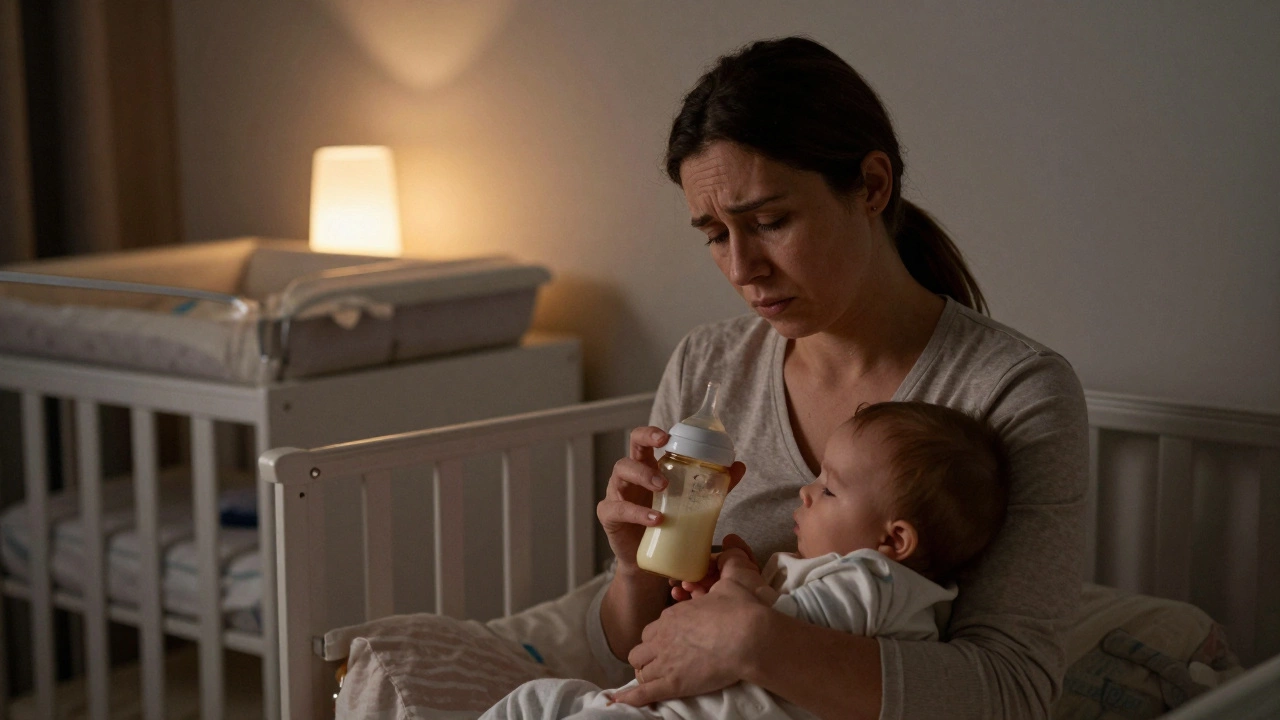
It’s 2 AM. Your little one is crying, hungry, and not interested in waiting while you prep a fresh bottle from scratch. You glance at the half-finished bottle sitting on the changing table from two hours ago. Is it still safe? Or have you just handed your baby a cocktail of bacteria?
This scenario plays out in nurseries across Melbourne and beyond every single night. The anxiety is real, but so are the risks if you get it wrong. Spoiled milk can lead to serious stomach bugs, vomiting, and dehydration in infants whose immune systems are still developing. But throwing away perfectly good milk wastes money and effort. So, what is the actual rule? How long can baby milk sit out before it becomes dangerous?
The short answer depends entirely on whether you are dealing with breastmilk or infant formula, and what the room temperature actually is. There is no single number that fits all situations, but there are clear safety windows backed by health organizations like the CDC and the Australian Department of Health.
The Two-Hour Rule: The Golden Standard
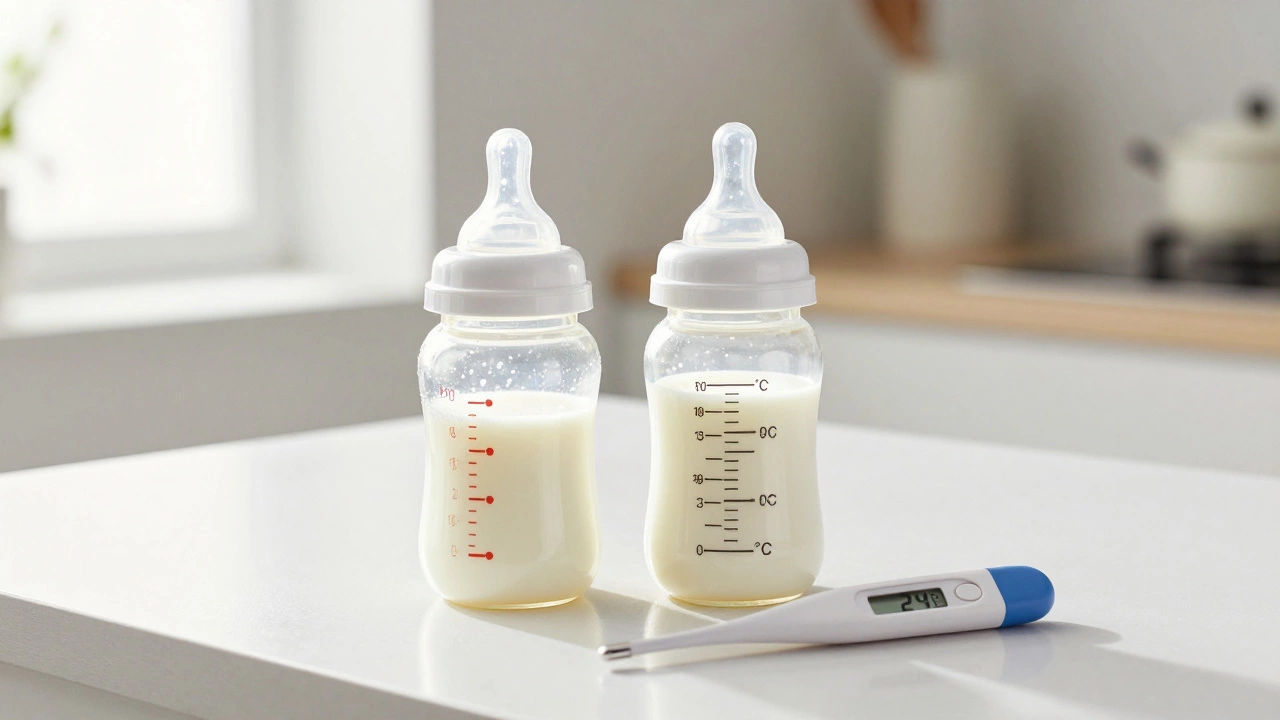
For most parents, the easiest rule to remember is the two-hour window. If a bottle has been sitting out at room temperature (generally defined as below 25°C or 77°F), it should be consumed within two hours. After that, toss it.
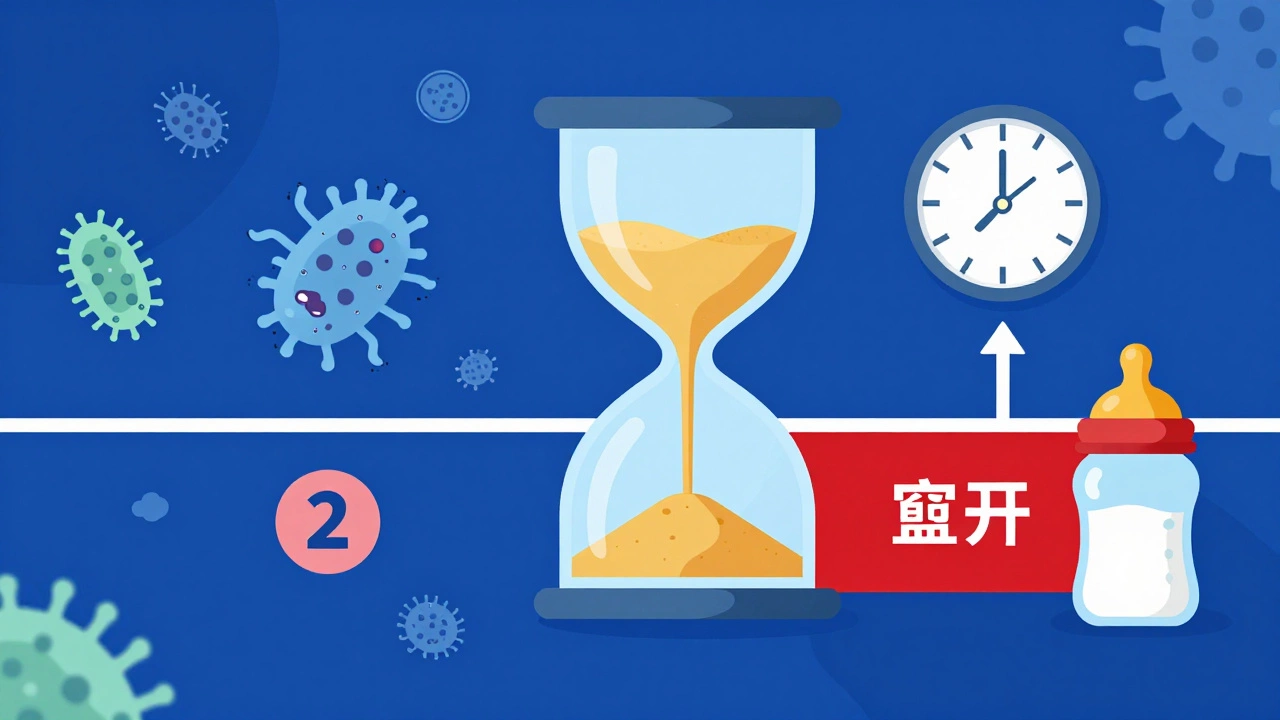
Why two hours? Bacteria grow exponentially in the "danger zone" between 4°C and 60°C. In warm Australian summers, where indoor temperatures can easily creep up to 30°C, this window shrinks significantly. If your house feels sticky and hot, drop the limit to one hour. It’s better to waste a bit of milk than to risk your baby’s health.
Here is the critical distinction: this rule applies differently to prepared formula versus expressed breastmilk. Let’s break down why.
Breastmilk vs. Formula: Why They Are Not Interchangeable
You might think milk is milk, but biologically, they are worlds apart. Understanding this difference changes how you handle leftover bottles.
Breastmilk is a living fluid. It contains antibodies, white blood cells, and enzymes that actively fight infection. Because of these natural defenses, freshly expressed breastmilk can safely sit out at room temperature for up to four hours according to some guidelines, though many experts recommend sticking to the two-hour mark for maximum safety. Once the baby starts drinking, saliva introduces bacteria into the milk. At that point, the clock resets. Any milk left in the bottle after a feed should be used within one hour.
Infant formula, on the other hand, is food. It lacks those protective immune factors. Prepared formula powder mixed with water is essentially a perfect breeding ground for bacteria like Cronobacter sakazakii and Salmonella. These pathogens thrive in warm, sugary liquids. For prepared formula, the rule is stricter: use within two hours of preparation. If the baby has already taken a sip, discard any remaining milk within one hour. Do not save it for later. Do not refrigerate it to use again. Throw it away.
| Milk Type | Status | Max Time at Room Temp (<25°C) | Action After Feeding Starts |
|---|---|---|---|
| Freshly Expressed Breastmilk | Untouched | Up to 4 hours (2 hours recommended) | Use within 1 hour |
| Prepared Infant Formula | Untouched | 2 hours | Discard immediately (within 1 hour max) |
| Refrigerated Breastmilk (Thawed) | Untouched | 2-4 hours | Use within 1 hour |
| Leftover Milk (Any Type) | Touched by Baby | 1 hour | Discard |
The Danger of "Just One More Sip"
I know the feeling. That formula cost money. That breastmilk took effort to pump. Throwing away a half-full bottle feels wasteful. But here is the science behind why you must be ruthless with leftovers.
When a baby drinks from a bottle, their saliva flows back into the nipple and mixes with the milk. Saliva contains amylase and other enzymes that begin breaking down the sugars in the milk. More importantly, it introduces oral bacteria. Even if your baby has no teeth yet, their mouth is not sterile. This bacterial load multiplies rapidly at room temperature.
If you put that bottle back in the fridge, you slow the growth, but you don’t stop it. And when you warm it up again for the next feed, you’re giving those bacteria a second chance to bloom. Repeated warming and cooling also degrade the nutritional quality of the milk. The risk of gastroenteritis isn’t worth the savings.
Summer Heat and Humidity: Adjusting for Climate
Living in places like Melbourne, Sydney, or Brisbane means dealing with unpredictable weather. In winter, your home might stay cool at 18°C. In summer, without air conditioning, it can hit 30°C or higher. Heat accelerates bacterial growth.
If the ambient temperature is above 25°C (77°F), cut all storage times in half. Freshly prepared formula should be used within one hour. Leftovers from a feed should be discarded immediately. If you are traveling in a car during summer, never leave a bottle in the vehicle. A car interior can reach temperatures that cook bacteria into existence in minutes.
Humidity also plays a role. High humidity can affect the integrity of powdered formula if stored improperly, leading to clumping and potential mold growth before you even mix it. Always store formula powder in a cool, dry place, not next to the sink or stove.
Signs That Milk Has Gone Bad
Sometimes, your senses will tell you what the clock missed. While time limits are strict, visual and olfactory cues can provide immediate red flags.
- Smell: Fresh breastmilk often smells sweet or metallic. If it smells sour, rancid, or soapy, it has likely spoiled. Formula should smell mild and milky. Any off-putting odor means dump it.
- Texture: Separation is normal for breastmilk (the cream rises). However, if shaking doesn’t recombine it, or if the milk looks curdled or chunky, it’s bad. Formula should be smooth. Clumps that don’t dissolve indicate moisture contamination or age.
- Color: Significant changes in color, such as pink or green tints, indicate bacterial or fungal growth. Discard immediately.
Note: Sometimes breastmilk can look slightly different due to diet or stress (e.g., pink tint from blood, blue tint from certain medications). If you’re unsure, consult your lactation consultant or pediatrician. When in doubt, throw it out.
Best Practices for Night Feeds and Busy Mornings
To reduce waste and stress, try these strategies:
- Prepare Smaller Amounts: Instead of making a full 120ml bottle, start with 60ml. Offer more only if the baby wants it. This minimizes leftovers.
- Keep a Cooler Ready: Have an insulated bottle cooler with ice packs ready in the kitchen or nursery. If you prep a bottle but the baby doesn’t want it, pop it straight into the cooler. This extends the safe window significantly compared to leaving it on the counter.
- Label Everything: Use masking tape and a marker to write the time the bottle was prepared or opened. It’s easy to lose track of time when you’re sleep-deprived.
- Warm, Don’t Boil: Never microwave milk. Microwaves heat unevenly, creating hot spots that can burn your baby’s mouth and destroy nutrients. Use a warm water bath or a dedicated bottle warmer.
What About Powdered Formula Stored in the Tin?
A common misconception is that once you open the tin of powdered formula, it spoils quickly. In reality, unopened and properly sealed powdered formula can last until its expiration date if kept in a cool, dry place. Once opened, it should be used within three weeks. Moisture is the enemy. Always close the lid tightly after each scoop. Never add water directly to the tin to make paste-this introduces bacteria that will contaminate the entire supply.
Frequently Asked Questions
Can I save leftover breastmilk from a feeding for later?
No. Once your baby has started drinking from the bottle, saliva introduces bacteria. You should use the remaining milk within one hour. After that, it must be discarded. Do not refrigerate it for future use.
How long can prepared formula sit out in the summer?
In hot weather (above 25°C), prepared formula should be used within one hour. Bacteria multiply faster in heat, increasing the risk of illness. If the room is very warm, prepare smaller amounts to minimize waste.
Is it safe to warm up cold breastmilk and let it sit out?
Yes, but follow the same rules. Once thawed or warmed, breastmilk should be used within two hours if untouched. If the baby has fed from it, use the remainder within one hour. Never re-freeze thawed milk.
Does the type of bottle affect how long milk stays safe?
Not really. Glass, plastic, or silicone bottles do not change the bacterial growth rate. However, ensure bottles are sterilized regularly, especially for babies under three months old, to reduce initial bacterial load.
What if I forgot how long the milk has been out?
If you cannot confirm the milk has been out for less than two hours (or one hour if touched by the baby), err on the side of caution and discard it. The risk of gastrointestinal infection is not worth the cost of a new bottle.