
Suit Investment & Lifespan Calculator
Input Details
Analysis Results
Recommendation
Enter details to see recommendation.
You’ve just walked out of the fitting room. The shoulders fit perfectly, the trousers break just right at the shoe, and you feel like a million bucks. But here is the question that usually hits a week later: when do I buy another one? It’s not just about looking good; it’s about managing your budget and keeping your wardrobe sharp without falling into the trap of fast fashion or hoarding clothes you never wear.
There is no single calendar date for replacing a suit. If you treat it like disposable clothing, you’ll burn through cash and end up with a closet full of ill-fitting junk. If you treat it like an heirloom, you might look dated in five years. The sweet spot lies somewhere in between, depending on how often you wear it, where you live, and what your job actually requires.
The Rule of Thumb: Usage Over Time
Forget the idea that a suit expires after three years. That’s marketing talk designed to get you back in the store. Instead, think about usage cycles. A well-made suit can last ten years or more if you care for it properly. However, most men don’t need ten suits. They need two or three versatile ones.
If you are a corporate lawyer in New York wearing a suit five days a week, you are putting significant stress on the fabric. In this scenario, you should plan to rotate between at least three suits. This gives each suit time to "rest" and regain its shape after being worn. You might consider buying a new suit every two to three years in this high-wear environment.
On the other hand, if you work in tech or marketing and only wear a suit once a month for client meetings, that same suit could easily last you seven to ten years. The key metric isn't the year on the calendar; it's the number of wears. A general guideline is that a suit starts to show significant wear-faded lapels, stretched knees, thinning elbows-after roughly 50 to 70 wears, assuming proper care.
Signs Your Suit Is Done
Sometimes, the suit tells you it’s time to let it go before you’re ready to spend the money again. Here are the concrete signs that indicate a suit has reached the end of its useful life:
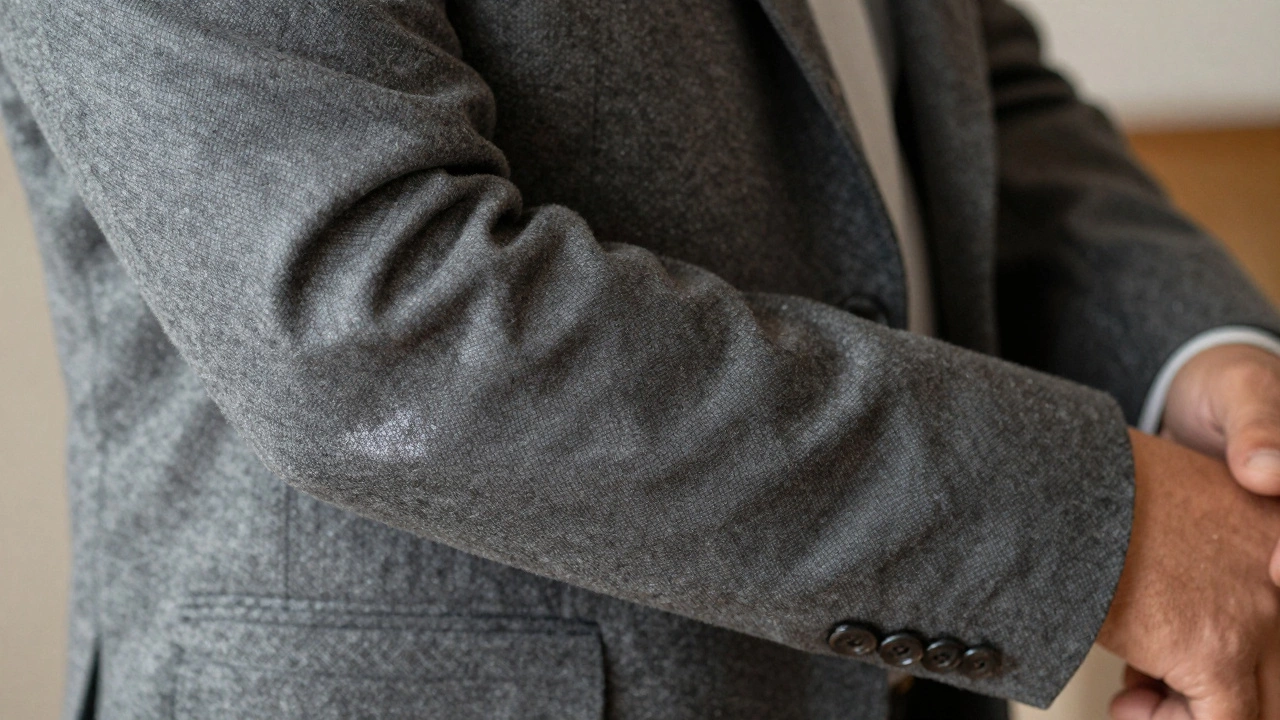
- Fabric Sheen: Have you noticed the elbows or seat of the trousers looking shiny? This means the fibers have been crushed flat by friction. No amount of dry cleaning will fix this. Once the sheen sets in, the suit looks tired, regardless of how clean it is.
- Stretched Sleeves or Knees: If the sleeves hang lower than they used to, or if the knees bag out, the internal structure (the canvas) has likely failed. You can sometimes patch this with a tailor, but often the cost outweighs the value of the garment.
- Outdated Cut: Fashion moves slowly in menswear, but it does move. If your suit has super-wide lapels from the early 2010s or an excessively long jacket from the late 90s, it might be time for an update. A classic navy or charcoal suit rarely goes out of style, but extreme cuts eventually look costume-like.
- Persistent Odors: If the smell of smoke, sweat, or perfume remains after professional cleaning, the lining or padding has absorbed odors deep within. This is a hygiene issue, not just an aesthetic one.
Quality Dictates Longevity
Not all suits are created equal. The price tag you pay upfront determines how long the garment survives. Understanding the construction helps you decide whether to repair or replace.
| Construction Type | Description | Average Lifespan (Regular Wear) | Maintainability |
|---|---|---|---|
| Fused | Cheapest option; interlining is glued to the fabric. | 2-4 years | Low (glue bubbles over time) |
| Half-Canvas | Middle ground; canvas on chest, fused elsewhere. | 5-8 years | Medium (can be pressed carefully) |
| Full Canvas | Premium; entire front is stitched canvas. | 10+ years | High (molds to body, repairs possible) |
If you bought a fused suit from a fast-fashion retailer, expect it to lose its shape after a few dry cleansings. The glue separates, causing "bubbling" under the lapel. At this point, the suit is unsalvageable. You must replace it. If you invested in a half-canvas or full-canvas suit, you have options. A skilled tailor can re-pad the shoulders, replace the lining, and even shorten the legs. These suits are investments that appreciate in utility because they adapt to your body changes over time.
The Role of Tailoring in Extending Life
Tailoring is the secret weapon for making a suit last longer. Many men throw away a suit because it doesn’t fit their current body, but a tailor can often solve this. If you’ve lost weight, taking in the waist and seat is relatively inexpensive. If you’ve gained weight, letting out seams works if there is enough fabric allowance.
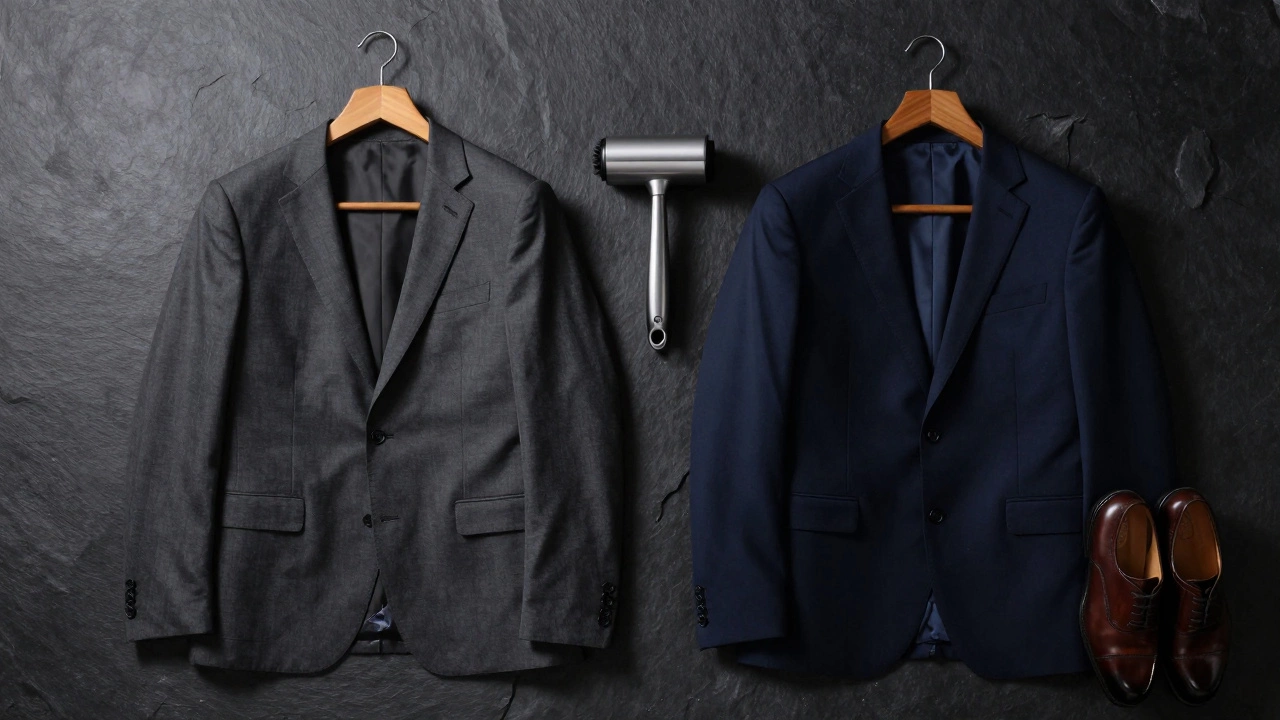
Consider these maintenance steps as part of your "buying cycle." Every time you take a suit to the dry cleaner, ask them to check for loose buttons or minor tears. Fixing a small tear costs $15. Replacing a whole suit costs $300+. Small interventions extend the life of the garment significantly. Also, invest in wooden hangers. Wire hangers distort the shoulder shape, leading to premature sagging. A wide, contoured wooden hanger supports the suit’s architecture.
Building a Versatile Capsule Wardrobe
Instead of asking "how often should I buy a suit," ask "do I need another suit right now?" Most men benefit from a capsule approach. Start with two core colors: Navy and Charcoal Grey. These colors are neutral, professional, and mix-and-match friendly. You can wear the navy jacket with grey trousers and vice versa, effectively giving you four outfits from two suits.
Once you have these two anchors, you can add a third suit in a lighter color like mid-grey or a patterned texture like a subtle glen plaid for weddings or creative industries. After that, stop buying suits unless your lifestyle changes dramatically. Adding a fourth or fifth suit often leads to redundancy. You’ll find yourself rotating the same three suits anyway. Better to save that money for quality shoes or shirts, which wear out faster.
When to Upgrade vs. Replace
Sometimes, you don’t need a new suit; you need a refresh. If your suit fits well but looks dull, try having it professionally cleaned and pressed. Steam removes wrinkles and revitalizes the wool fibers. If the color has faded slightly, a darker tie or pocket square can draw attention away from the fabric’s age.
However, if your job requirements change-for example, moving from a casual startup to a formal law firm-you may need to upgrade. In this case, look for timeless cuts. Avoid trendy details like contrast stitching or unusual collar shapes. Stick to notch lapels, single-breasted jackets, and straight-leg trousers. These styles endure decades of fashion shifts, ensuring your investment remains relevant.
Cost Per Wear Analysis
To make rational decisions, calculate the cost per wear. If you buy a $500 suit and wear it 50 times, that’s $10 per wear. If you buy a $150 suit and wear it 10 times before it falls apart, that’s $15 per wear. The cheaper suit was actually more expensive in the long run. Plus, it looked worse during those 10 wears. High-quality garments offer better value because they maintain their appearance longer. This economic perspective helps justify spending more upfront on fewer, better pieces.
How many suits should a man own?
Most men need between two and three suits. One navy and one charcoal grey cover 90% of professional occasions. A third suit in a lighter shade or pattern adds versatility for events like weddings or creative workplaces. Owning more than three often leads to underutilization and wasted money.
Can you repair a bubbled suit lapel?
Generally, no. Bubbling occurs when the glue holding the interlining to the fabric fails, common in fused suits. While a master tailor might attempt a complex reconstruction, it is often more cost-effective to replace the suit. This is why investing in half-canvas or full-canvas construction prevents this issue entirely.
How often should you dry clean a suit?
No more than twice a year, or only when visibly soiled. Dry cleaning chemicals break down wool fibers over time, shortening the suit's lifespan. Between cleanings, brush off dust with a clothes brush, air it out, and use a steamer to remove wrinkles. Spot clean minor stains instead of sending the whole garment to the cleaners.
Is it worth buying a custom suit?
If you have irregular proportions or wear suits frequently, yes. Custom suits offer superior fit and durability because they are built specifically for your body. For occasional wearers, a well-tailored off-the-rack suit offers better value. The key is always getting alterations done immediately after purchase to ensure a perfect fit.
What is the best color for a first suit?
Navy blue is the most versatile first suit. It works for business meetings, interviews, weddings, and funerals. It pairs well with white, light blue, and pink shirts, as well as brown and black shoes. Charcoal grey is a close second, offering a slightly more formal alternative suitable for winter events.