Crib Safety: Essential Tips for a Secure Sleep Environment for Babies
When it comes to crib safety, the set of practices and standards designed to prevent injury or death in infant sleep environments. Also known as baby sleep safety, it’s not just about keeping your baby in a crib—it’s about making sure every part of that crib works for their safety, not just convenience. A crib isn’t just furniture. It’s your baby’s entire world for the first few years, and even small mistakes can turn into serious risks. The American Academy of Pediatrics doesn’t just recommend safe sleep practices—they’ve spent decades studying what actually works, and their guidelines are based on real data, not opinions.
One of the biggest dangers? Gaps. Gaps between the mattress and the crib sides can trap a baby’s head or neck. That’s why crib mattress fit, the exact measurement of space between the mattress and crib frame. A firm mattress should leave no more than two fingers’ width of space on any side. Then there’s baby bedding, anything placed inside the crib besides the baby and a fitted sheet. This includes blankets, pillows, stuffed animals, and bumper pads—all of which are banned in modern crib safety standards because they increase the risk of suffocation and SIDS. Even soft toys that seem harmless can become hazards. And don’t forget the slats. If they’re more than 2 3/8 inches apart, a baby’s head can slip through. That’s not a guess—it’s a federal standard.
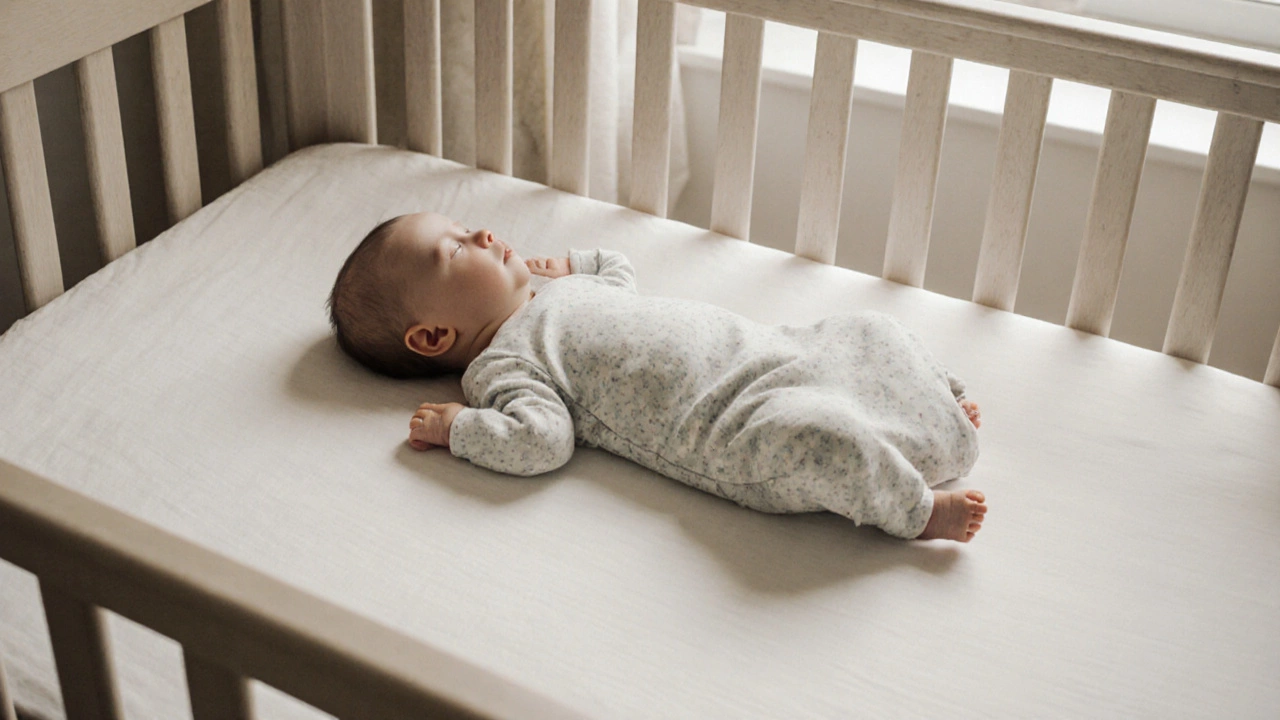
What about positioning? Your baby should always sleep on their back, on a flat, firm surface. No wedges, no inclined sleepers, no sleepers that claim to "reduce reflux." Those have been recalled. The safest crib has no mobiles, no hanging toys, and no loose strings. Even the crib skirt can be a risk if it drapes low enough to be pulled. And while you might think a nightlight or sound machine helps, keep them far enough away that cords can’t reach the crib. Every detail matters.
It’s easy to feel overwhelmed, especially when you see so many "must-have" baby products. But crib safety isn’t about buying more—it’s about removing the wrong things. You don’t need a $500 smart crib. You need a sturdy, empty crib with a tight-fitting sheet and a baby who’s safe to sleep alone. That’s it.
Below, you’ll find real advice from parents and experts on what actually keeps babies safe at night. From how to check your crib’s slat spacing to when it’s time to move your toddler out of the crib, these posts cut through the noise. No fluff. Just clear, actionable steps to protect your little one while they sleep.
How Long Is SIDS a Risk? A Clear Timeline for Parents
SIDS risk peaks between 2 and 4 months but remains present until age 1. Learn when it's safe to use blankets, how to reduce risk, and what practices actually work based on current medical guidelines.
Read more