Summer Color Comfort Calculator
Enter your preferences to see how cool you'll stay.
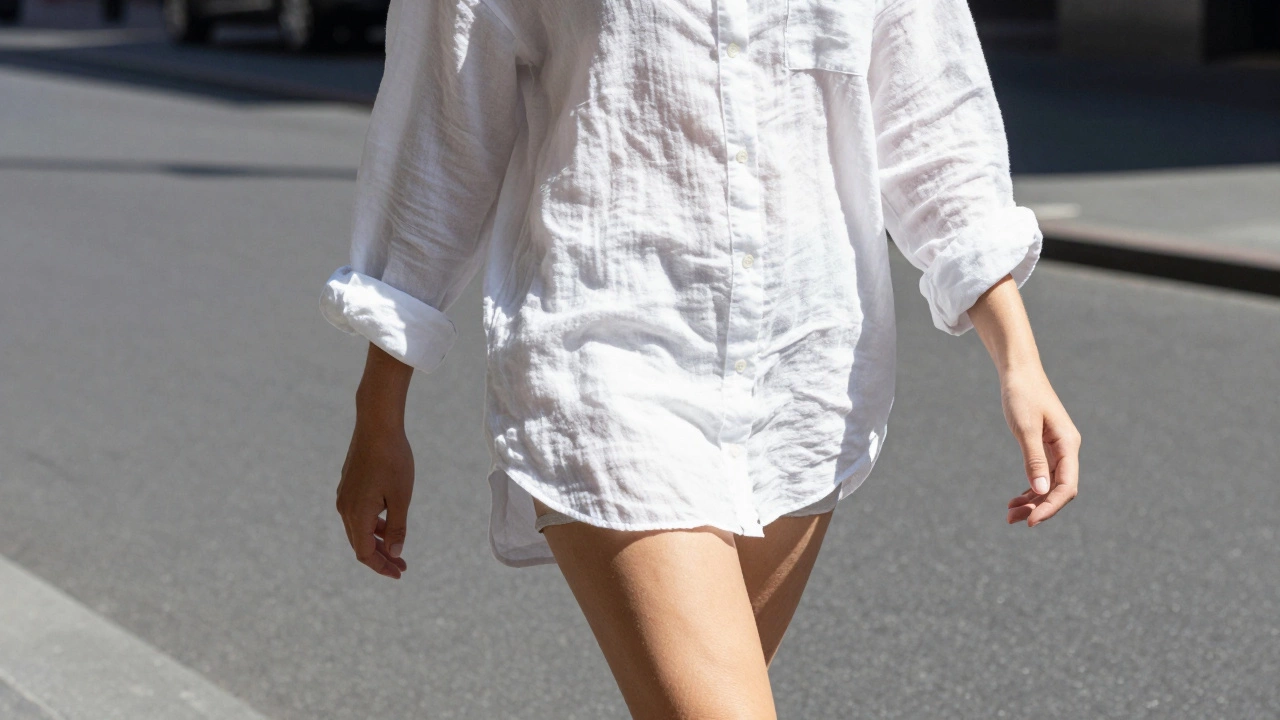
It is mid-June here in Melbourne, and the sun is already blazing. You step outside, and the pavement feels like it’s radiating heat straight up your legs. You’re dressed for the season-light fabrics, loose cuts-but you still feel like you’re carrying a heavy blanket of warmth on your shoulders. Why? It might not be just the temperature. It could be the color of your shirt.
We’ve all heard the old advice: "Wear white in summer." But is that actually true? Or is it just a rule we repeat because it sounds sensible? The truth is more interesting. Color isn’t just about looking good; it’s physics. It’s about how light hits your fabric, how much heat gets trapped, and how your body loses that heat to the air around you. Getting this right means the difference between sweating through your outfit by noon and staying crisp until sunset.
The Physics of Heat and Fabric
To understand why some colors keep you cooler, you have to look at what happens when sunlight hits your clothes. Sunlight carries energy. When that energy hits a surface, three things can happen: it reflects off, it passes through, or it gets absorbed. Absorbed energy turns into heat. That’s why asphalt gets so hot-it’s dark and absorbs almost all the light hitting it.
Absorption rate is the percentage of light energy a material takes in rather than reflecting away. Dark colors like black, navy, and deep red have high absorption rates. They soak up visible light and convert it into thermal energy, warming the fabric against your skin. Light colors like white, beige, and pastels have low absorption rates. They bounce most of that energy back into the atmosphere.
So, logically, white should be the coolest. And in many cases, it is. But there’s a catch. If the air around you is hotter than your body, wearing a color that traps heat inside the garment can actually help create a barrier. This is where it gets tricky. In dry, hot climates like the Middle East, traditional robes are often dark. Why? Because the loose fit creates airflow, and the dark outer layer heats up but doesn’t transfer all that heat to the skin if the air circulation is strong enough. However, for most of us walking around cities with concrete and limited breeze, sticking to lighter shades is usually the safer bet.
Why White Isn’t Always the Winner
You might think white is the ultimate summer hero. It reflects visible light beautifully. But sunlight isn’t just visible light. It also includes ultraviolet (UV) radiation and infrared (IR) radiation. While white reflects visible light well, it doesn’t block UV rays as effectively as darker colors do. This means you might stay cool, but you could burn faster.
Here is the balance you need to strike:
- Visible Light Reflection: White and pale yellows win here. They keep the immediate fabric temperature lower.
- UV Protection: Darker colors like navy blue or black absorb UV rays before they hit your skin. A tightly woven black shirt offers better sun protection than a thin white one.
- Infrared Emission: Some recent studies suggest that certain bright colors, like red, can reflect infrared radiation better than white, keeping the heat from penetrating deep into the fabric fibers.
So, if you’re standing still in the shade, white is great. If you’re out in direct sun for hours, a slightly deeper tone might protect your skin better without making you overheat, provided the fabric is breathable.
The Best Cool Colors for Summer
If you want to maximize comfort while looking stylish, focus on these specific hues. They offer the best mix of heat reflection, UV defense, and visual appeal.
| Color | Heat Reflection | UV Protection | Best For |
|---|---|---|---|
| White | Excellent | Low (unless treated) | Shade, evening wear, indoor events |
| Light Blue | Very Good | Moderate | All-day outdoor activities |
| Pastel Pink/Yellow | Good | Low-Moderate | Casual outings, beach days |
| Navy Blue | Poor | High | High UV exposure, loose-fitting garments |
| Red | Moderate | High | Long sun exposure, hiking |
Light Blue is often underrated. It reflects a significant amount of solar radiation while offering slightly better UV resistance than pure white. Plus, it hides sweat stains better than white does-a practical bonus for humid days.
Pastel tones like soft pink, mint green, and pale yellow are fantastic alternatives. They reflect heat similarly to white but add a pop of personality. Just avoid neon versions, which can sometimes absorb more infrared energy depending on the dye composition.
Fabric Matters More Than Color
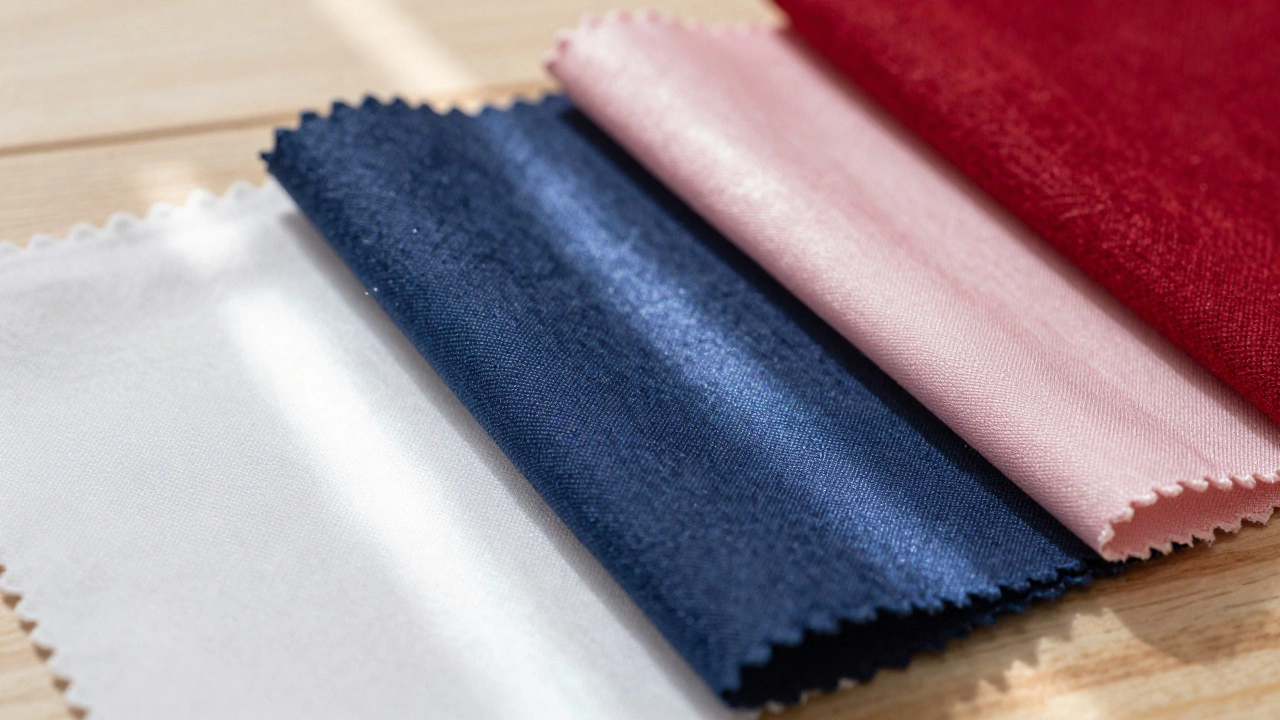
Let’s be real: a tight black polyester shirt will make you miserable no matter what the science says. Conversely, a loose linen shirt in a medium grey can keep you surprisingly cool. The material and fit play a huge role in how temperature-regulating your outfit is.
Natural fibers like Cotton, Linen, and Hemp are breathable. They allow air to circulate close to your skin, helping evaporate sweat. Synthetic fabrics like polyester trap moisture and heat unless they are specifically designed for sportswear with moisture-wicking technology.
Fit is equally important. Tight clothing sticks to your skin, reducing airflow. Loose clothing creates a chimney effect. As warm air rises inside the garment, it draws in cooler air from the bottom. This ventilation works best with lighter colors, but even darker fabrics can benefit if they’re cut loosely enough.
Practical Tips for Staying Cool
Here is how to apply this knowledge to your wardrobe this summer:
- Choose Light Neutrals for Direct Sun: Stick to white, cream, or light grey when you’ll be in open sunlight for extended periods.
- Use Darker Shades for Shade or Evening: Navy or black looks sharp and offers UV protection when the sun is less intense or you’re under umbrellas and trees.
- Layer Strategically: Wear a light-colored base layer next to your skin and a slightly darker, loose outer layer if you need extra sun protection. The outer layer blocks UV, while the inner layer wicks sweat.
- Check the Weave: Hold your shirt up to the light. If you can see threads clearly, UV rays can pass through. Look for tighter weaves or UPF-rated clothing.
- Avoid Neon Brights: While they look vibrant, some neon dyes absorb more infrared heat. Opt for muted pastels instead.
Common Myths Debunked
There are plenty of misconceptions about summer dressing. Let’s clear them up.
"Black is always hottest." Not necessarily. In windy conditions, black can release heat faster than white due to its emissivity properties. But in still air, it will definitely feel warmer.
"White protects against sunburn." False. Standard white cotton t-shirts have a UPF (Ultraviolet Protection Factor) of only about 5-7. That means 1/5th to 1/7th of UV rays reach your skin. You still need sunscreen.
"Bright colors attract bugs." Actually, mosquitoes are drawn to carbon dioxide and body odor, not color. However, some insects are attracted to bright floral patterns. Solid pastels are generally safer if you’re worried about bites.
Final Thoughts on Summer Style
Choosing the coolest color isn’t just about physics; it’s about context. Are you running errands in the city? Go light and loose. Hiking in the bush? Prioritize UPF and breathability over pure reflectivity. Attending an evening barbecue? Darker tones work fine once the sun dips below the horizon.
The goal is balance. You don’t have to sacrifice style for comfort. By understanding how light interacts with fabric, you can build a summer wardrobe that keeps you cool, protected, and confident. Next time you shop, pay attention to both the hue and the weave. Your skin-and your thermostat-will thank you.
Is white really the best color to wear in summer?
White is excellent for reflecting visible light and keeping you cool in direct sun. However, it offers poor UV protection compared to darker colors. For maximum comfort and safety, pair white with sunscreen or choose a lightweight, tightly woven fabric.
Does black clothing make you hotter?
Yes, black absorbs more solar radiation, converting it into heat. This makes black feel warmer against the skin, especially in still air. However, loose-fitting black garments can allow airflow that mitigates some of this heat buildup, and they provide superior UV protection.
What is the best fabric for staying cool in summer?
Natural fibers like linen, cotton, and hemp are the best choices. They are breathable and allow air to circulate close to the skin, facilitating sweat evaporation. Linen is particularly effective because its loose weave promotes maximum airflow.
Do bright colors reflect heat better than pastels?
Not necessarily. While bright colors reflect visible light, some neon dyes can absorb infrared radiation, trapping heat. Pastels like light blue, pale pink, and mint green offer a good balance of heat reflection and visual appeal without the potential heat-trapping issues of some neons.
How does clothing fit affect temperature regulation?
Loose-fitting clothing allows air to circulate between the fabric and your skin. This "chimney effect" helps draw cool air in and push warm air out. Tight clothing restricts airflow and traps body heat, making you feel warmer regardless of the color.