The Evolution of the Baby Crib: An Interactive Timeline
Click "Start Timeline" or use the buttons below to navigate through key milestones in the history of how babies slept.
Imagine a world where your newborn sleeps in the same bed as you, or perhaps on a mat on the floor. For most of human history, that was the norm. The idea of a separate, enclosed piece of furniture specifically for an infant to sleep in is actually quite recent. So, when did we start putting babies in cribs? The answer isn't a single date, but a gradual shift driven by changing social structures, industrialization, and evolving ideas about childrearing.
The Pre-Crib Era: Sleeping with Parents
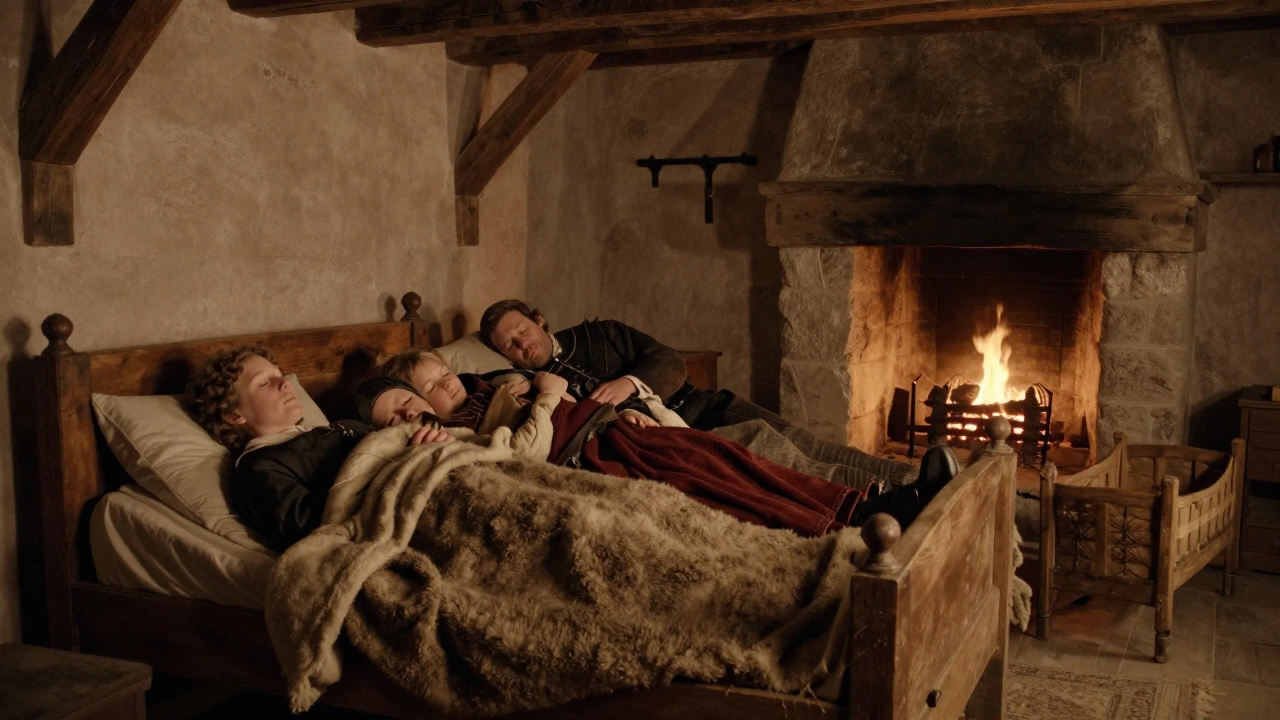
Before the 18th century, the concept of a dedicated "nursery" barely existed in Western households. Infants slept wherever there was space-on the family bed, in a cradle attached to the wall, or in a bassinet near the hearth. This practice, known as co-sleeping, was practical. It kept the baby warm and made night feedings easier for mothers. There was no widespread cultural pressure to separate the child from the parents during sleep. In fact, keeping the infant close was seen as a sign of good parenting and protection.
However, even then, some forms of separation existed. Cradles were common, especially among wealthier families who could afford specialized furniture. These early cradles were often simple wooden boxes with rockers, sometimes decorated with carvings. But they weren't always used exclusively for sleeping; many served as storage or seating when not in use. The key difference between a cradle and a modern crib is the intent. A cradle was a multi-purpose item, whereas the crib became a symbol of the infant's distinct status within the family unit.
The 18th Century: The Birth of the Modern Crib
The real turning point came in the mid-1700s. As Enlightenment ideas spread through Europe, particularly in Britain and France, attitudes toward children began to change. Philosophers like John Locke argued that children were blank slates to be shaped by education and environment. This led to a new emphasis on hygiene, discipline, and individuality. Suddenly, the messy, chaotic family bed seemed less ideal for raising a "proper" citizen.
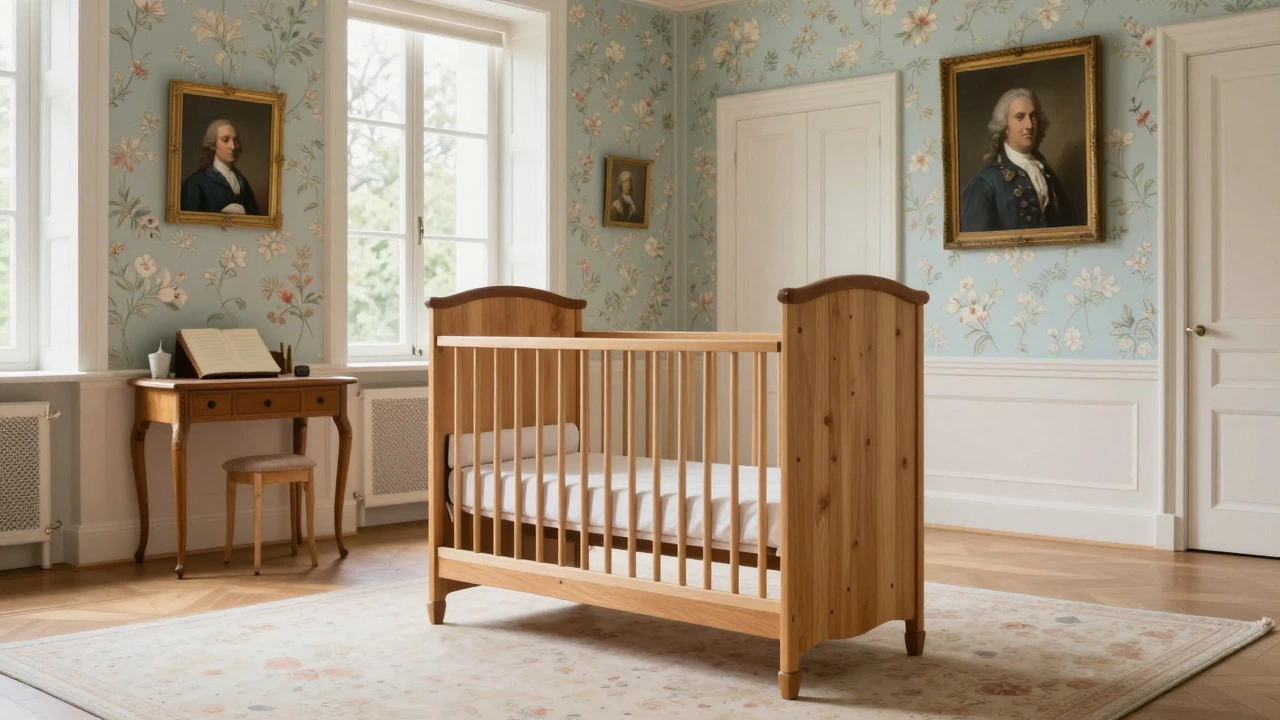
This cultural shift gave rise to the first true cribs. Early examples were often high-sided beds with slats, designed to keep the baby safe while allowing air circulation. They were frequently placed in separate rooms, marking the beginning of the "nursery" as a distinct space in the home. Wealthy families were the first to adopt this trend, viewing it as a mark of sophistication and modern thinking. By the late 1700s, cribs were appearing in the homes of the upper and middle classes across Europe and America, though they remained a luxury for many.
The Victorian Era: Standardizing Infant Sleep
If the 18th century introduced the crib, the 19th century perfected it. The Victorian era (1837-1901) saw an explosion in interest regarding childhood development. Doctors, nurses, and moralists began publishing guidelines on how to raise healthy, well-behaved children. Central to these guidelines was the idea that infants needed their own space to develop independence and good habits.
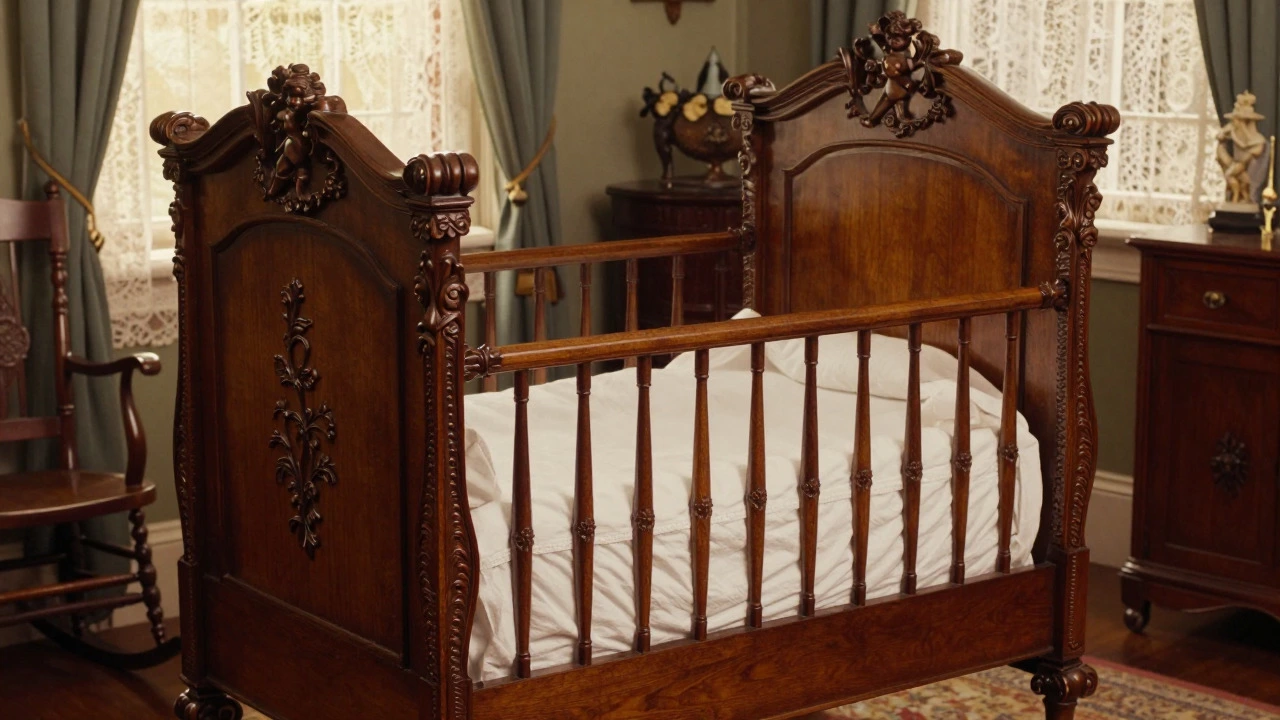
Cribs became standard furniture in middle-class homes. Manufacturers started producing them in various styles, from ornate mahogany pieces with carved angels to simpler pine models. The design focused heavily on safety and containment. High sides prevented falls, and sturdy construction ensured durability. This period also saw the rise of the "nursery