Safe Sleep & SIDS Risk Calculator
Age-Based Risk Assessment
Adjust the slider to see relative SIDS risk levels based on AAP data.
Crib Safety Checklist
Click items to add them to your crib. See if it's safe!
Wearable Blanket
Loose Blanket
Pillow
Stuffed Animal
Crib Bumper
Firm Mattress
Current Status: Neutral
Most new parents feel a knot in their stomach every time they lay their newborn down. It is natural to worry about the unknown, especially when it comes to something as serious as Sudden Infant Death Syndrome (SIDS), which is the unexplained death of a seemingly healthy baby less than a year old. The question "what age is SIDS a risk" pops up constantly in parenting forums and late-night Google searches. The short answer is that the risk is highest between one and four months of age, but the danger zone technically extends until your child turns one. Knowing exactly where the timeline sits helps you make smarter choices about what goes into that crib.
The Critical Timeline: When Is the Risk Highest?
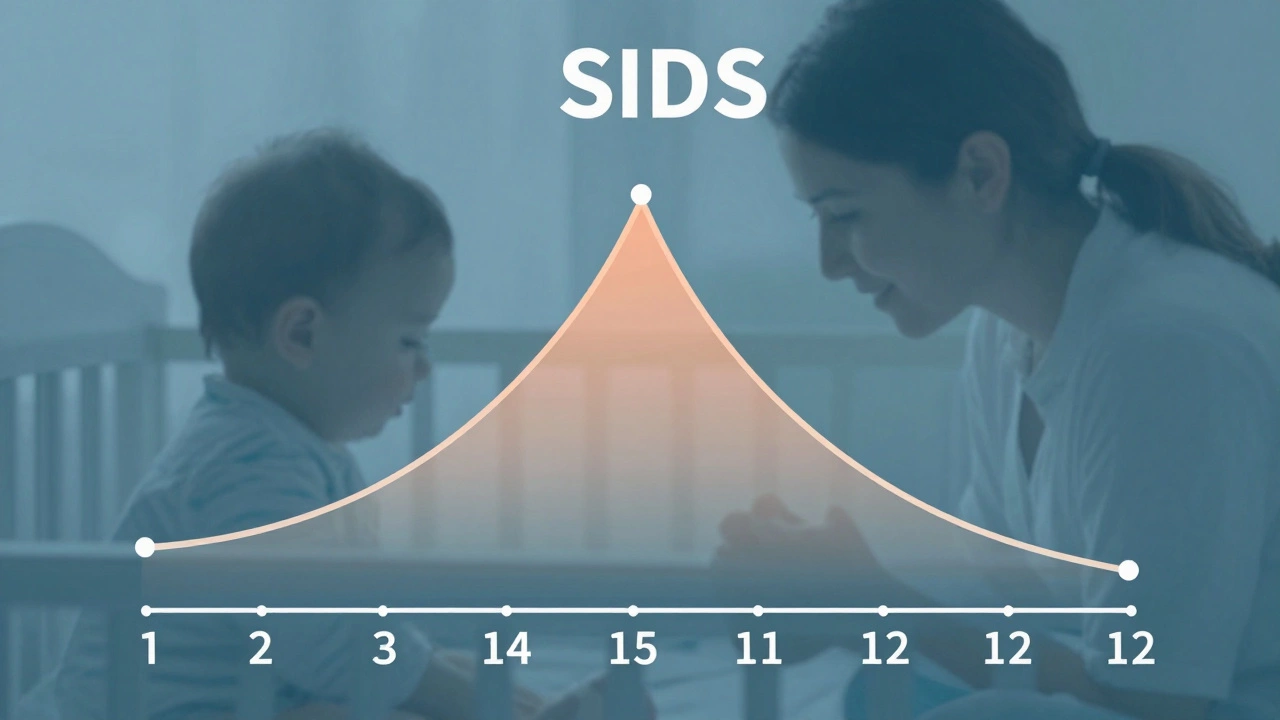
To understand how to protect your baby, you first need to look at the data. SIDS is not random; it clusters around specific developmental windows. According to the American Academy of Pediatrics (AAP), which is a professional association of pediatricians based in Elk Grove Village, Illinois, the peak incidence occurs between one and four months. This is why those first few weeks and months are so intense for parents. You are watching like a hawk, and for good reason.
However, the risk does not vanish after month four. About 90% of SIDS cases happen before six months of age. By nine months, the numbers drop significantly. After twelve months, we generally stop calling it SIDS and start looking at other causes of sudden unexpected death. So, while the absolute highest danger is in that first quarter of life, you should maintain strict safe sleep practices for the entire first year. That means being careful with baby blankets, which are textiles used to cover infants during sleep. even if your baby seems out of the woods at five or six months.
Why Blankets Are a Major Factor in SIDS Risk
You might be wondering why a soft blanket is such a big deal. It feels comforting, right? But for an infant, loose bedding is a suffocation hazard. Babies lack the motor skills to move their heads away from obstructions or push heavy fabrics off their faces. If a blanket covers their nose and mouth, they cannot breathe, and their immature brain may not trigger the wake-up reflex needed to gasp for air.
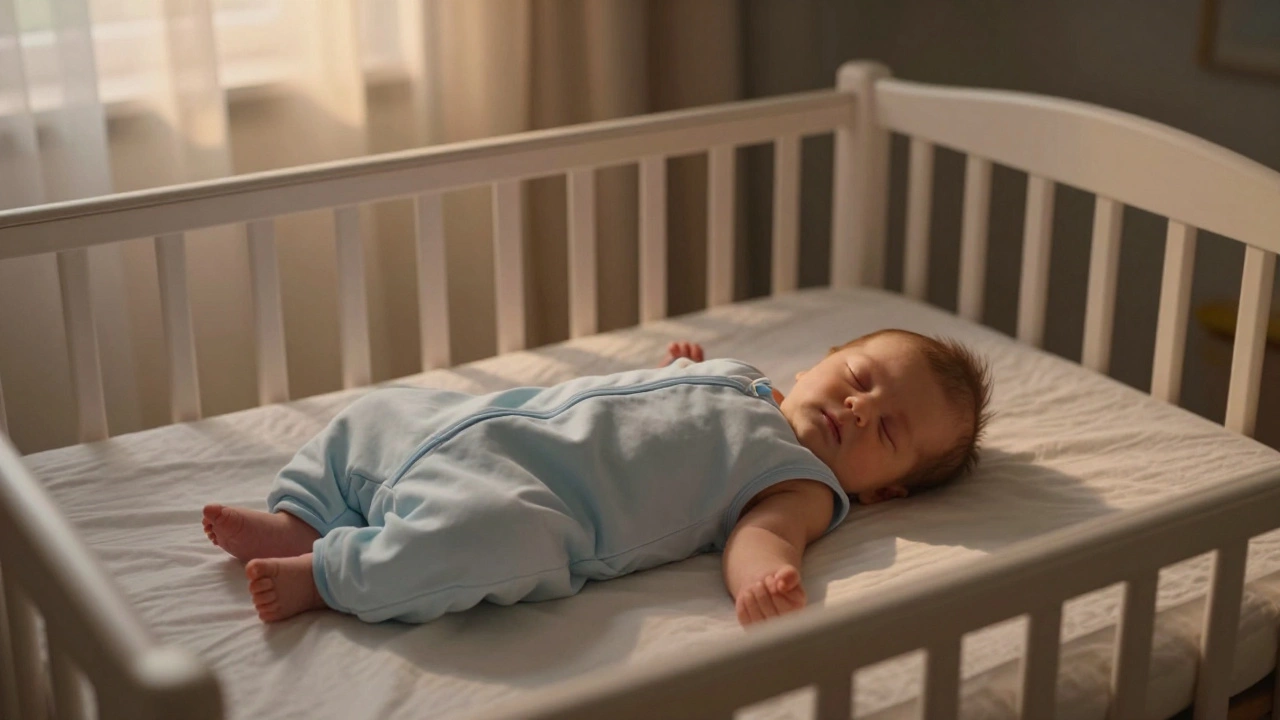
This is why the AAP recommends a "bare is best" approach to cribs. No pillows, no bumpers, and definitely no loose blankets. Instead of using a traditional receiving blanket, many experts suggest using a wearable blanket or sleep sack. These items act like a swaddle or a sleeping bag, keeping the baby warm without any loose fabric that could drift over their face. Using a wearable blanket, which is a sleeveless garment designed to keep babies warm while allowing arm movement, eliminates the risk of entanglement entirely.
Safe Sleep Environment: More Than Just the Blanket
Removing the blanket is just one piece of the puzzle. To truly lower the risk of SIDS, you need to look at the entire sleep environment. Here are the core rules that have saved countless lives:
- Back to Sleep: Always place your baby on their back for every sleep-naps and nighttime. Tummy sleeping increases the risk of SIDS by up to thirteen times compared to back sleeping.
- Firm Surface: Use a firm mattress covered by a fitted sheet. Soft mattresses, waterbeds, sofas, and adult beds are dangerous because babies can sink in and become trapped.
- Room Sharing: Keep the baby’s sleep area in your room, close to your bed, for at least the first six months. Room sharing reduces the risk of SIDS by as much as 50%, but bed-sharing increases the risk due to the potential for rolling over or suffocation under pillows.
- No Overheating: Dress your baby appropriately for the room temperature. If you use a wearable blanket, check the tog rating (thermal insulation) to ensure it matches the room's heat. Overheating is a known risk factor for SIDS.
When Can You Introduce Pillows and Duvets?
Parents often ask when they can transition to "big kid" bedding. The general consensus among safety organizations is to wait until the child is at least one year old. Even then, you should assess their mobility. If your toddler can easily move around, roll over, and push objects away from their face, the risk decreases. However, many pediatricians recommend waiting until age two or three for pillows and duvets to be completely safe. Until then, stick to the wearable blanket and a firm crib mattress.
Common Myths About SIDS and Blankets
Misinformation spreads quickly on social media, leading to unsafe practices. Let’s clear up a few common myths:
| Myth | Fact |
|---|---|
| Babies sleep better with a blanket. | While some babies may seem calm, the risk of suffocation outweighs any perceived comfort. Wearable blankets provide warmth without the danger. |
| If my baby rolls over, I can leave them on their tummy. | You should always place your baby on their back. If they roll over on their own (usually around 4-6 months), you do not need to flip them back, but you must still remove all loose bedding. |
| Monitors prevent SIDS. | Commercial monitors have not been proven to reduce SIDS risk. They offer peace of mind but do not replace safe sleep practices. |
| Soft toys are fine if they are small. | Any object that is not tightly attached to the mattress poses a suffocation risk. Keep stuffed animals out of the crib until the baby is older. |
How to Choose the Right Wearable Blanket
Since you are avoiding loose blankets, choosing the right alternative is crucial. Not all sleep sacks are created equal. Look for these features:
- Zipper Guards: Ensure the zipper has a flap or guard at the bottom to prevent it from pinching your baby’s chin or neck.
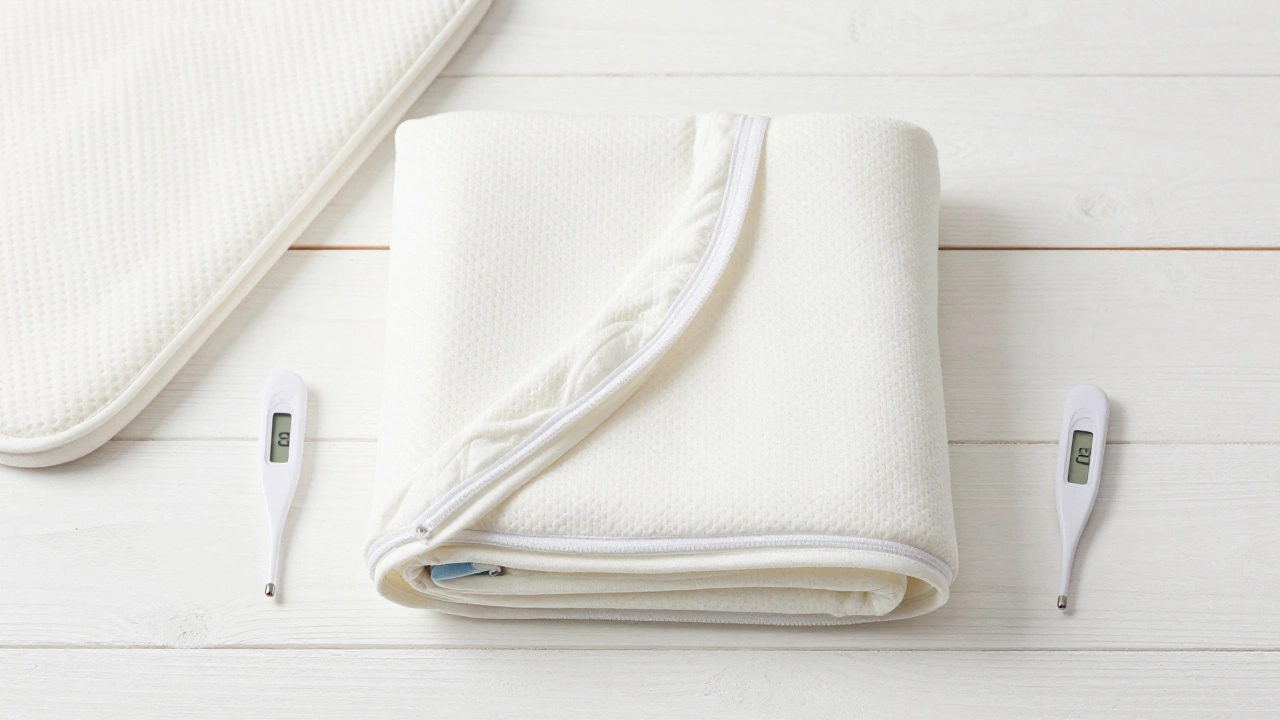
- Appropriate Tog Rating: A tog rating measures thermal insulation. For a room temperature of 18-20°C (65-68°F), a 2.5 tog wearable blanket is usually ideal. In warmer Australian summers, a 0.5 or 1.0 tog might be sufficient.
- Easy Diaper Changes: Look for zippers that open fully or have double-way zippers so you can change diapers without undressing the baby completely.
- Size Appropriateness: Make sure the sleep sack fits snugly but allows for growth. A sack that is too large can bunch up and pose a risk.
Signs Your Baby Is Ready to Transition
Every baby develops at their own pace. Some signs that your child might be ready to transition away from strict newborn sleep protocols include:
- Consistently rolling from back to tummy and tummy to back.
- Showing interest in moving around the crib.
- Reaching the one-year milestone.
Even when they show these signs, continue to prioritize a clutter-free crib. The goal is to create a habit of safe sleep that lasts long past the SIDS risk window.
Final Thoughts on Peace of Mind
Knowing that SIDS risk peaks between one and four months can help you stay vigilant during the most critical period. By removing loose baby blankets and opting for wearable alternatives, you significantly reduce the chances of accidental suffocation. Remember, safe sleep is not just about following rules; it is about creating an environment where your baby can thrive safely. Trust your instincts, consult your pediatrician, and keep the crib bare.
What is the exact age range for SIDS risk?
The risk of SIDS is highest between one and four months of age. Approximately 90% of cases occur before six months, and the vast majority happen before nine months. While the risk drops significantly after one year, safe sleep practices should be maintained throughout the first twelve months.
Can I use a lightweight muslin blanket instead of a wearable blanket?
The American Academy of Pediatrics advises against using any loose blankets, including lightweight muslin ones, for infants under one year. Even thin blankets can cover a baby's face and cause suffocation. Wearable blankets or sleep sacks are the recommended safer alternative because they stay securely on the baby's body.
Is it safe to let my baby sleep on their tummy once they can roll over?
You should always place your baby on their back to sleep. If your baby rolls over on their own, typically around four to six months, you do not need to wake them and flip them back. However, you must ensure the sleep surface is firm and free of loose blankets, pillows, and soft toys to minimize suffocation risks.
At what age can I introduce a pillow to my child's bed?
Most pediatricians recommend waiting until at least age two or three before introducing a pillow. Before this age, pillows pose a suffocation hazard. Toddlers do not need pillows for spinal support, and their necks are not developed enough to require the elevation a pillow provides.
Does room temperature affect SIDS risk?
Yes, overheating is a known risk factor for SIDS. Keep the nursery at a comfortable temperature for a lightly clothed adult, typically between 18-20°C (65-68°F). Avoid overdressing your baby and use wearable blankets with appropriate tog ratings to regulate their body temperature safely.