Baby Carrier Fit & Safety Checker
Enter details and click "Check Compatibility" to see recommendations.
Quick Reference: Common Carrier Limits
| Carrier Type | Typical Max Weight | Best For |
|---|---|---|
| Standard SSC | ~20 kg (44 lbs) | Infants to Preschoolers |
| Toddler-Specific | ~28+ kg (60+ lbs) | Toddlers to Young Children |
| Hiking Frame | ~25-35 kg | Aged 2-5, Long Distances |
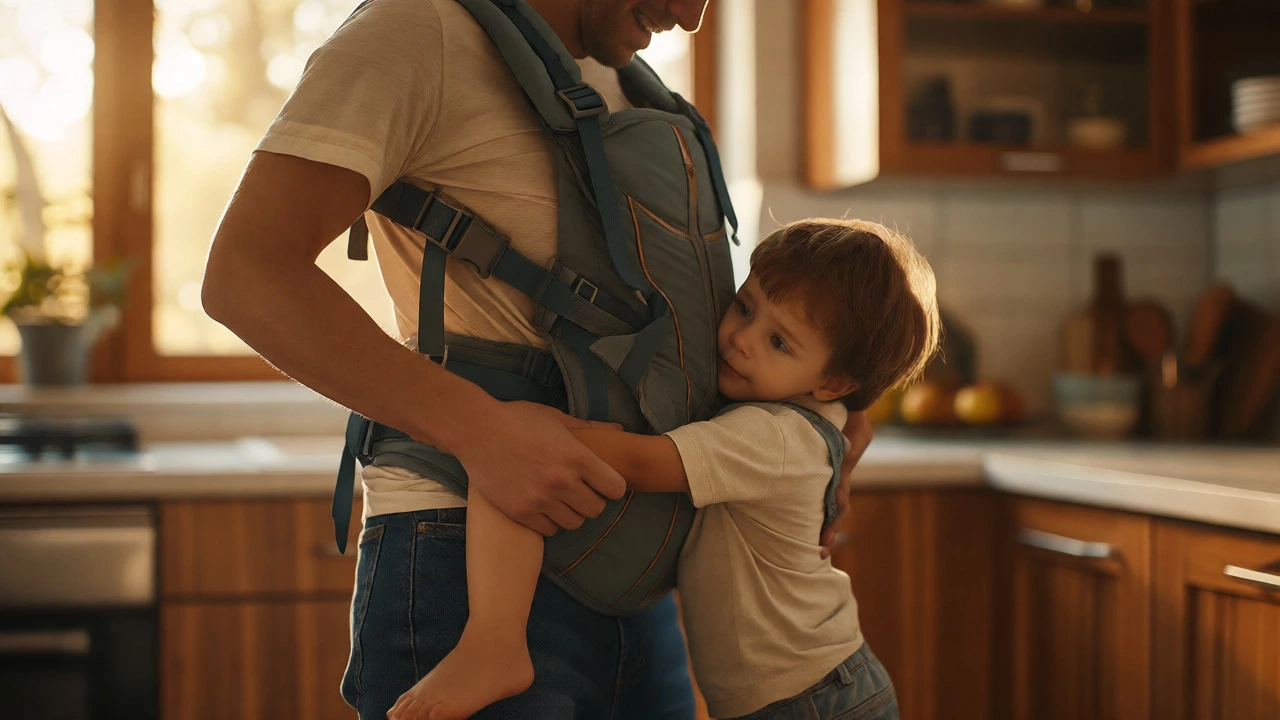
You’re standing in the kitchen, trying to chop vegetables while your two-year-old clings to your leg like a koala. You grab the carrier you used when they were six months old, but now it feels less like a support system and more like a wrestling match. The fabric is straining, their legs are dangling awkwardly, and your lower back is already sending warning signals. So, what age is too big for a baby carrier?
Here’s the short answer: there isn’t one single magic number. Most standard carriers are designed for children up to about 15 to 20 kilograms (33-44 pounds), which usually hits around age three or four. But "too big" isn't just about weight-it's about comfort, safety, and whether the carrier still fits your body mechanics correctly. If you’re forcing a five-year-old into an infant wrap, you’re doing it wrong. If you’re carrying a healthy, active two-year-old in a structured carrier that fits, you’re likely fine.
The Weight Limit Reality Check
Before you worry about birthdays, look at the scale. Every baby carrier is a wearable device designed to hold an infant or toddler close to the caregiver’s body has a manufacturer-specified weight range. Ignoring these limits is risky because the structural integrity of the buckles, straps, and fabric depends on them.
Most standard soft-structured carriers (SSCs) like Ergobaby or Tula have upper limits between 20kg and 28kg. Some specialized toddler carriers go higher, up to 35kg or even 45kg. If your child exceeds the weight limit printed on the tag, the carrier might not distribute the load evenly across your shoulders and hips anymore. Instead, all that weight pulls directly on your spine, leading to quick fatigue and potential injury.
| Carrier Type | Typical Weight Range | Best For Age Group | Comfort Factor |
|---|---|---|---|
| Ring Sling | 3.5kg - 16kg | Newborn to Toddler | High for short trips; uneven shoulder load |
| Soft Structured Carrier (Standard) | 3.5kg - 20kg | Infant to Preschooler | Balanced; good for daily use |
| Toddler-Specific SSC | 7kg - 28kg+ | Toddler to Young Child | Higher seat position; better leg support |
| Meh Dai / Pouch | 3.5kg - 18kg | Infant to Early Toddler | Custom fit; steep learning curve |
Physical Milestones Matter More Than Age
Age is a poor predictor of readiness. A tall, thin three-year-old might fit comfortably in a carrier that a shorter, heavier two-year-old outgrew. Instead of checking the calendar, check their physical development. The most critical factor is head control and core strength. If a child can sit independently and has full neck control, they can generally be carried safely from birth onward, provided the carrier supports their hips properly.
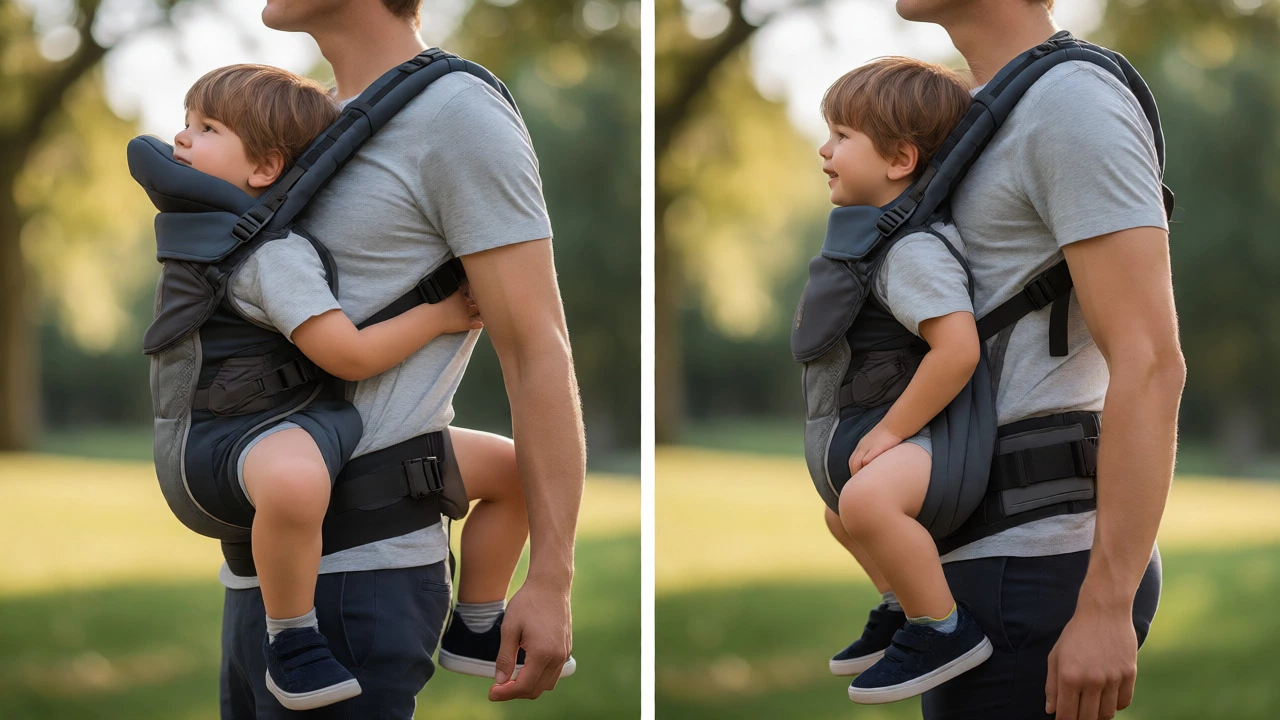
However, as kids grow, their center of gravity shifts. Infants need high support for their heads. Toddlers need wide seats that support them from knee to knee to prevent hip dysplasia issues. If your carrier’s seat panel doesn’t extend wide enough to support their thighs fully, the child’s legs will dangle. This isn’t just uncomfortable; it puts pressure on their developing hips and can cause numbness or circulation issues during long carries.
Signs Your Child Has Outgrown the Carrier
You don’t need a tape measure to know it’s time to stop using the current setup. Your body and your child’s behavior will tell you loud and clear. Watch for these red flags:
- Back Pain or Fatigue: If you feel sharp pain in your lower back or shoulders within 15 minutes, the weight distribution is off. This often means the carrier is too small for the child’s size, forcing you to compensate with poor posture.
- Leg Dangling: Look at their knees. They should be level with or slightly higher than their bottom. If their knees are straight and pointing down, the seat is too narrow.
- Head Support Issues: In older toddlers, if their head flops forward when they fall asleep, the carrier lacks adequate upper back support. While some slouching is normal, complete lack of support risks airway obstruction.
- Resistance and Fussiness: Older toddlers develop opinions. If they constantly try to climb out, kick, or cry immediately upon being put in, they may find the position restrictive or uncomfortable.
- Buckle Strain: Visually inspect the seams. If the fabric looks stretched or the buckles feel stiff and hard to click, the carrier is working overtime beyond its design capacity.
Safety Concerns for Heavier Children
Carrying a heavier child changes the physics of movement. When you lift a 20kg toddler, your balance point shifts significantly. Tripping hazards become more dangerous because stopping momentum takes longer. Additionally, heat regulation becomes a bigger issue. Two bodies pressed together generate significant heat, especially in warmer climates like Melbourne summers. Overheating can lead to fussiness, dehydration, or heat rash where the fabric touches the skin.
Another risk is spinal compression. While rare, improper carrying of heavy toddlers can strain the caregiver’s lumbar spine. Always engage your core muscles when lifting a child into a carrier. Do not rely solely on the straps to do the work. If you have pre-existing back issues, consult a physiotherapist before continuing to carry children over 15kg.
Alternatives When You Hit the Limit
So, your kid is too big for the standard carrier, but they still refuse to walk home from the park. What now? You have options that don’t involve carrying deadweight on your back.
- Switch to a Toddler-Specific Carrier: Brands like Osprey Porter or Deuter Kid Comfort make hiking-style carriers designed specifically for children aged 2-5. These have rigid frames and hip belts that transfer weight to your hips rather than your shoulders.
- Use a Waist Seat: Popular in Asia and increasingly common globally, a waist seat is a padded platform attached to a belt. It lets the child stand on it while facing outward, freeing up your arms. Great for short bursts of carrying without full back support.
- The "Piggyback" Technique: For school-age kids who tire quickly, piggyback rides are classic. Just ensure you maintain a firm grip on their legs and keep your center of gravity low.
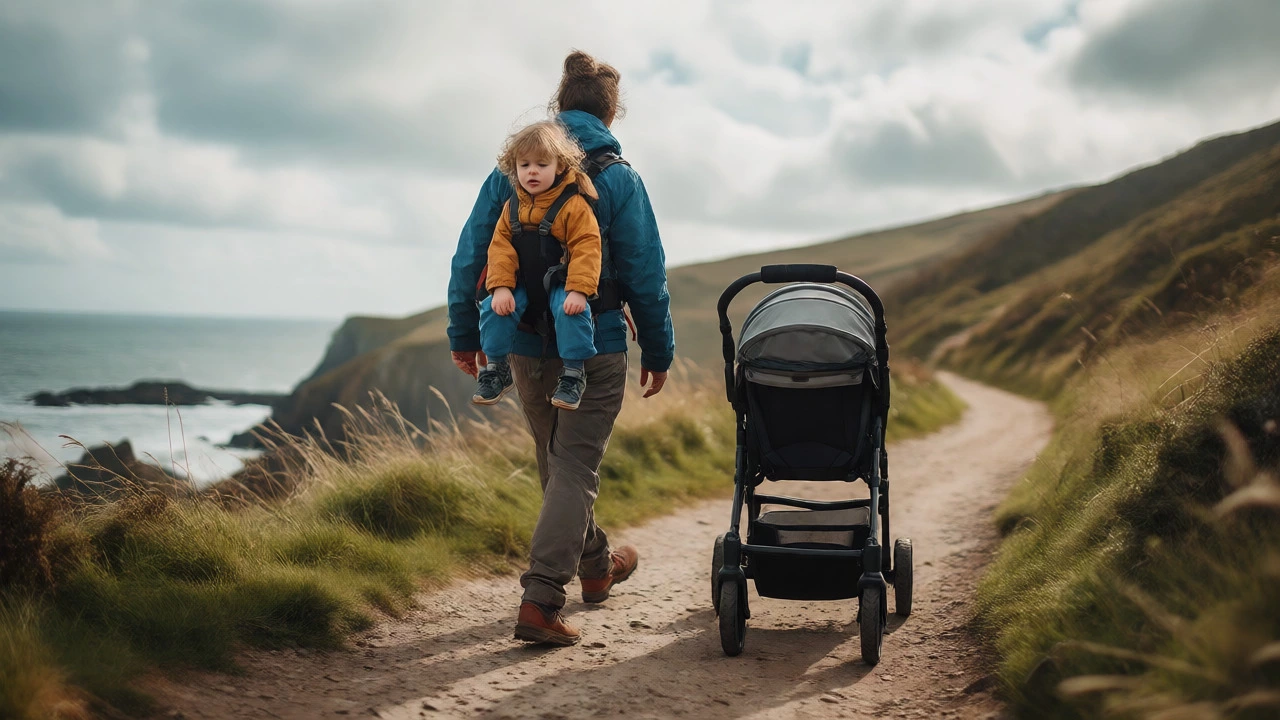
- Stroller Transition: Sometimes, the best move is accepting the stroller phase again. Lightweight travel strollers are easy to fold and can handle a tired five-year-old for long outings.
Cultural Context: Babywearing Beyond Infancy
In many cultures, babywearing continues well past the toddler years. In parts of Africa and Asia, it’s common to see mothers carrying children aged four or five in wraps or slings. This isn’t necessarily because the child can’t walk, but because it fosters bonding, security, and ease of movement in crowded markets or uneven terrain. If you’re comfortable and your child is happy, there’s no social rule saying you must stop at age two. The decision should be based on ergonomics and mutual comfort, not arbitrary age norms.
Can I carry my 4-year-old in a baby carrier?
Yes, if the carrier is rated for their weight and fits correctly. Standard infant carriers won’t work, but toddler-specific structured carriers or ring slings designed for older children can safely carry a 4-year-old up to 20-25kg. Ensure the seat width supports their thighs fully to avoid hip discomfort.
Is it bad for my back to carry a toddler?
It can be if done incorrectly. Carrying heavy loads places stress on the lumbar spine. To protect your back, use a carrier with a sturdy hip belt that transfers weight to your pelvis, engage your core muscles, and take breaks every 30-45 minutes. If you experience persistent pain, switch to a frame-based hiking carrier or stop carrying.
How do I know if the carrier is too tight?
You should be able to slide two fingers under the strap against your chest. If the fabric digs into your shoulders or leaves deep red marks after removal, it’s too tight. For the child, check for red marks on their legs or torso. Tightness restricts blood flow and causes discomfort for both parties.
Should I stop babywearing when my child starts walking?
No. Walking ability doesn’t equal stamina. Many toddlers and preschoolers get tired quickly or enjoy the closeness of babywearing. Continue wearing as long as it is safe, comfortable, and convenient for you and your child. It’s a tool, not a milestone marker.
What is the safest position for a heavy toddler?
The front carry facing inward is generally safest for heavier toddlers as it keeps their center of gravity close to yours and allows you to monitor their breathing. Hip carries are also popular for older children as they allow the child to see more of the world, but ensure their legs are supported and they aren’t slumping forward.