Versatile Outerwear Finder
Answer three simple questions to find the perfect coat that eliminates decision fatigue.
Result Title
Score: 0/10Styling Tips:
You stand in front of your closet, holding a dress you love and a pair of jeans you wear daily, but neither seems to have a matching outer layer. It’s a familiar frustration. We all want that one versatile coat that eliminates decision fatigue, the kind that looks intentional whether you’re heading to a boardroom meeting or grabbing coffee with friends. But does such a garment actually exist? Or are we chasing a fashion unicorn?
The truth is, there isn’t just one answer, but there are clear winners depending on your climate and lifestyle. If you live somewhere with distinct seasons like Melbourne, where the weather can shift from sunshine to drizzle in an afternoon, you need outerwear that adapts. This guide breaks down the specific coats that offer the highest return on investment for your wardrobe, focusing on cut, color, and material rather than fleeting trends.
The Trench Coat: The Undisputed Champion
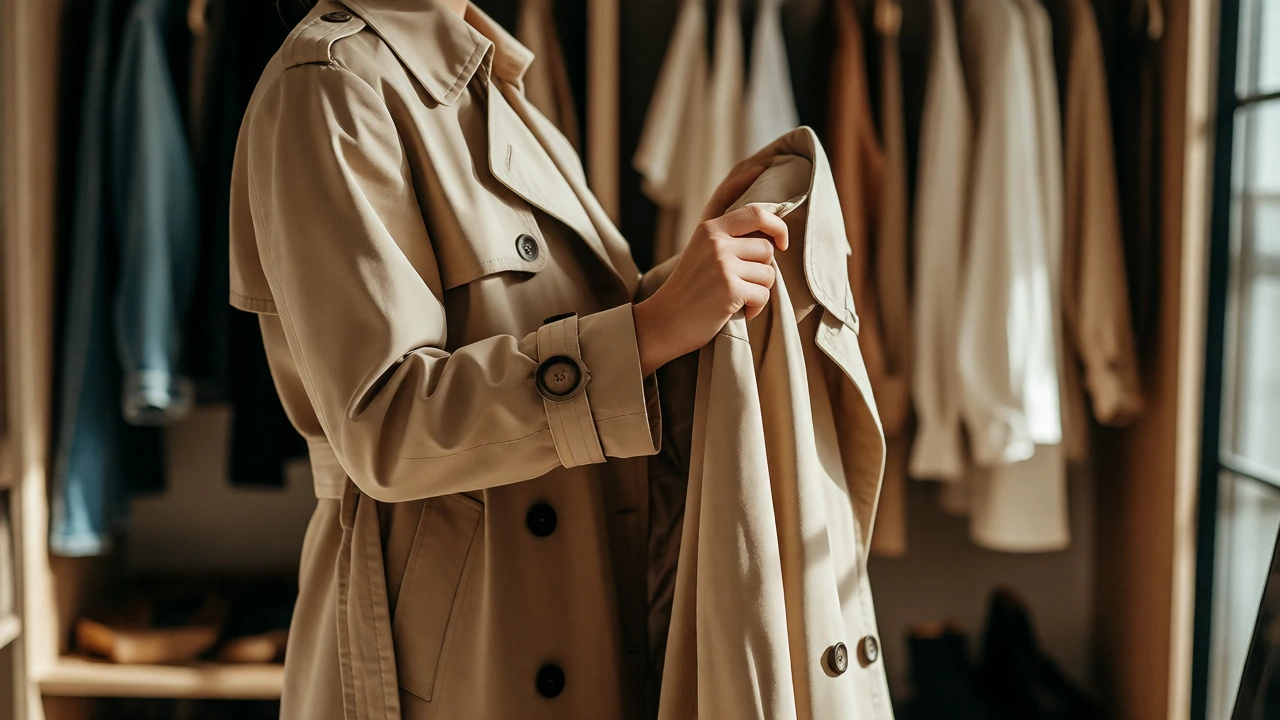
If you buy only one coat this year, make it a trench. Originating as military gear during World War I, the trench coat is a waterproof cotton gabardine coat designed for durability and style. Also known as Trench, it has evolved from battlefield utility to a symbol of chic minimalism. Its double-breasted front, belt, and epaulets create a structured silhouette that flatters almost every body type.
Why does it go with everything? Because it bridges the gap between formal and casual effortlessly. Throw it over a tailored suit, and you look professional. Wear it over leggings and a hoodie, and you look street-style savvy. The key is sticking to neutral colors. Beige and khaki are classics, but don’t sleep on navy or black if you prefer a darker palette. A beige trench works best with warm tones like camel, cream, and denim, while a black trench pairs seamlessly with monochrome outfits.
However, not all trenches are created equal. Look for features that enhance versatility:
- Length: Knee-length is the most versatile. Too long (ankle) can overwhelm petite frames; too short (hip) looks more like a rain slicker.
- Fabric: Cotton gabardine is breathable and water-resistant. Avoid heavy polyester blends that trap heat or look cheap under flash photography.
- Belt: Ensure the belt is functional, not just decorative. Cinching the waist defines your shape, which is crucial when wearing bulky layers underneath.
The Leather Jacket: Adding Edge Without Effort
If the trench is about polish, the leather jacket is a rugged outerwear piece made from animal hide or synthetic alternatives, originally associated with motorcycle culture. Often referred to as a biker jacket, it adds instant texture and attitude to any outfit. Unlike the trench, which hides what’s underneath, the leather jacket frames it.
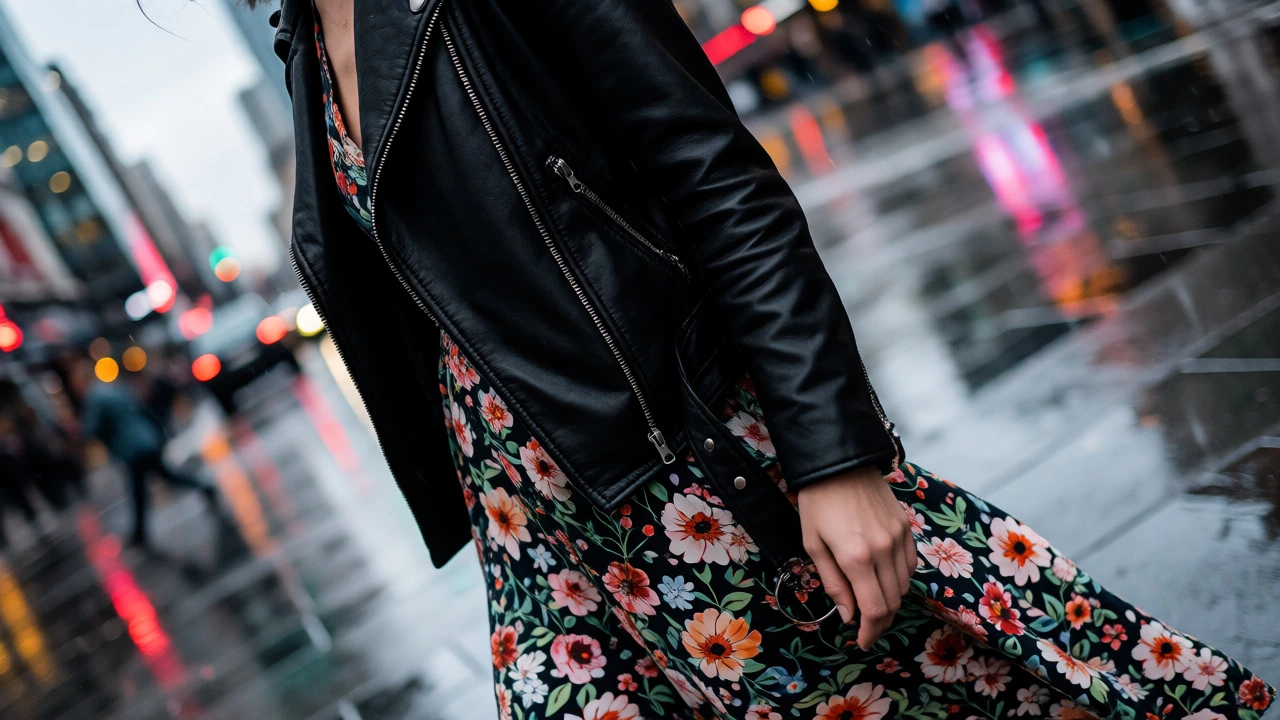
This coat goes with everything because it contrasts with soft fabrics. Pairing a tough leather jacket with a flowy floral dress creates a balanced look that isn’t trying too hard. It also elevates basic t-shirts and jeans. The magic lies in the fit. A cropped moto jacket works well with high-waisted trousers or skirts, emphasizing your waistline. A longer biker style suits straight-leg pants better.
Color matters here, too. Black is the safest bet for versatility, matching literally anything. However, brown leather jackets have surged in popularity for their ability to soften an outfit. A cognac or tan leather jacket pairs beautifully with navy, white, and earth tones, offering a warmer alternative to stark black. Just remember: leather requires care. Keep it conditioned so it doesn’t crack, especially in dry climates.
The Navy Blazer: Structured Sophistication
Often overlooked as "outerwear," the navy blazer is a tailored jacket typically made of wool or linen, serving as a semi-formal layer. While technically a jacket, its length and weight make it function as a light coat in mild weather. It is the ultimate chameleon for work-to-weekend transitions.
A navy blazer goes with everything because blue is universally flattering and neutral enough to match both warm and cool palettes. Wear it over a white tee and jeans for a smart-casual vibe, or throw it over a midi skirt for dinner. It provides structure without the bulk of a heavy winter coat. In cooler months, you can layer it under a heavier overcoat, though usually, it stands alone as a statement piece.
For maximum versatility, choose a single-breasted cut with two buttons. Double-breasted styles are stylish but can feel restrictive when layered over thick sweaters. Unstructured blazers made from softer materials like linen or unlined wool drape better and feel less corporate, making them easier to wear casually.
The Wool Overcoat: Classic Warmth
When temperatures drop, nothing beats a wool overcoat. Defined as a long coat made primarily from wool, designed for warmth and elegance, this piece is often called a topcoat or greatcoat. It’s the grown-up version of a hoodie-warm, cozy, but significantly more polished.
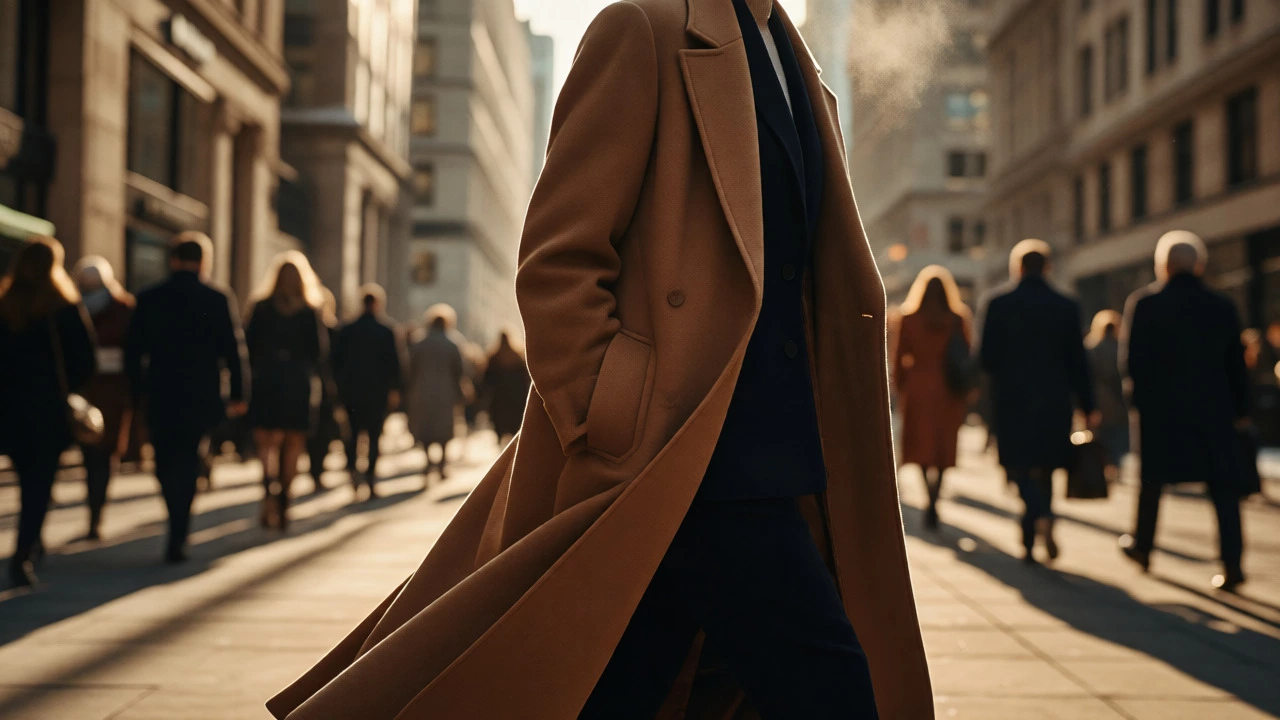
Charcoal grey and camel are the top contenders for versatility. Charcoal grey is arguably the most flexible dark neutral, pairing perfectly with black, navy, and pastels. Camel offers a rich, luxurious look that complements denim and white shirts exceptionally well. The length should hit mid-thigh or knee to allow freedom of movement while providing coverage.
Pay attention to the lining. A silk or viscose lining makes the coat slippery and easy to pull on over sweaters, whereas cotton linings can cause friction and static. For true versatility, avoid bold patterns like houndstooth or plaid unless they are very subtle. Solid colors ensure the coat remains a background player that supports your outfit rather than competing with it.
| Coat Type | Best Season | Versatility Score | Formality Level | Key Feature |
|---|---|---|---|---|
| Trench Coat | Spring/Autumn | 9/10 | Casual to Business | Water-resistant, belted |
| Leather Jacket | All Year (Lightweight) | 8/10 | Casual/Edgy | Textural contrast |
| Navy Blazer | Spring/Autumn/Mild Winter | 7/10 | Business/Casual | Structured silhouette |
| Wool Overcoat | Winter | 8/10 | Formal/Business | Warmth and elegance |
How to Choose Based on Your Wardrobe Colors
Your existing clothes dictate which coat will truly "go with everything." If your closet is dominated by neutrals-black, white, grey, beige-you have the easiest time. Any of the above options will work. But if you wear bright colors or patterns, you need a coat that acts as a visual anchor.
For colorful wardrobes, stick to deep, saturated neutrals. A black trench or a charcoal wool coat absorbs visual noise, letting your vibrant dresses or shirts pop. Avoid wearing a patterned coat over a patterned outfit; it creates visual chaos. Instead, let the coat be solid and let the inner layers provide the interest.
Conversely, if you wear mostly monochrome outfits, you might want a coat with some character. A camel trench or a textured tweed blazer adds depth to an otherwise flat look. Think of your coat as the frame for the painting. If the painting (your outfit) is busy, use a simple frame. If the painting is minimalist, a decorative frame can add necessary interest.
Common Pitfalls to Avoid
Buying a coat that "goes with everything" often fails due to poor fit or wrong proportions. Here are three mistakes people make repeatedly:
- Ignoring Shoulder Fit: If the shoulders of a coat are too wide, you look sloppy. Too narrow, and you can’t layer. Always try on coats with the thickest sweater you plan to wear underneath.
- Choosing the Wrong Length for Height: Petite individuals should avoid coats that hit exactly at the widest part of the thigh, as this cuts the body in half visually. Tall individuals should avoid hip-length jackets that look stumpy against long legs.
- Overlooking Hardware: Silver zippers and gold buttons clash with jewelry. If you wear silver jewelry, choose coats with gunmetal or silver hardware. Consistency in metal tones ties the whole look together.
Final Thoughts on Building a Capsule Wardrobe
You don’t need ten coats. You need three that cover different needs. Start with a trench for transitional weather and rain. Add a leather jacket for evening events and casual weekends. Finally, invest in a quality wool overcoat for genuine cold snaps. These three pieces cover 90% of scenarios.
Remember, versatility isn’t about buying boring clothes. It’s about buying clothes that work harder for you. When you open your closet in the morning, you shouldn’t have to think about compatibility. The right coat removes that mental load, allowing you to focus on the rest of your day.
Is a black coat or a beige coat more versatile?
Beige is generally considered more versatile for daytime and spring/autumn wear because it pairs well with denim and lighter colors. Black is more versatile for evening wear and winter, blending seamlessly with dark palettes. If you must choose one, consider your primary wardrobe colors: beige for light/warm tones, black for dark/cool tones.
Can I wear a trench coat in summer?
Yes, but choose a lightweight fabric like cotton poplin or linen-blend trench. Avoid heavy gabardine or lined versions, which will cause overheating. Open-front styling helps with airflow, making it suitable for breezy summer evenings or air-conditioned indoor environments.
What is the best coat for a professional office environment?
A tailored wool overcoat in navy, charcoal, or camel is ideal for professional settings. It conveys authority and polish. A structured blazer is also acceptable in milder climates, provided it fits impeccably. Avoid overly casual styles like puffer jackets or distressed leather in strict corporate environments.
How do I maintain a leather jacket?
Clean leather jackets with a damp cloth to remove dust. Apply a leather conditioner every six months to keep the material supple and prevent cracking. Store it on a padded hanger to maintain shoulder shape, and avoid folding it, which creates permanent creases. Keep it away from direct heat sources.
Are puffer jackets versatile enough to go with everything?
Puffer jackets are practical but less versatile stylistically. They tend to add bulk and read as casual or sporty. To maximize versatility, choose a slim-fit, matte-finish puffer in a neutral color. Even then, they may clash with formal attire or delicate fabrics, making them less universal than a trench or wool coat.