
Comfort Object Psychology Checker
Your Psychological Profile
Key Benefits You Are Experiencing:
You crawl into bed at night, and there it is. That faded, frayed square of fabric. Maybe it’s the one your grandmother knitted in 1995. Maybe it’s a cheap fleece throw from a discount store that survived three moves and countless wash cycles. You pull it up to your chin, take a deep breath, and finally feel ready to sleep. Then the thought hits you: Wait, I’m an adult. Why am I still sleeping with a baby blanket?
If this sounds familiar, you are not alone. In fact, you might be part of a significant chunk of the population. Holding onto a childhood comfort object well into adulthood is more common than most people admit. But what does it actually mean? Is it a sign of arrested development, or is your brain doing something incredibly smart to help you cope with the stress of modern life?
Key Takeaways
- Sleeping with a baby blanket as an adult is a normal psychological behavior known as retaining a transitional object.
- This habit provides tangible emotional regulation, lowering cortisol levels and improving sleep quality through sensory grounding.
- It is not a sign of immaturity; rather, it often indicates a healthy ability to self-soothe and manage anxiety.
- The practice connects to broader concepts of attachment theory and sensory processing needs.
- You can maintain this habit discreetly or evolve it into other forms of tactile comfort without losing the psychological benefit.
The Science Behind the "Transitional Object"
To understand why you cling to that old blanket, we have to look back at child psychology. The term transitional object was coined by pediatrician and psychoanalyst D.W. Winnicott in the 1950s. He described these objects-often stuffed animals or blankets-as crucial tools for infants transitioning from total dependence on their mother to recognizing themselves as separate individuals.
For a baby, the world is chaotic and scary. The caregiver is the source of safety. When the caregiver leaves the room, the baby panics. A transitional object acts as a surrogate parent. It carries the scent, texture, and memory of safety. It bridges the gap between the internal world of the infant and the external reality of separation.
Most children outgrow this need around age five or six. However, recent research suggests that for many adults, this mechanism doesn’t just disappear-it adapts. When you sleep with that baby blanket, you aren’t regressing to infancy. You are utilizing a proven psychological tool for emotional regulation. The blanket serves as a constant in a changing world. It is a physical anchor that tells your nervous system: You are safe. You are home.
Why Adults Keep Their Childhood Blankets
There are several specific reasons why adults continue to use these items. Understanding which one applies to you can help remove any stigma attached to the habit.
1. Sensory Grounding and Anxiety Reduction
Modern life is loud, bright, and demanding. Your brain is constantly processing information. For many people, especially those with high sensitivity or anxiety, the weight and texture of a familiar blanket provide sensory grounding. This is similar to how weighted blankets work. The pressure and softness stimulate the parasympathetic nervous system, slowing down your heart rate and reducing cortisol (the stress hormone). The blanket isn’t just fabric; it’s a physiological switch that turns off your fight-or-flight response.
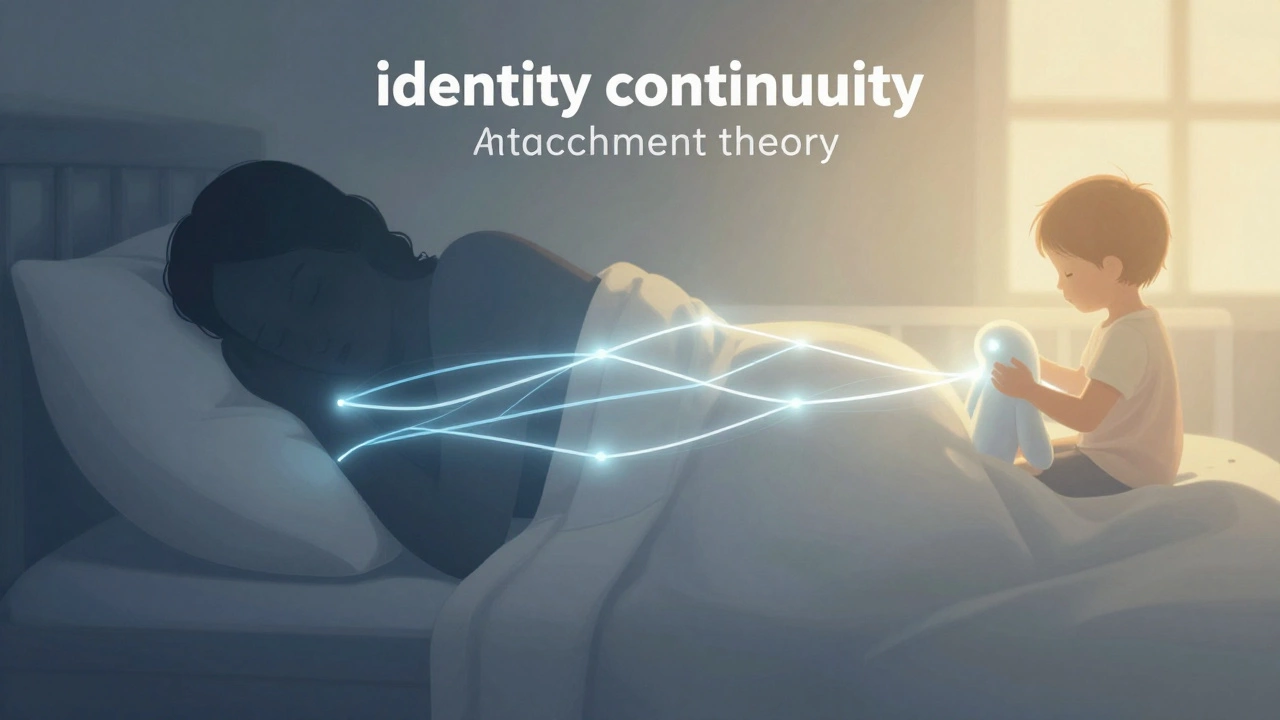
2. Nostalgia and Identity Continuity
That blanket is a time capsule. It smells like your childhood bedroom. It has the same frayed edge you used to chew on when you were nervous during school presentations. Keeping it maintains a sense of identity continuity. As adults, we change jobs, partners, cities, and even personalities. The blanket remains the same. It connects your current self to your past self, providing a stable narrative thread in your life story.
3. Attachment Security
In attachment theory, developed by John Bowlby, secure attachment leads to better emotional health. People who had consistent care in childhood often develop strong internal resources for self-soothing. Paradoxically, keeping a comfort object can be a sign of *secure* attachment. It shows you know what makes you feel safe and you actively seek it out. It is not about needing another person to soothe you; it is about having a reliable method to soothe yourself.
The Psychological Benefits of Adult Comfort Objects
Let’s debunk the myth that this is childish. In fact, relying on a comfort object can be highly functional.
Improved Sleep Hygiene: Sleep experts often recommend creating a "sleep sanctuary." A familiar blanket becomes part of that environment. Over years, your brain associates that specific texture with sleep onset. This is classical conditioning. Just seeing or touching the blanket signals to your brain that it is time to wind down. This can reduce sleep latency-the time it takes to fall asleep.
Emotional Buffering: During times of grief, breakup, or major life transitions, adults often revert to comfort objects. Studies in bereavement counseling show that holding a loved one’s clothing or a personal item reduces feelings of isolation. Your baby blanket acts as a buffer against emotional overwhelm. It absorbs some of the shock of difficult days.
Tactile Stimulation: Many adults have undiagnosed sensory processing differences. They may crave deep pressure input or specific textures to feel regulated. A rough wool blanket or a silky satin throw provides this necessary input. Without it, they might feel restless or anxious. With it, they feel contained and calm.
| Function | Mechanism | Benefit for Adults |
|---|---|---|
| Sensory Grounding | Tactile feedback & weight | Reduces physiological arousal & anxiety |
| Emotional Regulation | Association with safety | Lowers cortisol & promotes calm |
| Nostalgic Connection | Olfactory & visual cues | Strengthens sense of identity & stability |
| Sleep Conditioning | Classical conditioning | Faster sleep onset & deeper rest |
When Does It Become a Problem?
While sleeping with a baby blanket is generally healthy, context matters. Psychologists distinguish between adaptive coping mechanisms and maladaptive behaviors. Here is how to tell the difference.
Adaptive Use: You use the blanket to help you relax and sleep. You are comfortable with it in private. It enhances your quality of life. You can function normally during the day without it.
Maladaptive Use: You cannot leave the house without it. You experience severe panic if it is lost or dirty. It interferes with intimate relationships because you refuse to let partners touch it or share the bed space. You rely on it exclusively to handle all emotions, avoiding other coping strategies like talking to friends or seeking therapy.
If your relationship with the blanket is controlling your life rather than supporting it, it might be worth exploring underlying anxiety disorders or obsessive-compulsive tendencies with a mental health professional. But for the vast majority of people, it is simply a harmless, helpful habit.
How to Embrace (or Evolve) Your Habit
You don’t have to choose between being a "grown-up" and feeling safe. Here are practical ways to integrate this habit into your adult life.
Own It Privately: There is no shame in what brings you peace. If you live with a partner, communicate openly. Explain that the blanket helps you sleep. Most partners will respect this boundary once they understand its function. You might compromise by designating a specific corner of the bed for your blanket.
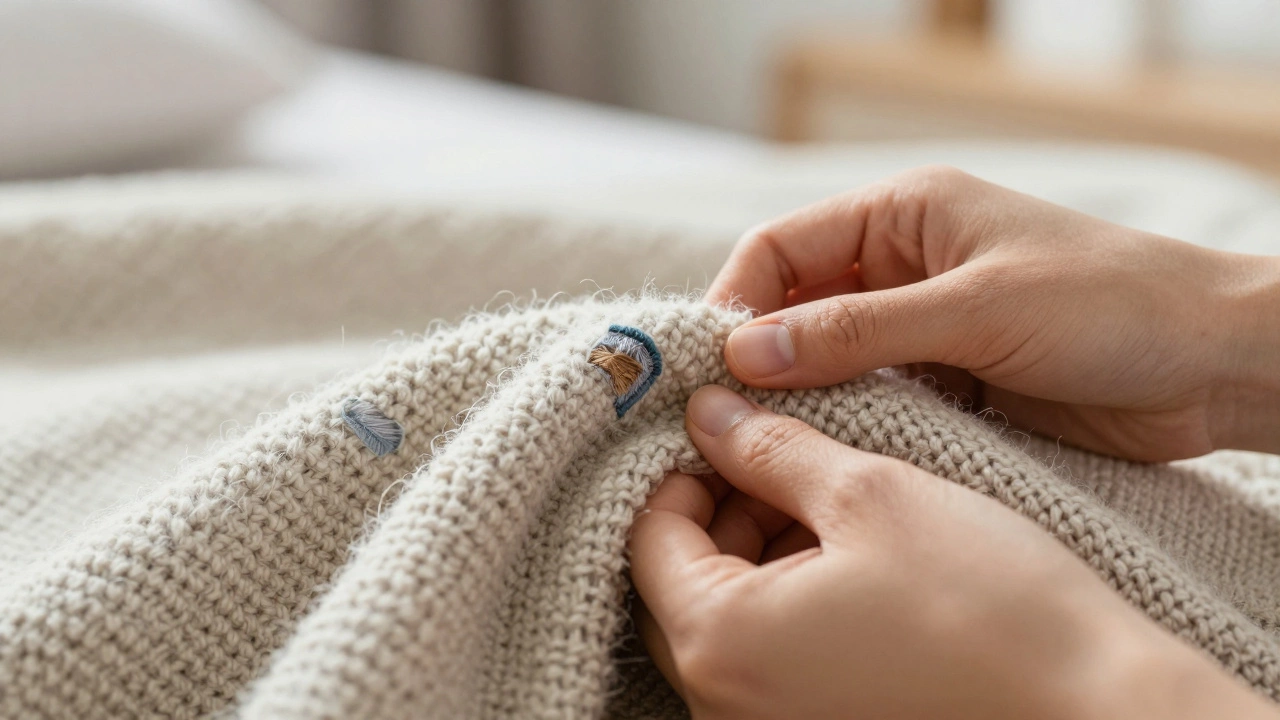
Care for the Object: Treat your blanket with respect. Wash it gently according to its fabric type. Repair holes instead of discarding it. This ritual of care reinforces the bond and ensures longevity. Consider having a duplicate made if the original is too fragile, though the sentimental value of the original is hard to replicate.
Evolving the Form: As you age, your needs might change. You might swap the baby blanket for a high-quality cashmere throw, a weighted blanket, or a specific pillow. The key is maintaining the function of comfort, not necessarily the exact form. If the old blanket starts to smell musty or irritate your skin, it’s okay to retire it. Replace it with something that offers the same sensory benefits but fits your current lifestyle.
Create New Rituals: Pair the blanket with other calming activities. Read a book under it. Drink tea while wrapped in it. This strengthens the association between the object and relaxation, making it an even more powerful tool for stress management.
The Cultural Shift Toward Emotional Honesty
We are living in a time where mental health awareness is growing. The stigma around "childish" behaviors is fading. We now recognize that adults have emotional needs too. Using a comfort object is part of this broader cultural shift toward accepting our full humanity-including our vulnerabilities.
In Japan, the concept of omamori (protective charms) is widely accepted among adults. In Western cultures, carrying a lucky coin or wearing a watch from a deceased relative is common. Sleeping with a baby blanket is essentially the same phenomenon. It is a talisman of safety.
As we navigate increasingly complex digital lives, the need for tangible, physical comforts grows. Screens are intangible. Data is abstract. A blanket is real. It is here. It is soft. It is yours. In a world of uncertainty, that simplicity is valuable.
Is it weird to sleep with a teddy bear as an adult?
No, it is not weird. While less common than blankets, stuffed animals serve the same purpose as transitional objects. Many adults find the shape and huggability of a plush toy provide superior sensory grounding compared to flat fabric. It is a personal preference for comfort.
Does sleeping with a blanket affect my partner's sleep?
It can, depending on the size of the bed and your partner's preferences. Some partners find the extra warmth comforting, while others may feel crowded. Open communication is key. You can negotiate space or try a larger mattress to ensure both partners sleep well.
Can I replace my baby blanket with a new one?
Yes, but the psychological effect may differ. The power of a baby blanket often comes from its history and scent. A new blanket won't have those associations immediately. However, over time, you can build new positive associations with a new item through consistent use.
Is this related to ADHD or autism?
It can be. Neurodivergent individuals often have heightened sensory needs. A blanket can provide essential proprioceptive input (awareness of body position) and tactile stimulation that helps regulate the nervous system. For many with ADHD or autism, it is a crucial tool for managing sensory overload.
How do I clean an old baby blanket without ruining it?
Check the fabric label first. For delicate fabrics, hand wash in cold water with a mild detergent. Avoid bleach. Air dry flat to prevent shrinking. If the blanket is very old, consider professional cleaning to preserve its integrity.