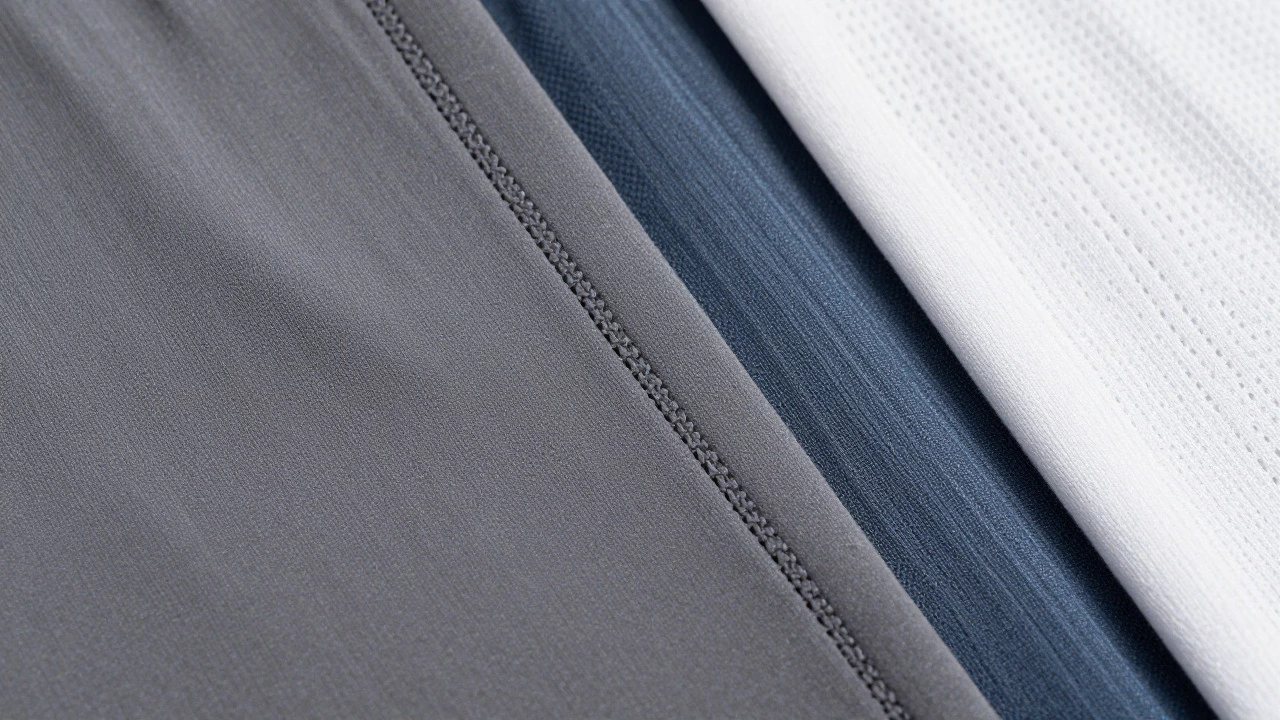
Sportswear Wardrobe Builder
Step 1: Select Your Activities
Select the activities you do most frequently to build your essential kit.
Your Sportswear Kit
0 ItemsSelect an activity above to see recommended gear.
Walk into any major retailer today, and you’ll see a confusing blur of logos, fabrics, and styles all claiming to be sportswear. Is that oversized hoodie with the basketball logo sportswear? What about those sleek leggings you wear to yoga? Or the moisture-wicking shirt you bought for your morning run? The line between fashion and function has blurred so much that it’s hard to tell what actually counts as athletic clothing. But if you’re trying to build a wardrobe that works for sweat, movement, and recovery, you need to know exactly what falls under this umbrella.
Sportswear isn’t just one thing. It’s a broad category that covers everything from high-tech compression gear designed for Olympic athletes to casual tracksuits worn on weekends. Understanding the differences helps you buy better, avoid wasting money on the wrong materials, and dress appropriately for whatever activity you’re doing. Let’s break down exactly what sportswear includes, why the fabric matters more than the logo, and how to pick pieces that actually perform.
The Core Definition: Function Over Fashion
At its heart, sportswear is clothing designed specifically for physical activity, exercise, or sports participation. Unlike regular streetwear, which prioritizes aesthetics or social norms, sportswear prioritizes performance. This means the materials, cuts, and features are engineered to handle sweat, stretch, impact, and temperature changes.
If a garment doesn’t help you move better, stay cooler, dry faster, or protect your body during exertion, it’s probably not true sportswear-it’s just athletic-inspired fashion. That distinction matters because wearing cotton t-shirts to the gym, for example, can lead to chafing, overheating, and discomfort. True sportswear solves these problems through technical design.
Top Wear: Shirts, Tanks, and Jackets
Upper-body sportswear varies wildly depending on the intensity and type of activity. For high-intensity workouts like running, CrossFit, or HIIT, you want lightweight, breathable tops made from synthetic blends or natural fibers like merino wool. These materials pull sweat away from your skin (a process called wicking) and allow air to circulate, keeping you cool.
- T-Shirts: Look for seamless construction to prevent chafing. Flatlock stitches reduce irritation against sensitive skin.
- Tank Tops: Ideal for hot weather or upper-body heavy workouts where arm mobility is key. Mesh panels increase ventilation.
- Long-Sleeve Tech Shirts: Great for outdoor activities in cooler climates or for sun protection during long runs.
- Compression Tops: Used by runners and cyclists to support muscle groups, improve blood flow, and reduce vibration fatigue.
Jackets also play a crucial role. Windbreakers block cold air without trapping heat, while insulated fleece layers provide warmth during winter training. Rain jackets with waterproof membranes (like Gore-Tex) keep you dry in wet conditions without making you steam up inside.
Bottoms: Shorts, Pants, and Leggings
Lower-body sportswear needs to balance freedom of movement with coverage and comfort. The right choice depends on your sport and personal preference.
| Type | Best For | Key Features | Material Notes |
|---|---|---|---|
| Running Shorts | Running, Track | Lightweight, often lined with briefs | Nylon/Spandex blend for stretch and quick-dry |
| Leggings | Yoga, Gym, Cycling | Full coverage, compression options | High spandex content (15-20%) for shape retention |
| Training Pants | Cooler Weather Training | Zippers at ankles, pockets | Softshell or brushed fleece interiors |
| Compression Tights | Recovery, Endurance Sports | Muscle support, improved circulation | Dense knit structures with targeted pressure zones |
One common mistake people make is choosing bottoms based solely on style. If you’re doing squats or lunges, loose shorts might ride up or restrict movement. Tight-fitting leggings offer stability but can feel restrictive if they lack proper elasticity. Always check the fabric composition tag-look for elastane or spandex percentages above 10% for adequate stretch.
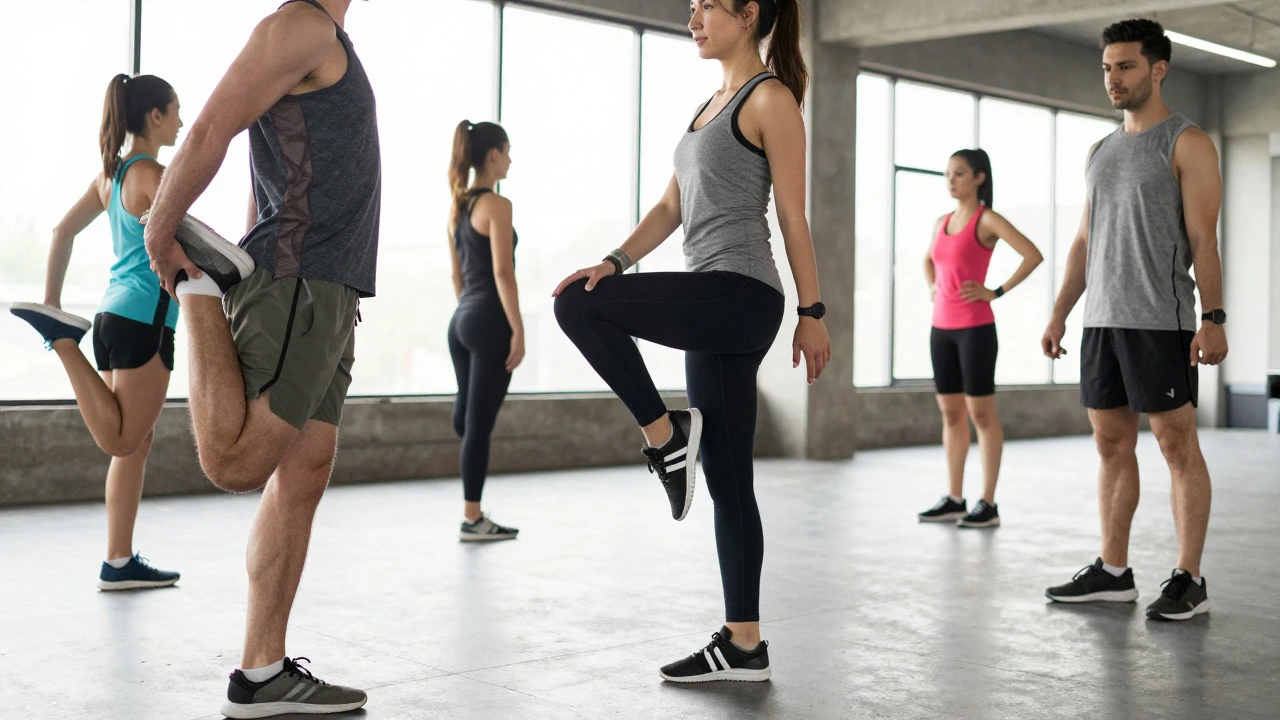
Footwear: Shoes Designed for Specific Movements
While technically separate from “clothing,” footwear is an essential part of any sportswear ensemble. Wearing the wrong shoes can cause injuries, reduce performance, and even alter your posture over time.
Running shoes prioritize cushioning and forward motion stability. They have thick midsoles to absorb impact and flexible outsoles for natural foot roll. Cross-training shoes, on the other hand, need lateral support for side-to-side movements like box jumps or weightlifting. They’re flatter and wider in the base to prevent rolling during lifts.
Specialized sports require specialized shoes too. Basketball shoes offer ankle support and court grip. Tennis shoes have reinforced sides for abrupt stops. Hiking boots provide terrain traction and toe protection. Even indoor soccer cleats differ from outdoor ones due to surface hardness and stud configuration.
Don’t assume one pair fits all activities. Using running shoes for heavy lifting can destabilize your knees, while using cross-trainers for long-distance runs may lead to shin splints from insufficient cushioning.
Accessories: Socks, Hats, Gloves, and More
It’s easy to overlook accessories, but they complete the sportswear system. Moisture-wicking socks prevent blisters by reducing friction and keeping feet dry. Compression sleeves for calves or arms aid recovery and reduce muscle oscillation during endurance events.
Hats serve dual purposes: sun protection and thermal regulation. Baseball caps shield your face from UV rays during outdoor runs, while beanies retain heat in cold environments. Some advanced hats now include reflective strips for visibility during early morning or evening workouts.
Gloves aren’t just for winter. Weightlifters use them to protect calluses and improve grip on barbells. Cyclists wear padded gloves to reduce hand numbness from vibration. Fingerless versions maintain dexterity for phone use or adjusting equipment mid-workout.
Fabric Technology: Why Material Matters
The magic behind modern sportswear lies in textile engineering. Natural fibers like cotton absorb sweat and hold onto it, leading to clammy, heavy clothing that cools you down too much after exercise stops. Synthetic fabrics solve this problem.
Polyester is the most common base material due to its durability and moisture-wicking properties. Nylon adds strength and abrasion resistance, making it ideal for climbing pants or durable hiking gear. Spandex (also known as elastane or Lycra) provides stretch and recovery, ensuring garments return to their original shape after repeated use.
Merino wool has gained popularity recently because it naturally regulates temperature, resists odors, and feels soft against the skin-even when damp. It’s excellent for multi-day hikes or layering systems where washing isn’t always possible.
Innovations continue pushing boundaries. Phase-change materials adjust thermal conductivity based on body temperature. Antimicrobial treatments inhibit bacterial growth that causes smells. Seamless knitting eliminates internal seams entirely, reducing hot spots and irritation.
Athleisure: When Sportswear Becomes Streetwear
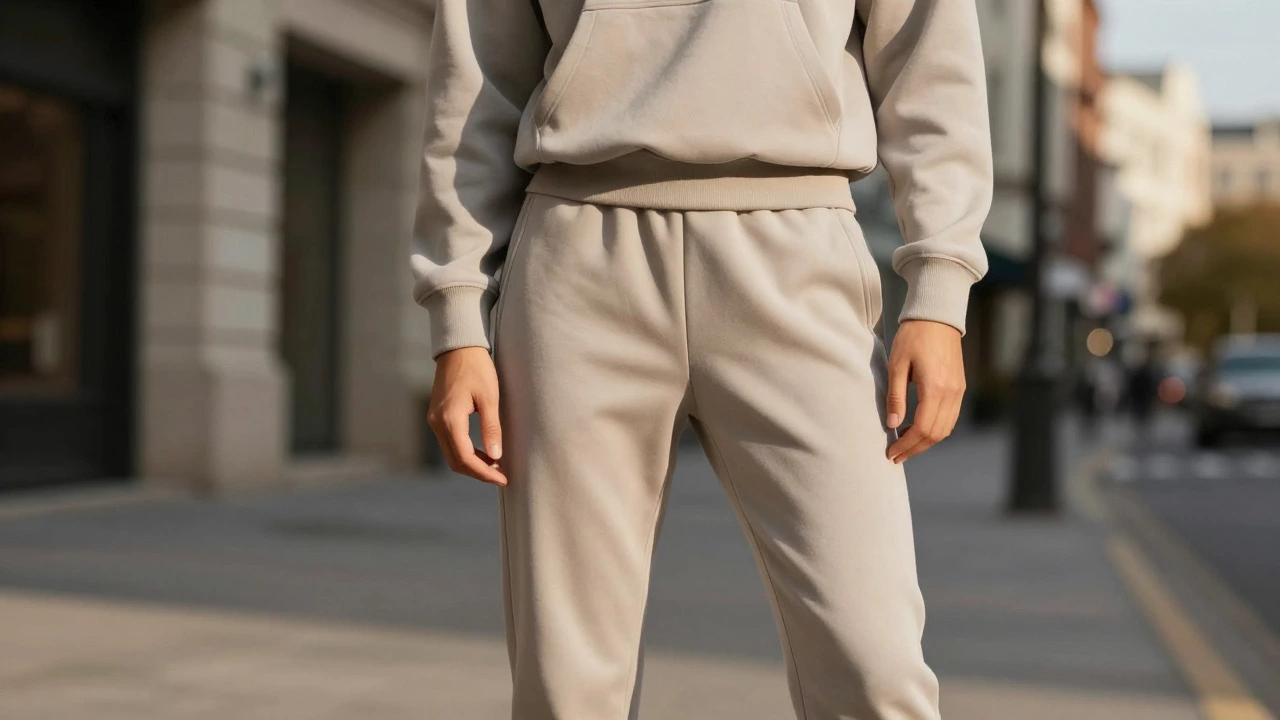
In recent years, athleisure has exploded in popularity. This trend blends athletic functionality with everyday style, allowing people to wear leggings, hoodies, and sneakers outside the gym without looking out of place.
This shift has changed how brands design products. Many sportswear items now feature subtle branding, neutral colors, and tailored silhouettes that transition smoothly from workout to errands. However, remember that not all athleisure performs well under stress. A fashionable jogger might look great at coffee shops but fail miserably during a sprint interval session.
To navigate this space, ask yourself: Will I be sweating heavily? Do I need full range of motion? If yes, stick to performance-focused designs. If no, prioritize comfort and appearance. You don’t need $150 leggings to sit on the couch-but you do need them if you’re doing deep squats.
How to Build Your Sportswear Wardrobe
Start small. Identify your primary activities first. Are you mostly jogging? Lifting weights? Playing tennis? Each demands different gear. Then invest in core pieces: two pairs of supportive shoes, three tops suited to your climate, and two types of bottoms matching your preferred activities.
Next, add layers for versatility. A lightweight windbreaker, a thermal base layer, and a packable rain jacket cover most weather scenarios. Accessories like sunglasses, headbands, and hydration packs enhance convenience without taking up much space.
Finally, replace worn-out items promptly. Elastic loses tension over time. Cushioning compresses. Seams fray. Ignoring these signs leads to poor performance and increased injury risk. Check your gear every six months for signs of degradation.
Is sportswear the same as activewear?
Yes, generally speaking. Both terms refer to clothing designed for physical activity. Activewear tends to emphasize casual wearability alongside function, while sportswear sometimes implies higher-performance gear. In practice, they overlap significantly.
Can I wear cotton to the gym?
Technically yes, but it’s not recommended. Cotton absorbs sweat and stays wet, which can cause chafing, odor buildup, and rapid cooling post-exercise. Opt for synthetic blends or merino wool instead for better comfort and hygiene.
Do I really need compression gear?
Not necessarily. Compression clothing offers benefits like reduced muscle vibration and improved blood flow, especially useful for endurance athletes or post-workout recovery. For casual exercisers, standard sportswear usually suffices unless you experience specific issues like leg fatigue or swelling.
How often should I wash my sportswear?
After every single use. Sweat contains salts and bacteria that degrade fabric fibers and create unpleasant odors. Wash in cold water with mild detergent, avoid fabric softeners (they coat fibers and reduce wicking ability), and air-dry whenever possible to preserve elasticity.
What makes sportswear different from regular clothes?
Sportswear uses specialized fabrics and constructions focused on movement, breathability, moisture management, and durability. Regular clothes prioritize fit, color, and trendiness. Sportswear must withstand stretching, washing cycles, and environmental stressors without losing shape or function.
Are expensive sportswear brands worth it?
Sometimes. Premium brands often invest heavily in R&D, offering superior fit, longer-lasting materials, and innovative technologies. But many mid-range options deliver comparable performance for less money. Focus on fabric quality and user reviews rather than brand names alone.
Can children wear adult-sized sportswear?
Only temporarily. Kids grow quickly, and ill-fitting clothes hinder movement and safety. Children’s sportswear is sized proportionally for developing bodies, with reinforced stitching and safer zippers. Buying slightly larger adult sizes saves nothing compared to properly fitted youth apparel.
Does color affect sportswear performance?
Indirectly. Dark colors absorb more sunlight, potentially increasing heat absorption during outdoor activities. Lighter shades reflect heat, helping keep you cooler. Reflective elements enhance visibility in low-light conditions regardless of base color. Choose based on environment and timing of workouts.