Find the Right Play Tool for ADHD Support
Select a category below to see specific toy recommendations and their benefits for children with Attention Deficit Hyperactivity Disorder.
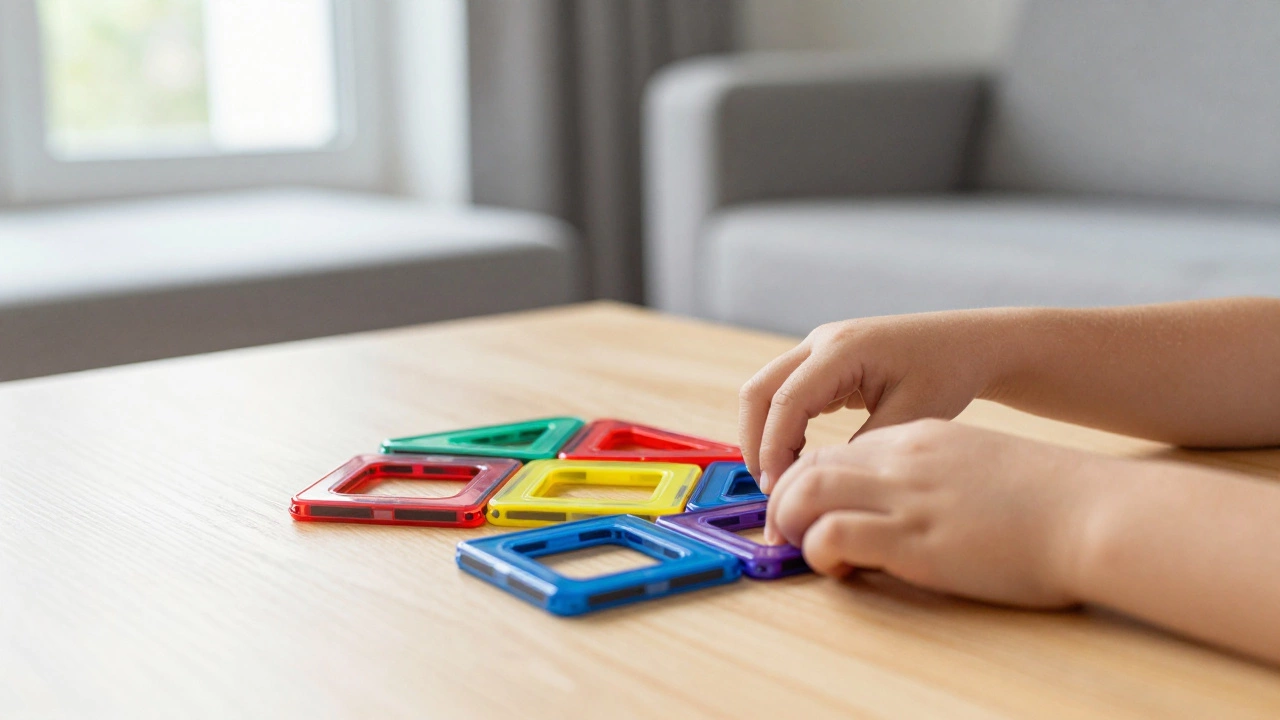
Construction Sets
Fine motor skills & spatial reasoning
Active Games
Energy release & social rules
Strategy Board Games
Impulse control & planning
Fidget Tools
Sensory regulation & focus aid
Imagine trying to read a book while someone is vacuuming the floor, flashing lights in your eyes, and asking you to remember a grocery list all at once. That is not an exaggeration of what many children with Attention Deficit Hyperactivity Disorder (ADHD) experience daily. It is a neurological reality where the brain’s filter for distractions is simply less effective. When parents or teachers look for toys for these kids, they often make the mistake of buying "quiet" things that require sitting still. But kids with ADHD don’t just want quiet; they want engagement that matches their energy levels and helps them regulate their senses.
If you are looking for educational toys that actually work, you need to shift your perspective. The goal isn't to suppress their nature but to channel it. Here is what children with ADHD wish adults understood about play, focus, and the right tools to help them thrive.
The Myth of "Quiet" Play
The biggest misconception is that a toy must be silent to be good for a child with ADHD. In fact, silence can sometimes be deafeningly difficult for them. Their brains are constantly seeking stimulation. If a toy doesn’t provide enough feedback, they will create their own-often by fidgeting, talking out loud, or running around. This isn’t defiance; it’s self-regulation.
Kids with ADHD wish we knew that movement is part of their thinking process. When you force them into static activities without providing an outlet for their kinetic energy, you aren’t helping them focus; you’re creating a barrier to learning. The best educational toys allow for motion. Think about building sets that involve moving pieces, active games that require jumping or throwing, or puzzles that have tactile elements. These tools satisfy the brain’s need for input while keeping the child engaged in the task at hand.
Sensory Input as a Tool for Focus
Sensory processing plays a huge role in how a child with ADHD interacts with the world. Some are hypersensitive (over-responsive) to textures or sounds, while others are hyposensitive (under-responsive) and crave intense sensory input. Educational toys can bridge this gap by providing controlled sensory experiences.
- Tactile Tools: Fidget cubes, stress balls, or textured beads allow a child to keep their hands busy so their mind can stay on a lesson. This is called "parallel play" or "dual-tasking."
- Visual Stimulation: Light-up building blocks or color-matching games provide immediate visual feedback, which keeps the dopamine receptors in the brain active.
- Auditory Cues: Toys with clear, consistent sounds (like a drum or a xylophone) can help ground a child who feels overwhelmed by chaotic noise.
When you choose toys that offer specific sensory feedback, you are giving the child a way to calm their nervous system. For example, a child who spins in circles might benefit from a weighted lap pad or a heavy-duty construction set that requires firm pressure to assemble. These aren’t just distractions; they are regulatory tools.
Executive Function Through Play
One of the core challenges for kids with ADHD is executive function. This refers to the mental skills that help us get things done: working memory, flexible thinking, and self-control. Traditional schoolwork often demands these skills in abstract ways, which can be frustrating. Toys, however, can teach these skills concretely.
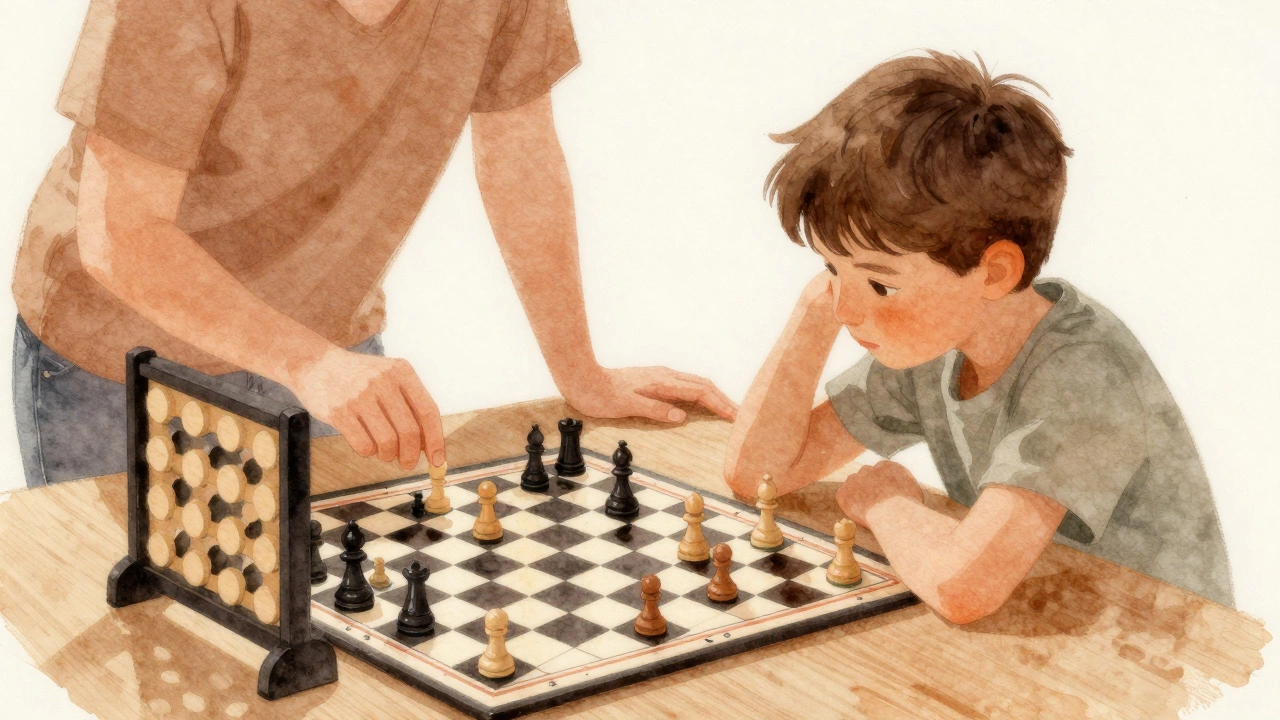
Board games are excellent for this. Games like Connect Four or Chess require planning ahead, anticipating consequences, and waiting for a turn. These actions directly exercise the prefrontal cortex, the part of the brain responsible for decision-making. When a child loses a game, they learn emotional regulation. When they win, they learn strategic patience. This is far more effective than telling them to "sit still and listen."
Puzzles are another powerhouse for executive function. They break down a large problem into smaller, manageable steps. A child learns to scan for patterns, hold a piece in working memory, and test hypotheses. This mirrors the scientific method and builds confidence in problem-solving abilities.
| Toy Category | Primary Benefit | Best For | Example |
|---|---|---|---|
| Construction Sets | Fine motor skills, spatial reasoning | Kids who need tactile feedback | Magnatiles, LEGO |
| Active Games | Energy release, social rules | High-energy children | Hoopla, Ring Toss |
| Strategy Board Games | Impulse control, planning | Developing executive function | Blokus, Ticket to Ride |
| Fidget Tools | Sensory regulation, focus aid | Distracted learners | Infinity cubes, putty |
The Importance of Immediate Feedback
Kids with ADHD often struggle with delayed gratification. If a toy takes three days to complete, they may lose interest halfway through. They wish adults knew that their attention span isn’t broken; it’s just wired differently. They need frequent rewards to keep going.
Educational toys that provide immediate feedback are crucial. Video games, when chosen carefully, can actually be beneficial because they reward small actions instantly. However, physical toys can do this too. Think of a coding robot that moves immediately when you press a button, or a musical instrument that produces sound the moment you strike it. This instant cause-and-effect loop reinforces learning and keeps the child motivated.
Break tasks down. Instead of a 1,000-piece puzzle, start with 50. Celebrate the completion of small sections. This teaches the child that progress is visible and achievable, reducing the anxiety that often leads to avoidance behaviors.
Open-Ended vs. Directed Play
There is a debate between open-ended toys (like blocks) and directed toys (like electronic learning tablets). For children with ADHD, a mix is often best, but open-ended play usually wins in the long run. Directed toys can become boring quickly once the novelty wears off because there is no room for creativity. Open-ended toys invite the child to invent their own rules, which keeps the brain engaged in higher-order thinking.
However, some children with ADHD feel overwhelmed by total freedom. They may not know where to start. In these cases, guided kits with clear instructions can provide the structure they need to begin. Once they are engaged, you can encourage them to deviate from the instructions. This balance helps build both compliance and creativity.
Creating a Play Environment That Works
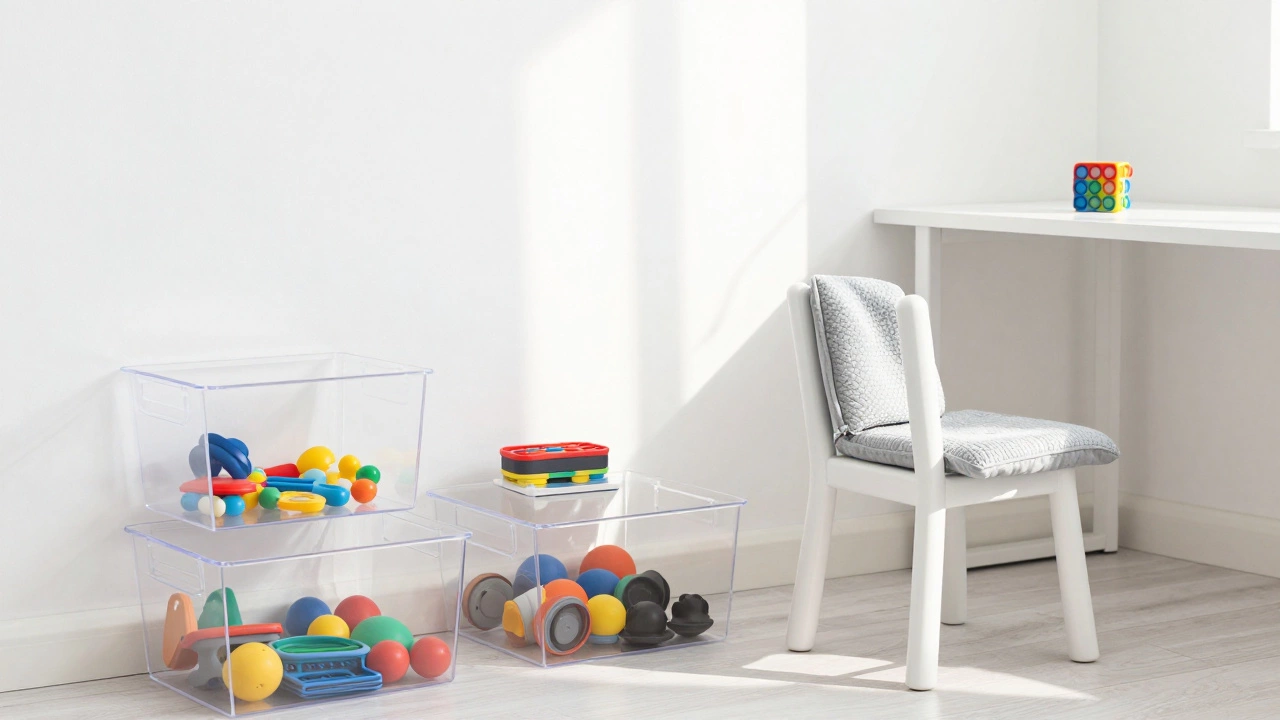
The toy itself is only half the equation. The environment matters just as much. Kids with ADHD are easily distracted by clutter. A messy room sends visual signals that compete for their attention. Clear surfaces, organized bins, and limited choices can make a huge difference.
Rotate toys. Keep only a few options available at a time. This prevents "choice paralysis" and makes each toy feel new and exciting when it comes back into rotation. It also helps the child develop deeper engagement with fewer items rather than skimming the surface of many.
Understanding Emotional Regulation
Frustration tolerance is often low in children with ADHD. When a tower falls or a game is lost, the reaction can be intense. This isn’t bad behavior; it’s an emotional overflow. Toys that promote cooperative play rather than competitive play can help reduce this friction. Working together on a large mural or building a complex structure side-by-side fosters connection without the pressure of winning or losing.
Role-playing toys, such as dolls or action figures, can also be therapeutic. They allow children to act out scenarios, process emotions, and practice social interactions in a safe space. This is a form of cognitive behavioral therapy in miniature, helping them understand their feelings and reactions.
Are video games good for kids with ADHD?
In moderation, yes. Video games provide immediate feedback and high levels of engagement, which can help improve focus and reaction times. However, it is important to choose games that encourage problem-solving and strategy rather than pure aggression. Limit screen time to ensure a balance with physical activity and social interaction.
What is the best type of toy for a hyperactive child?
Active toys that allow for movement are best. Look for items like trampoline parks, obstacle courses, or sports equipment. For indoor play, consider kinetic sand, water tables, or large building blocks that require physical effort to move and arrange. These toys help burn off excess energy while still engaging the mind.
How can I help my child with ADHD focus on homework?
Use timers to break work into short chunks (e.g., 15 minutes). Allow the use of fidget tools during study sessions. Create a distraction-free zone with minimal visual clutter. Incorporate movement breaks between tasks to reset their attention span. Positive reinforcement for completing small milestones is also highly effective.
Do boys and girls with ADHD prefer different toys?
While individual preferences vary, research suggests that girls with ADHD may internalize symptoms more and might benefit from creative arts, writing journals, or role-play toys. Boys may lean towards active, competitive, or construction-based toys. However, the underlying need for sensory regulation and executive function support remains the same for all genders.
Is it okay to let my child play alone if they have ADHD?
Yes, independent play is valuable for building self-reliance. However, children with ADHD may struggle to initiate or sustain solo play. Start by playing alongside them to model engagement, then gradually step back. Provide structured activities with clear beginnings and ends to help them manage their time and attention independently.