School Uniform Evolution Simulator
The Era of Distinction
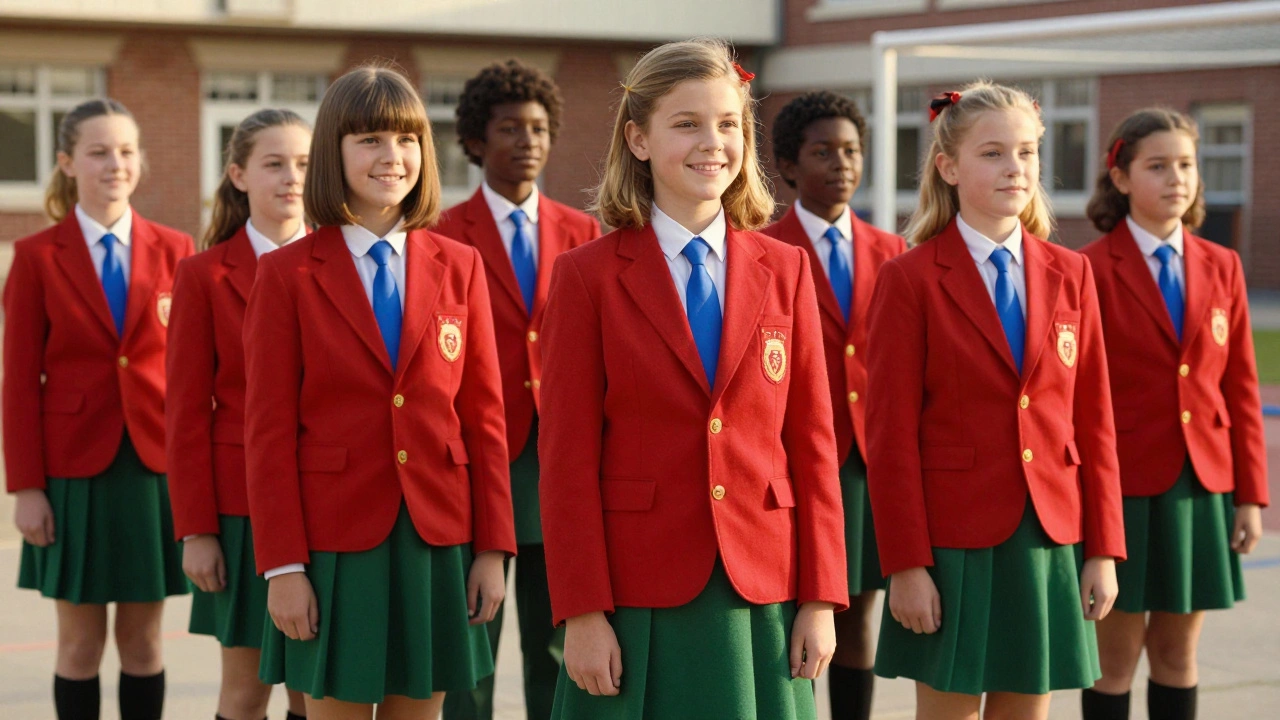
Driven by: Institutional PrideRemember the bright red blazers of the 1980s or the bold yellow ties that defined a specific grade level? If you’re over forty, those images might trigger a wave of nostalgia. But if you walk into most elementary or middle schools today, you’ll see a sea of navy blue, charcoal gray, and black. The vibrant palette of school attire has largely vanished, replaced by a utilitarian monotony. You might wonder: when did this shift happen, and why did we trade personality for practicality?
The transition wasn’t overnight. It was a slow creep driven by economics, changing social dynamics, and a desire for order. To understand why your child’s uniform looks so different from yours, we have to look at how the purpose of the uniform itself changed from a symbol of pride to a tool of management.
The Era of Distinction: When Color Meant Status
In the early-to-mid 20th century, particularly in private academies and elite public systems, color was a language. It communicated hierarchy, achievement, and belonging. A senior might wear a gold cord, while a freshman wore none. Different houses or grades were assigned distinct colors-crimson, royal blue, forest green. These weren't just aesthetic choices; they were markers of identity within the school community.
School uniforms are standardized clothing worn by students to promote equality and reduce distractions. Historically, they served as symbols of institutional pride, often featuring bright colors to distinguish grades or houses.This era peaked in the 1970s and 1980s. Schools wanted to project an image of excellence and tradition. Bright colors photographed well, looked sharp on stage during assemblies, and made students feel part of something special. However, this vibrancy came with a cost. Dyes were less stable then, and maintenance was high. Parents had to fight fading, and schools spent fortunes on replacement garments that lost their luster after a few washes.
The Economic Shift: Why Darker Became Smarter
By the late 1980s and early 1990s, economic pressures began to reshape school policies. Budget cuts hit public education hard. At the same time, the rise of suburban sprawl led to larger, more diverse student bodies. Managing thousands of students required efficiency, not individuality.
Navy blue, black, and gray emerged as the new standards for three practical reasons:
- Durability: Dark fabrics hide stains better than light pastels or bright primaries. For a garment that needs to survive lunch spills, science experiments, and playground dirt, darkness is functional.
- Cost-Effectiveness: Black and navy dyes became cheaper and more consistent. Mass production allowed manufacturers to produce these staples at scale, lowering the price per unit for families.
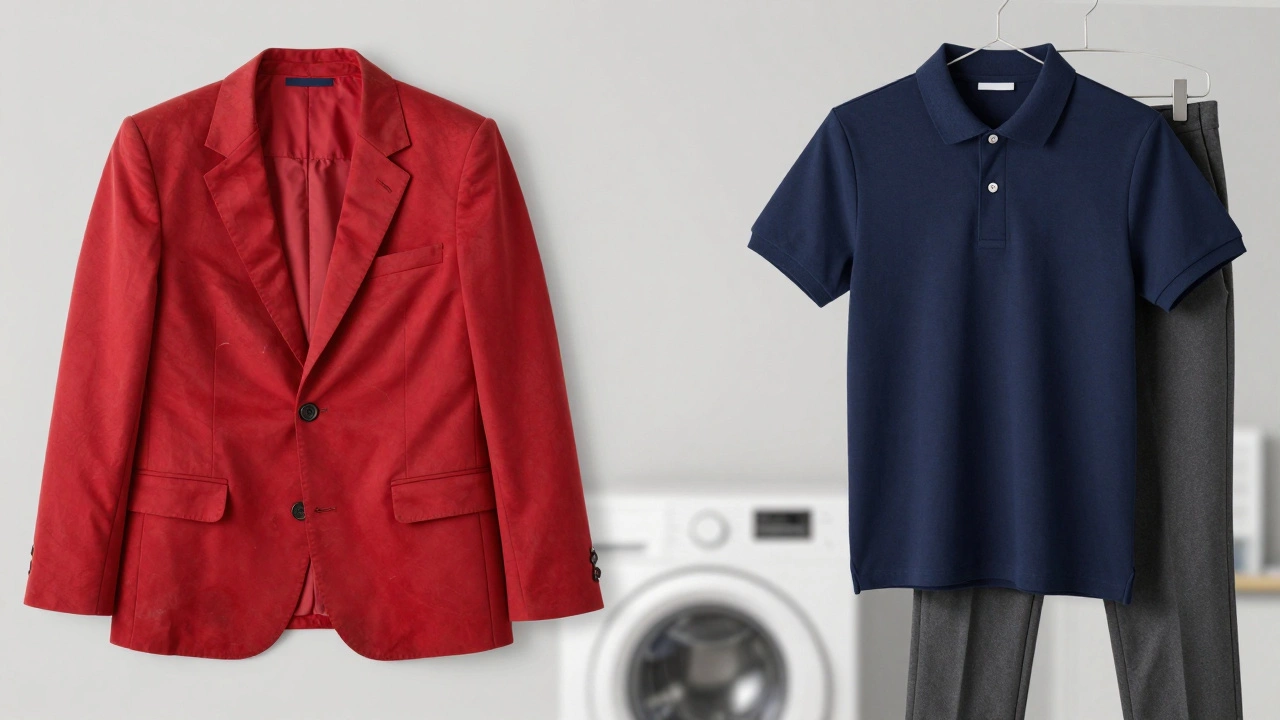
- Fading Resistance: While all clothes fade, dark solids age more gracefully than bright colors, which can turn patchy and uneven. A navy blazer worn for three years still looks presentable; a bright red one often looks tired.
Parents noticed the savings. Schools noticed the reduced administrative headache of enforcing complex color codes. The trend accelerated.
The Social Factor: Reducing Bullying and Distraction
As schools grew larger, social friction increased. Clothing became a battlefield for brand names, fashion trends, and socioeconomic status. Kids with expensive designer jeans were mocked by those who couldn’t afford them. This distraction pulled focus away from learning.
Educators and psychologists began advocating for uniforms not just for discipline, but for mental peace. By removing the visual noise of varied fashion, schools hoped to create a more level playing field. But here’s where the color choice comes in. Bright colors can be polarizing. They stand out. In a crowd of 500 students, standing out can lead to targeting. Neutral tones blend. They make it harder to single someone out based on their outfit’s fit or shade.
| Decade | Dominant Colors | Primary Driver | Maintenance Level |
|---|---|---|---|
| 1970s-1980s | Bright Reds, Blues, Yellows | Institutional Pride & Identity | High (Fading, Staining) |
| 1990s-2000s | Navy, Gray, White | Cost Efficiency & Durability | Medium |
| 2010s-Present | Black, Charcoal, Navy | Social Equity & Minimalism | Low |
The Rise of Athleisure and Comfort
In the last decade, another factor entered the mix: comfort. The rigid collars and stiff fabrics of the past gave way to polo shirts, knit dresses, and stretchy trousers. As materials evolved, so did the color palette. Athletic brands dominated the casual wear market, and their core colors-black, gray, navy-bleeded into school uniforms.
Modern parents prioritize ease. A black polo shirt matches everything. It doesn’t clash with a tie. It doesn’t show sweat marks as easily as white. It’s versatile. This versatility aligns with the busy lives of modern families. There’s less time to coordinate outfits, so neutral tones became the default solution.

Are We Losing Something?
Critics argue that the shift to drab uniforms has stripped schools of their character. Without distinctive colors, schools can feel generic. Students may lack a sense of unique identity tied to their institution. Some private schools have pushed back, reintroducing brighter accents like scarves, socks, or house colors to maintain tradition without sacrificing too much practicality.
However, for most public schools, the benefits of neutrality outweigh the loss of flair. The goal isn’t to make students look like models; it’s to help them learn in a low-stress environment. The colorful past was charming, but the neutral present is pragmatic.
What’s Next for School Uniforms?
Looking ahead, we might see a slight return of color, but in subtle ways. Sustainable fabrics often come in earth tones-olive, rust, slate-which offer variety without the maintenance headaches of bright neon hues. Additionally, some schools are allowing students to choose between two neutral options (e.g., navy or black) to give a small sense of agency.
The era of the bright red blazer is likely gone forever. But the story of school uniforms continues to evolve, balancing the needs of students, parents, and educators in a world that values both efficiency and expression.
When did school uniforms become mostly navy and black?
The shift began in the late 1980s and accelerated through the 1990s and 2000s. Economic pressures, the need for durable fabrics, and a desire to reduce social distractions drove schools away from bright colors toward neutral tones like navy, gray, and black.
Why do schools avoid bright colors in uniforms now?
Bright colors fade faster, show stains more easily, and can be more expensive to produce consistently. Additionally, neutral tones help minimize social comparisons among students, reducing bullying related to clothing appearance.
Did school uniforms used to be more colorful?
Yes. In the 1970s and 1980s, many schools, especially private ones, used bright colors like red, yellow, and royal blue to signify grade levels, houses, or institutional pride. These colors were symbols of identity rather than just practical clothing.
Are any schools bringing back colorful uniforms?
Some private schools have reintroduced accents like colored scarves, socks, or house badges to add variety without compromising the durability and neutrality of the main uniform pieces. However, widespread adoption of bright primary colors remains rare in public education.
How does uniform color affect student behavior?
Neutral colors tend to create a more uniform appearance, which can reduce peer pressure related to fashion and socioeconomic status. This can lead to fewer distractions and a more focused learning environment, according to various educational studies.