UGG Boot Sock Decision Calculator
Answer these questions to find the optimal way to wear your UGGs for maximum comfort and boot longevity.
Your Ideal Setup:
Why?
You just bought your first pair of UGG boots. They’re soft, warm, and look like clouds you can walk on. But then comes the question that splits friends into two camps at every holiday party: Do you wear socks with them? Or do you go barefoot?
The answer isn’t just about fashion rules. It’s actually a mix of hygiene, boot longevity, and pure comfort physics. Most people assume wearing socks is the "proper" way to wear shoes. But UGGs are different. They aren’t standard leather boots; they’re lined with genuine sheepskin. This material changes everything.
The Science of Sheepskin Lining
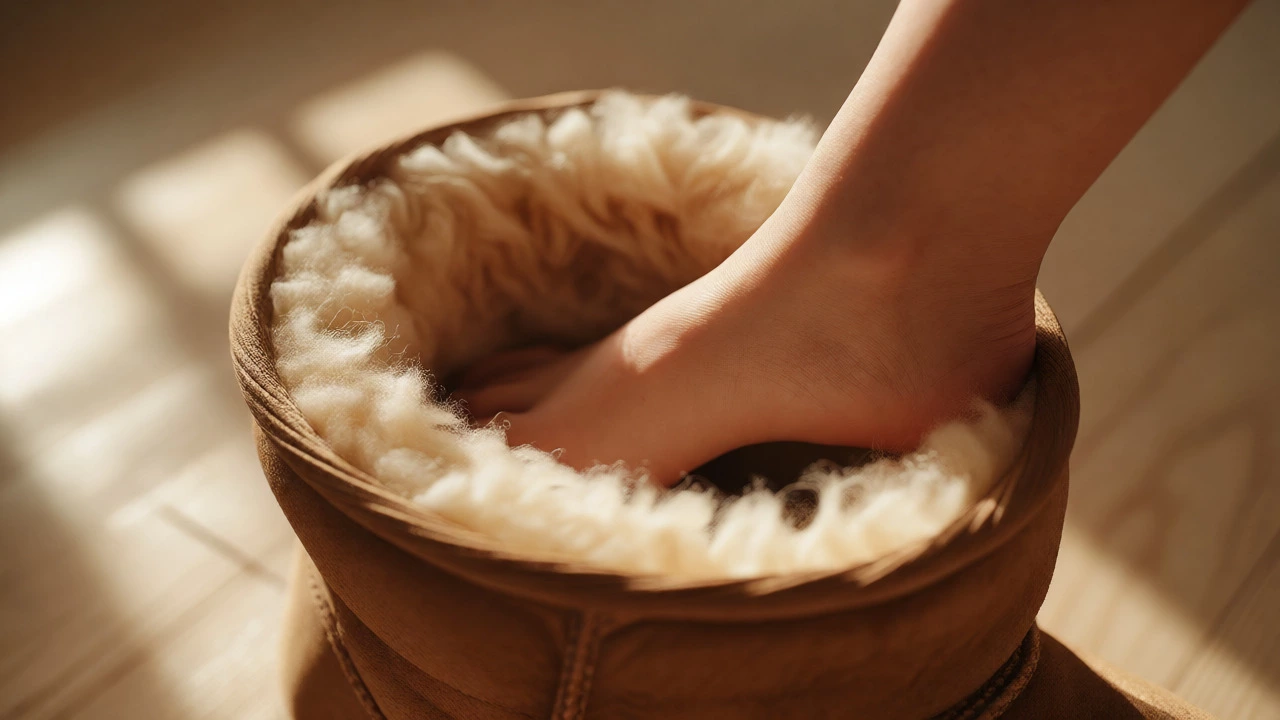
To understand why this debate exists, you have to look at what’s inside the boot. Sheepskin is not just fur glued to fabric. It is a natural material with unique properties. Unlike synthetic fleece or cotton lining, sheepskin has a hollow fiber structure. This allows it to regulate temperature and moisture efficiently.
When you wear UGGs barefoot, your foot heat warms the air trapped in the wool fibers. At the same time, the wool wicks sweat away from your skin. If you wear thick cotton socks, you block this process. The cotton absorbs the sweat but doesn’t dry out quickly. Instead, it stays damp against your skin, creating a swampy environment inside the boot.
| Factor | Wearing Barefoot | Wearing Socks |
|---|---|---|
| Temperature Regulation | Optimal. Wool adapts to body heat. | Can overheat feet if socks are too thick. |
| Moisture Control | Excellent. Wool wicks sweat naturally. | Poor with cotton; traps moisture against skin. |
| Boot Shape Retention | Good. Foot molds to wool evenly. | Risk of stretching unevenly if socks bunch up. |
| Hygiene | Requires regular airing out. | Better for odor control if you sweat heavily. |
| Comfort Feel | Direct contact with soft wool. | Barrier between skin and wool. |
When Going Barefoot Is Actually Better
If you live in a mild climate or mostly wear your UGGs indoors, going barefoot is often the superior choice. Here is why:
- Natural Odor Resistance: Sheepskin contains lanolin, a natural oil that resists bacteria. Bacteria cause smell. Without socks trapping dead skin cells and sweat directly against non-breathable fabrics, the boot stays fresher longer.
- Mold to Your Foot: Genuine sheepskin compresses and expands based on pressure. Wearing it barefoot allows the lining to mold precisely to your arch and heel. This creates a custom fit that feels incredibly supportive.
- Avoiding Bulk: UGGs run true to size but have little extra room. Adding thick socks can make the boot feel tight across the instep, cutting off circulation or causing discomfort after an hour.
Think of it like sleeping without pajamas versus wearing heavy sweats. One lets your body breathe; the other insulates you too much. For most healthy feet, the direct contact with high-quality wool feels luxurious, not gross.
The Case for Socks: Hygiene and Extreme Cold
So, when should you break the rule? There are valid reasons to wear socks, especially depending on your lifestyle and health needs.
If you have hyperhidrosis (excessive sweating), barefoot might feel uncomfortable despite the wool’s wicking ability. In this case, socks act as a sacrificial layer. You wash the socks daily instead of worrying about washing the expensive boots. Similarly, if you have fungal issues or open blisters, a barrier protects both your foot and the interior lining from contamination.
Then there is the weather factor. While sheepskin is warm, it isn’t windproof. On freezing days, cold air can penetrate the suede exterior. A thin thermal sock adds a necessary insulation layer without ruining the fit. Just remember: the goal is warmth, not bulk.
Choosing the Right Sock Material
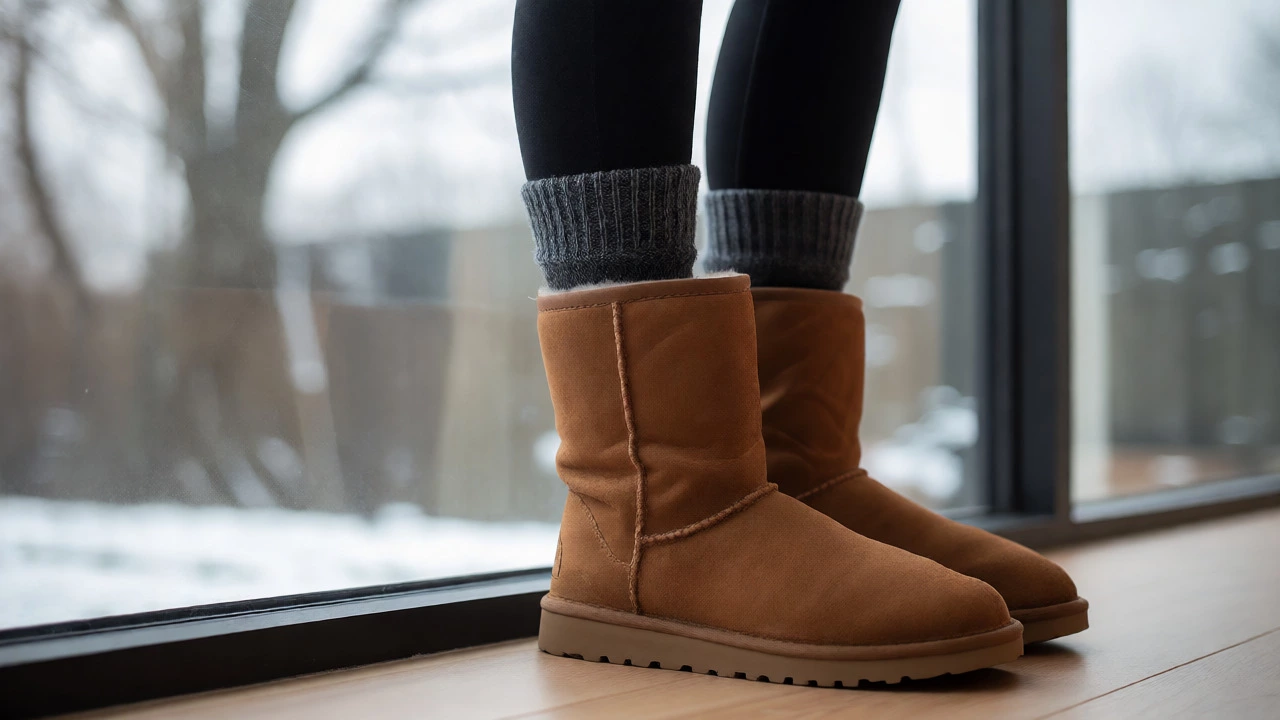
If you decide to wear socks, the type matters more than the brand. Cotton is the enemy here. As mentioned, cotton holds water. Wet cotton next to your skin in winter leads to cold, clammy feet and potential blisters.
Instead, look for these materials:
- Merino Wool: This is the gold standard. Merino wool regulates temperature even better than the boot lining itself. It wicks moisture rapidly and dries faster than cotton. Thin merino liner socks are invisible under pants but provide massive comfort gains.
- Bamboo Blends: Bamboo viscose is naturally antibacterial and very soft. It breathes well and doesn’t hold odors like synthetic polyester does. These are great for sensitive skin.
- Synthetic Moisture-Wicking Fabrics: Athletic socks made from nylon or polypropylene blends work well if you need durability. Avoid cheap polyester, which can trap heat and smell bad quickly.
Stay away from thick terrycloth athletic socks unless you plan to buy a half-size larger boot. They will stretch the suede toe box out of shape permanently.
Caring for Your UGGs: The Maintenance Reality
One major concern about wearing UGGs barefoot is cleanliness. Can you really just slip them off and forget about them? Not quite. Barefoot wear requires a slightly different care routine than socked wear.
Because your skin oils and dead cells transfer directly to the wool, you need to ventilate the boots regularly. Never store wet UGGs in a closed closet. Leave them in an airy spot for 24 hours between wears. This allows the moisture absorbed by the sheepskin to evaporate fully.
If you wear socks, you still need to clean the boots, but less frequently. The socks absorb the bulk of the grime. However, ensure you wash your feet thoroughly before putting on UGGs, whether barefoot or socked. Dirt tracked in from outside combines with internal oils to create grime that stains the light-colored lining.
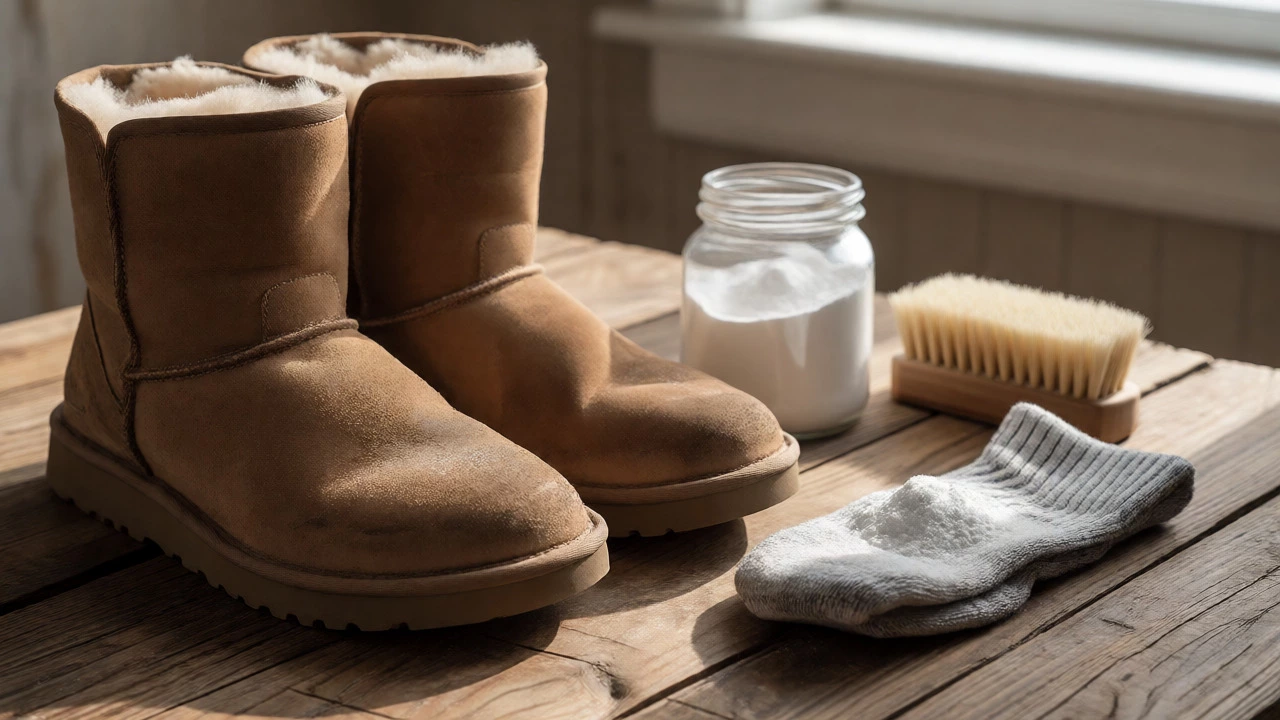
For deep cleaning, use a specialized sheepskin cleaner. Regular soap strips the lanolin, making the wool matted and less effective. Some users sprinkle baking soda inside overnight to neutralize odors, then vacuum it out in the morning. This simple trick works wonders for barefoot wearers who skip weekly cleanings.
Style Considerations: Does It Look Weird?
Fashion trends shift, but the visual impact of socks peeking out of UGGs remains controversial. Historically, showing white tube socks was considered a faux pas. Today, styling has evolved.
If you choose to show socks, coordinate colors carefully. Neutral tones like grey, beige, or black blend seamlessly with the suede. Bright patterns can look playful but might clash with minimalist outfits. Thigh-high socks paired with mini skirts and UGGs became a staple in the early 2010s and remain popular for a reason-they elongate the leg line.
However, if you prefer a sleek silhouette, stick to no-show socks or go barefoot. Visible socks can shorten the appearance of your legs, especially with shorter boot styles like the Classic Mini. For tall boots, visible socks add texture and interest, breaking up the monotony of the suede shaft.
Common Myths Debunked
Let’s clear up some persistent rumors about UGG maintenance and usage.
Myth 1: Wearing socks stretches the boots too much. False. Boots stretch primarily due to heat and pressure from your foot bones, not the thickness of your sock. Unless you are forcing a size-too-small boot onto your foot, socks won’t ruin the shape.
Myth 2: Barefoot UGGs always smell bad. Not if you maintain them. High-quality sheepskin resists odor better than almost any synthetic lining. Smell usually results from poor ventilation or wearing wet boots, not from skin contact.
Myth 3: You must never get UGGs wet. They are water-resistant, not waterproof. Light rain is fine. Heavy downpours require treatment with a suede protector spray beforehand. If they get soaked, stuff them with paper towels and let them dry slowly away from direct heat sources like radiators.
Your Decision Checklist
Still unsure? Run through this quick decision tree to find your ideal setup.
- Do you sweat heavily? Yes → Wear thin Merino wool socks. No → Continue.
- Is it below freezing outside? Yes → Add thermal socks. No → Continue.
- Are you wearing them mainly indoors? Yes → Go barefoot for maximum comfort. No → Continue.
- Do you have sensitive skin or allergies? Yes → Wear bamboo or silk liners. No → Go barefoot.
- Are you concerned about shoe odor? Yes → Use socks + baking soda routine. No → Air out daily.
Ultimately, UGG boots are designed for comfort. Whatever method keeps your feet happy and your boots looking good is the right one. Don’t let internet debates dictate your personal experience. Try both methods for a week each. You’ll likely discover a preference based on your specific physiology and local climate.
Can I wear UGG boots in the rain?
Yes, but with caution. Standard UGGs are water-resistant, not waterproof. Light rain is manageable if you treat them with a suede protector spray. Avoid deep puddles or heavy storms, as prolonged saturation can damage the suede and stiffen the sheepskin lining upon drying.
How often should I clean my UGGs if I wear them barefoot?
Spot clean the exterior as needed. For the interior, air them out daily. Perform a deeper clean with sheepskin shampoo every 4-6 weeks if worn frequently. Using baking soda monthly helps absorb oils and prevent odors between deep cleans.
Do UGGs stretch over time?
Yes, UGGs typically stretch about a half-size after several wears. The sheepskin lining compresses, and the suede exterior relaxes. Buying them snug initially is recommended because they will loosen significantly. Wearing socks does not prevent this natural stretching process.
What is the best sock material for UGGs?
Thin Merino wool is the best option. It wicks moisture, regulates temperature, and resists odor. Bamboo blends are also excellent alternatives. Avoid cotton, as it retains sweat and causes cold, uncomfortable feet.
Why do my UGGs smell even though I wear socks?
Smell often comes from bacteria thriving in moist environments. If your socks are cotton, they stay damp, promoting bacterial growth. Switch to moisture-wicking materials like wool or synthetic blends. Also, ensure your feet are clean before dressing and allow the boots to air out completely between wears.