Athleisure vs. Sportswear Quiz
Can you tell the difference between gear built for performance and clothes designed for style? Take this quick quiz to find out.
Great Effort!
Here is how you did.
- • Prioritize moisture-wicking fabrics.
- • Avoid cotton for high-intensity sweat.
- • Wash in cold water; skip fabric softener.
- • Air dry to preserve elasticity.
- • Focus on comfort, drape, and style.
- • Blends with cotton/modal are common.
- • Great for low-impact or office settings.
- • Check for pilling resistance and fit.
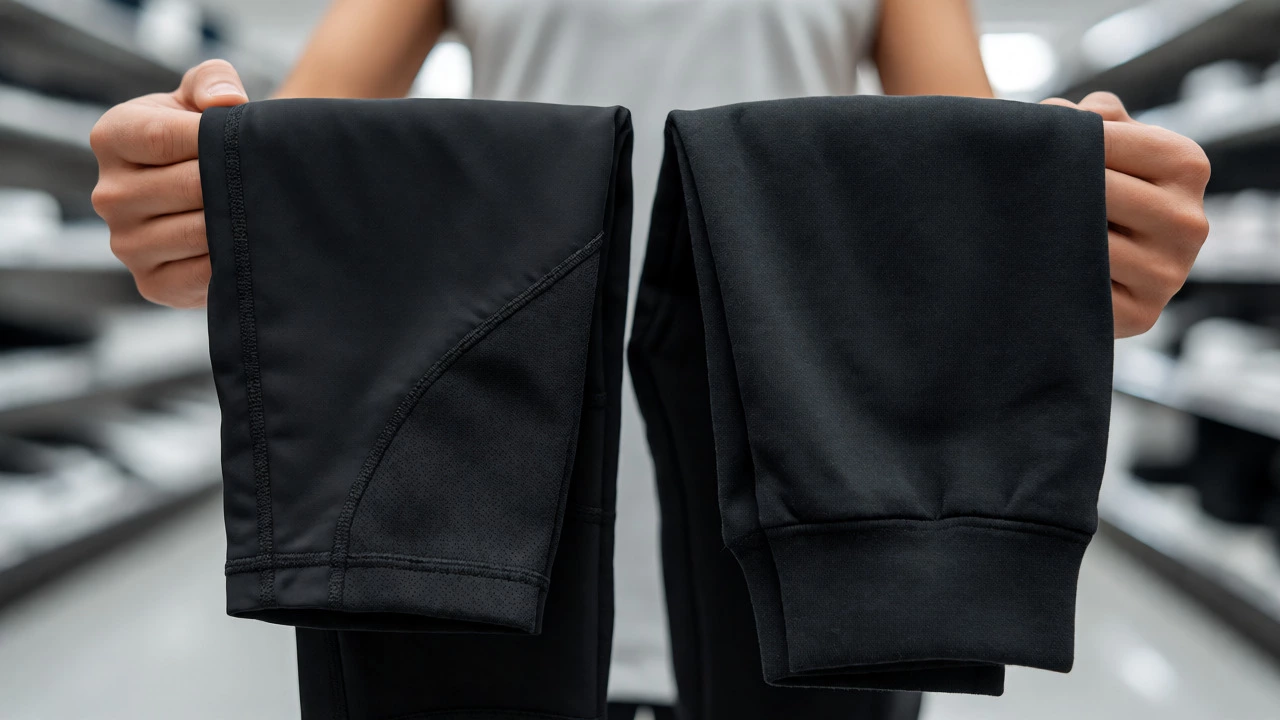
You’re standing in a store aisle, holding two pairs of leggings that look almost identical. One tag says "performance," the other says "lifestyle." You check your phone for workout plans, then glance at your calendar full of coffee dates. Which one do you actually need? This confusion is everywhere because athleisure and sportswear have blurred lines in modern wardrobes. While they share DNA-stretchy fabrics, comfort, athletic roots-they serve completely different masters. One exists to help you run faster; the other exists to make you look good while sitting on the couch or grabbing lattes.
The Core Mission: Performance Versus Aesthetics
Sportswear is strictly functional gear designed for physical activity. Think about what happens when you sweat during a high-intensity interval training session. Your clothes need to move with you, wick moisture away from your skin, and dry quickly so you don’t catch a chill. Brands like Nike Pro or Under Armour HeatGear engineer their products around these biological needs. The fabric composition usually leans heavily into synthetic fibers like polyester and elastane because natural cotton absorbs sweat and becomes heavy and cold.
In contrast, athleisure prioritizes style and versatility over pure athletic performance. It’s clothing inspired by sports but designed for everyday wear. You might wear matching joggers and a hoodie to brunch, not because you plan to lift weights afterward, but because it feels comfortable and looks put-together. The materials often blend synthetics with cotton or modal to improve texture and drape. If sportswear is a tool for your body, athleisure is an accessory for your lifestyle.
Fabric Technology and Construction Details
When you touch the fabric, you’ll notice immediate differences if you know what to look for. Sportswear fabrics are engineered with specific technical attributes. Look for terms like "moisture-wicking," "anti-odor," or "four-way stretch." These aren’t just marketing buzzwords; they refer to actual chemical treatments or knit structures. For example, many running shorts use mesh panels for ventilation, which would look out of place in a casual setting but are critical for cooling during a marathon.
Athleisure fabrics focus more on hand-feel and durability against non-athletic wear and tear. You want jeans-like durability in leggings that won’t pill after a few washes, or softness that competes with loungewear. A common pitfall here is assuming all stretchy pants are equal. I’ve seen people buy cheap athleisure leggings for yoga only to find them sheer under gym lights or lacking the compression needed for support. Conversely, wearing heavy-weight fleece joggers to a spin class can lead to overheating because the fabric traps heat rather than releasing it.
| Feature | Sportswear | Athleisure |
|---|---|---|
| Primary Purpose | Performance & Protection | Comfort & Style |
| Fabric Focus | Moisture-wicking, Breathable | Softness, Drape, Durability |
| Fit | Compression, Aerodynamic | Relaxed, Tailored, Trend-driven |
| Price Point | Varies (High-tech premium) | Moderate to High (Brand premium) |
| Versatility | Gym to Shower | Gym to Office to Dinner |
Design Language and Silhouettes
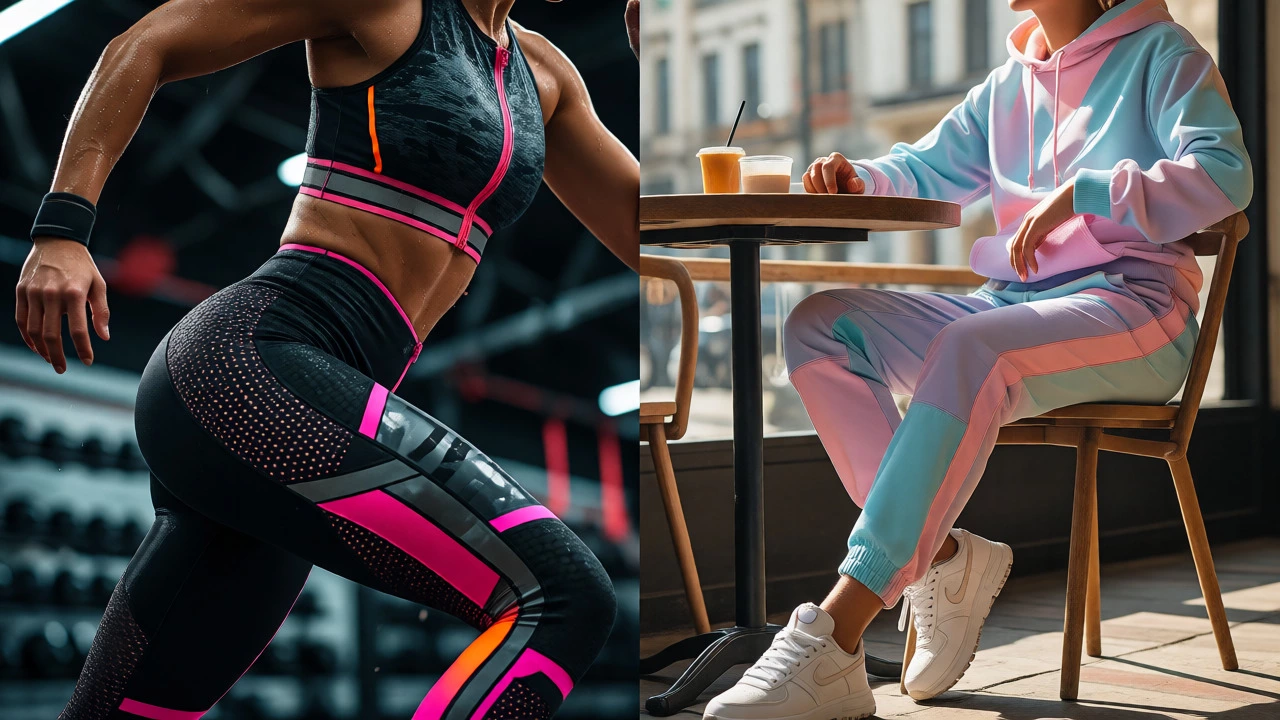
The visual cues give it away instantly. Sportswear design follows function. Pockets are zippered to hold keys securely during a run. Seams are flat-locked to prevent chafing. Reflective strips are placed strategically for night visibility. The colors are often bold or neon for safety, or neutral for team uniformity. There’s rarely unnecessary decoration because every extra thread adds weight and potential irritation.
Athleisure borrows these silhouettes but tweaks them for urban aesthetics. Zipper pockets become decorative metal accents. Logos are larger and centered as brand statements. Colors follow seasonal fashion trends-think muted earth tones, pastels, or monochrome sets. You’ll see details like ribbed cuffs, tapered ankles, or cropped lengths that mimic traditional streetwear. The goal isn’t to optimize your sprint time; it’s to create an outfit that transitions seamlessly from a morning walk to a work-from-home video call without changing.
When to Choose Which (And When to Mix Them)
So, how do you decide what to buy? Ask yourself where you will be most of the day. If you spend six hours at a desk and two hours at the gym, investing in high-quality athleisure makes sense. You’ll wear those pieces far more often. However, if you train five times a week with high intensity, your budget should prioritize technical sportswear. Cheap athleisure cannot replace proper compression tights or breathable running shoes.
There is also a middle ground called "hybrid" gear. Many brands now release collections that straddle the line. A pair of track pants made from technical nylon but cut with a fashionable wide-leg silhouette fits this category. These are excellent investments for people who want one wardrobe for multiple contexts. Just be aware that hybrids often compromise slightly on both ends-they might not wick sweat as well as pure sportswear, nor look as polished as dedicated athleisure.
Care Instructions Matter More Than You Think
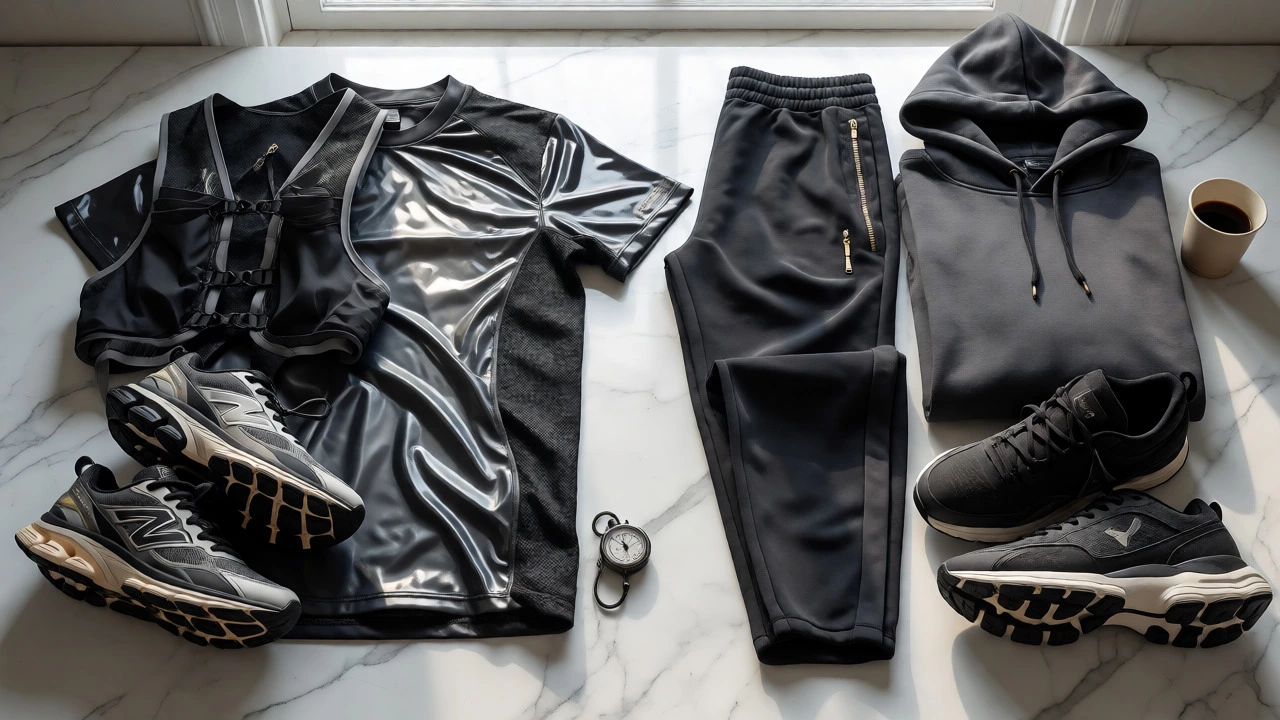
Your washing machine habits differ significantly between these categories. Sportswear requires delicate handling to maintain its technical properties. Fabric softeners clog the microscopic pores used for moisture-wicking, effectively turning your expensive performance shirt into a sweaty plastic bag. Always wash sportswear in cold water and air-dry when possible. Heat damages elastane fibers, causing them to lose their snap-back ability over time.
Athleisure is generally more forgiving, especially if it contains cotton blends. You can toss cotton-jersey hoodies in the dryer on low heat without ruining them. However, watch out for color fading. Dark athleisure sets often use dye-sublimation printing, which is durable, but surface prints can crack if washed too aggressively. Treating your clothes according to their intended use extends their lifespan and keeps your investment worthwhile.
The Economic Reality: Cost Per Wear
Let’s talk money. Sportswear can range from $15 basics to $300+ technical jackets. Athleisure ranges similarly, driven largely by brand prestige. But calculate cost-per-wear. A $80 pair of Lululemon Align leggings (athleisure) worn daily for three years costs less per day than a $60 pair of running shorts (sportswear) worn twice a week for six months before losing elasticity. Athleisure often wins on utility simply because it has more social acceptability outside the gym.
However, don’t skimp on safety-critical sportswear. Running shoes with inadequate cushioning can cause long-term joint issues. Investing in quality footwear specifically designed for your foot type and activity level is non-negotiable. No amount of stylish athleisure leggings will compensate for poor biomechanical support during impact activities.
Can I wear athleisure to the gym?
Yes, for light activities like walking, stretching, or yoga. However, for high-intensity cardio or weightlifting, dedicated sportswear offers better moisture management and freedom of movement. Check the fabric content-if it’s mostly cotton, avoid it for sweating-heavy workouts.
Is sportswear considered casual enough for office wear?
Generally, no. Traditional sportswear looks too utilitarian for most offices. However, "smart" sportswear pieces, such as structured polo shirts or tailored track jackets, can pass in creative or tech-oriented workplaces. Stick to neutral colors and minimalist designs to blend in.
Why does my sportswear smell even after washing?
Synthetic fabrics trap oils and bacteria differently than natural fibers. Regular detergent may not break down these residues. Use a specialized sports laundry detergent occasionally, or add white vinegar to the rinse cycle to neutralize odors without damaging technical coatings.
Do expensive brands make better athleisure?
Not always. You pay for branding and sometimes proprietary fabric technologies. Mid-tier brands often offer comparable quality at lower prices. Read reviews focusing on durability and fit rather than just logo appeal. Test the fabric stretch and recovery in-store if possible.
How do I style athleisure for a date night?
Elevate the look with accessories. Pair sleek black leggings with heeled ankle boots and a silk blouse. Add statement jewelry and a structured blazer. Avoid overly baggy or faded pieces. The key is balancing the casual bottom with refined tops and footwear.