T-Shirt Quality Finder
Select your preferences below to find the top-rated brands that match your criteria for fabric weight, price, and ethical standards.
Recommended Brands
You’ve probably been there. You buy a $10 tee because it looks fine in the store, only for it to shrink into a crop top after one wash or develop those annoying shoulder holes within three months. It’s frustrating, especially when you’re trying to build a wardrobe that actually lasts. The truth is, "quality" isn't just about the price tag; it's about fabric weight, stitching integrity, and how the garment behaves over time. If you're tired of replacing your white tee every six months, you need to know which brands actually deliver on durability without charging you a mortgage payment.
What Actually Makes a T-Shirt High-Quality?
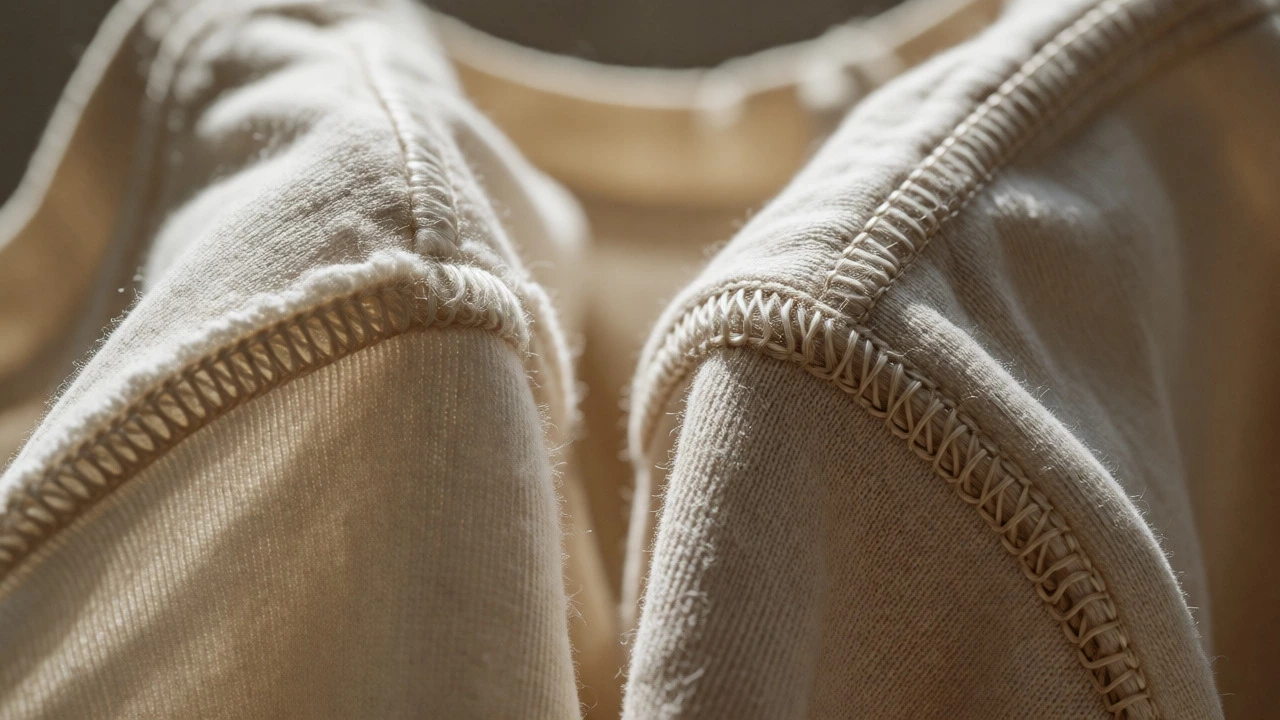
Before we list names, let’s talk about what makes a shirt good. Most people think expensive equals better, but that’s not always true. A high-quality t-shirt is defined by three main factors: fiber length, knit density, and construction method. Long-staple cotton fibers (like Supima or Egyptian Giza) are stronger and smoother than short-staple ones. This means less pilling and a softer feel that improves with wear. Then there’s GSM (grams per square meter). A standard fast-fashion tee might sit at 140-160 GSM, feeling thin and see-through. A quality daily driver usually sits between 180-220 GSM-substantial enough to hold its shape but light enough for summer. Finally, look at the seams. Side-seamed construction holds up far better than tubular knits, which tend to twist after washing.
The Heavyweight Champions: Durability First
If you want a shirt that feels like armor and lasts for years, heavyweight tees are the way to go. These aren’t for hot beach days, but they are perfect for layering or cooler Melbourne autumns. One brand that consistently dominates this category is Uniqlo’s U Crew Neck Short Sleeve T-shirt. Designed by Christophe Lemaire, these shirts use thick, structured cotton that doesn’t sag. They cost around $25 AUD, which is a steal for the longevity they offer. Another standout is The Flat Head, a Japanese brand famous for their extreme attention to detail. Their tees often weigh in at 230+ GSM and feature vintage-style chain stitching. Yes, they cost upwards of $100, but if you buy one, you likely won’t need another for five years.
Everyday Essentials: Balancing Comfort and Cost
For most people, the goal is a reliable daily tee that works under a blazer or on its own. Here, Everlane has carved out a niche with their "Organic Cotton" line. While their marketing focuses heavily on transparency, the actual product is solid. The fabric is mid-weight (around 180 GSM), breathable, and ethically sourced. However, some users report slight shrinking in the first wash, so sizing up is a smart move. On the other hand, Buck Mason offers a more rugged American aesthetic. Their "Classic Crew" uses a heavier jersey knit that resists twisting. Buck Mason tends to run slightly larger, offering a relaxed fit that suits men who prefer roomier cuts. If you’re in Australia, local brand M.J. Bale also produces excellent merino wool blends that regulate temperature better than pure cotton, ideal for our unpredictable weather.
Luxury Basics: When You Want Softness
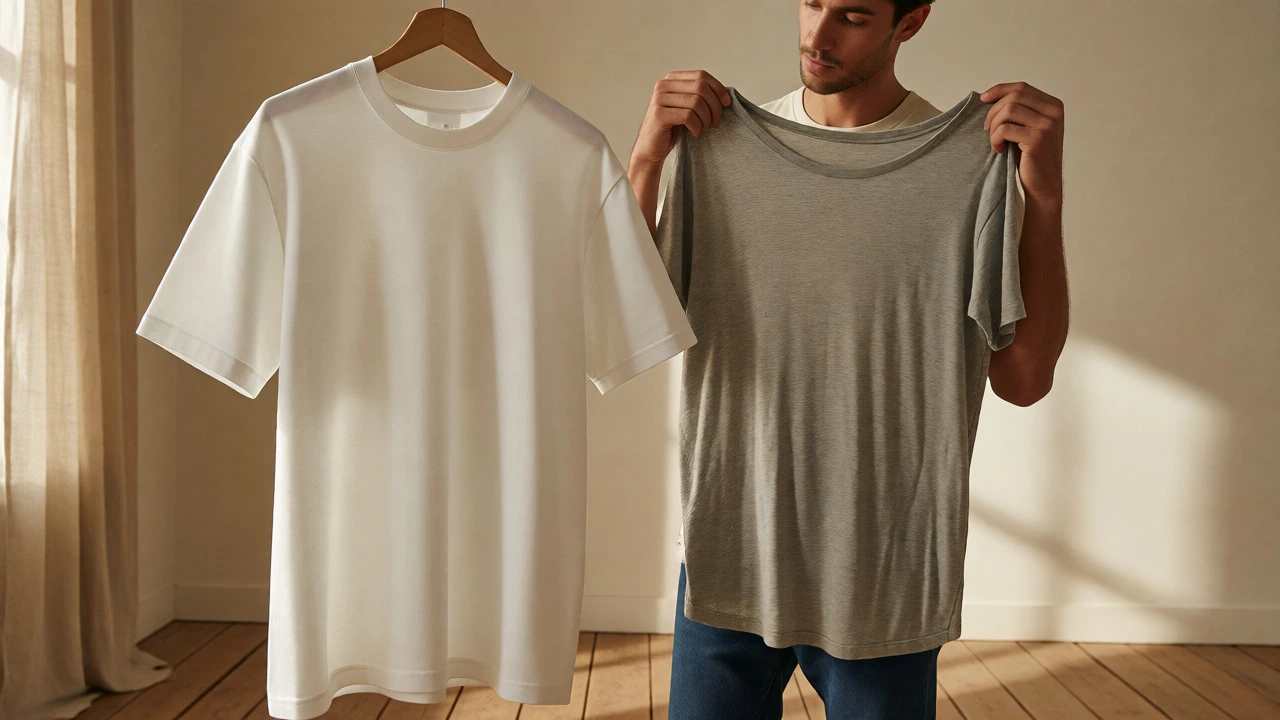
Sometimes you just want the softest thing against your skin. Luxury brands excel here by using ultra-fine yarns and advanced finishing techniques. Sunspel, famously worn by James Bond, is the gold standard for British luxury. Their Q87 cotton is incredibly smooth, almost silky, but it requires delicate care. Hand-wash or cold machine wash only, or you’ll ruin the texture. For something more modern, James Perse offers luxurious Pima cotton tees that strike a balance between softness and structure. They don’t cling as much as Sunspel, making them easier to wear casually. Keep in mind, luxury tees often have a slimmer cut. If you have broader shoulders, check the size charts carefully, as these brands prioritize silhouette over comfort.
Sustainable and Ethical Choices
Fashion’s environmental impact is real, and many buyers now prioritize ethics alongside quality. Patagonia is a leader here, using recycled materials and organic cotton. Their "Responsibly Made" tees are durable, though the fit can be boxy. They back their products with a lifetime repair guarantee, which speaks volumes about their confidence in quality. Another great option is Kotn, which sources directly from Egyptian farmers. By cutting out middlemen, they offer high-quality long-staple cotton at reasonable prices. Their commitment to ethical labor practices adds value beyond the physical product. If sustainability matters to you, look for certifications like GOTS (Global Organic Textile Standard) on the label. This ensures no harmful chemicals were used in processing.
| Brand | Fabric Type | Weight (GSM) | Price Range (AUD) | Best For |
|---|---|---|---|---|
| Uniqlo U | Thick Cotton | ~200 | $20 - $30 | Daily wear & layering |
| The Flat Head | Vintage Cotton | 230+ | $90 - $120 | Longevity & structure |
| Sunspel | Q87 Cotton | ~160 | $80 - $100 | Luxury softness |
| Patagonia | Recycled/Organic | ~180 | $40 - $60 | Ethics & durability |
| Buck Mason | American Cotton | ~190 | $50 - $70 | Rugged casual style |
Pitfalls to Avoid When Buying Premium Tees
Don’t fall for the trap of buying based solely on brand name. Some luxury labels outsource production to the same factories as mid-tier brands, marking up the price simply for the logo. Always check the composition label. If it says "100% Cotton," that’s good, but if it lists synthetic blends like polyester without explaining why (e.g., moisture-wicking), it might pill faster. Also, beware of "pre-shrunk" claims. While helpful, low-quality pre-shrinking can still leave 2-3% shrinkage. Wash new tees in cold water immediately to test the fit before removing tags. And remember, fit is subjective. A slim-fit luxury tee will look terrible if you’re muscular; don’t force it. Prioritize necklines that stay flat-ribbed collars should be dense, not flimsy.
Caring for Your Investment
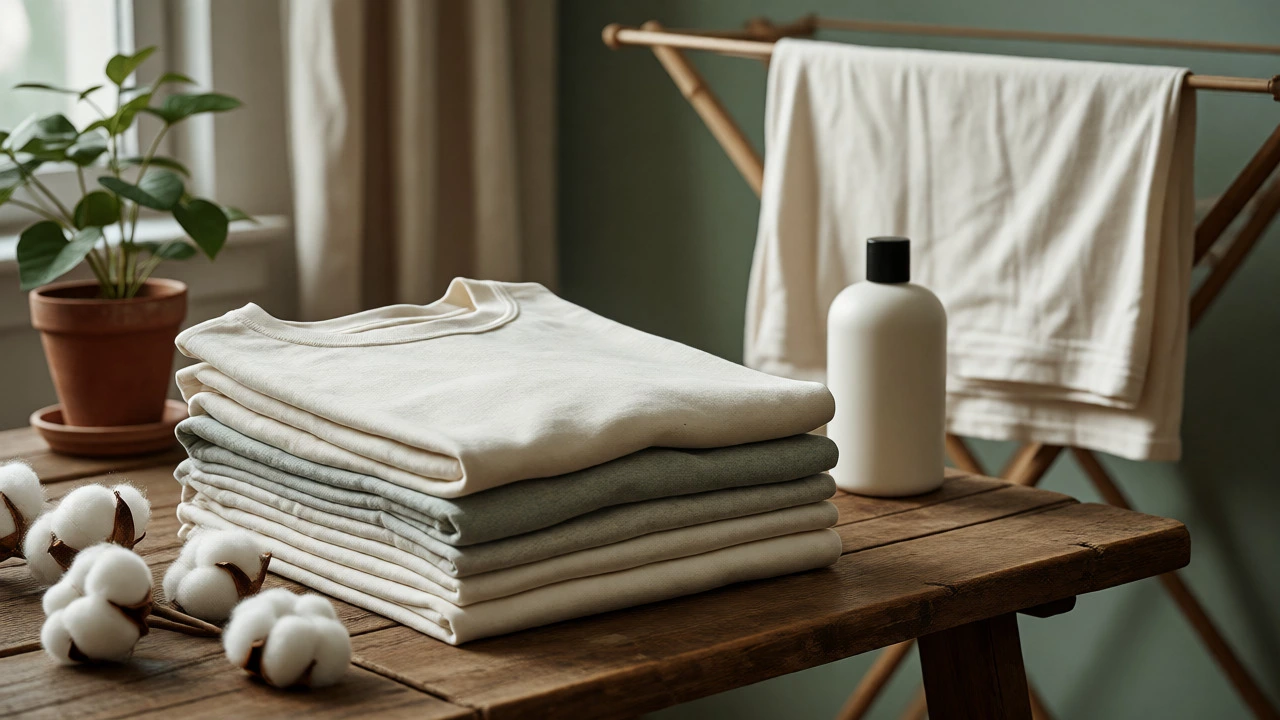
You can buy the best shirt in the world, but if you throw it in a hot dryer, you’ll destroy it. To extend the life of any quality tee, wash inside out in cold water. Use a mild detergent without bleach or optical brighteners, which degrade fibers over time. Skip the dryer entirely; hang dry or lay flat. Heat is the enemy of elastane (if present) and causes cotton to contract unevenly. If you must iron, do it inside out on a medium setting. Storing tees folded rather than hung prevents shoulder bumps and stretching. Treat your clothes like investments, and they’ll return the favor with years of service.
Is expensive always better for t-shirts?
Not necessarily. While higher prices often correlate with better cotton sourcing and ethical labor, some mid-range brands like Uniqlo or Everlane offer exceptional quality-to-price ratios. You’re paying for specific attributes like weight, softness, or sustainability, so define what matters most to you before spending extra.
How do I know if a t-shirt will shrink?
Check if the shirt is labeled "pre-shrunk." Even then, expect minor shrinkage (1-3%). To minimize risk, wash in cold water and air dry. Heavier fabrics (higher GSM) generally shrink less noticeably than lightweight ones.
What is GSM and why does it matter?
GSM stands for grams per square meter. It measures fabric weight. Lower GSM (under 160) means thin, lightweight tees suitable for hot weather. Medium GSM (160-200) is standard for daily wear. High GSM (200+) indicates heavy, durable shirts that hold their shape well but may be too warm for summer.
Are organic cotton t-shirts worth it?
Yes, if you value environmental impact and skin sensitivity. Organic cotton is grown without toxic pesticides, resulting in cleaner fibers that are often softer and hypoallergenic. Brands like Patagonia and Kotn ensure ethical farming practices, adding social value to the purchase.
Which brand lasts the longest?
Japanese brands like The Flat Head or Iron Heart are renowned for extreme durability due to heavy weights and reinforced stitching. For mainstream availability, Patagonia offers a strong warranty and robust construction, while Uniqlo U provides surprising longevity for its price point.