Newborn Stroller Safety Checker
Select your current stroller configuration to determine if it is safe for a newborn (under 6 months) without a car seat.
You’re standing on the footpath in Melbourne, baby fussing, and you just want to get them into the pram without wrestling with that heavy plastic shell. It’s a common frustration. The short answer is yes, a newborn can go in a stroller without a car seat, but only if the stroller meets specific safety criteria. If your stroller doesn’t recline fully flat or support their head and neck properly, you’re risking their airway and spine development.
Why the Car Seat Isn't Always Required for Strolling
Many parents assume the car seat is mandatory because it clicks into the stroller frame easily. But here’s the thing: car seats are designed for crash protection in vehicles, not necessarily for long-term comfort or spinal health during walks. The American Academy of Pediatrics (AAP) notes that while car seats are essential for travel, prolonged time in semi-reclined positions isn’t ideal for newborns. Their heads are heavy relative to their bodies, and their neck muscles aren’t strong enough to hold them up if the angle is too steep.
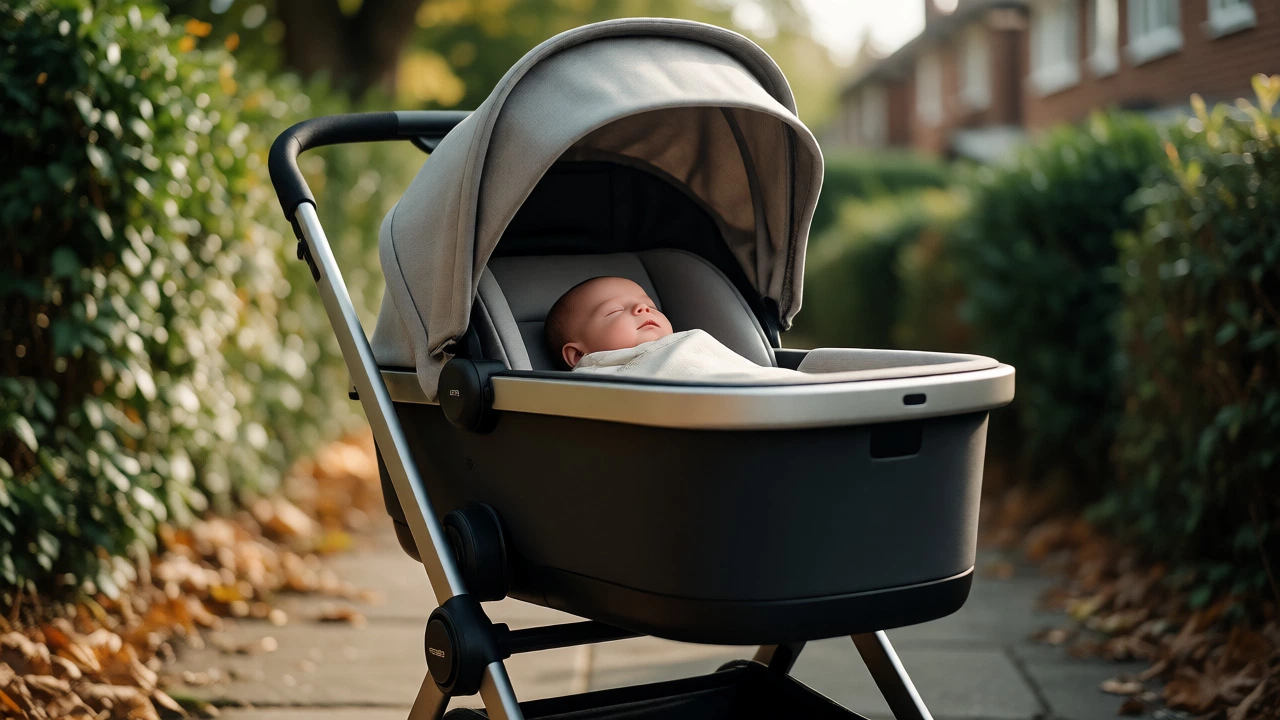
If you put a newborn in a standard upright buggy without proper support, their chin might drop to their chest. This restricts airflow. So, when can you skip the car seat? When the stroller itself acts as a safe sleeping surface. That means it must be completely flat or have a dedicated bassinet attachment.
The Lie-Flat Rule: What Actually Works
Not all "reclining" strollers are created equal. A lot of modern buggies claim to go "fully flat," but they often stop at a 170-degree angle. For a newborn under six months, this slight incline can still cause issues. You need a true zero-degree or near-zero-degree lay-flat position. This mimics the flat surface of a crib, which is what pediatricians recommend for safe sleep.
Look for strollers with a rigid base that locks into a horizontal position. Some popular models, like certain versions of the Bugaboo Fox or UPPAbaby Vista, offer this via a separate bassinet unit. Others, like some older MacLaren or Quinny models, have integrated seats that fold down completely flat. Check the manual. If it says "suitable from birth," verify the angle. If it requires an insert to make it flat, use it. Don’t improvise with towels unless you know exactly what you’re doing.
| Stroller Type | Support Level | Suitability for Newborns | Best Use Case |
|---|---|---|---|
| Bassinet Attachment | High (Rigid walls) | Excellent | Long walks, naps on the go |
| Lie-Flat Seat | Medium-High (Fabric support) | Good (if truly flat) | Compact travel, quick trips |
| Travel System Frame | Low (Car seat dependent) | Poor (without car seat) | Transitions between car and stroller |
| Upright Jogger | Low (Fixed angle) | Unsafe | Toddlers only |
Bassinets vs. Lie-Flat Seats: Which Should You Choose?
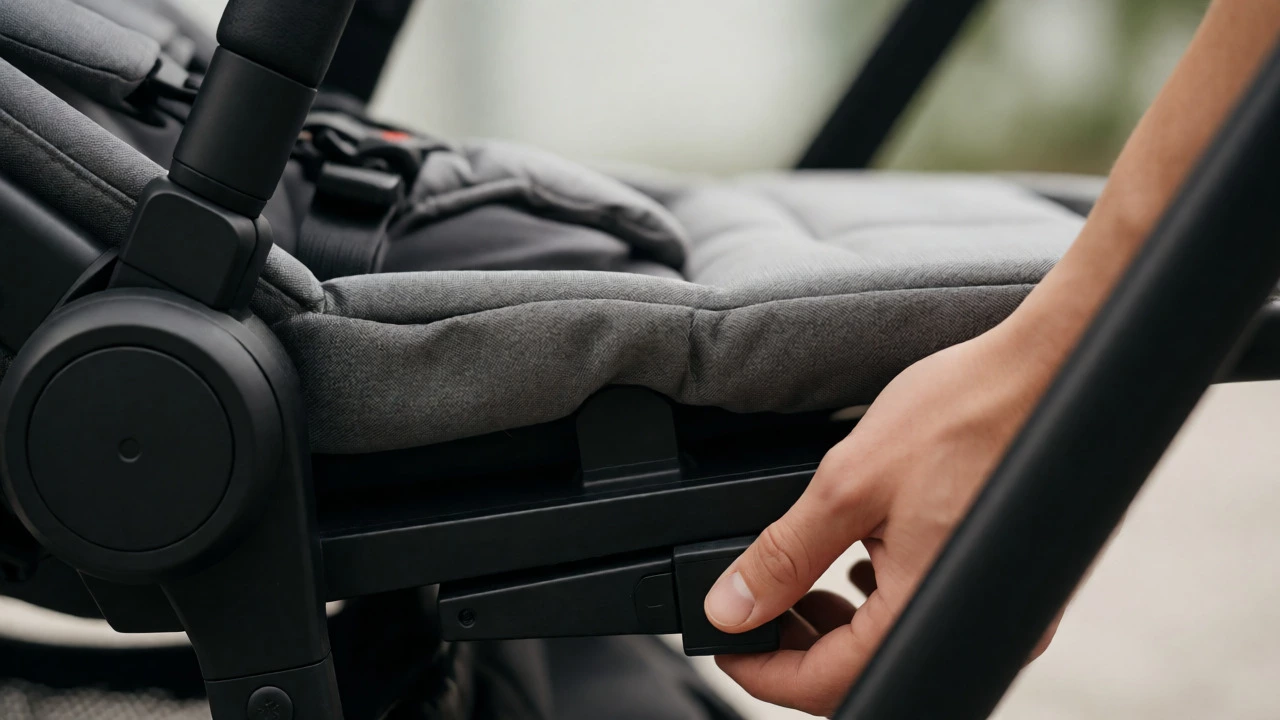
This is where most parents get stuck. Should you buy a bassinet that clips onto the frame, or rely on the seat’s built-in recline? Bassinets are generally safer for newborns because they provide firm sides. These sides prevent the baby from rolling out and offer head support even if they shift around. They also keep the baby warmer in cooler weather, which is handy for those chilly Melbourne mornings.
Lie-flat seats are more convenient because you don’t have to carry extra gear. However, fabric supports can sag over time. If the fabric sags, your baby’s back isn’t supported evenly. This can lead to discomfort or positional plagiocephaly (flat spots on the head). If you choose a lie-flat seat, check it regularly. Press the middle of the seat. Does it feel solid, or does it dip significantly? If it dips, add a supportive mattress pad designed for that model.
Airway Safety: The Chin-to-Chest Danger
Newborns are obligate nose breathers for the first few weeks. This means they mostly breathe through their noses, not their mouths. If their head falls forward, their chin hits their chest. This blocks the nasal passage. It’s called positional asphyxia, and it happens faster than you’d think.
When using a stroller without a car seat, always check the baby’s position before moving. Make sure their head is centered and supported. If the stroller has a hood, ensure it’s not pushing the head forward. Many parents forget this until the sun comes out. Adjust the hood so it shields the eyes but doesn’t press against the forehead. If you’re walking uphill, tilt the stroller slightly backward rather than letting gravity pull the baby’s head down.
Transitioning Out of the Car Seat
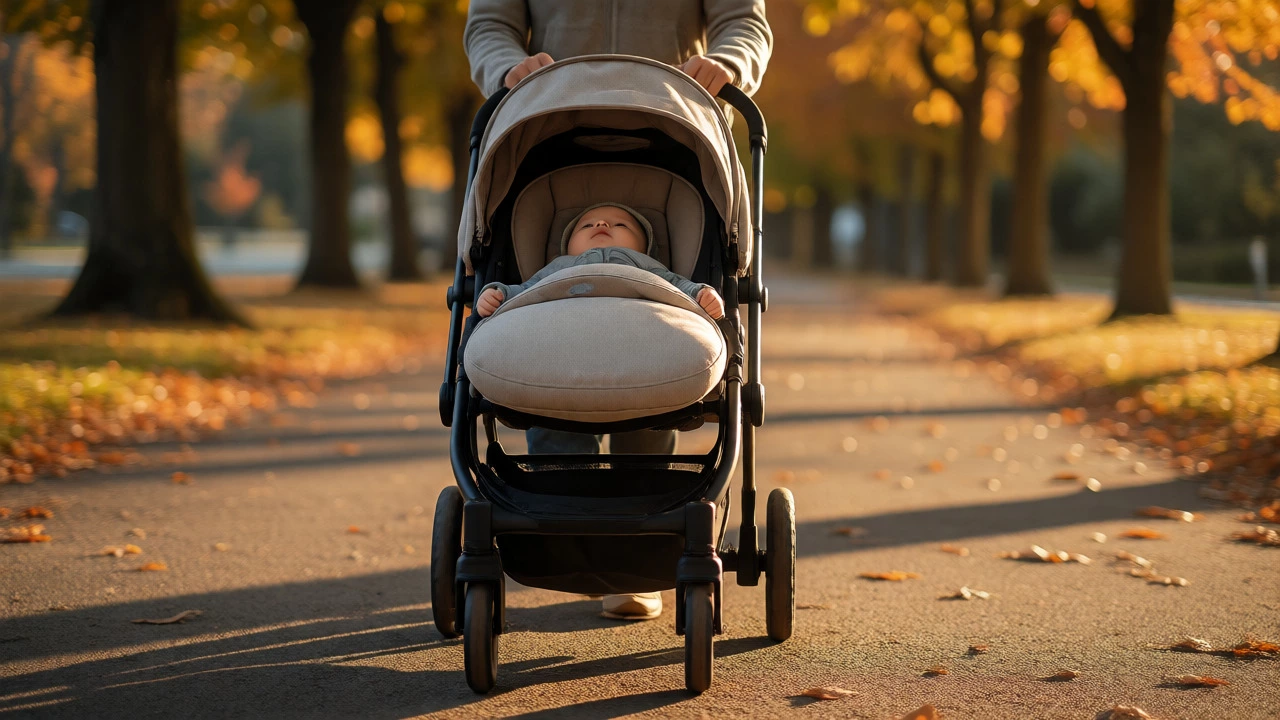
Most experts suggest limiting car seat time to 30 minutes at a stretch for newborns. After that, switch to a flat surface. This reduces pressure on the developing spine and allows better oxygen flow. Using a stroller without a car seat helps achieve this balance. It gives your baby a break from the harness straps and lets them stretch out.
But remember, once you get back in the car, the car seat goes back on. Never drive with the baby in a stroller seat unless it’s specifically certified for vehicle use (which is rare). The stroller seat lacks the side-impact protection and energy-absorbing foam of a car seat. Think of the stroller as a lounge chair, not a safety device for high-speed collisions.
Practical Tips for Safe Strolling
Here are a few rules of thumb to keep things simple:
- Check the age rating: Ensure the stroller is labeled "from birth." If it says "6 months+," do not use it for a newborn without a compatible bassinet.
- Use a mattress: Even if the seat claims to be padded, a thin, firm mattress adds crucial support. Avoid thick, soft bedding that could pose a suffocation risk.
- Monitor temperature: Newborns regulate body temperature poorly. In summer, ensure airflow. In winter, layer clothes rather than relying on bulky blankets that might obscure breathing.
- Brake always: Before placing the baby in, engage the brake. Newborns are light, and a sudden bump can tip a lightweight stroller if it’s not stable.
If you’re buying a new stroller now, look for models with adjustable footrests. As your baby grows, you’ll want to raise the footrest to support their legs. This prevents sliding forward and keeps them comfortable. Brands like Nuna and Cybex offer modular systems that grow with the child, making the transition from bassinet to seat smoother.
Is it safe to put a newborn in a stroller without a car seat?
Yes, provided the stroller has a fully flat recline or a dedicated bassinet attachment that offers firm head and body support. Standard upright strollers are unsafe for newborns due to airway risks.
How long can a newborn stay in a stroller without a car seat?
There is no strict time limit if the baby is lying flat and supervised. Unlike car seats, which should be limited to 30 minutes, flat stroller positions allow for longer naps, similar to a crib environment.
Do I need a bassinet for my newborn?
While not strictly mandatory if your stroller seat lies completely flat, a bassinet is highly recommended. It provides better head support, warmth, and protection from wind and rain compared to fabric seats.
Can I use a car seat adapter instead of a bassinet?
Car seat adapters are for holding the car seat, not replacing it. If you remove the car seat, the adapter becomes useless. To go without a car seat, you need a stroller mode that supports the baby directly, such as a lie-flat seat or bassinet.
What happens if the stroller doesn't go fully flat?
If the stroller stops at a 45-degree angle, it is unsafe for a newborn. The baby’s head may fall forward, restricting breathing. In this case, you must use a car seat or a separate bassinet attachment.