Hoodie Quality & Fit Checker
Use this tool to determine if a potential purchase meets quality standards for durability, comfort, and style.
2. Physical Inspection Checklist
Fill out the form on the left and click "Analyze Quality" to see your score.
You've probably stood in a store holding two identical-looking grey hoodies, wondering why one costs $40 and the other $120. Or maybe you've bought a "premium" hoodie online that pilled after three washes and lost its shape by winter. The difference isn't just branding-it's in the fabric weight, the stitching, and how it fits your body type. Buying a good hoodie is about knowing what to look for before you spend your money.
The Fabric Tells You Everything
Most people ignore the tag, but that little label holds the secret to longevity. Cotton blends are standard, but the ratio matters. A 80% cotton / 20% polyester blend resists shrinking better than 100% cotton, which feels softer initially but warps in the dryer. If you live somewhere humid like Melbourne, pure cotton can feel heavy when damp. Look for combed or ring-spun cotton instead of carded cotton. Ring-spun fibers are twisted tightly, creating a smoother surface that pills less over time.
Fabric weight, measured in GSM (grams per square meter), determines warmth and drape. Lightweight hoodies sit around 250-300 GSM-great for layering under jackets. Mid-weight ranges from 300-400 GSM, the sweet spot for everyday wear. Heavyweight hits 400+ GSM, offering structure and durability but often feeling stiff until broken in. Avoid anything below 250 GSM if you want it to last more than a season; it will stretch out and lose opacity quickly.
| GSM Range | Best For | Durability | Season |
|---|---|---|---|
| 250-300 | Layering, mild weather | Low-Medium | Spring/Autumn |
| 300-400 | Daily wear, office casual | High | All Year |
| 400+ | Cold weather, streetwear | Very High | Winter |
Inside Out: Fleece vs. Loopback
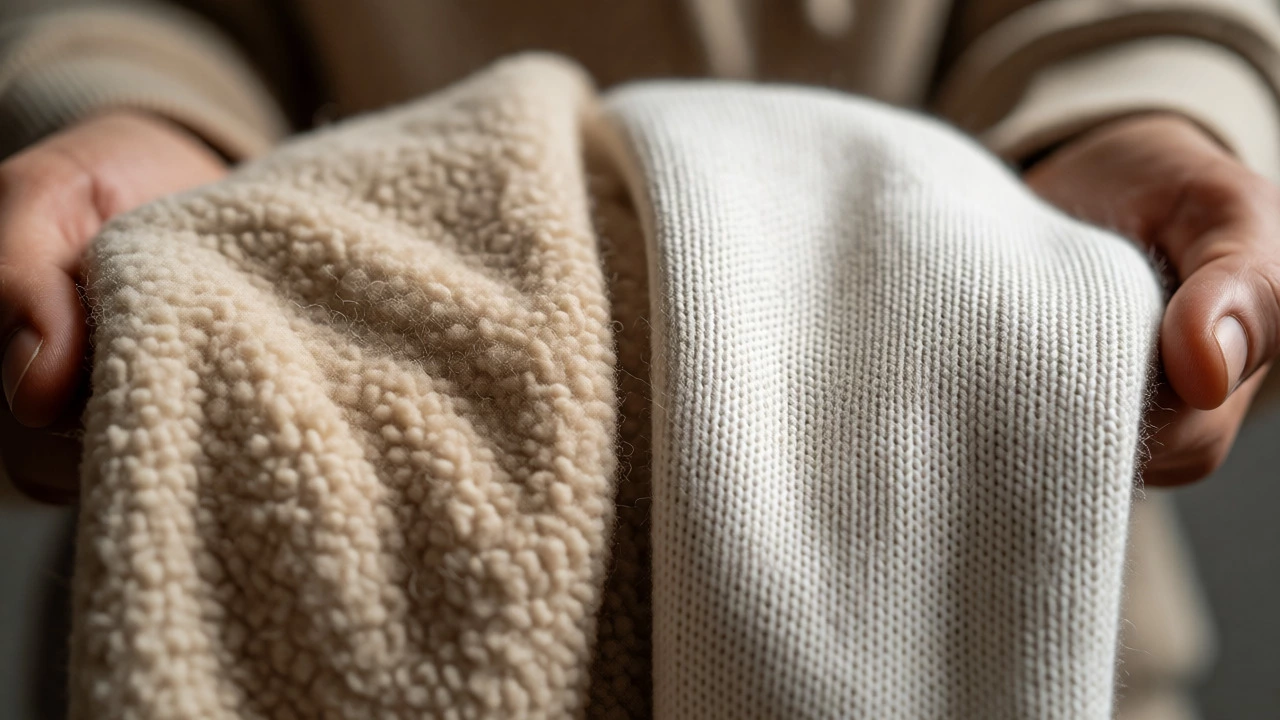
Turn the hoodie inside out. What do you see? Traditional fleece has a fuzzy, brushed interior that traps heat but sheds lint and pills easily. It’s comfortable right away but degrades faster. Loopback knit, common in European brands, features small loops on the inside. These loops create air pockets for insulation without the fuzz. They’re harder to break in but maintain their texture for years. If you hate static cling or shedding onto black pants, loopback is worth the extra cost.
French terry is another option-a lighter, breathable knit with tiny loops. It’s not as warm as fleece but works well in transitional weather. Check the cuff construction too. Ribbed cuffs should snap back into place when stretched. If they stay loose after pulling, the elastane content is too low, and they’ll sag within months.
Fit Is Personal, But There Are Rules
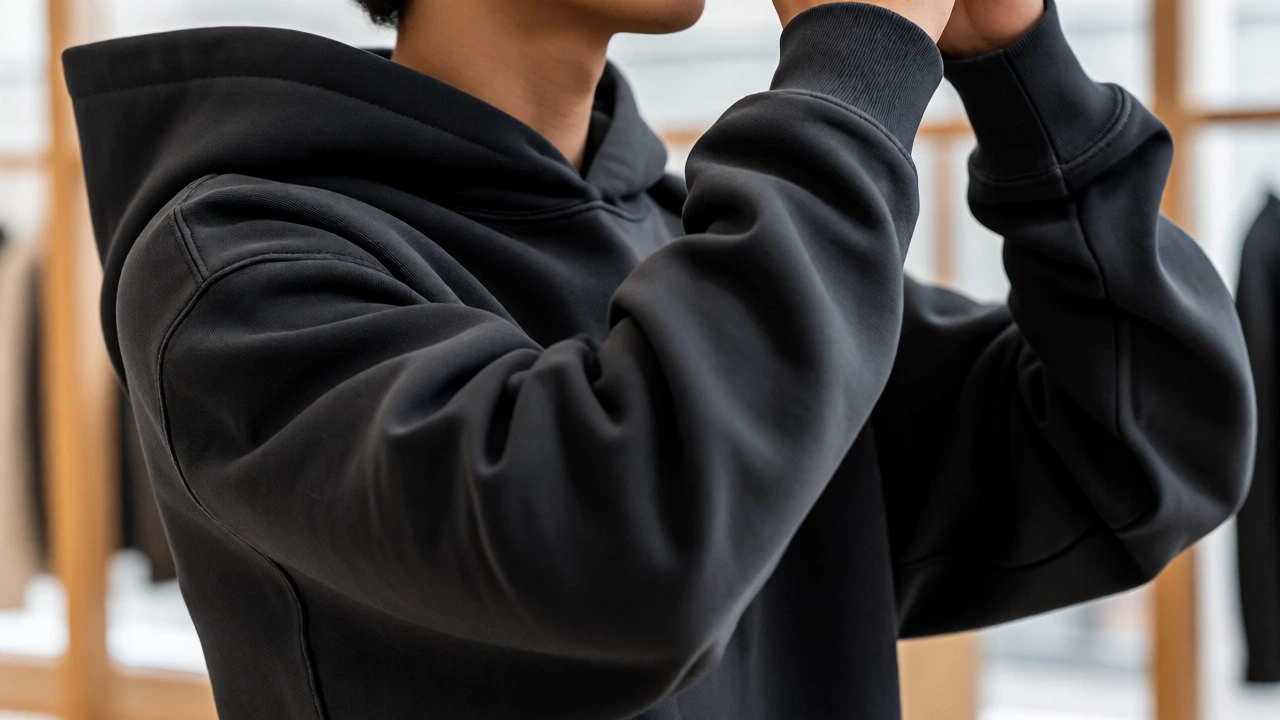
There’s no universal "good fit," but there are wrong fits. A hoodie should allow full range of motion in the shoulders. Raise your arms above your head. Does the hem lift excessively? Do the shoulder seams dig in? If yes, size up. Unlike dress shirts, hoodies benefit from slight looseness. However, avoid drowning in fabric unless you’re going for an oversized streetwear look intentionally.
Sleeve length matters more than people think. Sleeves should end at your wrist bone, not mid-forearm. Long sleeves bunch up and look sloppy. If you have longer arms, check for "longline" variants or consider sizing up even if the chest fits perfectly. Body length should hit mid-fly on trousers. Too short looks awkward when you raise your hands; too long adds bulk around the hips.
Details That Separate Cheap From Quality
Look at the drawstrings. Cheap ones use flat, thin cords that fray and disappear into the channel. Quality hoodies use round, durable cords with metal or reinforced plastic tips. Some high-end brands omit drawstrings entirely for safety and minimalism-if yours does, ensure the hood still sits properly without them.
Hood shape is critical. A poorly constructed hood collapses flat against your neck. A good hood holds its shape due to double-layering or structured panels. Test this by wearing it indoors with the hood up. If it feels suffocating or blocks peripheral vision, the cut is wrong for your head size. Kangaroo pockets should be deep enough to hold a phone securely. Shallow pockets force you to constantly adjust items, defeating the purpose.
Stitching quality reveals manufacturing standards. Double-stitched seams resist tearing better than single-stitched ones. Check the side seams and armholes specifically. Loose threads indicate rushed production. Zipper quality, if present, should glide smoothly without catching fabric. YKK zippers are a reliable indicator of attention to detail.
Where to Shop Without Getting Burned
Fast fashion offers tempting prices but rarely delivers durability. A $25 hoodie might look fine new but fails within six months. Mid-range brands ($60-$90) often strike the best balance between price and quality. Luxury hoodies ($150+) justify their cost through superior fabrics and ethical labor practices, not just logos.
Online shopping requires caution. Always check return policies before buying. Measure yourself with a tape measure rather than relying on S/M/L labels, which vary wildly between brands. Compare product measurements to a hoodie you already own and love. This method beats guessing based on height/weight charts alone.
Care Instructions Extend Lifespan
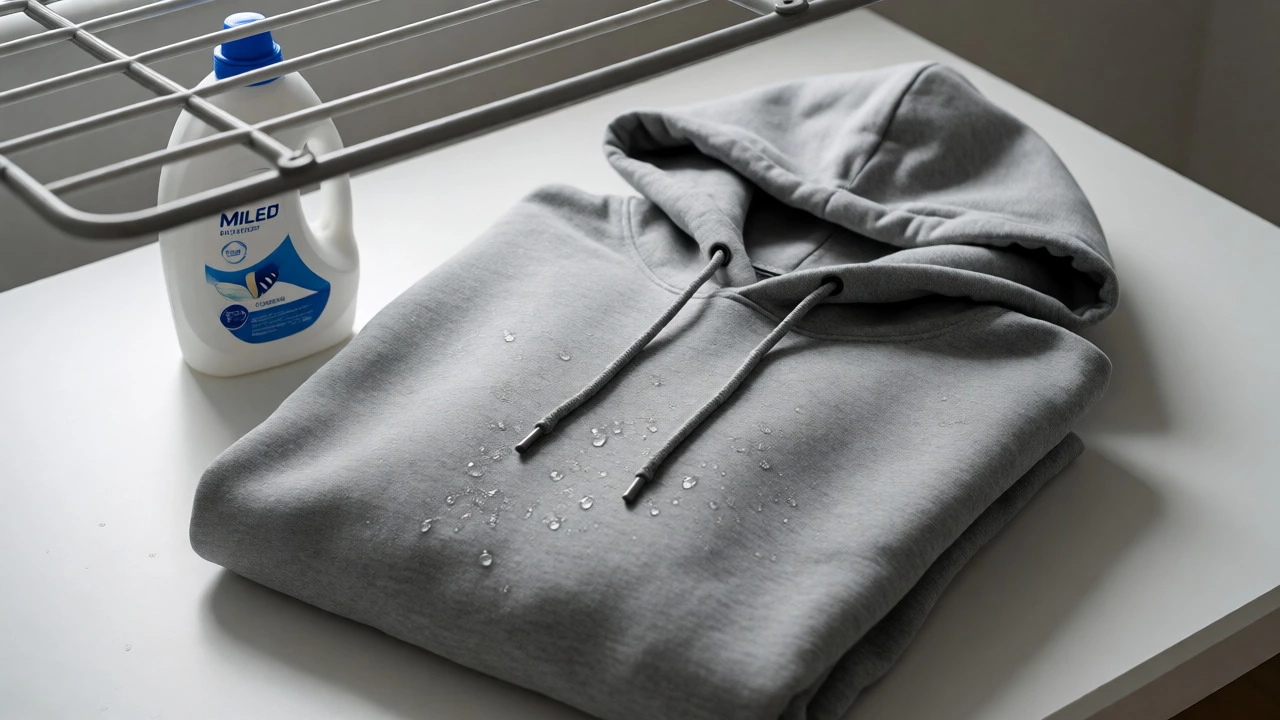
Wash cold, hang dry. Machine drying shrinks cotton and damages elastane. Turn the hoodie inside out before washing to protect the outer face from abrasion. Use mild detergent-bleach breaks down fibers. Iron only if necessary, and always on low heat with a cloth barrier. Proper care can double the life of any garment.
What is the ideal GSM for a year-round hoodie?
Aim for 300-350 GSM. This weight provides sufficient warmth for cool days while remaining breathable enough for indoor heating. It layers well under coats without adding excessive bulk.
Do expensive hoodies actually last longer?
Generally, yes, but not solely because of brand markup. Higher-priced hoodies typically use higher-grade cottons, tighter knitting techniques, and better dye processes that resist fading. However, some mid-range brands offer excellent value if you focus on fabric specs rather than logos.
How do I prevent my hoodie from shrinking?
Always wash in cold water and air dry. Heat is the primary cause of shrinkage in cotton blends. If you must use a dryer, select the lowest heat setting and remove the hoodie while slightly damp to reshape it manually.
Is fleece or loopback better for sensitive skin?
Loopback is often better because it lacks the loose fibers found in brushed fleece, which can trap dust and allergens. Its smoother interior reduces friction against the skin, making it a safer choice for those prone to irritation.
Should hoodies be tight or loose?
They should be relaxed but not baggy. You need freedom of movement across the shoulders and chest. If the fabric pulls horizontally when you cross your arms, it’s too tight. If excess fabric bunches significantly at the waist, it’s too loose for a clean silhouette.