Car Seat Fitment Checker
Answer the questions below to check if your intended car seat setup is likely to fit safely in your vehicle.
Compatibility Report
Detailed Analysis:
- Consult the manufacturer's official compatibility list for your exact car model.
- Perform a physical test fit at a retailer if possible.
- Ensure the installation moves less than 2.5cm when pulled firmly.
You just bought a shiny new booster or rear-facing capsule. You’re excited, relieved even, that you’ve sorted out your child’s safety gear. But then you get home, try to strap it in, and realize something is wrong. The seatbelt won’t reach? The base doesn’t sit flat? Or maybe you’re staring at those confusing plastic clips in the back of your SUV wondering if they’re actually ISOFIX anchors or just decorative trim.
Here’s the truth: not every car seat fits every car. It’s not just about weight limits or age groups; it’s about physical geometry, anchor points, and specific manufacturer rules. A seat that works perfectly in your mate’s Toyota might be impossible to install correctly in your Mazda. If you’re asking "how do I know what car seat fits my car?", you’re already ahead of most parents who just hope for the best. Let’s fix that uncertainty once and for all.
Check Your Vehicle’s Anchor System First
Before you even look at a catalog, you need to know what hardware is hiding in your backseat. This is the biggest factor in whether a seat will physically lock into place. There are two main systems used globally, including here in Australia: ISOFIX (also known as LATCH in the US) and Seatbelt Installation.
ISOFIX is a standardized system where rigid connectors on the car seat click directly into metal anchors built into the vehicle’s chassis. It’s faster, less prone to user error, and generally more secure. However, not all cars have them, and some only have them in certain positions. Most modern cars (post-2012) have ISOFIX in the outer rear seats, but rarely in the middle. Older vehicles might lack them entirely, forcing you to rely on the seatbelt.
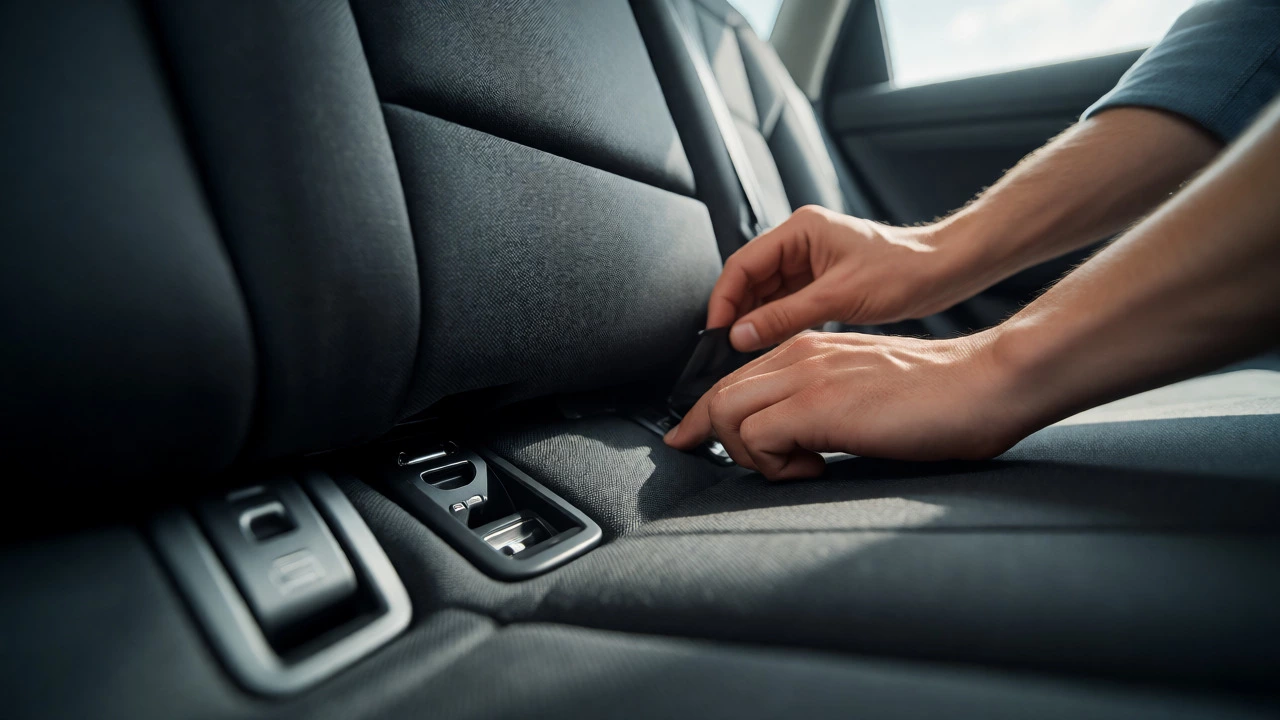
To check for ISOFIX, look into the crevice between the backrest and the seat cushion of your rear seats. You’ll see small plastic guides or symbols indicating the anchors are there. If you can’t find them, check your owner’s manual under "Child Safety" or "Restraint Systems." If your car lacks ISOFIX, don’t panic-seatbelt installation is still highly effective if done correctly, but it requires more attention to detail to ensure zero movement.
Understand Space Constraints and Seat Geometry
Even if your car has ISOFIX, that doesn’t mean a bulky convertible seat will fit. Modern cars are designed for adult comfort, which often means sloped rooflines, narrow windows, or curved seat bases. These features can interfere with the footprint of a car seat.
Rear-facing capsules and convertibles take up significant space. In smaller hatchbacks like a VW Polo or a Mazda 3, installing a large rear-facing seat might push against the front passenger seat so hard that an adult cannot sit comfortably behind the driver. In some cases, the front seat simply cannot move forward enough to accommodate the recline angle required for the child’s airway.
- Headroom: Tall children in boosters might hit the roofline before they hit the height limit of the seat.
- Footprint: Wide seats may not fit three-across in compact sedans.
- Recline Angle: Some seats require a specific angle (usually 45 degrees) to prevent the baby’s head from flopping forward. Curved car seats make this tricky without special pool noodles or adjusters.
A pro tip: measure the width of your rear bench seat and the distance from the back of the front seat to the backrest of the rear seat. Compare these numbers to the dimensions listed on the car seat box. If the seat is wider than your bench, it won’t go. If the legroom is too tight, you’ll struggle to get the harness tight enough around the child.
Consult Manufacturer Compatibility Lists
This is the step most people skip, and it’s why returns happen. Major brands like Britax, Maxi-Cosi, and Chicco maintain detailed Compatibility Lists for their products. These lists tell you exactly which car models and years a specific seat is tested and approved for.
Why does this matter? Because manufacturers test their seats in real cars. They know that the ISOFIX anchors in a 2018 Ford Ranger are positioned differently than in a 2023 Ford Ranger. They also know which seats work with top-tether straps and which don’t. While these lists aren’t legally binding contracts, they are strong indicators of fitment issues you might encounter.
| Vehicle Type | Common Issue | Solution Strategy |
|---|---|---|
| Compact Hatchback | Limited legroom for rear-facing seats | Choose slim-profile capsules; use front passenger seat carefully |
| SUV / Crossover | High seat belts causing awkward angles | Use locking clips; check for low-set anchor points |
| Pickup Truck | No center seatbelt or ISOFIX | Install in outer seats only; avoid middle position |
| Older Sedan (Pre-2010) | No ISOFIX anchors | Master seatbelt routing; use locking mechanism if available |
The Importance of Top Tethers and Support Legs
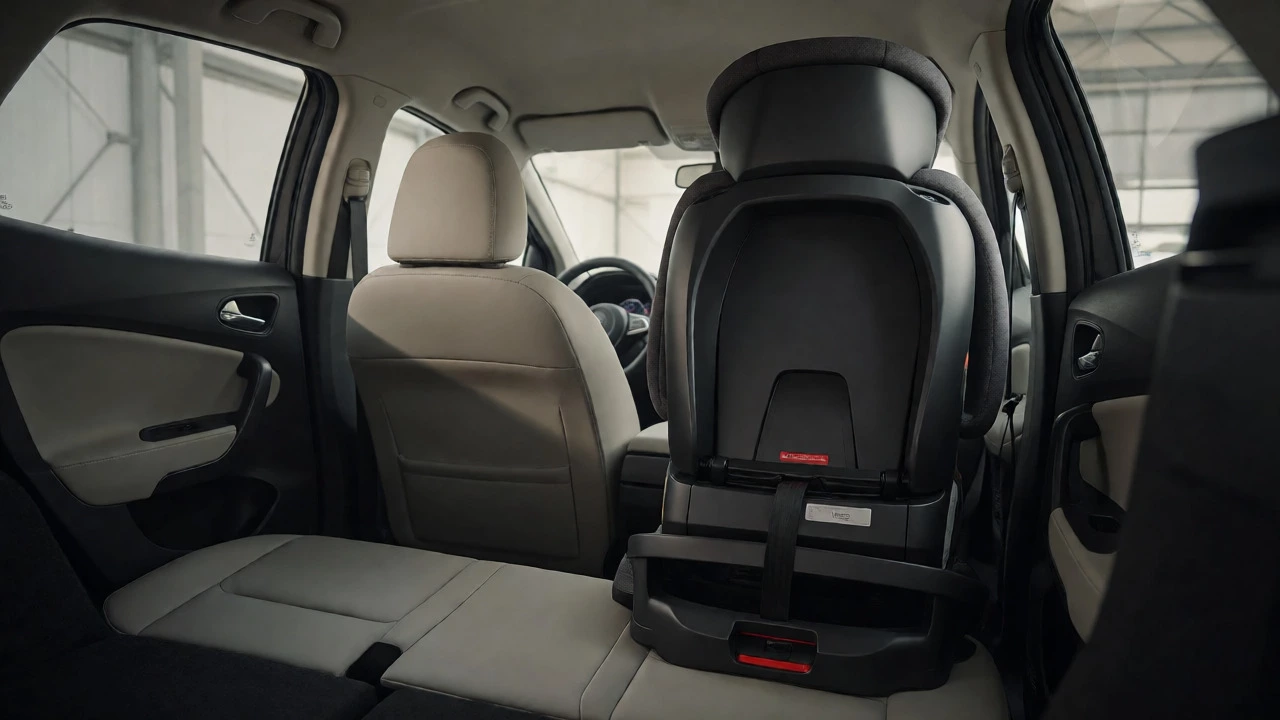
If you’re using ISOFIX, you might think you’re done. Wrong. Many ISOFIX seats require additional stability devices to prevent rotation during a crash. These come in two forms: Top Tethers and Support Legs.
A top tether is a strap that runs from the top of the car seat over the headrest and attaches to an anchor point on the parcel shelf or floor behind the seat. Almost all Australian cars made after 2002 have top tether anchors in the rear seats. Check your manual to locate them-they’re often hidden under a flap or carpet.
Support legs are rigid poles that extend from the base of the car seat down to the floor of the vehicle. They provide crucial support for rear-facing seats, preventing them from tipping forward. The problem? Not all cars have a solid floor structure to support these legs. Some have storage compartments under the floor mats, or the floor itself is thin and flexible. If your car has a subwoofer box or storage bin under the rear footwell, a support leg might not have a stable surface to rest on. Always test the leg before buying.
Test Before You Buy: The Golden Rule
Online shopping is convenient, but buying a car seat online is risky unless you are absolutely sure of the fit. The single best way to know if a seat fits your car is to take your car to the store. Most major retailers in Melbourne, such as Baby Bunting or Kmart, allow you to bring your car into their parking lot for a test fit.
When testing, follow these steps:
- Clear the Area: Remove any loose objects from the rear seat.
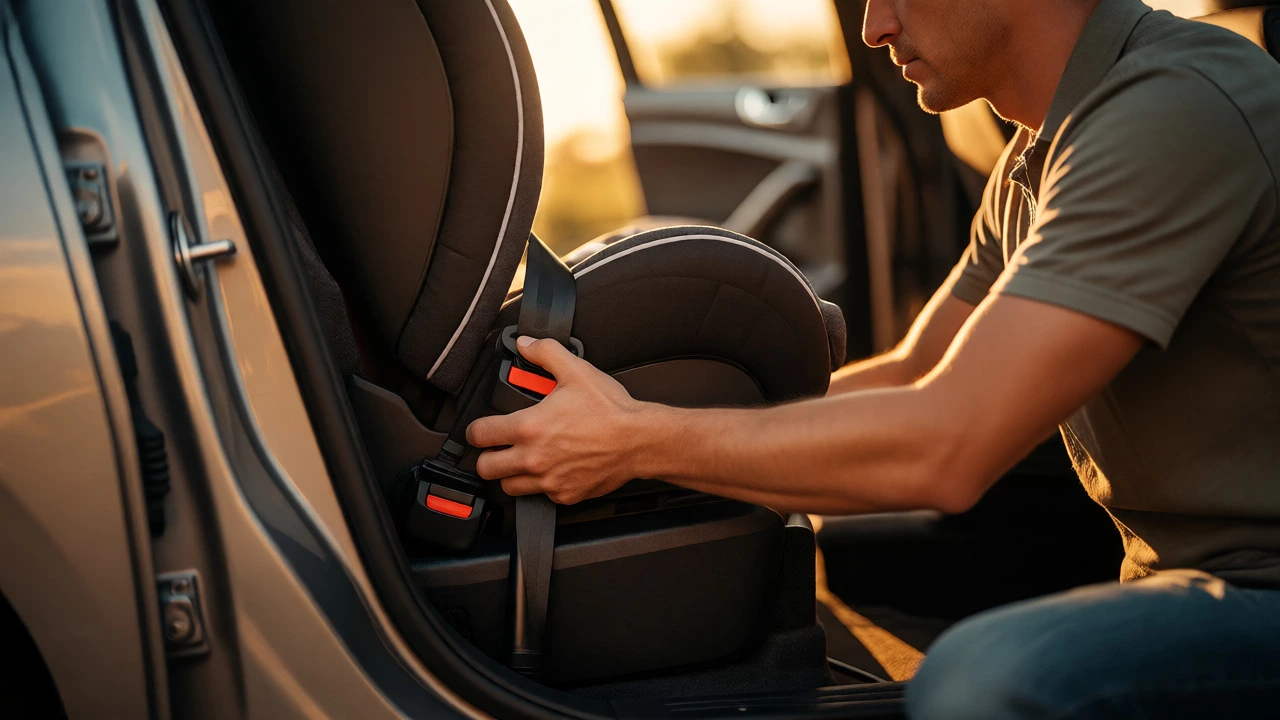
- Install Fully: Don’t just place it there. Click the ISOFIX connectors, attach the top tether, or thread the seatbelt through the correct path.
- Check Movement: Grab the seat at the belt path and pull firmly. It should not move more than 2.5 cm (an inch) side-to-side or front-to-back. If it wobbles, it’s not installed correctly or it doesn’t fit.
- Verify Angles: Use the built-in level indicator on the seat. If it’s red, adjust the recline. If you can’t get it green, the seat shape or your car’s seat angle is incompatible.
- Simulate the Child: Put a heavy bag in the seat to simulate the child’s weight and see if the installation holds up under load.
If you buy online and it doesn’t fit, returning a bulky car seat is a hassle. Spending twenty minutes testing it in person saves you hours of frustration later.
Special Cases: Three Across and Middle Seats
Fitting three car seats across the back row is the final boss of car seat logistics. It requires a wide rear bench, three separate seatbelts or ISOFIX sets, and compatible seat widths. Most compact cars cannot do this.
If you need three across, you usually have to mix and match seat types. For example, two ISOFIX seats on the outside and one seatbelt-installed seat in the middle. Or, if your car allows, three ISOFIX seats (rare). Note that many cars do not have a top tether anchor in the middle rear seat. If you are installing a forward-facing seat in the middle without a top tether, you must use the seatbelt method exclusively, as ISOFIX alone is insufficient for forward-facing impact forces in the center position.
Also, consider access. Can you easily buckle the child in the middle seat when the other two are occupied? If not, you might want to rotate seating arrangements or choose narrower seats specifically designed for multi-child families.
Can I use an ISOFIX seat in a car without ISOFIX?
No, you cannot use the ISOFIX connectors if your car lacks the anchors. However, many ISOFIX-compatible seats also offer a seatbelt installation mode. Check the manual to see if your specific model supports dual installation methods. If it is a dedicated ISOFIX-only seat, it will not fit in a non-ISOFIX car.
Is it safe to put a car seat in the front passenger seat?
Generally, no, especially for rear-facing seats due to the risk of airbag deployment crushing the seat. Forward-facing seats are safer in the front than rear-facing ones, but the rear seats are always statistically safer for children. Only use the front seat if the rear is fully occupied by other passengers or car seats, and ensure the front airbag is deactivated for rear-facing installations.
What if my car seat moves more than 2.5cm?
If the seat moves more than 2.5cm at the belt path, it is not securely installed. Try tightening the seatbelt further, ensuring the locking clip is engaged, or checking if the ISOFIX connectors are fully clicked in. If it still moves, the seat may not be compatible with your vehicle's seat shape or anchor depth. Consult a professional installer.
Do all cars have top tether anchors?
Most cars manufactured after 2002 in Australia have top tether anchors in the rear seats. However, older vehicles may lack them. Check your owner's manual or look for a small symbol resembling a circle with a triangle on the parcel shelf or seat back. If missing, you must use a seatbelt installation method that does not rely on a top tether.
Can I use a second-hand car seat?
Yes, but with caution. Ensure it meets current Australian Standards (AS/NZS 1754), has no visible cracks or damage, and includes all original parts (buckles, harnesses, manuals). Never buy a seat that has been in a crash, as internal structures may be compromised even if external damage isn't visible.
Next Steps for Perfect Fit
If you’re still unsure after reading this, don’t guess. Incorrect installation is a leading cause of injury in crashes. Take advantage of free resources. In Victoria, organizations like VicRoads or local councils often host car seat fitting clinics. Certified technicians can inspect your setup for free and tell you exactly why a seat isn’t sitting right.
Remember, the goal isn’t just to buy a seat; it’s to create a safe cocoon for your child within your specific vehicle. By checking anchors, measuring space, consulting compatibility lists, and physically testing the fit, you remove the guesswork. Your child’s safety depends on precision, not luck.