JanSport & Backpack Suitability Calculator
Not sure if a classic JanSport is the right fit? Answer these quick questions to see if durability or ergonomics should be your priority.
Child's Profile
Recommendation
Enter details to see if a JanSport SuperBreak, an Ergonomic Upgrade, or a Stylish Alternative is best for you.
Result Title
Reasoning goes here.
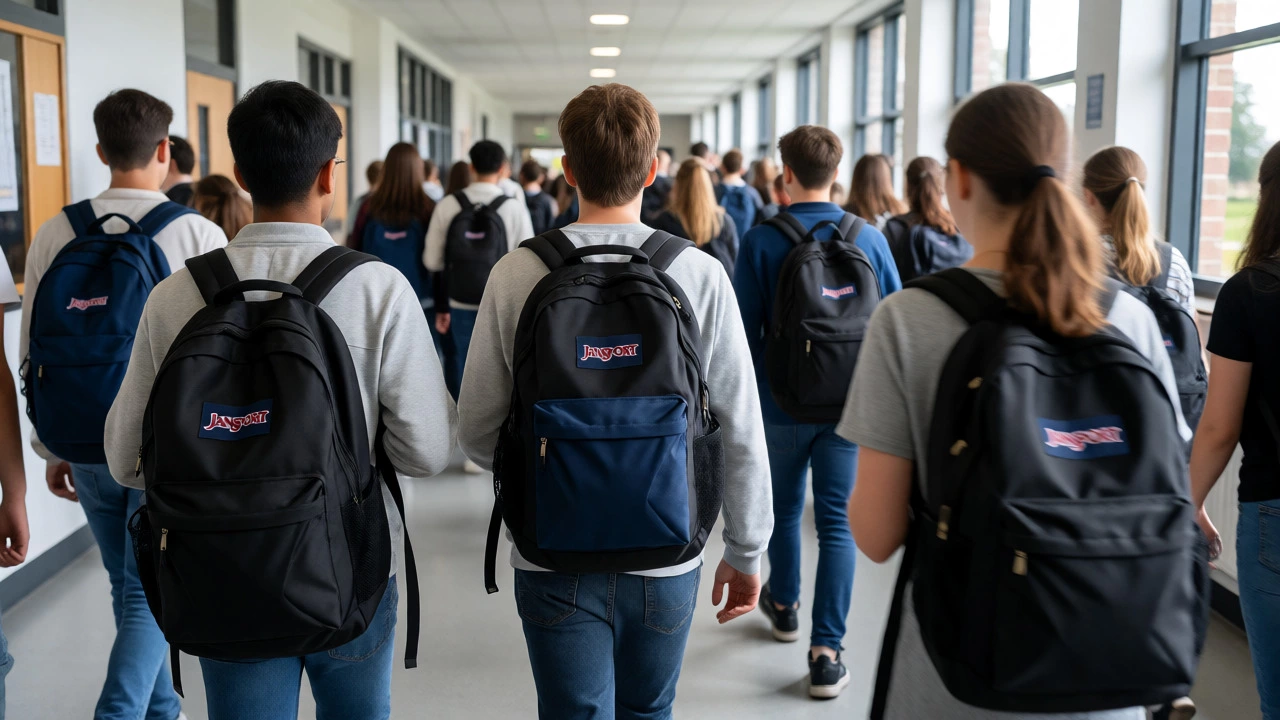
Walk into any high school hallway or university campus today, and you will see a sea of black, navy, and red zippers. It is the unmistakable silhouette of JanSport, an American brand known for producing simple, durable backpacks that have dominated school yards since the 1980s. But with fast fashion rising, tech-focused brands like Herschel taking over, and parents worrying about ergonomic health, is this classic brand still relevant? Or has it become just another relic of our own childhoods?
The short answer is yes, but not for the reasons you might think. JanSport hasn’t stayed popular because it reinvented itself every season. It stayed popular because it did exactly what parents need: it survived. In an era where kids destroy everything they touch, reliability beats novelty. However, the landscape has shifted. You aren’t just buying a bag; you are choosing between durability, style, and spinal health. Let’s break down why this brand still holds the crown in 2026, where it falls short, and how to decide if it’s the right fit for your child.
The Enduring Appeal of the Right Pack One
If you ask any student why they chose their bag, the answer is rarely "because it looks cool." It is usually "because it fits my laptop" or "because I don’t want it to rip in two weeks." The JanSport SuperBreak remains the gold standard for a reason. Its design is deceptively simple: one main compartment, one front pocket, and padded shoulder straps. There are no gimmicks, no charging ports that break after three months, and no complicated buckles that confuse younger kids.
This simplicity is its superpower. When a backpack has fewer moving parts, there is less to fail. I have seen JanSports from the late 90s still being used by adults who refuse to throw them away. That level of longevity appeals to parents who hate replacing school supplies annually. For many families, especially those on a budget, the value proposition is clear: buy one good bag instead of five cheap ones that fall apart during exam week.
However, simplicity can also mean boredom. Teens are visual creatures. While the classic look works for many, some students feel left out if their peers are carrying trendy, structured bags from newer competitors. This is where the conversation gets tricky. Is a boring bag better than a stylish one that breaks? For most practical-minded parents, the answer leans toward the boring bag. But for social dynamics, it matters.
Durability vs. Comfort: The Trade-Off
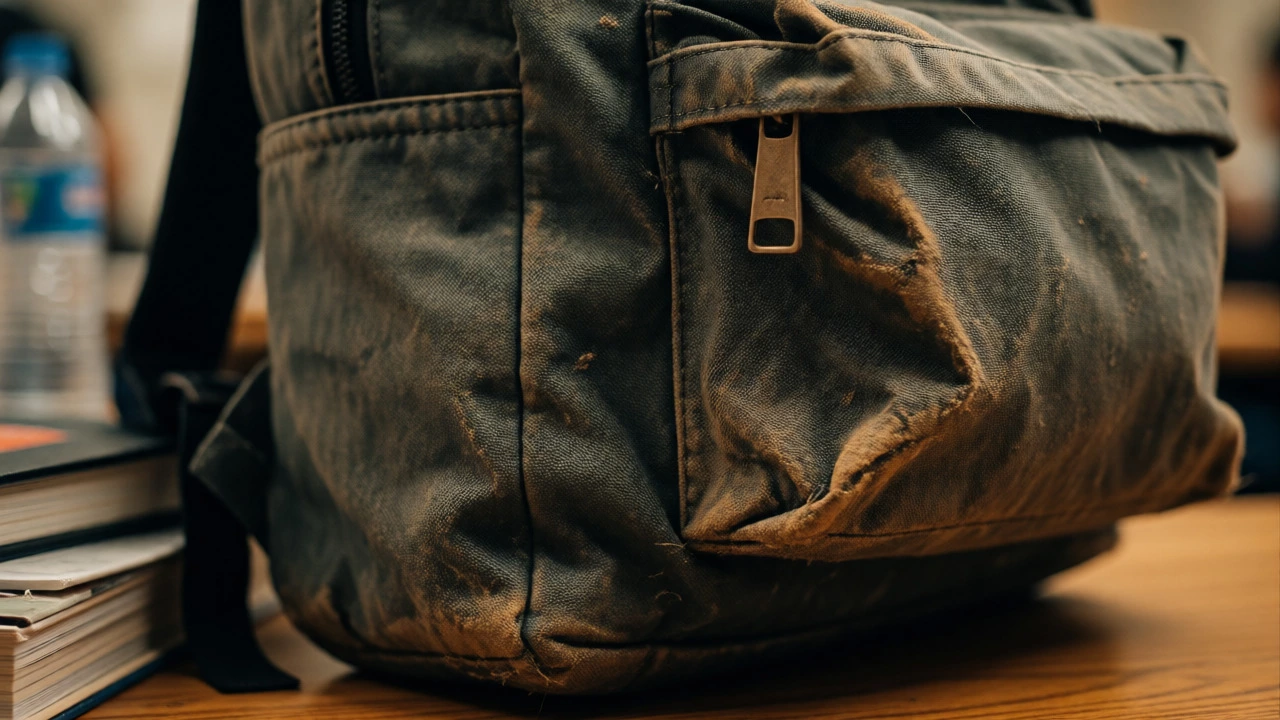
Let’s talk about the elephant in the room: comfort. JanSport packs are built tough, using heavy-duty polyester fabric that resists rain and mud. But toughness doesn’t always equal comfort. The traditional models lack advanced ergonomic features found in modern hiking or tech backpacks. They often have thin padding and no hip belts, which means all the weight sits on your shoulders.
| Feature | JanSport Classic | Tech-Focused Brand (e.g., Herschel) | Ergonomic Brand (e.g., Osprey) |
|---|---|---|---|
| Durability | High (Lifetime guarantee available) | Medium (Fabric wears faster) | Very High (Outdoor grade) |
| Comfort | Low to Medium (Basic padding) | Medium (Better lining) | High (Hip belts, ventilation) |
| Price Range | $45 - $70 AUD | $80 - $120 AUD | $100+ AUD |
| Social Cache | Neutral/Classic | High/Trendy | Niche/Geek Chic |
For a primary school child carrying light books, this isn’t a big deal. But for a high schooler lugging around textbooks, a laptop, sports gear, and a water bottle, the strain on their spine can be real. Doctors frequently warn against overloaded backpacks causing posture issues. If your child carries more than 10% of their body weight daily, a basic JanSport might not offer enough support. You might need to look at models with sternum straps or padded backs, which JanSport does offer in their higher-end lines, but they cost significantly more.
Parents in Melbourne know the weather can turn quickly. A sudden downpour shouldn’t ruin homework. JanSport’s synthetic materials handle moisture well, drying faster than canvas alternatives. This practical benefit often outweighs the aesthetic downsides for busy families rushing between school and extracurricular activities.
Style Trends: Are Kids Still Buying Them?
Marketing tells us that trends die fast. Yet, JanSport has managed to stay culturally relevant by leaning into nostalgia and customization. The brand realized early on that kids love to personalize their gear. Patches, keychains, and pins turn a generic black bag into a unique statement piece. This DIY culture keeps the product fresh without changing the core design.
In 2026, we are seeing a resurgence of "normcore" fashion among Gen Z and Alpha. Oversized, unbranded, utilitarian clothing is back. In this context, a plain JanSport fits perfectly. It doesn’t scream for attention; it just exists. This aligns with the growing desire among teens to avoid looking like walking billboards. Compare this to the peak of logo-heavy fashion a decade ago, and you see why subtle branding is winning again.
That said, specific subcultures prefer different aesthetics. Skater kids might lean towards Vans or specialized skate brands. Tech-savvy students might prefer slim profiles that fit under airplane seats. If your child is deeply embedded in a specific niche, check what their friends carry. Peer pressure is real, and while functionality matters, social acceptance helps kids feel confident going to school.
Price and Value: Is It Worth the Money?
When you strip away the marketing, you are paying for materials and labor. A standard JanSport costs roughly $50 to $70 AUD depending on sales and location. Is that expensive? Compared to a supermarket no-name brand at $20, yes. Compared to a designer label at $150, no.
Here is the math that convinces most parents: If a cheap backpack lasts six months and costs $20, you spend $40 a year. If a JanSport lasts four years and costs $60, you spend $15 a year. Over time, the premium brand saves money. Plus, JanSport offers a limited lifetime warranty. If a zipper breaks or a seam splits due to manufacturing defects, they repair or replace it. This peace of mind is invaluable for parents who dread unexpected expenses mid-term.
Beware of counterfeit goods. Because the design is so iconic, fake JanSports flood online marketplaces. These fakes use thinner fabric and weaker stitching. Always buy from authorized retailers to ensure you get the genuine article. If a deal seems too good to be true, it probably is a knock-off that won’t survive the first term.
Alternatives: Who Else Is in the Ring?
JanSport isn’t the only player. If you are hesitant about the brand, consider these competitors:
- Herschel Supply Co: More stylish, often lined with cotton, but less durable in wet conditions. Great for older teens who care about looks.
- Fjällräven Kånken: Swedish design, very boxy, extremely durable, but lacks internal organization pockets. Expensive but lasts forever.
- Osprey Daylite: Focuses on ergonomics and outdoor performance. Heavier and bulkier, but much kinder to backs. Ideal for students with heavy loads.
- Uniqlo Round Mini Shoulder Bag: Not a backpack, but a trend in Asia and Australia for minimalists. Too small for full school kits, but great for casual days.
Each alternative solves a problem JanSport ignores. If comfort is your priority, go Osprey. If style is key, go Herschel. If you want indestructible minimalism, go Fjällräven. But if you want a balanced, affordable, all-rounder, JanSport remains hard to beat.
Final Verdict: Should You Buy One in 2026?
Yes, JanSport is still popular, but its popularity is quiet rather than loud. It isn’t hyped on TikTok every day, but it is present in almost every classroom. It represents a pragmatic choice for families who value function over flash.
If your child needs a reliable workhorse for school, college, or travel, buy the JanSport. It will likely outlast their interest in it. If your child struggles with back pain or carries heavy electronics, invest in an ergonomic upgrade. And if social status is paramount, let them choose the color or add patches, but stand firm on the quality.
In a world of disposable consumerism, keeping something for years feels radical. Choosing a backpack that doesn’t need replacing every year is a small act of sustainability and financial sense. So, next time you head to the shops, skip the flashy new release. Pick up the classic. Your wallet-and your child’s shoulders-will thank you.
Are JanSport backpacks waterproof?
Most standard JanSport models are water-resistant, not fully waterproof. The polyester fabric repels light rain and splashes, but heavy downpours can soak through seams. For extreme weather, consider a rain cover or a model specifically labeled as waterproof.
How long do JanSport backpacks typically last?
With regular daily use, a JanSport backpack typically lasts 3 to 5 years. Many users report them lasting even longer. The limited lifetime warranty covers manufacturing defects, ensuring repairs or replacements if the bag fails prematurely.
Which JanSport model is best for high schoolers?
The JanSport SuperBreak Plus is highly recommended for high schoolers. It includes a dedicated padded sleeve for laptops and tablets, extra organizational pockets, and slightly more robust construction than the original SuperBreak.
Can you wash a JanSport backpack in the washing machine?
Yes, most fabric JanSport backpacks are machine washable. Use cold water and mild detergent on a gentle cycle. Air dry them completely before storing to prevent mold. Avoid washing leather-trimmed models in the machine.
Why are JanSport backpacks so popular?
They are popular due to their combination of affordability, durability, and timeless design. The brand’s reputation for surviving heavy abuse makes them a trusted choice for students and parents alike across generations.