Summer Cocktail Dress Compatibility Checker
Not sure if your dress is right for the heat and the occasion? Answer these questions to get an instant compatibility score and expert tips.
Expert Tips for Your Look:
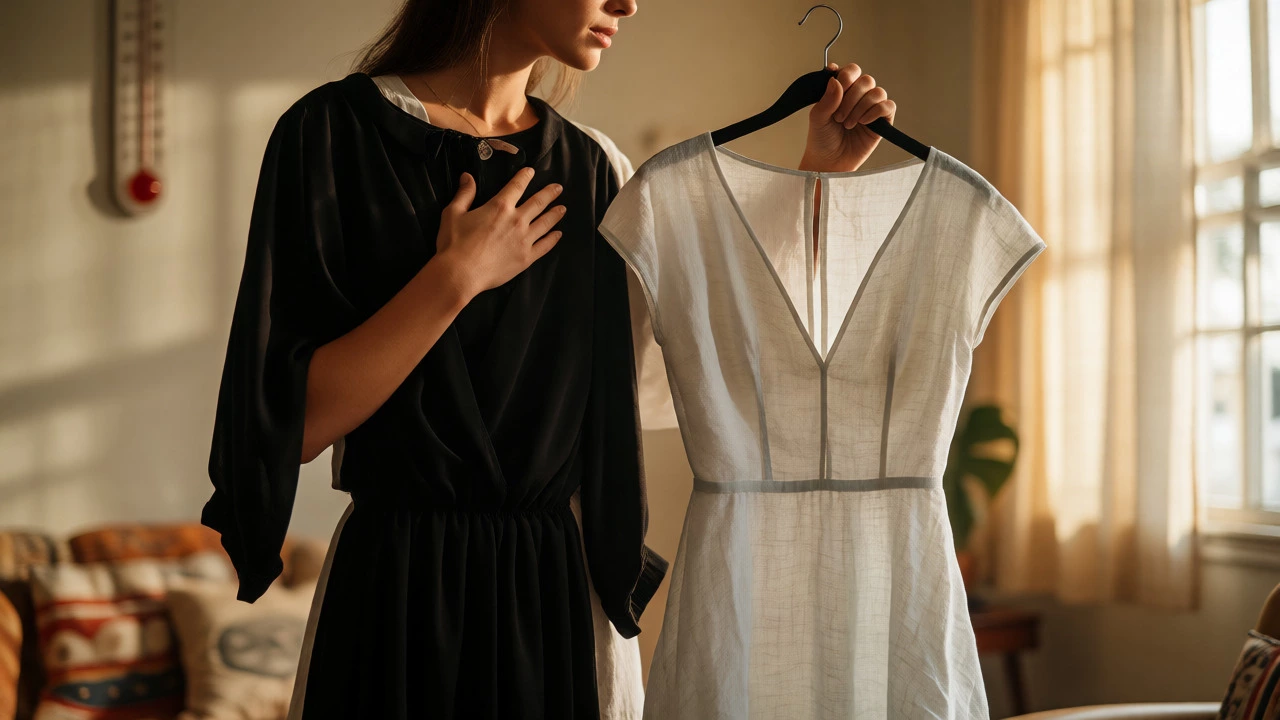
You’re staring at an invitation that says “Cocktail Attire,” but it’s January in Melbourne and the forecast promises 32 degrees with high humidity. You pull out your usual winter black silk number and realize you’ll be sweating through it before you even finish your first drink. This is the exact moment most people panic about their wardrobe.
So, what exactly is a summer cocktail dress? It’s not just a shorter version of a ballgown, nor is it simply a sundress you threw on for brunch. It’s a specific category of semi-formal wear designed to balance elegance with thermal comfort. If you get this wrong, you either look underdressed or like you’re trying too hard while melting into your seat. Let’s break down how to nail this look without overheating.
The Fine Line Between Sundress and Formal
Here is where most people trip up: they assume any light, floral print dress counts as cocktail attire. It doesn’t. A standard sundress is casual; a summer cocktail dress is elevated casual. The difference lies in structure and fabric quality.
A sundress might be made of thin cotton voile that wrinkles if you look at it wrong. A summer cocktail dress uses fabrics with weight and drape-think linen blends, heavy silks, or structured cotton poplin-that hold their shape. The cut matters too. While sundresses often have loose, flowy silhouettes, cocktail dresses usually feature tailored waistlines, defined shoulders, or strategic draping that signals intentionality.
| Feature | Sundress (Casual) | Summer Cocktail Dress (Semi-Formal) |
|---|---|---|
| Fabric Weight | Lightweight, sheer | Medium weight, opaque, structured |
| Hem Length | Varies widely (mini to maxi) | Knee-length to midi (most common) |
| Details | Minimal, functional pockets | Beads, embroidery, satin trim, unique cuts |
| Footwear Pairing | Flip-flops, sneakers, flat sandals | Heels, block heels, dressy flats |
Fabrics That Survive Heat and Humidity
If you live in a place where summers feel like a steam room, fabric choice isn’t just about style-it’s survival. Synthetic materials like polyester are notorious for trapping heat. Unless it’s a high-tech moisture-wicking blend, avoid them for daytime events.
Natural fibers are your best friends here, but not all are created equal. Linen is fantastic because it breathes incredibly well, but pure linen wrinkles within minutes of sitting down. For a cocktail event, look for linen-silk blends or linen-viscose mixes. These retain the breathability of linen but add enough structure to keep the dress looking crisp until the last toast.
Silk charmeuse is another contender, especially for evening events. It feels cool against the skin and moves beautifully. However, beware of sweat marks. Darker shades of silk hide perspiration better than pastels. If you prefer cotton, opt for high-thread-count poplin or sateen weaves. They offer a slight sheen and stiffness that elevates the garment beyond basic t-shirt material.
Decoding the Silhouette and Length
Cocktail attire traditionally means knee-length or tea-length dresses. In summer, this rule relaxes slightly. Midi lengths (hitting mid-calf) are hugely popular right now because they offer coverage from sun exposure while remaining airy. Mini dresses can work, but only if the cut is sophisticated-think a structured shift dress rather than a tight bodycon that restricts airflow.
Maxi dresses are tricky territory. A floor-length chiffon gown screams “black tie,” not cocktail. But a maxi with a slit, made of lightweight jersey or rayon, can pass as chic cocktail wear if accessorized correctly. The key is avoiding the “beach cover-up” vibe. If your maxi looks like something you’d wear to a BBQ, add statement jewelry and heels to signal formality.
Sleeveless styles are obvious winners for heat, but strapless or off-the-shoulder designs require confidence and proper fitting. If you’re worried about shoulder straps slipping during dancing, consider a halter neck or a one-shoulder design. These provide security and create a flattering line across the collarbone.
Color Palettes and Patterns for Warm Weather
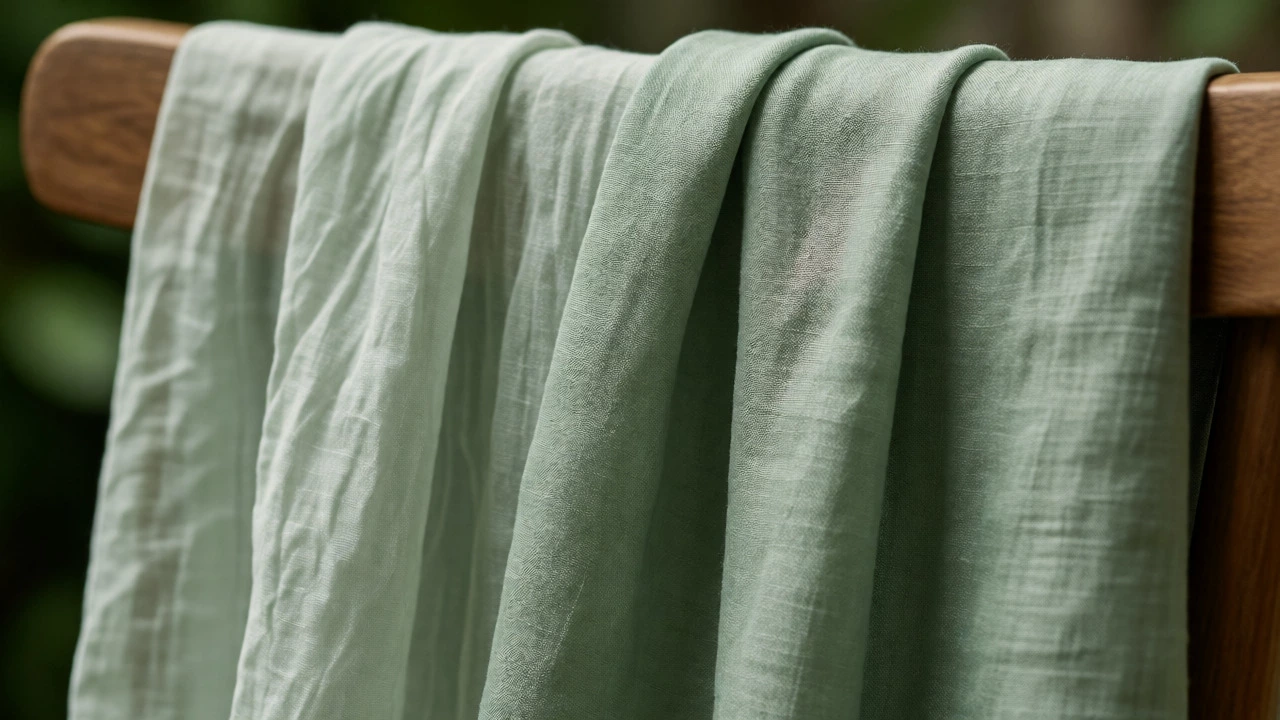
Winter cocktail dresses lean heavily on black, navy, and deep jewel tones. Summer invites you to play with lightness. Pastels like sage green, blush pink, and powder blue reflect sunlight rather than absorbing it. They also photograph beautifully in natural daylight, which is crucial if your event is outdoors.
Florals are a summer staple, but choose wisely. Large, bold prints can look overwhelming in small doses, while tiny micro-florals can appear busy. Medium-scale botanical prints in muted colors strike the right balance between festive and refined. Solid colors remain a safe bet, especially in vibrant hues like coral, turquoise, or lemon yellow. Just ensure the fabric has some texture-ribbed knits or crepe weaves-to prevent the outfit from looking flat.
Prints like geometric patterns or abstract art prints also work well. They add visual interest without relying solely on color. Remember, the goal is to look fresh, not loud. If you choose a bright dress, keep accessories minimal. If your dress is neutral, let your shoes or bag make the statement.
Accessorizing Without Overheating
Nothing ruins a summer cocktail look faster than a heavy scarf or a bulky handbag. Your accessories should complement the lightness of the dress, not weigh it down. Skip the clutch if possible; crossbody bags or wristlets keep your hands free for holding drinks and greeting guests.
Jewelry choices depend on the neckline. A strapless dress pairs well with chokers or statement earrings. V-necks look great with delicate pendants. Since you’ll likely be wearing less fabric, skin-friendly metals like gold vermeil or sterling silver tend to feel cooler than plated base metals that might react with sweat.
Shoes are critical. Stilettos can sink into grass if the venue is outdoor-based. Block heels, wedges, or embellished flat sandals are practical alternatives that maintain elegance. If you’re attending a rooftop party with concrete floors, nude heels elongate the leg line without drawing attention away from the dress.
Common Mistakes to Avoid
First, don’t underestimate the power of an underslip. Light-colored summer fabrics are often semi-sheer. A nude slip prevents transparency issues when standing backlit by the sun. Second, check the lining. Unlined dresses cling to every contour and sweat patch. A partial lining in the bodice provides modesty and structure.
Third, ignore the “no white after Labor Day” rule if you’re in Australia or other Southern Hemisphere locations. White is actually ideal for reflecting heat. Just ensure the fabric isn’t so thin that it becomes see-through. Fourth, bring a backup plan. Humidity can ruin hairstyles and makeup. Carry blotting papers and a compact mirror. If you’re prone to sweating, use antiperspirant wipes beforehand.
Finally, don’t confuse “casual” with “messy.” A wrinkled linen dress looks intentional if styled with care. A crumpled polyester dress looks neglected. Steam your garment before leaving home. It takes two minutes and makes a huge difference in perceived effort.
Real-Life Scenarios: What Works Where
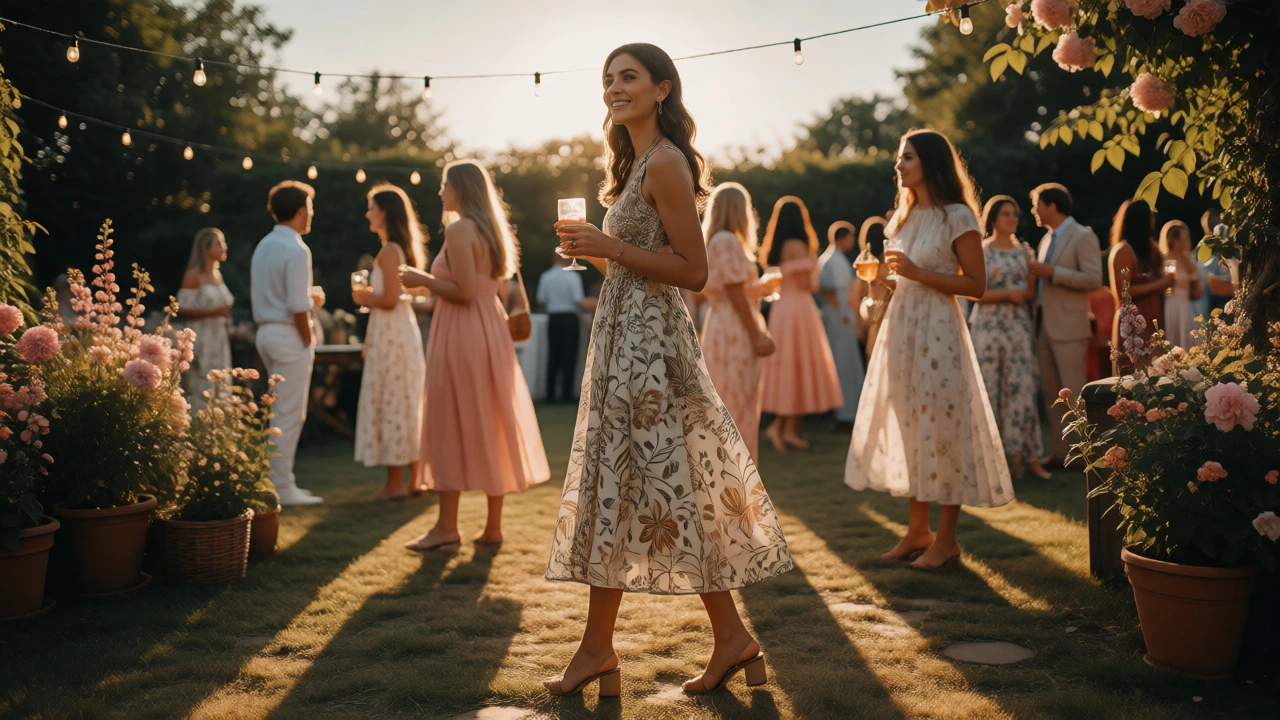
Imagine you’re invited to a garden wedding in late December. The host specifies “cocktail attire.” A knee-length, sleeveless dress in a soft floral print, paired with strappy gold heels and a woven clutch, hits the mark perfectly. It’s respectful of the occasion but appropriate for the heat.
Now picture a corporate networking event in a city center air-conditioned building. The temperature inside is 20°C, outside is 35°C. Here, a midi-length wrap dress in a solid dark teal works well. It’s professional enough for business contexts but light enough for the commute. Bring a lightweight blazer that you can carry, not wear, unless the AC is aggressive.
For a beachside engagement party, the rules loosen further. A jumpsuit can replace a dress entirely. Choose wide-leg trousers in a breathable fabric with a fitted top. It’s modern, comfortable, and clearly dressed up compared to swimwear.
Can I wear jeans to a summer cocktail event?
Generally, no. Jeans are considered casual wear. Even dark, tailored denim lacks the refinement expected of cocktail attire. Exceptions exist in very creative industries, but it’s safer to stick to dresses, skirts, or tailored trousers.
Is black acceptable for a summer cocktail dress?
Yes, but it absorbs heat. If you choose black, pick a lightweight fabric like chiffon or silk with a loose cut to allow airflow. Add colorful accessories to break up the darkness and keep the look seasonal.
What length is appropriate for a cocktail dress?
The classic range is knee-length to mid-calf (midi). Minis are acceptable if the cut is conservative and the setting is trendy. Maxis are risky unless they have a slit or are made of very fluid fabric to avoid looking like full formal wear.
How do I handle humidity with a cocktail dress?
Choose natural fibers like linen blends or high-quality cotton. Avoid synthetics. Use anti-chafe sticks on inner thighs if the dress is short. Carry a portable steamer or hang the dress in the bathroom while showering to release wrinkles.
Are patterns okay for cocktail attire?
Absolutely. Florals, geometrics, and abstract prints are welcome. Just ensure the pattern scale suits your frame and the colors aren’t neon-bright unless the event is explicitly playful. Muted or pastel tones generally feel more sophisticated.