Evening Dress Code Decoder
Select the dress code listed on your invitation to receive detailed outfit guidance for both men and women.
Black Tie
Formal galas, upscale weddingsBlack Tie Optional
Formal but flexibleCocktail Attire
Weddings, holiday partiesSemi-Formal
Dinner parties, receptionsWhite Tie
State dinners, operasFormal
Evening events (ambiguous)Dressy Casual
Relaxed but polishedSmart Casual
Beach clubs, casual venues👧Women's Outfit Guide
👩Men's Outfit Guide
Pro Tip
Have you ever stared at an invitation that says "Evening Attire" or "Black Tie Optional" and felt a sudden wave of panic? You are not alone. Decoding dress codes is one of the most stressful parts of attending social events, especially when the stakes feel high. Whether it is a wedding reception, a corporate gala, or a charity fundraiser in Melbourne, wearing the wrong outfit can make you feel like you don't belong. But what exactly does evening dinner attire mean in 2026?
The short answer is that evening dinner attire refers to clothing worn for social events held after sunset, typically involving dinner. It sits on a spectrum between casual daywear and strict white-tie formality. However, the specific meaning depends entirely on the exact wording of the invitation. Understanding these nuances ensures you look polished, respectful, and confident without overdressing or underdressing.
Understanding the Spectrum of Evening Wear
To choose the right outfit, you first need to understand where "evening dinner attire" falls on the formality ladder. Think of it as a sliding scale. At the bottom, you have casual wear-jeans and t-shirts. At the very top, you have White Tie, which requires tailcoats and floor-length gowns with gloves. Most modern evening dinners fall somewhere in the middle three tiers: Semi-Formal, Cocktail, and Black Tie (or Black Tie Optional).
Semi-Formal is often confused with business casual, but for evening events, it demands more polish. For women, this means knee-length dresses, elegant skirts with blouses, or sophisticated jumpsuits. Fabrics should be refined, such as silk, satin, or fine wool, rather than cotton or denim. For men, a dark suit and tie are standard, though a tuxedo is usually too much unless specified.
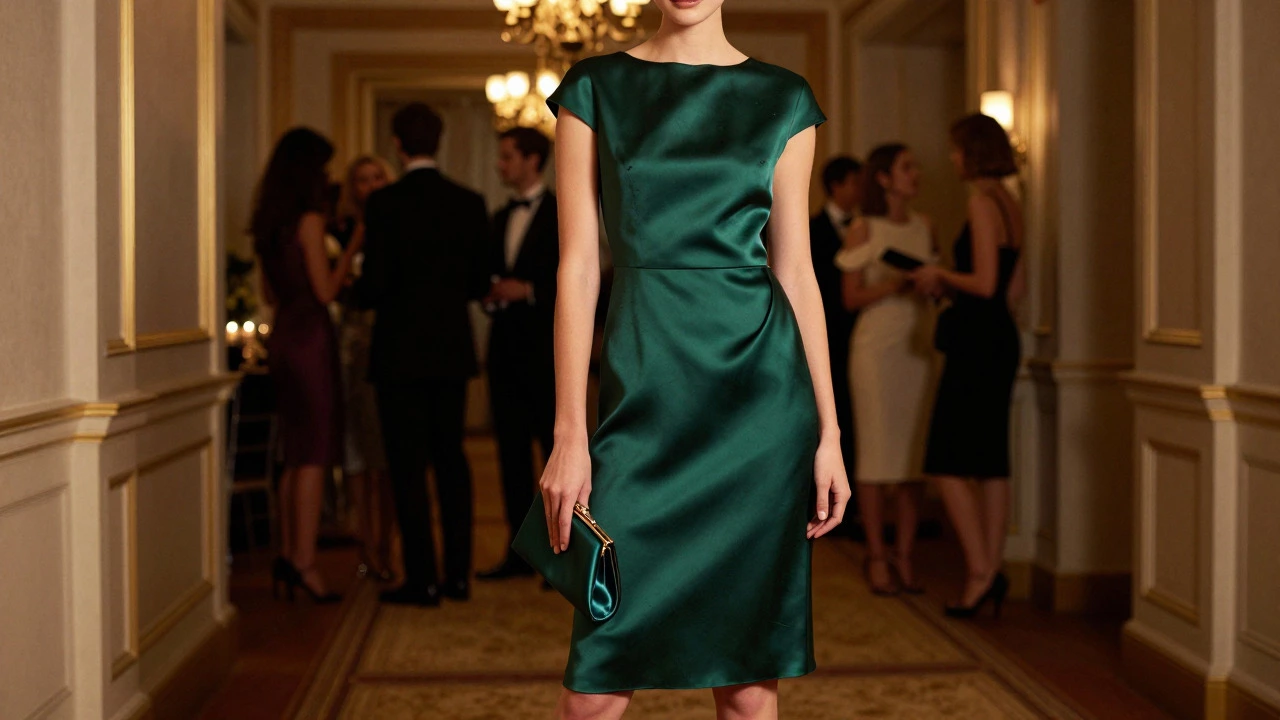
As we move up to Cocktail Attire the level of glamour increases. This is the most common dress code for evening weddings and holiday parties. Women typically wear "little black dresses" or colorful midi and mini dresses with interesting details like sequins, lace, or metallic threads. Men wear dark suits, often with a pocket square and polished leather shoes. The key here is style over strict uniformity; you want to look chic and festive.
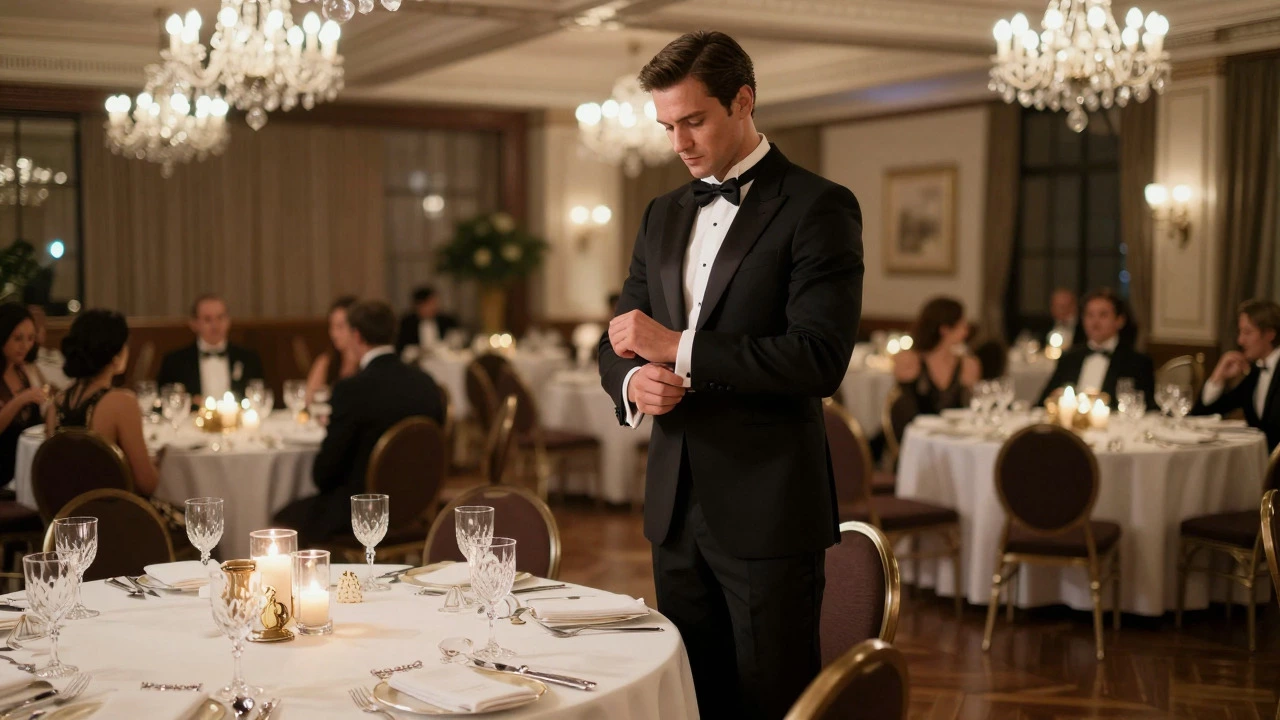
At the higher end, we have Black Tie which is reserved for formal galas, operas, and upscale weddings. Women are expected to wear floor-length gowns, although a dressy cocktail dress may pass if the event is less traditional. Men must wear a tuxedo with a bow tie, cummerbund, and patent leather shoes. There is little room for interpretation here; deviation can appear disrespectful to the hosts.
| Dress Code | Women's Outfit | Men's Outfit | Footwear |
|---|---|---|---|
| Semi-Formal | Knee-length dress, skirt & blouse, or jumpsuit | Dark suit and tie | Heels or loafers |
| Cocktail | Midi or mini dress, often with embellishments | Dark suit, possibly velvet jacket | Stilettos or polished oxfords |
| Black Tie | Floor-length gown or very dressy cocktail dress | Tuxedo with bow tie | High heels or patent leather shoes |
| White Tie | Ball gown with gloves | Tailcoat, white waistcoat, white bow tie | Opera pumps or patent leather |
Decoding Invitation Wording
Invitations rarely just say "dress nice." They use specific phrases that carry historical weight. If your invite says "Formal," it usually aligns with Black Tie, especially for evening events. However, ambiguity exists. "Dressy Casual" is a tricky term that often leads guests to wear jeans when they should have worn slacks and a button-down shirt. To avoid this, always look for context clues.
Consider the venue and time. An event at a beach club at 6 PM will likely be semi-formal or smart casual, regardless of what the invitation implies. Conversely, a dinner at a historic hotel ballroom at 8 PM almost certainly requires cocktail or black tie attire. In Melbourne, where weather can shift rapidly, indoor venues allow for heavier fabrics like velvet and brocade, even in spring, while outdoor garden parties might call for lighter chiffon or linen blends.
If the invitation mentions "Black Tie Optional," you have a choice. You can wear a tuxedo or a very sharp dark suit for men, and a long gown or a stunning cocktail dress for women. The word "optional" suggests that the hosts appreciate effort but do not demand strict adherence to tradition. It is safer to lean slightly more formal than less, as you can always remove a jacket or accessory if you feel overdressed.
Choosing the Right Fabric and Color
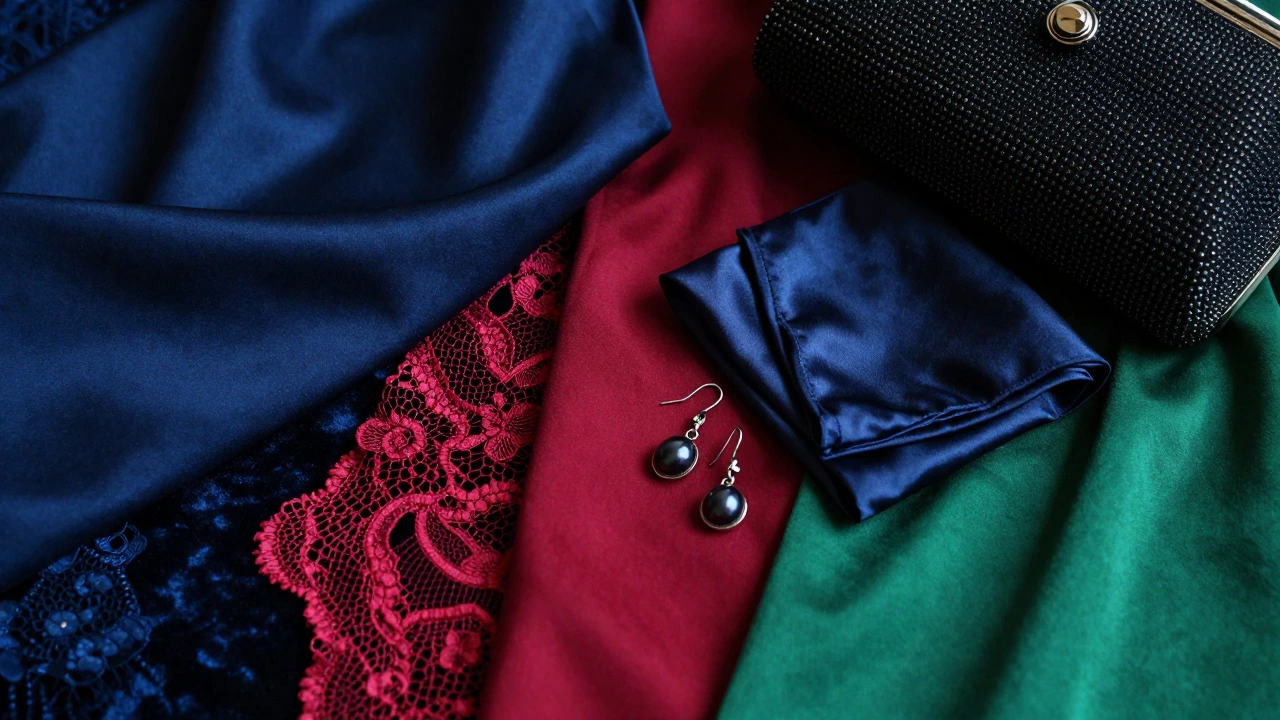
Fabric plays a crucial role in defining whether an outfit is appropriate for evening wear. Daytime fabrics like cotton, jersey, and chambray generally read as too casual for dinner events. Instead, opt for materials that catch the light or drape elegantly. Silk, satin, velvet, lace, and crepe are excellent choices. These textures add depth and sophistication to your silhouette.
Color also matters. While black is a classic choice for evening wear, it is not the only option. Jewel tones like emerald green, sapphire blue, and deep purple are perfect for winter and autumn evenings. Metallic shades such as gold, silver, and bronze work well for celebratory occasions. Avoid bright neon colors or overly busy patterns, which can look garish under dim lighting. Solid colors tend to photograph better and look more expensive.
For men, the suit color should be dark. Navy, charcoal gray, and black are the safest bets. A midnight blue tuxedo is a stylish alternative to black for less rigid black-tie events. The shirt should always be white or off-white, providing a crisp contrast to the dark jacket. Pocket squares add a touch of personality without breaking the rules of formality.
Accessories That Elevate Your Look
Your outfit is only part of the equation. Accessories can transform a simple dress into an evening masterpiece. For women, jewelry should complement the neckline of your dress. A statement necklace works well with a V-neck or strapless gown, while drop earrings are ideal for high necklines or updos. Keep it balanced; if your dress has heavy embellishments, keep your jewelry minimal.
Handbags should be small and elegant. A large tote bag looks out of place at a dinner event. Opt for a clutch or a small crossbody bag in satin, leather, or beaded fabric. Shoes should be comfortable enough to stand and dance in. Stilettos are classic, but block heels or embellished flats are acceptable if you prioritize comfort. Remember, you will be wearing these shoes for several hours.
For men, accessories are subtle but significant. A quality watch adds professionalism and style. Cufflinks are necessary if your shirt has French cuffs. A pocket square should not match your tie exactly but should coordinate in color or pattern. Ties should be silk or knit, avoiding polyester which can look shiny and cheap under lights. Bow ties are mandatory for black tie, while long ties are preferred for semi-formal and cocktail events.
Common Mistakes to Avoid
One of the biggest mistakes people make is ignoring the season. Wearing a heavy velvet gown in summer or a sheer chiffon dress in winter can make you uncomfortable and look out of place. Another error is wearing daytime footwear. Sandals with thick straps or sneakers, even fashionable ones, are rarely appropriate for evening dinner attire unless the event is explicitly casual.
Over-accessorizing is another pitfall. Less is often more. If your dress is bold, let it speak for itself. Too many bracelets, rings, and necklaces can look cluttered. Similarly, men should avoid loud ties or novelty pocket squares unless the event has a fun theme. Stick to timeless elegance.
Finally, do not forget grooming. Clean nails, styled hair, and subtle makeup complete the look. For men, a fresh haircut and trimmed facial hair show attention to detail. Evening attire is not just about clothes; it is about presenting your best self.
Practical Tips for Last-Minute Events
Life happens, and sometimes you get invited to an evening dinner with little notice. If you need to assemble an outfit quickly, start with a little black dress. It is versatile and can be dressed up with different accessories. Add a bold lip color and statement earrings to elevate it. For men, a dark suit and a new tie can work wonders. Borrow accessories from friends or family if needed.
If you are unsure about the dress code, ask the host. Most people appreciate the question because it shows you care about making a good impression. Alternatively, check the venue's website for photos of past events. This can give you a visual cue for the expected level of formality.
When in doubt, err on the side of being slightly overdressed. It is easier to remove a layer or take off an accessory than to add sophistication once you arrive. Confidence comes from knowing you fit in, so choose an outfit that makes you feel powerful and comfortable.
Can I wear jeans to an evening dinner?
Generally, no. Jeans are considered casual wear and are rarely appropriate for evening dinner attire unless the invitation specifically states "casual" or "smart casual." Even then, opt for dark, clean, well-fitted jeans paired with a blazer and dress shoes to elevate the look.
Is a cocktail dress appropriate for a black-tie event?
It depends on the length and formality. A long, elegant cocktail dress may pass, but a floor-length gown is the standard for black-tie events. If you wear a shorter dress, ensure it is highly embellished and made of luxurious fabric to compensate for the lack of length.
What shoes should men wear with a tuxedo?
Men should wear black patent leather oxfords or opera pumps with a tuxedo. These shoes have a glossy finish that matches the formal nature of the outfit. Avoid matte leather or brown shoes, as they are too casual for black-tie attire.
How do I know if an event is semi-formal or cocktail?
Look at the time and venue. Cocktail attire is usually for events starting between 5 PM and 9 PM at trendy venues. Semi-formal is broader and can apply to earlier starts or less glamorous locations. When in doubt, cocktail attire is a safe bet for most evening social gatherings.
Can I wear a suit instead of a tuxedo to a black-tie event?
If the invitation says "Black Tie Optional," a dark navy or charcoal suit with a bow tie is acceptable. However, for strict "Black Tie" events, a tuxedo is expected. Wearing a regular suit may make you look underdressed compared to other guests.
What fabrics are best for evening wear?
Luxurious fabrics like silk, satin, velvet, lace, and crepe are ideal for evening wear. These materials drape well and reflect light beautifully, adding elegance to your outfit. Avoid casual fabrics like cotton, denim, or jersey.
Is it okay to wear white to an evening dinner?
Yes, white is perfectly acceptable for evening dinners, especially in warmer months. It looks fresh and sophisticated. However, avoid wearing white to weddings unless you are sure it won't clash with the bride's dress.
How important are accessories for evening attire?
Very important. Accessories can transform a simple outfit into a complete evening look. Jewelry, handbags, and shoes should be chosen to complement the formality of the event. They add polish and show attention to detail.
What should I do if I'm unsure about the dress code?
Ask the host directly. Most people prefer to help guests feel comfortable. If you cannot reach them, aim for cocktail attire as a safe middle ground. It is better to be slightly overdressed than underdressed.
Are there any colors to avoid for evening events?
Avoid overly bright neon colors and busy patterns, as they can look garish under low lighting. Also, steer clear of all-white outfits at weddings unless specified otherwise. Stick to jewel tones, blacks, and metallics for a sophisticated look.