Evening Dress Length Finder
Recommended Style
--
----
Select your details to get personalized styling advice.
Walking into a room in an evening dress should feel like stepping into your power suit, not like you’re negotiating with gravity. The most common mistake people make when shopping for formal wear isn’t the color or the fabric-it’s the length. You can have the most expensive silk and the best tailor in Melbourne, but if that hemline cuts your leg at the wrong spot, the whole outfit falls flat. It’s not about following rules; it’s about geometry and proportion.
The question “what is the most flattering length?” doesn’t have a single answer because your body is unique. However, there are universal principles of visual balance that apply to almost everyone. By understanding how different hemlines interact with your specific proportions, you can choose a dress that elongates your silhouette, highlights your best features, and makes you feel confident enough to own the room.
Why Hemline Placement Matters More Than You Think
Your eyes naturally follow lines. In fashion, horizontal lines stop the eye, while vertical lines guide it up and down. The hem of your dress creates one of the strongest horizontal lines on your body. Where that line sits determines how long your legs look and how balanced your overall shape appears.
If a dress ends right at the widest part of your calf, it visually chops your leg in half, making you look shorter and stockier than you are. If it skims just below the knee or flows all the way to the floor, it creates a continuous vertical line that adds height and elegance. This is why two women wearing identical dresses can look completely different-one might be hitting the sweet spot, while the other is fighting the cut.
It’s also about movement. An evening dress isn’t static. You’ll be sitting, dancing, and walking. A length that looks good standing still might bunch up awkwardly when you sit down or drag on the ground during a dance. The ideal length works with your motion, not against it.
The Case for Midi: The Sweet Spot for Many
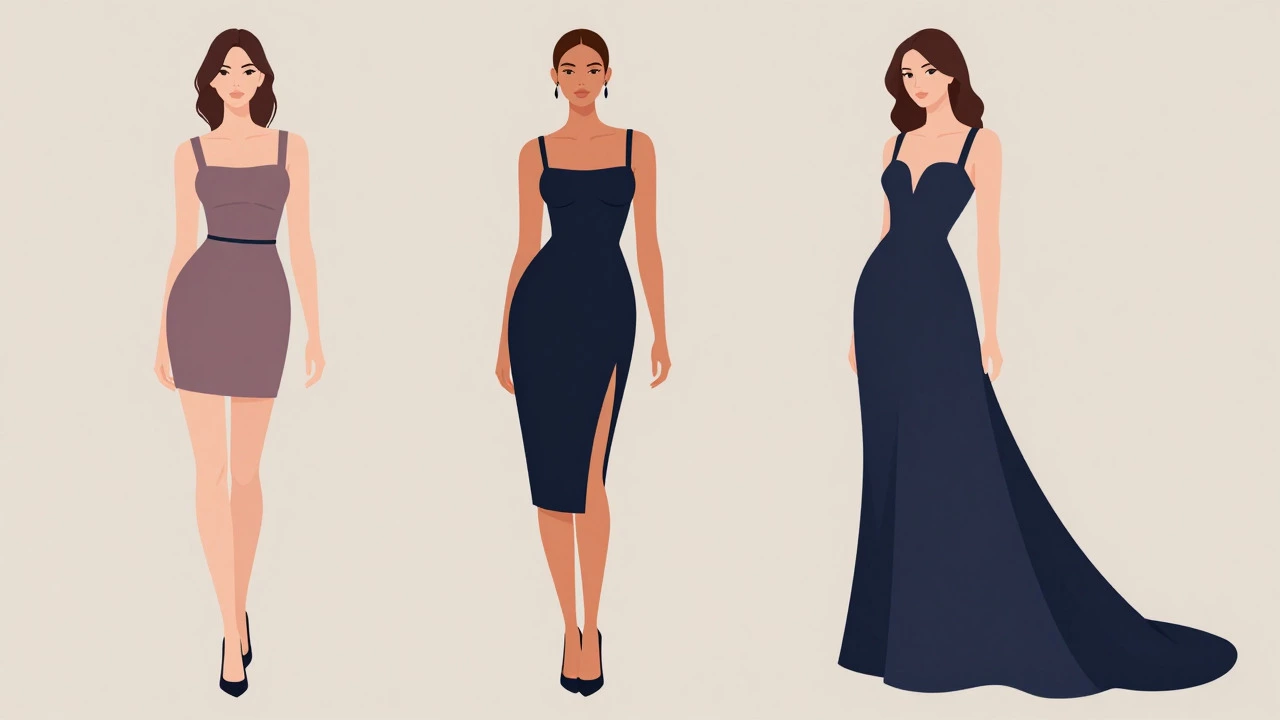
Midi dresses are garments that fall between the knee and the ankle, typically ending mid-calf or just above the ankle. For many body types, this is the most forgiving and versatile length. It offers coverage without heaviness, striking a balance between modesty and allure.
- For Petite Frames: Stick to a high-midi that ends just below the knee. Avoid lengths that hit the middle of the calf, as this can overwhelm a smaller frame. A slit in the side helps break up the bulk and shows skin strategically.
- For Hourglass Figures: A midi dress that cinches at the waist and flares slightly at the hem complements natural curves beautifully. It emphasizes the narrowest part of your torso while allowing the skirt to flow away from the hips.
- For Apple Shapes: Choose an A-line midi that skims over the stomach rather than clinging to it. The length draws attention downward, balancing out a fuller midsection.
The key with midi dresses is the fit around the thigh and calf. If the fabric clings tightly to the widest part of your lower leg, it highlights width. Instead, look for styles with some volume or a slight flare that creates space between the fabric and your skin.
Maxi Dresses: Height, Drama, and Elongation
Maxi dresses are floor-length garments that create a long, uninterrupted vertical line from shoulder to toe. When done right, maxis are incredibly slimming and elegant. They add drama and sophistication, perfect for black-tie events or formal weddings.
However, maxis come with risks. If they pool around your feet, you look sloppy. If they’re too short, they become awkwardly long minis. The goal is to have the hem graze the top of your shoe, revealing just a hint of footwear when you walk.
- Petite Warning: Maxies can swallow petite frames. To counteract this, opt for a V-neckline to draw the eye upward and ensure the dress is tailored perfectly. Avoid heavy fabrics that add bulk.
- Tall Advantage: Taller individuals often carry maxies effortlessly. Use this length to showcase bold prints or luxurious fabrics like velvet or satin.
- Plus-Size Considerations: Maxis work well for plus-size bodies if the silhouette is structured. Look for defined waists and avoid excessive ruffles or layers that add visual weight.
A subtle train or a side slit can add interest and prevent the look from feeling boxy. These details break up the solid block of color and introduce dynamic lines that keep the outfit engaging.
Mini Dresses: Bold, Playful, and Leg-Lengthening
Mini dresses are short garments that end well above the knee, emphasizing the legs. While less traditional for formal evening wear, minis are making a comeback in cocktail attire and semi-formal settings. They are undeniably leg-lengthening because they show off the entire leg.
The challenge with minis is confidence and context. Ensure the event allows for such a short hemline. Pair a mini with sleek heels to extend the leg line further. Avoid bulky socks or shoes that cut off the ankle, as this disrupts the vertical flow.
- Best For: Those with toned legs who want to highlight them. Also great for creating a playful, youthful vibe.
- Caution: Can feel restrictive if you’re nervous about exposure. Always check the dress code first.
If you love the mini look but want more coverage, consider a faux-mini style where the front is short but the back has a longer panel. This gives the illusion of length while providing security.
Knee-Length: The Classic Standard
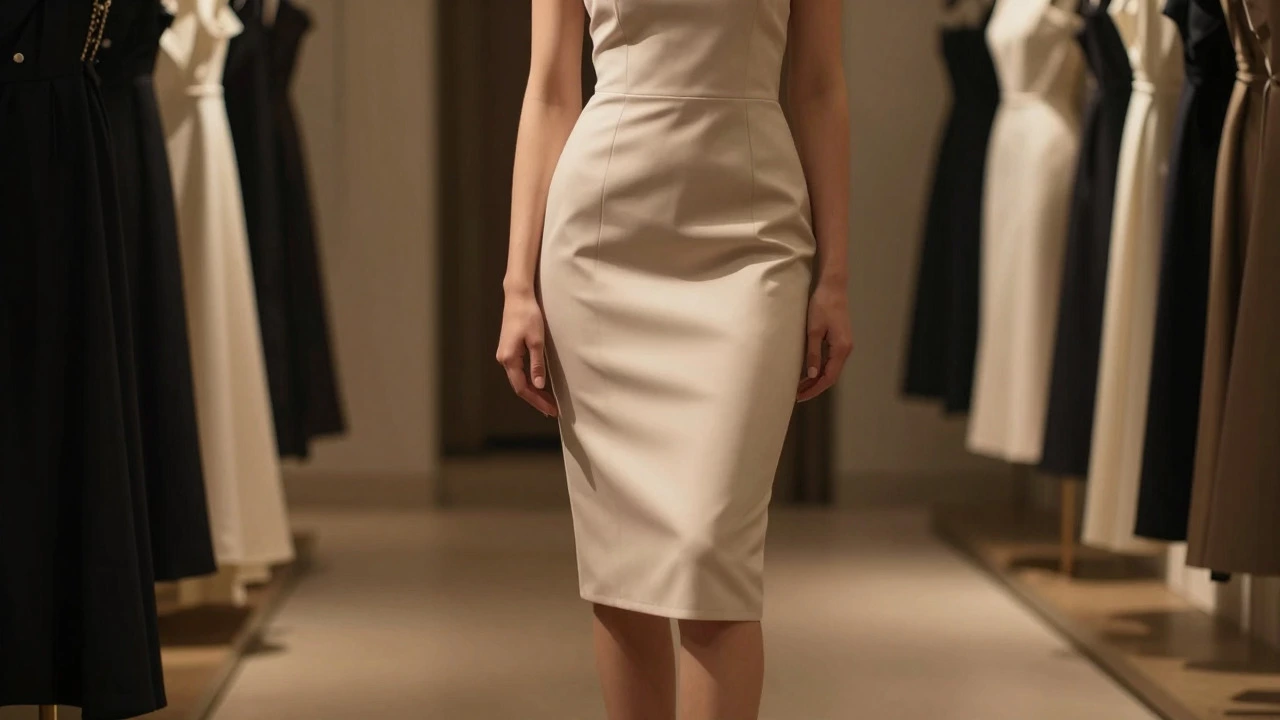
Knee-length dresses are hemlines that end at or just below the knee, offering a timeless and professional appearance. This is the safest bet for daytime weddings, business galas, or conservative venues. It’s universally appropriate and rarely goes out of style.
To make knee-length dresses flattering, focus on the silhouette. A pencil cut hugs the curves, while an A-line provides structure. Ensure the hem hits at the thinnest part of your knee, not the widest joint. A slight asymmetry or angled hem can add modern flair to this classic length.
How Body Shape Influences Your Choice
Your body shape dictates which lengths will enhance your natural proportions. Here’s a quick breakdown:
| Body Type | Best Lengths | Lengths to Avoid |
|---|---|---|
| Petite | High-midi (just below knee), Mini | Mid-calf midi, Heavy Maxi |
| Hourglass | Fitted Midi, Knee-length Pencil | Oversized Maxi, Boxy Mini |
| Apple | A-line Midi, Empire Waist Maxi | Tight Knee-length, Short Mini |
| Pear | Flowy Maxi, A-line Midi | Straight-cut Mini, Tight Pencil |
| Rectangle | Ruffled Midi, Belted Maxi | Straight-cut Knee-length |
Remember, these are guidelines, not laws. Confidence plays a huge role in how a dress looks. If you love a certain length, wear it proudly. Tailoring can adjust almost any dress to fit your unique proportions better.
Fabric and Silhouette: The Hidden Factors
Length isn’t the only variable. The fabric weight and dress silhouette dramatically affect how the hemline reads on your body.
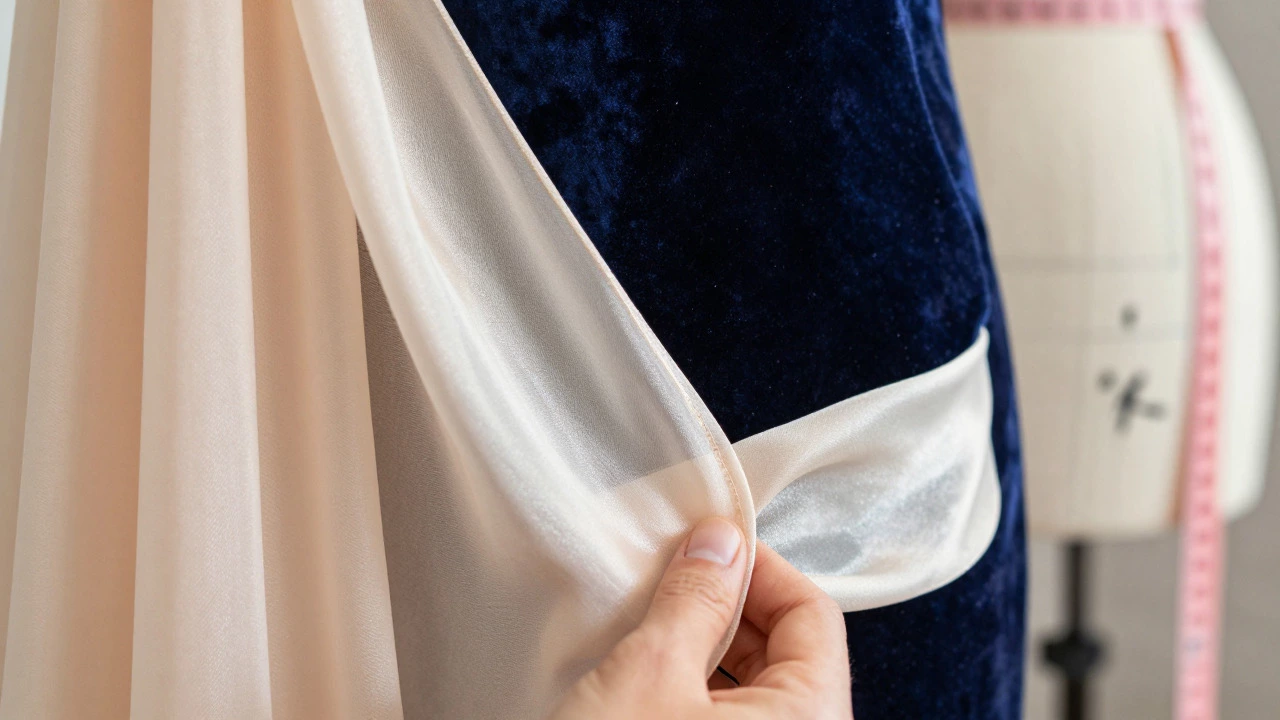
Heavy fabrics like velvet or thick wool hold their shape and can add bulk, especially at the hem. Lighter fabrics like chiffon, silk, or jersey drape softly, following your body’s contours. For midi and maxi dresses, lighter fabrics often look more elegant because they flow rather than stiffen.
Silhouette matters too. An A-line skirt widens as it goes down, creating a triangle shape that balances wider shoulders or a fuller bust. A sheath dress follows the body’s natural line, highlighting curves. A mermaid or trumpet style hugs the hips and thighs before flaring out, which is stunning for hourglass figures but challenging for others.
Consider the neckline as well. A deep V-neck draws the eye upward, balancing a shorter hemline. A high neck pairs well with longer skirts to maintain elegance without looking severe.
Practical Tips for Choosing Your Perfect Length
Before you buy or rent that evening dress, keep these practical tips in mind:
- Try It With Shoes: Always try on dresses with the shoes you plan to wear. Heels change your posture and the effective length of the dress significantly.
- Sit Down: Check how the dress behaves when seated. Does it ride up too much? Does it bunch uncomfortably? Comfort affects confidence.
- Walk Around: Move naturally. Dance a little. See if the hem restricts your stride or trips you up.
- Check the Lighting: Store lighting can be deceptive. View the dress in natural light to see true colors and fabric texture.
- Get Professional Alterations: Off-the-rack sizes rarely fit perfectly. A tailor can adjust the hem to hit exactly where it needs to for your body.
Don’t be afraid to experiment. Sometimes the length you think won’t work surprises you. Fashion is personal, and the best dress is the one that makes you feel unstoppable.
What is the most flattering dress length for a petite woman?
For petite women, a high-midi dress that ends just below the knee or a mini dress is usually most flattering. These lengths avoid cutting the leg at the widest part of the calf, which can make you look shorter. Opt for vertical seams or slits to create elongating lines.
Are maxi dresses okay for short girls?
Yes, but with caution. Choose a maxi dress made from lightweight, flowing fabric that drapes well. Ensure it is tailored to graze the top of your shoes, not pool on the floor. Pair it with pointed-toe heels to extend the leg line further.
Which dress length is best for an apple-shaped body?
An A-line midi dress that skims over the stomach is ideal for apple shapes. It avoids clinging to the midsection and draws attention downward. Empire waist styles that define the smallest part of the torso just under the bust also work well.
Is knee-length appropriate for black-tie events?
Knee-length is generally acceptable for cocktail attire but may be too short for strict black-tie events. For black-tie, floor-length gowns are preferred. If you prefer knee-length, choose a sophisticated, structured design with luxurious fabric to elevate the look.
How do I know if my dress hem is too high or too low?
Stand barefoot and then with your intended shoes. The hem should hit at the thinnest part of your leg, avoiding the widest joints like the knee or calf. If it feels restrictive or bunches when you sit, it may need adjustment. A tailor can easily fix minor issues.