UGG Wearability Checker
Enter your current conditions to see if you should reach for your UGGs or leave them in the closet.
Result
Summary of analysis
You know that feeling when you slip your feet into a pair of UGGs and the world just... stops? It’s like stepping onto a cloud made of warm wool. But here is the thing: those clouds have limits. I live in Melbourne, where the weather can shift from scorching sun to sideways rain in ten minutes, so I’ve learned the hard way about when these boots are a lifesaver and when they’re a total disaster.
If you are wondering whether to lace up or leave them on the shelf, it comes down to three main factors: water, heat, and occasion. UGGs are iconic for a reason, but they aren’t built for every situation. Let’s break down exactly when you should skip the sheepskin.
The Rainy Day Trap
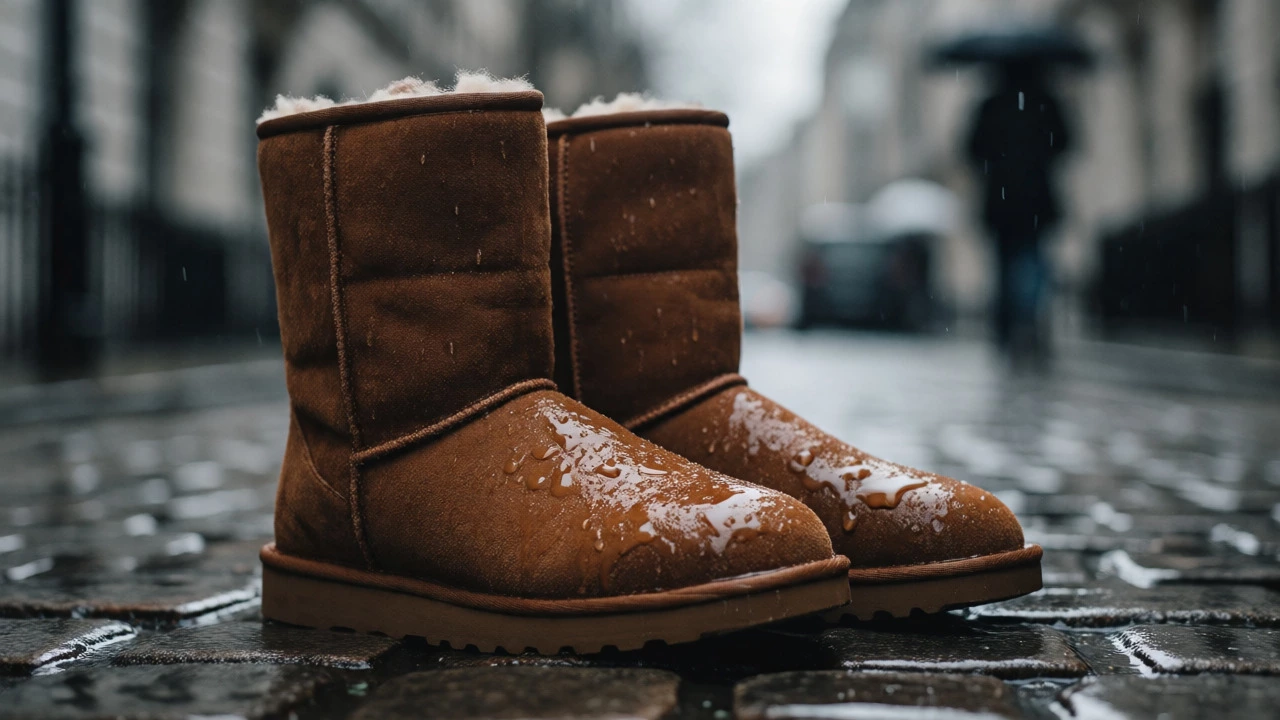
Let’s be real: standard UGG boots are not waterproof. They are made from twin-face sheepskin, which means the outside is suede and the inside is fleece. Suede acts like a sponge. If you step in a puddle, that water doesn’t just sit on top; it soaks right through to your socks. And once sheepskin gets soaked, it takes forever to dry. Worse, if it dries improperly, the leather can stiffen and crack, ruining the shape of the boot.
I remember wearing my classic shorties during a sudden downpour near Flinders Street Station. My feet were fine for twenty minutes, then suddenly cold and wet. By the time I got home, the boots had lost their structural integrity. If you live in a place with frequent rain-like much of the UK, the Pacific Northwest, or yes, parts of Australia-you need to check the forecast. Unless you have the specific "Waterproof" line (which uses treated leather and rubber soles), keep the UGGs indoors when the sky looks grey.
Summer Heat and Indoor Stagnation
It sounds obvious, but people still wear UGGs in summer because they love the look. Don’t do it. Sheepskin is an incredible insulator. It keeps heat in during winter, but it also traps body heat in July. Wearing thick wool-lined boots when it’s 30°C (86°F) outside isn’t just uncomfortable; it’s bad for your foot health. Your feet will sweat, creating a humid environment inside the boot that promotes bacterial growth and odor.
This applies to indoor settings too. If you work in an office with aggressive heating, or if you’re visiting a friend whose house feels like a sauna, UGGs might make your feet feel suffocated. In hot climates, or during warm months, switch to breathable materials like canvas, linen, or open-toed sandals. Save the sheepskin for when the temperature drops below 15°C (59°F). If you must wear them indoors year-round, consider thinner lining options or use cedar shoe trees to absorb moisture between wears.
Formal Occasions and Professional Settings
UGGs scream "casual." They are the uniform of lounging, running errands, and grabbing coffee. While fashion rules have loosened over the last decade, there are still social codes. Walking into a nice dinner, a job interview, or a formal wedding in UGGs signals that you either didn’t get the memo or don’t care. It’s not that the boots are ugly-it’s that they lack the polish required for high-stakes environments.
Think about the silhouette. The bulky, rounded toe and soft upper don’t convey structure. For professional settings, stick to leather loafers, oxfords, or sleek ankle boots. If you absolutely love the UGG aesthetic but need to dress up, look for hybrid styles that incorporate leather panels or slimmer profiles, but even then, tread carefully. When in doubt, take them off. You can always carry them if you’re traveling, but don’t wear them into the boardroom.

Long Walks and Rough Terrain
Here is a misconception: many people think UGGs are great for walking because they are soft. Softness does not equal support. The traditional UGG sole is made of EVA foam or rubber, which offers minimal arch support and little protection against sharp rocks or uneven pavement. If you plan on hiking a trail, walking across cobblestones, or standing for more than two hours, your feet will pay the price.
The lack of rigidity means your foot muscles have to work harder to stabilize themselves. Over long distances, this leads to fatigue, blisters, and potential plantar fasciitis issues. I tried using them for a day trip to the Dandenong Ranges. Big mistake. The mud clogged the treads, and the soft soles offered zero grip on slippery roots. For active days, choose hiking boots or supportive sneakers. Reserve UGGs for short, flat walks-like going from your car to a shop.
Muddy and Sandy Environments
Sheepskin is porous. Dirt, sand, and mud don’t just sit on the surface; they embed themselves into the fibers. Cleaning suede is tricky enough without adding abrasive grit. If you are heading to the beach, a farm, or a construction site, leave the UGGs at home. Sand gets trapped in the fleece lining and is nearly impossible to shake out completely. Mud stains suede permanently unless you have specialized cleaning kits, and even then, results vary.
In coastal areas, saltwater is another enemy. Salt crystals can dry out the leather, making it brittle. If you do accidentally step in mud, let it dry completely before brushing it off with a suede brush. Never try to wipe away wet mud, as you’ll just push it deeper into the nap.
How to Protect Your Investment
If you want to extend the life of your UGGs, maintenance is non-negotiable. Here is a quick checklist to keep them looking fresh:
- Apply a Protector Spray: Before first wear, treat them with a suede-and-nubuck protector. This creates a barrier against light splashes and stains. Reapply every few months.
- Use Shoe Trees: Cedar shoe trees help maintain shape and absorb moisture overnight. This prevents the heel from collapsing and reduces odor.
- Clean Regularly: Use a damp cloth for spot cleaning. For deeper cleans, use a dedicated UGG cleaner kit. Avoid washing machines unless the label explicitly says it’s safe (most aren’t).
- Air Dry Only: Never put wet UGGs near a heater or in direct sunlight. Heat shrinks the sheepskin and cracks the leather. Stuff them with paper towels and let them dry naturally in a cool, ventilated area.
| Scenario | Suitability | Reason |
|---|---|---|
| Rainy City Streets | Poor | Suede absorbs water; takes days to dry. |
| Hot Summer Days | Poor | Traps heat; causes sweating and odor. |
| Office / Formal | Low | Too casual; lacks professional polish. |
| Hiking / Trails | Low | Poor traction; no arch support. |
| Indoor Lounging | Excellent | Warm, comfortable, gentle on floors. |
| Dry Cold Weather | Excellent | Insulates well; stylish and cozy. |
Alternatives When UGGs Won’t Cut It
So, what do you wear instead? It depends on the problem. If water is the issue, look for brands offering waterproof insulated boots. Many now use synthetic linings that mimic the warmth of sheepskin but repel water. Brands like Merrell or Columbia offer thermal boots that handle rain better.
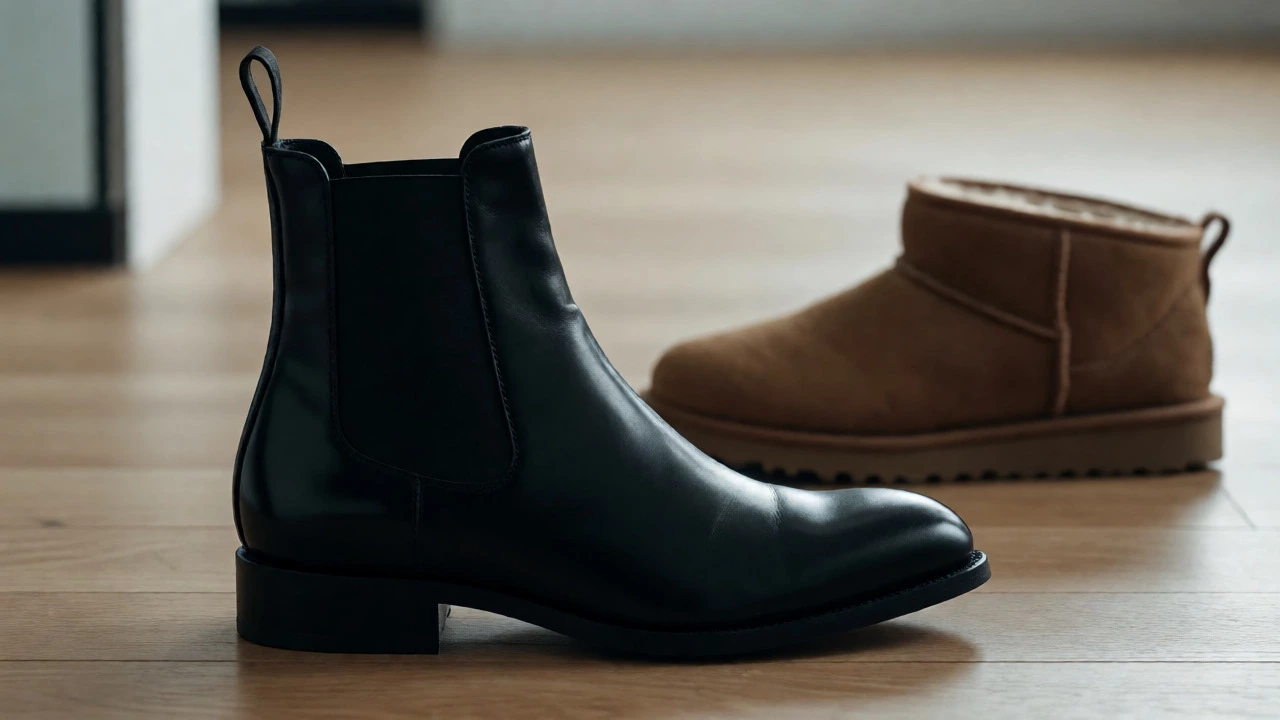
If heat is the problem, opt for espadrilles or breathable knit sneakers. These provide comfort without the insulation. For formal occasions, Chelsea boots in smooth leather are a great middle ground-they’re easy to slip on and off but look far more refined than suede UGGs.
Ultimately, UGGs are a luxury comfort item. Treat them like one. Don’t abuse them in harsh conditions, and they’ll reward you with years of cozy wear. Just remember: when the forecast calls for rain, or the thermometer climbs past 25°C, reach for something else. Your feet-and your boots-will thank you.
Can I wear UGGs in the snow?
Yes, but only for light snow. Standard UGGs are not designed for deep snow or slush. The suede will get wet, and the sole may not provide enough traction on icy surfaces. If you are walking through light, dry snow for short periods, they are fine. For heavy snow, choose waterproof winter boots with rugged treads.
Do UGGs stretch over time?
Yes, the sheepskin lining compresses and stretches slightly with wear. Initially, they might feel tight, but after a few wears, they mold to your foot shape. However, they do not stretch significantly in width. If they feel extremely tight initially, they may remain uncomfortable. It is generally recommended to buy true to size or half a size up if you have wide feet.
How do I remove salt stains from UGGs?
Mix equal parts white vinegar and water. Dip a clean cloth in the solution and gently blot the stain. Do not rub, as this can damage the suede nap. Allow it to air dry. Once dry, brush the area with a suede brush to restore the texture. Repeat if necessary.
Are UGGs good for plantar fasciitis?
Generally, no. Traditional UGGs lack adequate arch support and heel stability, which can exacerbate plantar fasciitis pain. If you suffer from this condition, consider adding orthotic insoles to your UGGs or switching to a shoe with better structural support, such as athletic shoes or structured leather boots.
Can I wash UGGs in the washing machine?
Most classic UGGs should not go in the washing machine. The agitation can distort the shape and separate the sole from the upper. Hand washing with a mild detergent and cold water is safer. Always check the specific care label on your pair, as some newer synthetic models may allow machine washing on a delicate cycle.