Slipper Health Check
Check the signs below to see if your current pair of slippers is still safe to wear or if they need replacing.
Hygiene & Smell
Structure & Comfort
Safety & Wear
Recommendations:
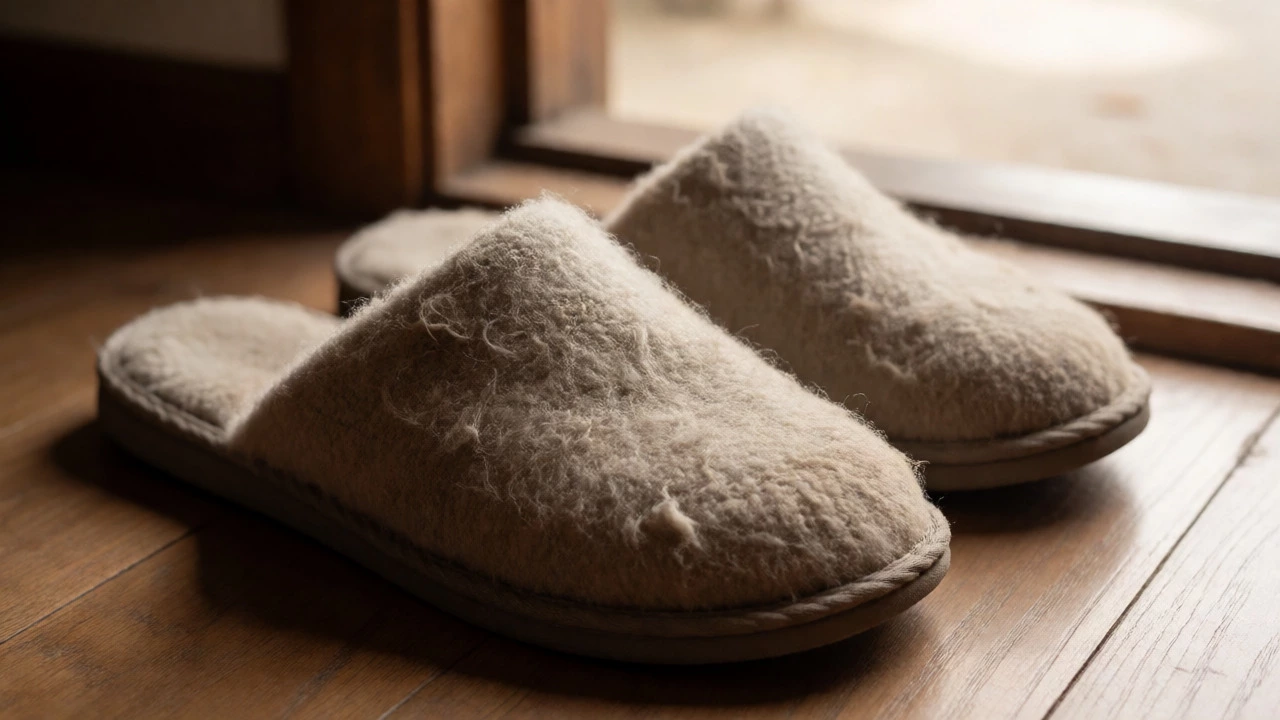
You probably have that one pair of fuzzy slippers you’ve had since university. They’re comfortable, they fit perfectly, and honestly, they look kind of sad. The sole is thinning on the left side, the fabric is pilling, and there’s a faint smell no amount of washing seems to fix. But throwing them away feels wasteful. After all, they still keep your feet warm. So, when should you throw away slippers?
It’s not just about aesthetics. Worn-out footwear can actually harm your health. From fungal infections to poor posture, keeping dead shoes too long has real consequences. Let’s break down exactly how to know when your slippers have reached their expiration date.
The Hygiene Factor: More Than Just Smell
Your feet sweat. A lot. On average, a person produces up to half a pint of sweat per day through their feet. When you wear the same pair of indoor slippers day in and day out, that moisture gets trapped in the lining. Even if you air them out, bacteria and fungi love dark, damp environments.
If you wash your slippers regularly, you might think you’re safe. But most synthetic materials degrade over time. The foam insoles compress, losing their ability to wick moisture away. Once the material starts breaking down, it becomes impossible to fully sanitize. If you notice a persistent odor that returns within hours of washing, or if you see any discoloration inside the shoe, it’s time to toss them. This isn’t just gross; it’s a breeding ground for athlete’s foot and toenail fungus.
Structural Integrity: Why Support Matters
Slippers aren’t just cozy; they’re supposed to support your arches and cushion your heels. Over time, the midsole-the layer between the outer sole and the insole-compresses permanently. This is called "packing out." Once that happens, the shoe loses its shock-absorbing properties.
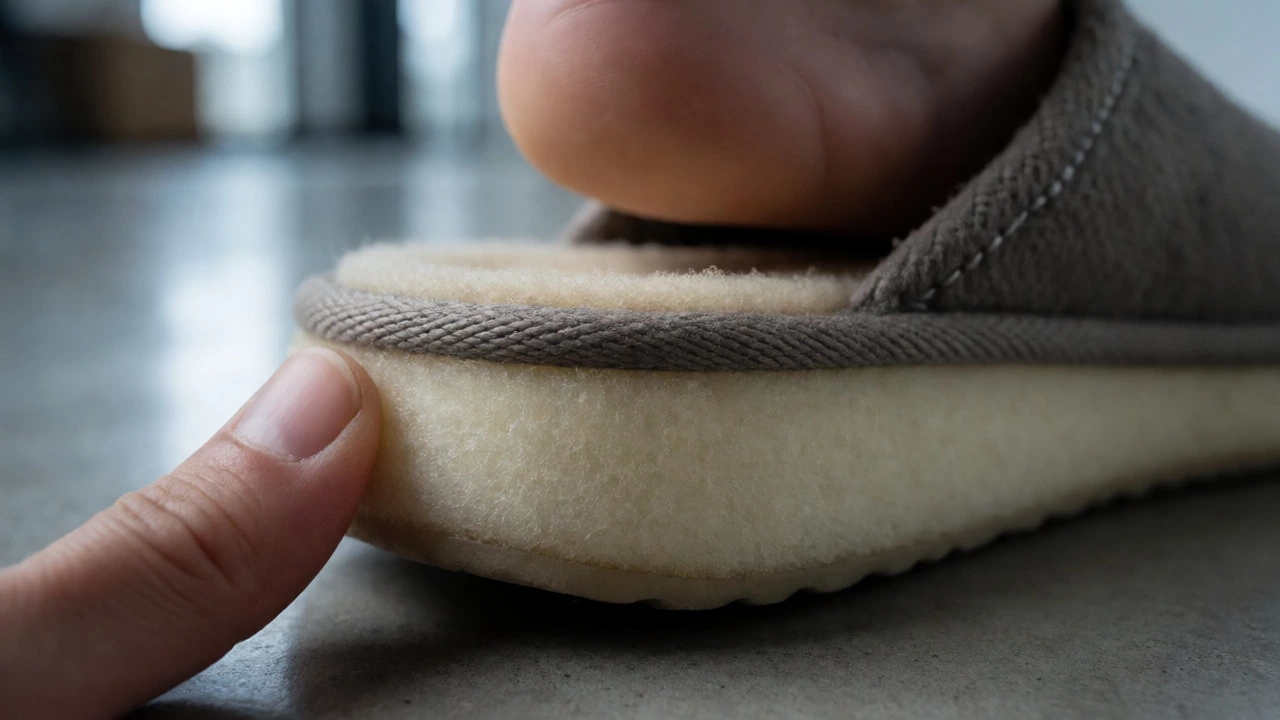
How do you check this? Take off your slippers and look at them from the back. Are they leaning inward or outward? That’s uneven wear. Now, press your thumb into the heel area. Does it spring back quickly, or does it stay dented? If it stays dented, the foam is dead. Walking on flat, compressed foam changes your gait. You might start rolling your ankles or putting extra strain on your knees and lower back without even realizing it. If you feel new pain in your joints after wearing them for a few hours, the structural integrity is gone.
| Symptom | Cause | Action |
|---|---|---|
| Persistent Odor | Bacterial buildup in degraded fibers | Replace immediately |
| Visible Holes/Tears | Material fatigue | Replace (risk of injury) |
| Flattened Heel | Midsole compression | Replace (posture risk) |
| Loose Stitching | Seam failure | Repair or replace |
| Smooth Sole | Tread wear | Replace (slip hazard) |
The Slip Hazard: Safety First
Living in Melbourne means dealing with everything from polished concrete floors to wet bathroom tiles. The tread on your slippers is your primary defense against slipping. Look at the bottom of your favorite pair. Is the rubber smooth? Are the grooves filled with dirt that won’t come out? Smooth soles are dangerous, especially if you have young kids or elderly relatives in the house.
A general rule of thumb: if the tread pattern is barely visible, the grip is compromised. You don’t need to wait for a fall to realize this. Check the soles every few months. If they look shiny and bald, toss them. It’s better to buy a new pair than to deal with a broken hip or a bruised tailbone.
Material Lifespan: How Long Do They Last?
Not all slippers are created equal. The material dictates how long they last. Here’s a quick breakdown based on common types:
- Fleece and Faux Fur: These are great for warmth but trap heat and moisture aggressively. Expect 6-12 months of daily use before hygiene issues peak. They pill easily and lose fluffiness.
- EVA Foam (Rubber-like): Common in cheap drugstore slippers. They are durable and easy to clean but offer poor breathability. They might last 1-2 years, but watch for cracking in the sole.
- Leather and Suede: These age gracefully if cared for. With proper conditioning, they can last 3+ years. However, once the leather cracks or the suede becomes matted beyond repair, they’re done.
- Cotton and Canvas: Breathable but fragile. They wear out faster due to friction. Expect 6-9 months of heavy use. They often develop holes at the toe box first.
If you rotate two pairs, you double the lifespan of each by letting them dry out completely between wears. This is a simple hack that saves money and keeps feet healthier.
Health Red Flags: Listen to Your Body
Your body tells you when your footwear fails. Pay attention to these signals:
- Plantar Fasciitis Pain: Sharp pain in the heel when you first stand up in the morning. Old slippers lack the arch support needed to stretch the fascia.
- Blisters or Hot Spots: If the interior lining has worn thin or seams have shifted, friction increases. Blisters mean the fit has changed.
- Ingrown Toenails: As slippers stretch and deform, they may squeeze toes incorrectly. If your big toe hurts, check the toe box width.
Don’t ignore minor discomfort. It escalates. If you find yourself avoiding wearing them because they hurt, or if you switch to barefoot despite cold floors, your slippers are failing you.
Environmental Considerations: Don’t Just Bin Them
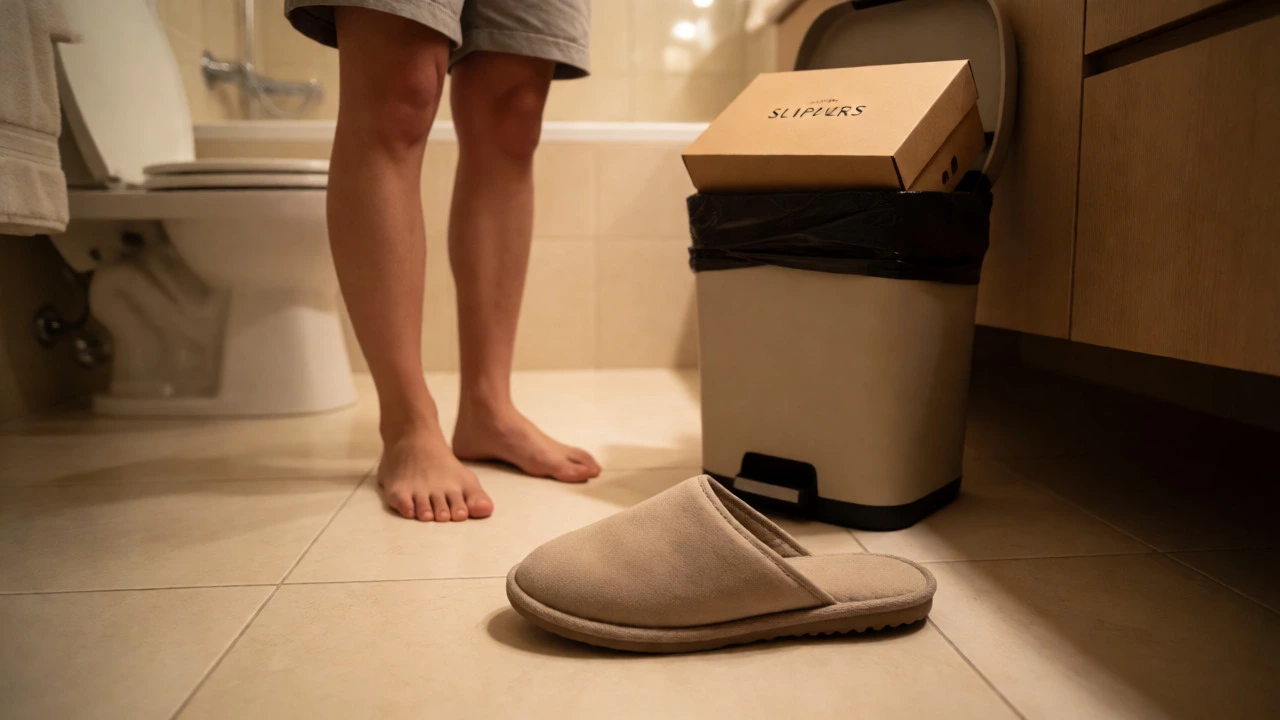
We live in an era where waste matters. Throwing away slippers doesn’t mean tossing them in the landfill immediately. Many modern slippers are made of mixed materials (rubber, foam, polyester) which makes recycling tricky. However, some brands offer take-back programs. UGG, for example, has recycling initiatives for old footwear. Check the label or the manufacturer’s website.
If recycling isn’t an option, consider repurposing. Old fleece slippers make excellent draft stoppers for doors. Rubber-soled slippers can be used as gardening kneepads or protective covers for delicate items during moving. Only send them to the bin if they are truly decomposed and unusable.
Buying New: What to Look For
When you’re ready to replace them, don’t just grab the cheapest pair. Invest in quality to extend the next cycle. Look for:
- Removable Insoles: Allows you to wash the liner separately or add custom orthotics.
- Natural Fibers: Wool, cotton, or bamboo blends breathe better than pure synthetics, reducing odor.
- Arch Support: Even indoor shoes need support. Look for a contoured footbed, not just flat foam.
- Grippy Outsoles: Essential for hard floors. Test them in the store by twisting the shoe; it shouldn’t fold too easily.
Remember, slippers are part of your daily routine. Spending $50 on a pair that lasts two years is cheaper-and healthier-than buying $15 pairs every three months.
Frequently Asked Questions
Can I wash my slippers to make them last longer?
Yes, but only if the material allows it. Always check the care label. Washing removes surface bacteria and odors, extending hygiene life. However, washing cannot restore compressed foam or repair torn structures. If the shape is gone, washing won't help.
How many pairs of slippers should I own?
Ideally, two. Rotating between two pairs allows each pair to dry out completely for 24-48 hours between wears. This significantly reduces bacterial growth and extends the lifespan of the materials.
Are expensive slippers worth it?
Generally, yes. Higher-priced slippers often use higher-density foams and natural fibers that resist compression and odor better. While the upfront cost is higher, the cost-per-wear is often lower because they last significantly longer than cheap alternatives.
What if my slippers are dirty but still comfortable?
Comfort is subjective, but hygiene is objective. If they are visibly stained or smell bad, they harbor microbes. Try deep cleaning them. If stains remain after washing, it indicates deep-set grime or mold. At that point, comfort is masking potential health risks.
Can I recycle old slippers?
It depends on the brand and local facilities. Most municipal recycling bins do not accept mixed-material footwear. Check if the manufacturer has a take-back program (like Nike Grind or specific eco-brands). Otherwise, donate if usable, or repurpose locally.