Toddler Blanket Safety Checker
Enter your child's details below to get personalized recommendations regarding blanket use, risk factors, and material suggestions.
Fill out the form and click "Check Readiness" to see results.
You’ve probably stared at your sleeping toddler, wondering if that small fleece square is making them cozy or putting them at risk. It’s a common worry for parents transitioning from the strict rules of infancy to the looser boundaries of toddlerhood. The short answer? Most experts agree you can introduce a blanket to a toddler's bed once they reach 12 months of age, provided they have moved out of a crib with high sides and into a safer sleeping environment. But "can" doesn't always mean "should." Timing depends on their motor skills, room temperature, and whether they are still sleeping in a confined space where suffocation risks linger.
| Age Range | Sleep Environment | Blanket Recommendation | Primary Risk Factor |
|---|---|---|---|
| 0-6 Months | Crib (High Sides) | No loose blankets | SIDS/Suffocation |
| 6-12 Months | Crib (High Sides) | Wearable blankets only | Entrapment/Overheating |
| 12-18 Months | Crib or Floor Bed | Light, breathable blanket OK | Choking hazards (small parts) |
| 18+ Months | Toddler Bed / Big Kid Bed | Standard toddler blanket | Minimal (if breathable) |
The One-Year Milestone and Why It Matters
Why is one year the magic number? Before twelve months, babies lack the motor coordination to move away from an obstruction covering their face. If a heavy quilt slips over a six-month-old’s nose, they might not be able to kick it off or turn their head quickly enough. By the first birthday, most toddlers have developed the strength and reflexes to reposition themselves if they feel uncomfortable or restricted. This physical capability drastically reduces the risk of accidental suffocation, which is why organizations like the American Academy of Pediatrics (AAP) shift their stance after this milestone.
However, age alone isn’t the only factor. You also need to consider the type of bed. A traditional crib has slats that can trap limbs or fabric. If you keep your toddler in a crib past twelve months, ensure the blanket is tucked tightly around the mattress corners or, better yet, stick to wearable options until they transition to a toddler bed. Once they are in a lower-profile bed without vertical slats near their face, a loose blanket becomes much less dangerous.
Choosing the Right Material for Little Lungs
Not all blankets are created equal. A thick wool duvet might keep an adult warm but could cause overheating in a child who cannot regulate body temperature as efficiently. Look for fabrics that breathe. Cotton, muslin, and bamboo fibers are excellent choices because they allow air circulation while providing warmth. Avoid synthetic materials that trap heat against the skin unless you live in a very cold climate and monitor the room temperature closely.
Fleece is popular for its softness, but check the weight. Lightweight fleece is generally safe for toddlers over twelve months, whereas heavy sherpa-lined blankets might be too bulky. Also, inspect the construction. Are there buttons, sequins, or loose threads? Toddlers explore the world with their mouths. A decorative button that comes loose on a blanket is a potential choking hazard, regardless of how old the child is. Stick to simple, well-stitched edges.
Transitioning from Sleep Sacks to Loose Bedding
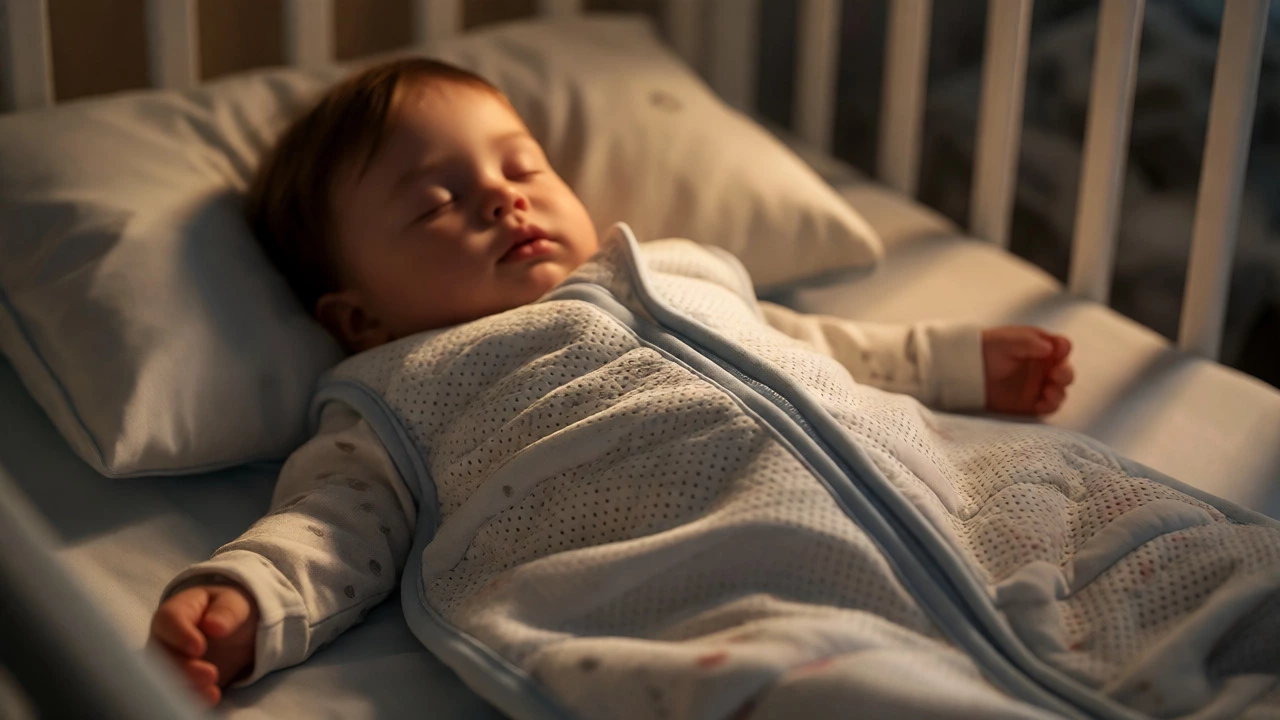
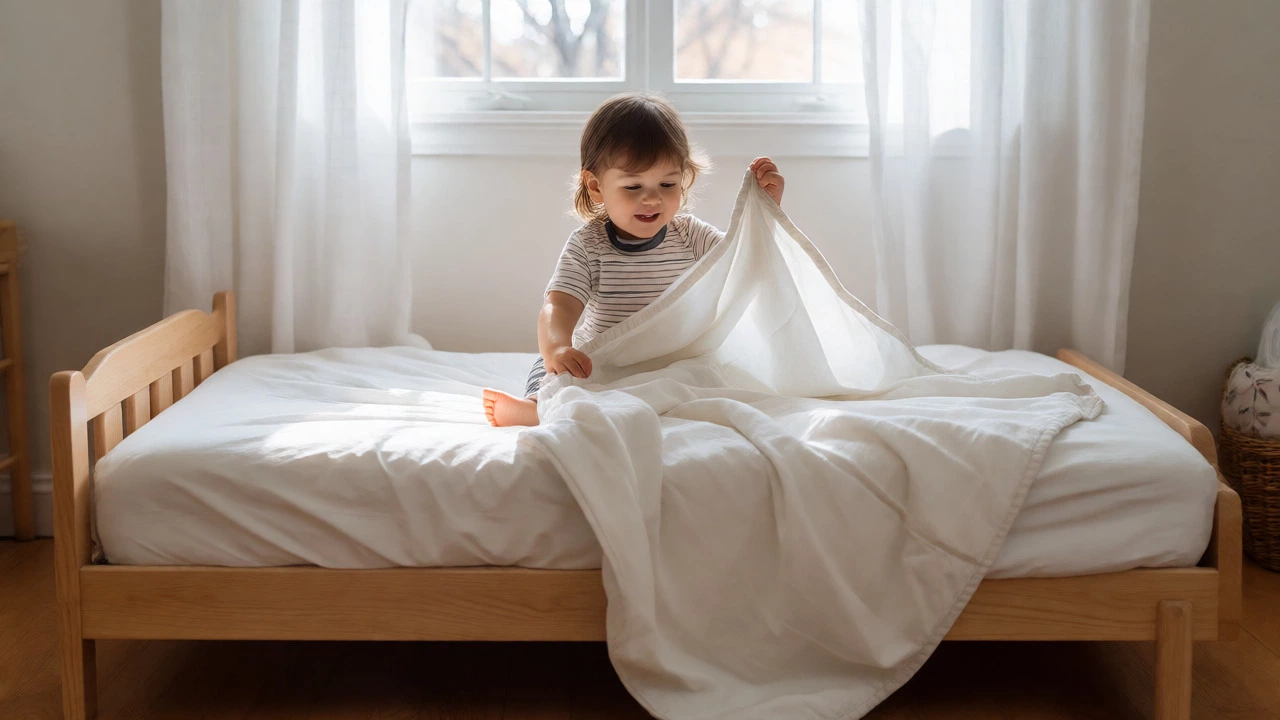
If your child has slept in a sleep sack since birth, switching to a regular blanket can be a jarring change for both of you. Some toddlers wake up frequently because they miss the snug security of being swaddled or contained. To ease this transition, try introducing the new blanket during nap times first. Let them get used to the texture and freedom of movement while they are more alert.
Another strategy is layering. Start with a thin cotton sheet and add a light blanket on top. If they kick it off, they aren’t cold. If they pull it up, they might need a slightly warmer option next time. This trial-and-error approach helps you gauge their specific thermal comfort zone. Remember, children often run hotter than adults. A good rule of thumb is to dress them in one more layer than you would wear yourself in the same room.
Signs Your Toddler Is Ready for Their Own Blanket
Beyond the calendar age, watch for behavioral cues. Does your toddler grab onto stuffed animals or clothing items while sleeping? This indicates a desire for tactile comfort objects, which paves the way for accepting a blanket. If they push away covers or seem restless under fabric, they might prefer open-air sleeping or lighter layers.
- Motor Skills: Can they roll over freely and adjust their position if something feels wrong?
- Communication: Do they point to things or vocalize discomfort? Older toddlers can tell you if they are hot or cold.
- Sleep Environment: Have they moved to a bed with fewer entrapment points than a standard crib?
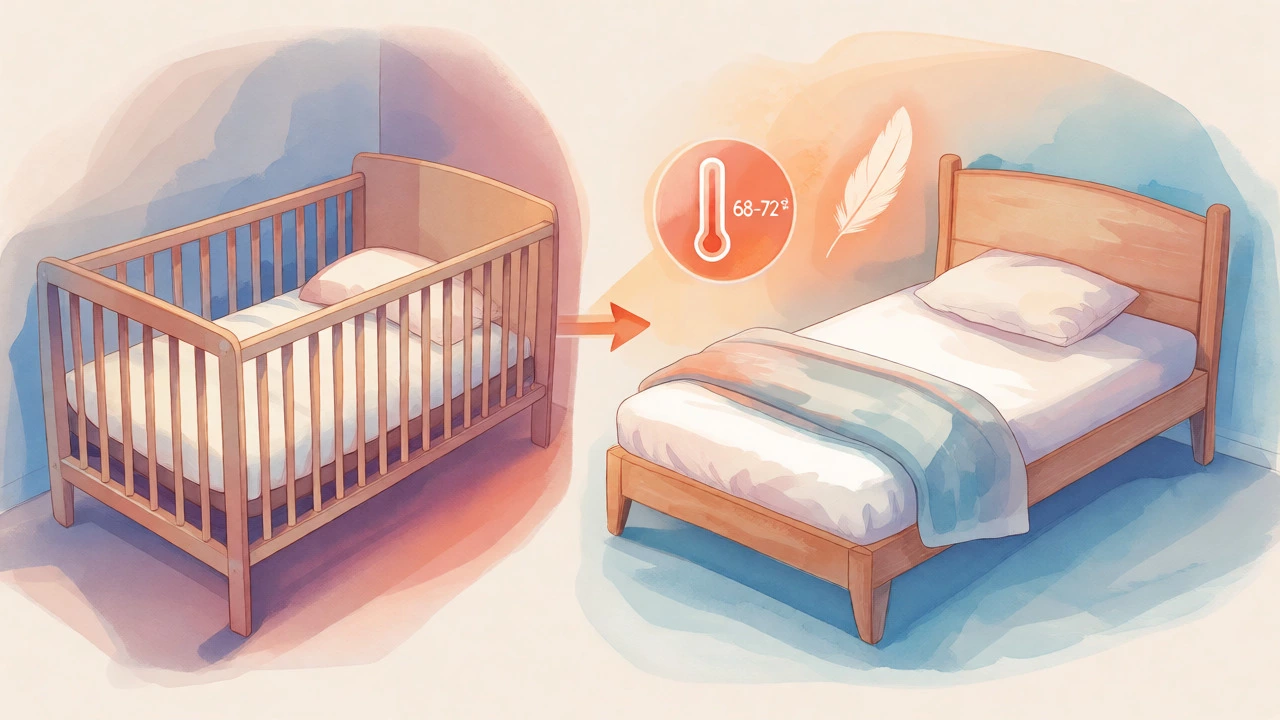
- Temperature Control: Does the nursery stay between 68°F and 72°F (20°C-22°C)? Extreme temperatures require careful bedding adjustments.
Safety Checks Before Tucking Them In
Even with a toddler-approved blanket, safety protocols remain crucial. Ensure the blanket fits properly. A blanket that is too large can wrap around the neck or cover the face completely. Aim for a size that reaches just above the shoulders when laid flat, so it stays on the body rather than sliding down to the feet or up to the chin uncontrollably.
Keep the sleep area clear of other hazards. Pillows, stuffed animals, and bumper pads should be minimized or removed entirely until the child is older. While a single small lovey might be okay for a two-year-old, a pile of plush toys creates a forest of potential breathing obstacles. Keep the focus on the blanket itself. Check it regularly for wear and tear. Wash it according to the manufacturer’s instructions to prevent detergent buildup, which can irritate sensitive skin and disrupt sleep.
What If They Still Won’t Stay Covered?
It’s frustrating when you tuck your child in, walk away, and find them naked and shivering twenty minutes later. Don’t force it. Some toddlers simply do not tolerate loose bedding. For these kids, a wearable blanket (often called a sleep sack) remains the best option well into the toddler years. These garments provide warmth without the risk of covering the face, allowing you to maintain a safe sleep environment even if your child hasn’t accepted traditional sheets and quilts.
If you want to encourage blanket use, try letting them choose it. Take them shopping and let them pick a character or color they love. Ownership increases acceptance. Place the blanket on their bed during quiet time so they associate it with relaxation rather than forced bedtime. Over time, many children naturally gravitate toward pulling the covers up when they feel chilly, turning a chore into a self-regulated habit.
Is it safe to put a blanket in a crib for a 12-month-old?
Generally, yes, if the baby is healthy and meets developmental milestones. However, many pediatricians recommend waiting until the child transitions to a toddler bed to eliminate crib slat entrapment risks. Always use a lightweight, breathable blanket and avoid heavy quilts.
How big should a toddler blanket be?
A standard toddler blanket measures approximately 40x60 inches. This size is large enough to cover the child but small enough to minimize the risk of wrapping around the neck compared to full-size adult quilts.
Can my toddler sleep with a weighted blanket?
Most experts advise against weighted blankets for children under two years old due to mobility restrictions. After age two, consult your pediatrician before using one, ensuring it weighs no more than 10% of the child's body weight.
What material is safest for toddler blankets?
Breathable natural fibers like cotton, muslin, and bamboo are safest. They reduce overheating risks and are hypoallergenic. Avoid materials with loose beads, buttons, or long fringes that pose choking hazards.
My toddler kicks off the blanket every night. Should I worry?
No, this is normal behavior. Many toddlers run hot. If the room is kept at a comfortable temperature (68-72°F), they likely don't need the extra layer. Consider using a pajama set appropriate for the room temp instead of forcing a blanket.