Sleep Sack Transition Readiness Checker
Select all the signs that apply to your child right now.
Recommended Next Steps:
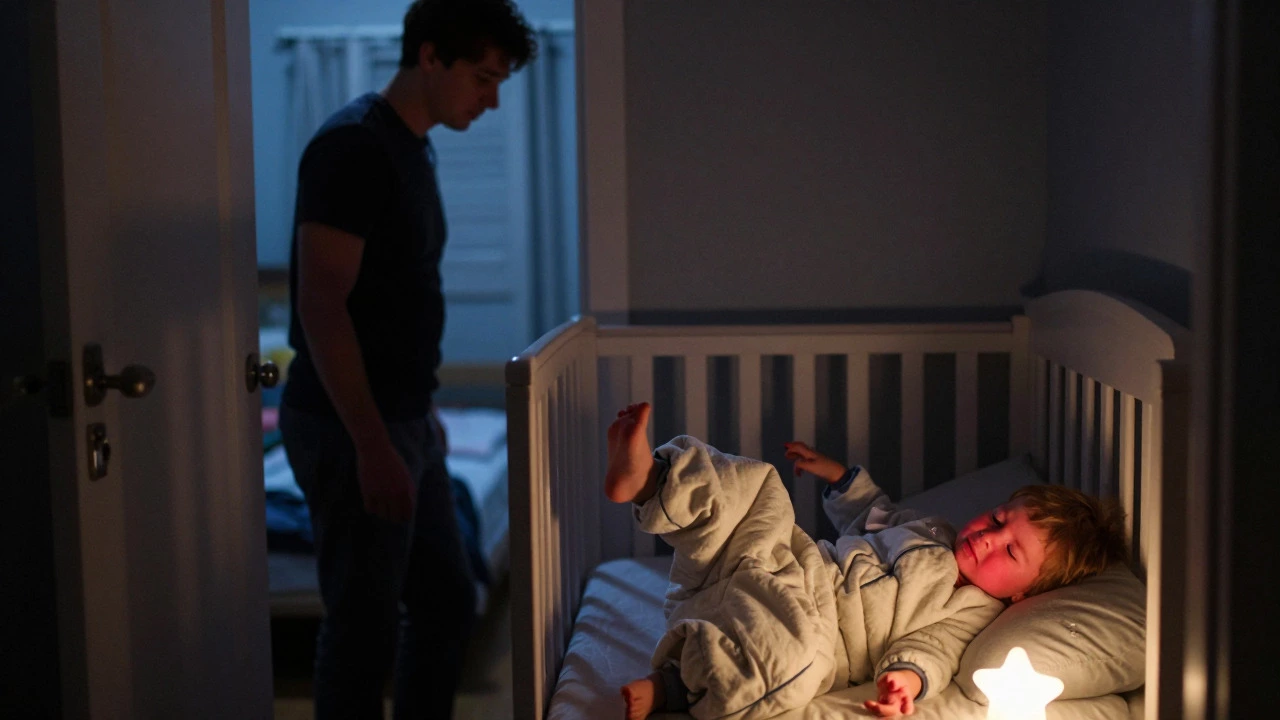
It’s 2 AM. You creep into your child’s room, expecting a peaceful sleeper, only to find them tangled in their sleep sack like a confused burrito, legs kicking, face flushed with heat.
If this sounds familiar, you aren’t alone. The question of when to stop using sleep sacks is one of the most debated topics in modern parenting. There is no universal expiration date printed on the tag. Instead, the decision depends on your child’s physical development, their sleep behavior, and how they interact with their environment.
Transitioning away from these wearable blankets is often tied to moving from a crib to a toddler bed. It’s a major milestone that signals growing independence but also introduces new safety considerations. Let’s break down exactly when it’s time to let go, what signs to look for, and how to make the switch without losing your sanity or your child’s sleep schedule.
The Physical Signs: When the Sack Becomes a Constraint
The most obvious indicator that a sleep sack has outlived its usefulness is physical restriction. These garments are designed to keep infants warm while allowing enough movement for safe positioning. However, as children grow into toddlers, their mobility increases dramatically.
Sleep sacks, also known as wearable blankets or sleeping bags for babies, typically have a weight limit. Most brands recommend discontinuing use once a child exceeds 15 to 20 kilograms (33-44 lbs). Beyond this point, the fabric may not fit properly, leading to overheating or restricted hip movement.
- Climbing skills: If your child can climb out of their crib, a sleep sack might actually help them gain leverage by providing something to grip. In this scenario, removing the sack reduces the risk of falls.
- Hip dysplasia concerns: While rare, improper fitting sacks can affect hip alignment. If you notice your child struggling to spread their legs naturally or if the zipper feels tight across the thighs, it’s time to reassess.
- Overheating: Toddlers generate more body heat than infants. If your child wakes up sweating or complains about being hot, the thermal rating (TOG) of the sack might be too high for their current metabolic rate.
Behavioral Cues: Does Your Child Actually Want Out?
Sometimes, the issue isn’t physical fit but behavioral preference. Children are surprisingly vocal about what feels comfortable to them. Pay attention to how your child interacts with the sleep sack during bedtime routines.
| Behavior | What It Means | Action Required |
|---|---|---|
| Constantly trying to unzip or pull off the sack | They feel restricted or uncomfortable | Try a lighter TOG or transition to pajamas + blanket |
| Kicking feet vigorously throughout the night | They need leg freedom for comfort | Consider footed pajamas instead |
| Waking up because the sack is twisted | Mobility exceeds design limits | Switch to loose-fitting cotton pajamas |
| Refusing to wear it despite gentle encouragement | Psychological resistance to restriction | Offer choices between different pajama styles |
For some kids, the sensation of being enclosed feels cozy. For others, it feels like a prison sentence. If your child spends more than five minutes fighting the zipper at bedtime, they’re likely signaling that they’re ready for a change.
Safety Considerations: Cribs vs. Toddler Beds
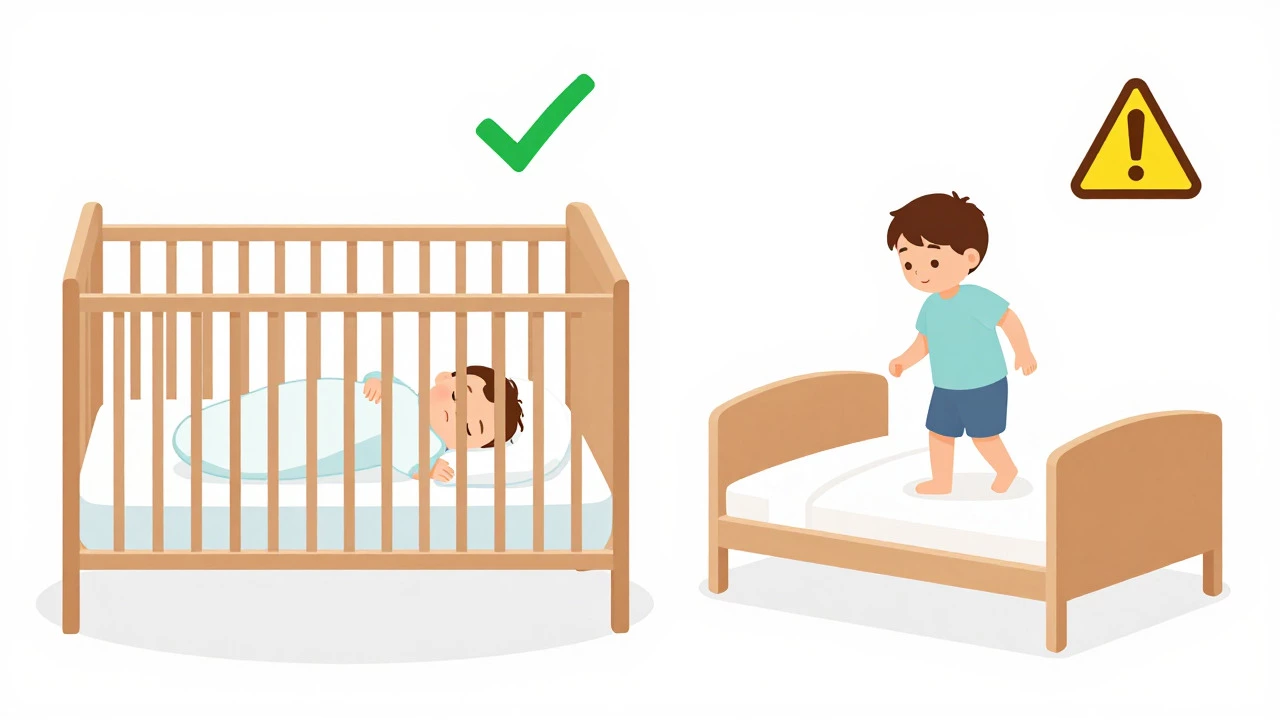
The type of bed your child sleeps in plays a huge role in whether a sleep sack is still appropriate. This is where many parents get confused because safety guidelines differ significantly between cribs and open beds.
In a crib, which is an enclosed sleeping space with high sides, sleep sacks are generally recommended until age two or three. They prevent loose bedding from covering the face, reducing the risk of suffocation. However, once you move to a toddler bed, which is essentially a low-profile bed with rails or no rails, the rules change.
- Fall Risk: If your child climbs out of the crib, the AAP (American Academy of Pediatrics) suggests transitioning to a toddler bed. In an open bed, heavy sleep sacks can become tripping hazards if your child wanders around the room.
- Blanket Introduction: Once in a toddler bed, you can introduce lightweight blankets. Many experts suggest starting with a small, thin blanket that your child can manage themselves. This teaches them how to cover up without the risk of entanglement.
- Temperature Regulation: Older toddlers are better at regulating their own temperature. They can kick off a blanket if they’re too hot, whereas a sleep sack traps heat regardless of their needs.
Remember, the goal is safe sleep, not just convenient sleep. A sleep sack that causes anxiety or physical discomfort defeats its purpose.
Alternative Options: What Comes Next?
Just because you’re stopping sleep sacks doesn’t mean you’re throwing caution to the wind. There are several transitional options that offer warmth and security without the restrictions.
Footed Pajamas: These provide full-body coverage without bulk. Look for breathable cotton blends that allow airflow. Brands like Carter’s and Gerber offer durable options that withstand frequent washing.
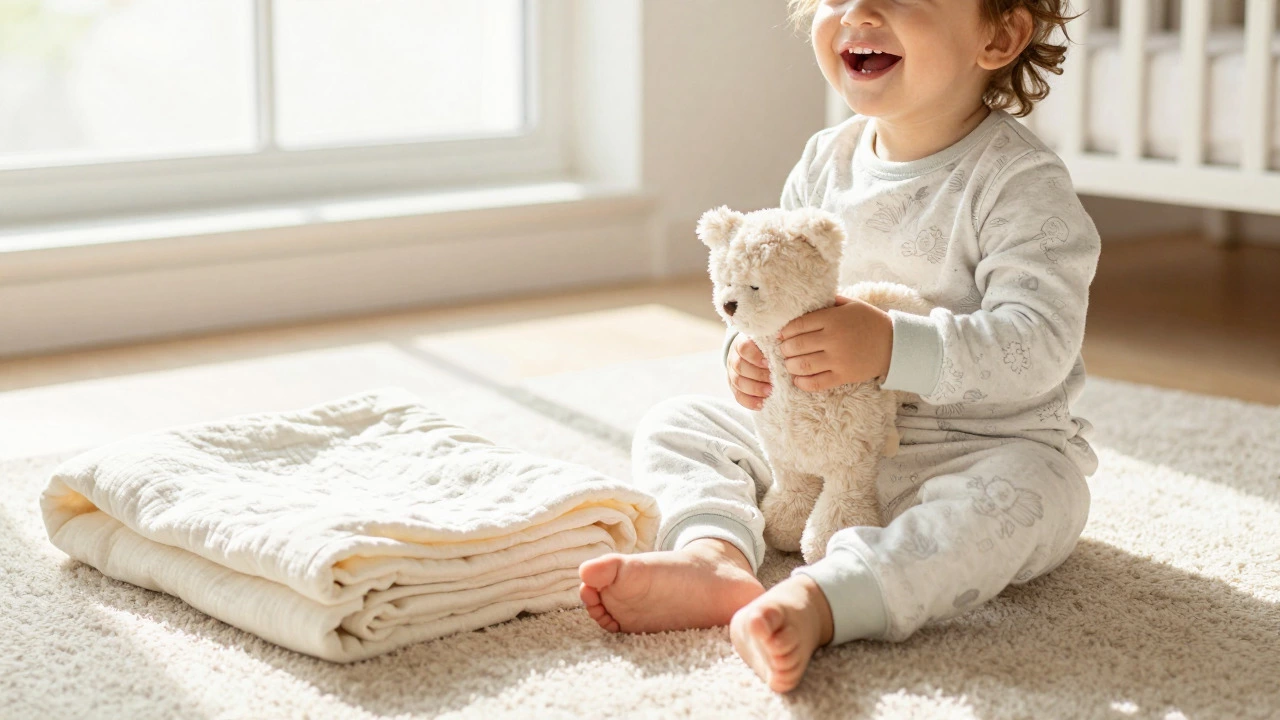
Lightweight Blankets: Start with a muslin or flannel blanket sized for toddlers (approximately 100cm x 130cm). Teach your child how to pull it up to their chin during the day so it becomes a familiar routine at night.
Weighted Blankets: For older toddlers (age 4+), weighted blankets can provide sensory input that promotes calmness. Ensure the weight is approximately 10% of the child’s body weight plus one pound, and always supervise initial use.
How to Make the Transition Smooth
Changing sleep habits is never easy. Here’s a step-by-step approach to minimize disruption:
- Prepare Ahead: Buy new pajamas and blankets before you decide to stop. Involve your child in choosing them to build excitement.
- Gradual Reduction: If your child uses a heavy TOG sack, switch to a lighter version first. Then try leaving the zipper partially undone for a few nights.
- Consistent Routine: Keep everything else the same-same bedtime, same story, same lullaby. Consistency helps anchor the change.
- Praise Effort: Celebrate small wins. “Look how well you stayed warm in your cozy pajamas!” reinforces positive associations.
- Be Patient: Expect some regression. Nights might be rougher for the first week or two. Stick with it.
Some parents report success by letting their child “retire” the sleep sack ceremoniously. Wrap it up nicely and explain it’s going to a younger baby who needs it more. This gives closure to the phase.
Common Mistakes to Avoid
I’ve seen plenty of well-meaning parents make errors during this transition. Don’t fall into these traps:
- Rushing the Process: Don’t force the change if your child clearly isn’t ready. Wait for clear signs of discomfort or readiness.
- Ignoring Temperature: Just because you remove the sack doesn’t mean you should crank up the heater. Maintain a room temperature between 18-20°C (65-68°F).
- Using Adult Blankets: Heavy duvets or thick wool blankets pose suffocation risks. Stick to toddler-sized, breathable materials.
- Inconsistent Rules: If one night allows climbing out and the next punishes it, confusion ensues. Set clear boundaries early.
Every child develops at their own pace. Some toddlers happily abandon sleep sacks at 18 months; others cling to them until age four. Neither is wrong. Trust your instincts and observe your child closely.
At what age should I stop using a sleep sack?
Most children stop using sleep sacks between ages 2 and 4. The exact timing depends on their weight, mobility, and comfort level. If your child weighs over 20kg or climbs out of their crib, it’s usually time to transition.
Is it safe to use a sleep sack in a toddler bed?
Yes, but with caution. In a toddler bed, ensure the sack fits loosely enough to prevent tripping if your child gets up. Also, monitor for overheating since toddlers generate more body heat than infants.
Can my child sleep without any blanket after stopping the sack?
If the room is warm enough (around 20°C), yes. Otherwise, introduce lightweight pajamas or a thin muslin blanket. Footed pajamas are a great middle ground for maintaining warmth without bulk.
What if my child refuses to give up the sleep sack?
Don’t force it. Continue using it as long as it provides comfort and safety. Gradually reduce reliance by unzipping partway or switching to lighter versions. Resistance often fades naturally with age.
Are there specific brands recommended for transitioning?
Brands like Halo, SwaddleMe, and ErgoPouch offer larger sizes suitable for toddlers. Look for products labeled "toddler size" or "up to 3 years." Always check current safety certifications before purchasing.