
Comfort Object Health Check
Based on the article "Why Do Adults Still Have Baby Blankets?", this tool helps you evaluate if your comfort object is serving as a helpful anchor or a source of stress.
Answer the questions to see your assessment.
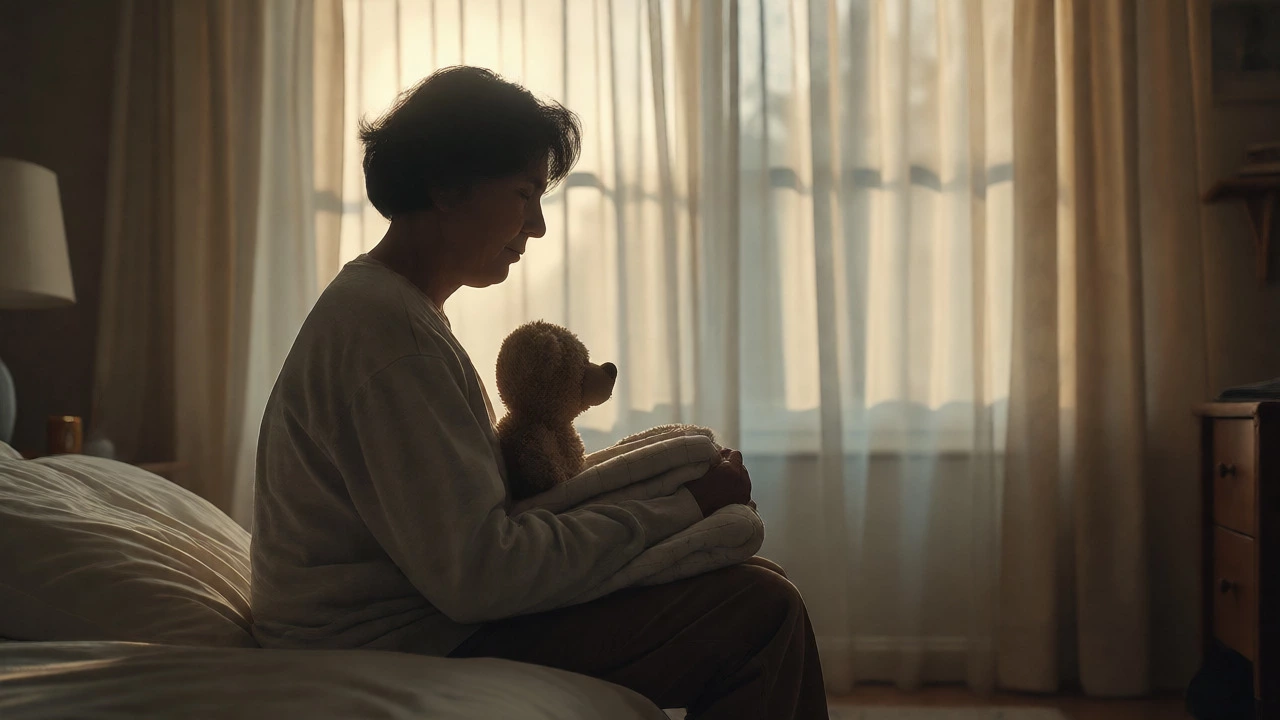
You’re thirty-four years old. You have a mortgage, a career, and maybe a partner who wonders why you still sleep with that fraying, slightly smelly piece of fleece from your toddler days. It’s not just a blanket; it’s an anchor. If you lose it before bedtime, the night feels wrong, unsafe, even anxious. This isn’t childishness. It’s deeply human.
Most people think transitional objects are reserved for kids under five. But research suggests up to 60% of adults retain some form of attachment to a specific soft item. Why? Because our brains don’t fully outgrow the need for tactile security. We just get better at hiding it.
| Life Stage | Primary Need | Object Role | Psychological Function |
|---|---|---|---|
| Infancy (0-2) | Survival & Warmth | Physical Regulation | Mimics maternal warmth and heartbeat |
| Early Childhood (3-5) | Separation Anxiety | Bridge to Independence | Provides safety when parents are absent |
| Adulthood (18+) | Stress Management | Emotional Anchor | Triggers parasympathetic nervous system response |
The Science Behind the Snuggle
It starts with attachment theory. Developed by British psychologist John Bowlby in the 1950s, this framework explains how early bonds with caregivers shape our emotional regulation for life. When a baby cries, they aren’t just hungry; they’re distressed by separation. A caregiver soothes them. Over time, the baby learns to self-soothe using an object that smells like home-usually mom or dad. That object becomes a proxy for safety.
In adults, this mechanism doesn’t vanish; it repurposes. Touching a familiar fabric releases oxytocin, the bonding hormone, and lowers cortisol, the stress hormone. Think about it: after a brutal workday, you don’t reach for a spreadsheet. You reach for something soft. Your brain is seeking a chemical reset. The blanket isn’t magic; it’s a conditioned stimulus. Years of pairing that specific texture with feelings of safety created a neural pathway that fires every time you touch it.
This is why washing the blanket can feel traumatic. You’re not just cleaning fabric; you’re erasing the scent markers that signal "safe" to your amygdala. The smell is part of the data set your brain uses to assess threat levels. Remove the smell, and the brain has to re-verify safety, causing mild anxiety until the scent returns or new associations form.
Sensory Processing and Self-Soothing
Not everyone processes sensory input the same way. For individuals with high sensory sensitivity, a rough sheet or a noisy environment can be physically painful. A weighted blanket, often seen as a trend in adult wellness markets, operates on the same principle but with more intensity. The deep pressure stimulation mimics a hug, calming the nervous system without requiring another person.
But standard baby blankets offer something different: predictability. In a chaotic world, knowing exactly how heavy, soft, and warm your cover will be provides cognitive ease. Decision fatigue is real. By morning, you’ve made hundreds of micro-decisions. At night, you want zero variables. A familiar blanket removes one variable. It’s a small act of control in a life full of uncontrollable factors.
Consider the texture. Many adult comfort objects feature minky dots, plush sherpa, or worn-in cotton. These textures stimulate mechanoreceptors in the skin, sending slow, rhythmic signals to the brain. This is similar to why petting a dog lowers blood pressure. The repetitive motion of adjusting the blanket, pulling it up, smoothing it down, acts as a fidget tool for the whole body.

Nostalgia as Emotional Armor
We live in an era of rapid change. Jobs disappear, relationships end, cities transform. Nostalgia isn’t just remembering the past; it’s using the past to stabilize the present. Psychologists call this "restorative nostalgia." When you hold a blanket from childhood, you’re accessing memories of unconditional care. You were protected. You were fed. You were loved without condition.
This emotional reservoir is potent. During times of grief, breakup, or job loss, adults often regress slightly. Not pathologically, but adaptively. Returning to simple comforts helps process complex emotions. It’s easier to cry into a familiar fleece than to articulate pain to a friend. The object holds space for you while you figure things out.
Moreover, these objects carry narrative weight. They witnessed your first sleepover, your fever dreams, your college dorm struggles. They are silent witnesses to your growth. Discarding them feels like discarding a part of your identity. Keeping them is a way of saying, "I am still the person who needed comfort, and that’s okay."
When Does It Become a Problem?
So, if it’s so normal, why do we judge ourselves? Society pushes a narrative of rugged independence. Men, in particular, face stigma around emotional vulnerability. Admitting you need a stuffed animal or a specific blanket to sleep can feel like admitting weakness. But context matters.
- Healthy Attachment: You use the blanket for comfort, but you function normally. You can sleep elsewhere if necessary. The object enhances your well-being.
- Maladaptive Dependence: You cannot leave the house without it. You panic if it’s lost. It interferes with relationships or daily tasks. This might indicate underlying anxiety disorders or OCD tendencies that require professional support.
For most adults, the line is clear. If your blanket helps you sleep better and cope with stress, it’s a tool, not a crutch. The problem arises only when the object controls you, rather than serving you.
Modern Alternatives and Trends
The market knows this. Walk into any Target or Kmart in Melbourne, and you’ll see aisles dedicated to "self-care" bedding. Weighted blankets, cooling bamboo sheets, and silk pillowcases are all attempts to recreate the primal comfort of a baby blanket using modern materials. Companies sell $100 weighted blankets promising better sleep, yet many adults stick to their $5 thrift-store finds because the emotional value outweighs the material specs.
Interestingly, Gen Z has openly embraced "childish" comforts. Plushies on beds are common among twenty-somethings. This destigmatization is healthy. It acknowledges that adults have needs too. We aren’t robots optimized for productivity. We are mammals who crave warmth and softness.
If you’re looking to optimize your sleep environment, consider keeping your original blanket but upgrading its hygiene. Wash it less frequently to preserve scent, or rotate two identical ones so one is always clean while the other retains the comforting aroma. Some people even freeze their blankets in summer for a cool, soothing touch that triggers immediate relaxation.
Practical Tips for Adult Comfort Object Owners
Here’s how to manage your attachment without letting it rule your life:
- Backup Strategy: Take a photo of your blanket’s tag or buy a similar replacement. Knowing you can replicate it reduces panic during travel.
- Scent Maintenance: Store it in a breathable bag, not plastic. Plastic traps moisture and causes mildew, which ruins the pleasant scent.
- Travel Prep: Keep it in your carry-on, never checked luggage. Losing a comfort object mid-flight can ruin a vacation.
- Partner Communication: Explain the psychological benefit. Frame it as a sleep aid, like a white noise machine. Most partners understand once they realize it improves your rest.
Your baby blanket isn’t a relic of immaturity. It’s a testament to your humanity. It proves that no matter how tall you grow or how much responsibility you shoulder, you still deserve comfort. So tonight, pull that worn-out fleece over your shoulders. Let it remind you that you’re safe. And sleep well.
Is it weird for a grown man to sleep with a baby blanket?
No, it is not weird. Studies show that men also experience high levels of attachment to comfort objects, though they may report it less due to social stigma. The physiological benefits of tactile comfort apply equally to all genders. If it helps you sleep and reduces stress, it is a healthy coping mechanism.
Can I replace my old baby blanket with a new one?
You can try, but it rarely works immediately. The emotional bond is tied to the specific wear pattern, smell, and history of the original item. A new blanket lacks the associative memory triggers. However, introducing a new comfort object gradually alongside the old one can help transition if the original is deteriorating beyond repair.
What does it mean if I lose my comfort object?
Losing a primary comfort object can trigger genuine grief or anxiety because it disrupts your self-soothing routine. You may experience insomnia or heightened irritability. This reaction is normal. Allow yourself a few nights to adjust, or actively seek out a substitute texture to fill the sensory gap while you recover emotionally.
Are weighted blankets better than regular baby blankets for adults?
Weighted blankets provide deep pressure therapy, which is effective for anxiety and ADHD. Regular baby blankets rely on familiarity and light touch. Neither is objectively "better." If you struggle with racing thoughts, a weighted blanket might help. If you seek emotional reassurance and nostalgia, a familiar baby blanket is likely more effective.
How do I wash a sentimental blanket without ruining it?
Use cold water and a gentle cycle. Avoid fabric softeners if possible, as they coat fibers and reduce breathability. Air dry instead of using a dryer to prevent shrinkage and maintain texture. To preserve the scent, you can place the blanket in a sealed bag with a drop of lavender oil or simply let it air out outside occasionally.