Nuna Stroller Cost & Value Calculator
Enter your details below to see if the premium price tag is justified for your specific lifestyle and usage patterns.
Cost Breakdown
Fill out the form to calculate the long-term value.
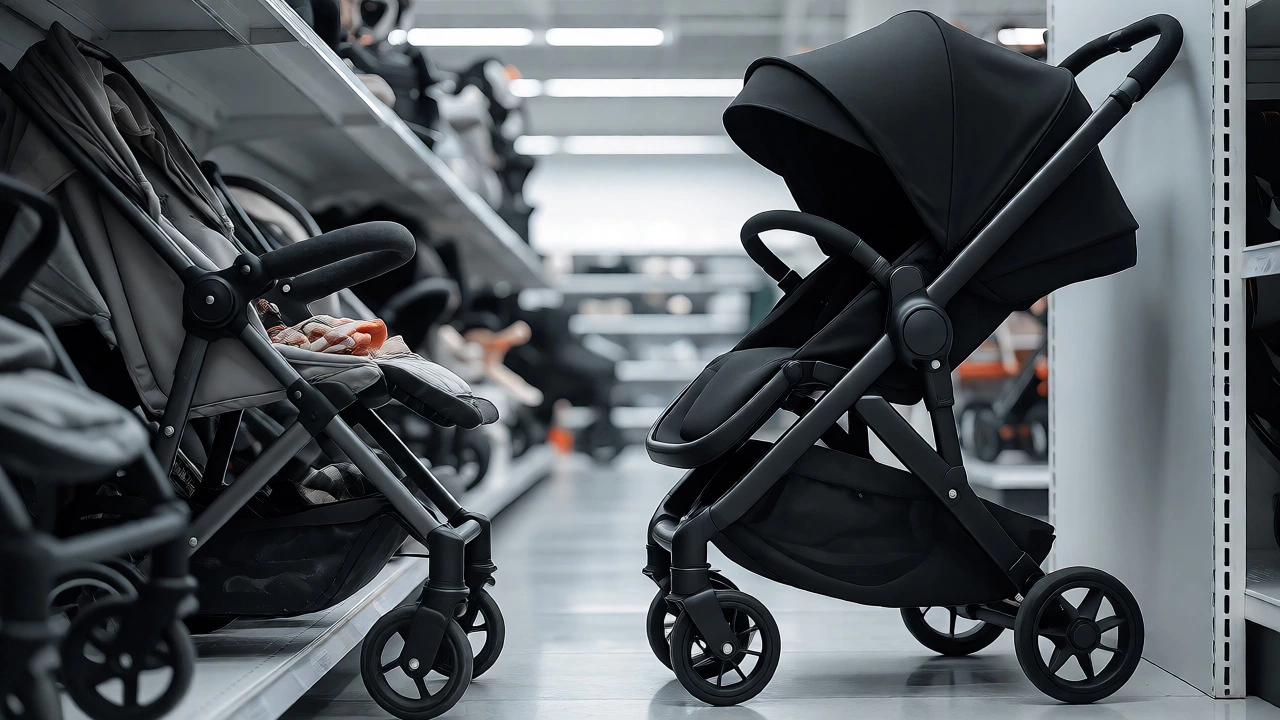
You’re standing in the aisle of a big-box store, staring at two strollers. One costs $200. The other, a sleek Nuna model, sits on the shelf with a price tag that makes you do a double-take-maybe $600, $800, or even more for the travel system. It looks similar, right? Four wheels, a seat, a handle. Why does one feel like a toy and the other like a piece of luxury furniture?
It’s not just marketing fluff. When you pay extra for Nuna, you aren’t just buying a brand name; you’re paying for specific engineering choices, material sourcing, and safety protocols that cheaper brands often skip to hit a lower price point. Let’s break down exactly where your money goes when you choose this Dutch-designed brand.
The Engineering Difference: Suspension and Maneuverability
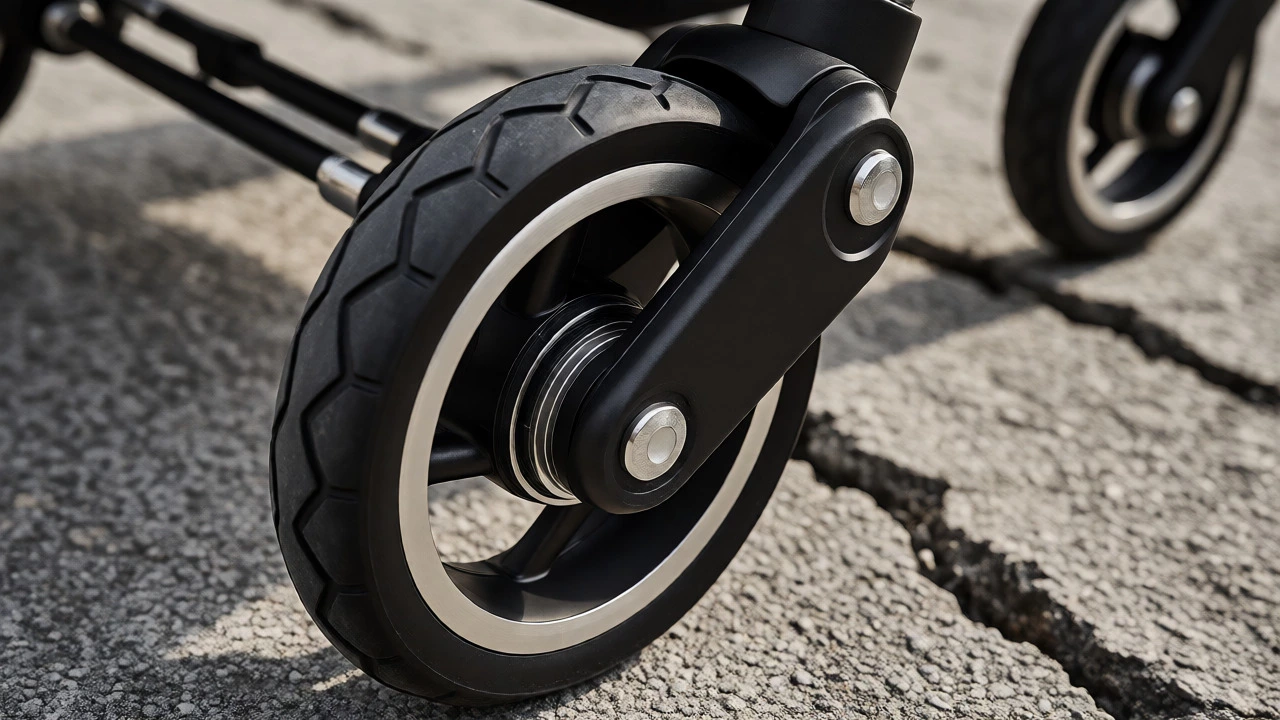
Ever tried pushing a cheap stroller over cracked pavement or a curb? You feel every bump in your wrists. That’s because budget strollers often use basic plastic bushings or simple spring mechanisms that wear out quickly. Nuna invests heavily in what they call "true suspension." This isn’t just a buzzword; it’s a multi-pivot point system that isolates the chassis from the terrain.
Take the Nuna MIXX series as an example. Unlike generic frames that wobble under load, the MIXX uses a rear-wheel suspension system that absorbs shock without transferring it to the handlebar. This matters if you live in a city with uneven sidewalks or plan to take your toddler off-road. The engineering here requires precision manufacturing tolerances that are harder and more expensive to achieve than snapping together injection-molded plastic parts.
- Wheel Composition: Cheaper strollers often use hard EVA foam tires that degrade and flatten. Nuna typically uses high-quality rubber or advanced polyurethane compounds that maintain grip and bounce-back longer.
- Bearing Quality: Look closely at the wheel hubs. Premium models use sealed bearings that prevent grit from jamming the axle. Budget options often leave these open, leading to squeaks and drag after six months of use.
- Folding Mechanism: A complex fold isn’t just about convenience; it’s about structural integrity. Nuna’s one-hand fold systems involve intricate latch assemblies that must pass thousands of cycle tests. Simple bungee-cord folds are cheap but unreliable.
Materials That Last (and Don’t Off-Gas)
Touch the fabric on a discount stroller. It might feel plasticky or smell sharply of chemicals. That smell is often volatile organic compounds (VOCs) off-gassing from dyes and flame retardants. Nuna leans into their "Clean Design" philosophy, which restricts harmful substances in materials. They aim for OEKO-TEX® certification, meaning the fabrics are tested for harmful substances and are human-ecological safe.
This isn’t just about eco-guilt; it’s about durability and health. High-performance merino wool blends or breathable mesh panels used in models like the Nuna TRVL are sourced differently than standard polyester. These materials resist pilling, retain color after washing, and regulate temperature better for your baby. Replacing a stroller because the fabric tore or faded in a year costs you time and money. Buying once, cry once, is the logic here.
| Feature | Premium (e.g., Nuna) | Budget Generic |
|---|---|---|
| Fabric Certification | OEKO-TEX®, GreenGuard Gold | Often uncertified |
| Frame Material | Aerospace-grade aluminum | Steel or heavy plastic |
| Hardware | Stainless steel screws/bolts | Zinc-plated fasteners |
| Cup Holder | Molded, integrated design | Clip-on plastic accessory |
Safety Standards Beyond the Minimum
All strollers sold in the US must meet ASTM F833 safety standards. But meeting the minimum is different from exceeding it. Nuna designs many of its products to comply with stricter European EN 1888 standards, which often require higher impact resistance and stability thresholds.
Consider the harness system. A five-point harness sounds standard, but the webbing quality and buckle release force vary wildly. Cheap buckles can be tricky for parents to operate with one hand while holding a coffee, or worse, too easy for a determined toddler to escape. Nuna buckles are engineered for a specific tension curve-secure enough to hold, intuitive enough to release quickly in an emergency. This R&D cost gets baked into the retail price.
Furthermore, crash testing isn’t just for cars. While strollers don’t undergo federal crash tests like car seats, reputable brands conduct internal rollover and tip-over tests. If a stroller has a low center of gravity and a wide wheelbase, it’s less likely to tip when you hang a heavy diaper bag on the handle. Achieving this balance requires precise weight distribution modeling, which adds to the design phase costs.
Design Aesthetics and User Experience
Let’s be honest: part of what you’re paying for is how it looks and feels. Nuna hires industrial designers who treat strollers like consumer electronics. The matte finishes, the magnetic buckles, the seamless integration of accessories-these details reduce friction in daily life.
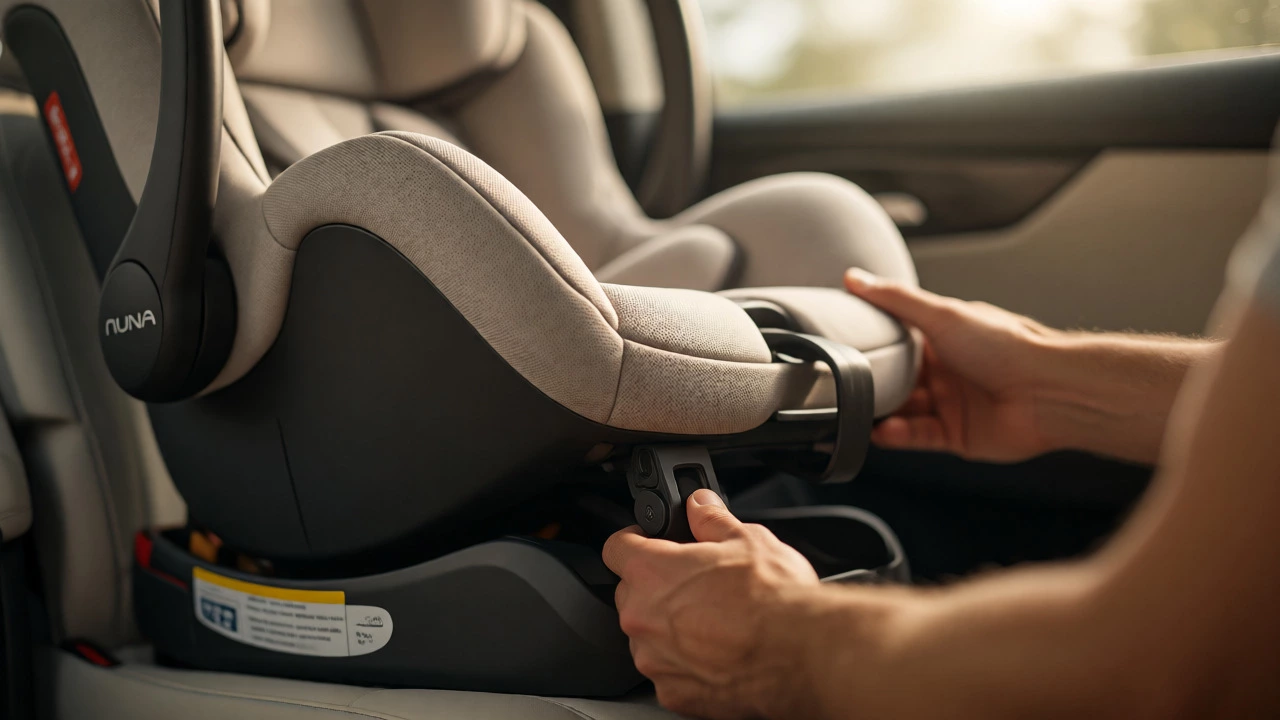
Think about the magnetic buckle on the Nuna PIPA infant seat base. No more fumbling with metal latches in the dark. This small feature saves seconds every day, which adds up to hours over three years. Is that worth $100? For many parents, yes. The user experience (UX) design involves prototyping, user testing groups, and iterative improvements that cheap knockoffs simply copy without understanding why certain angles work better for ergonomics.
Also, consider the resale value. Because Nuna holds its brand equity, a well-maintained stroller retains value better on platforms like Facebook Marketplace or local consignment shops. If you buy a $200 stroller, you’ll likely give it away or throw it out. If you buy a $700 Nuna, you might recoup $300-$400 later. When you factor in depreciation, the "cost" of ownership shrinks significantly.
Is the Premium Justified for Your Lifestyle?
Not everyone needs a Nuna. If you only walk your baby around a flat, paved park twice a week and never travel, a mid-range brand like Graco or Evenflo might serve you perfectly fine. The premium is most justified if:
- You navigate rough terrain, curbs, or public transit frequently.
- You prioritize non-toxic materials due to allergies or environmental concerns.
- You want a product that lasts through multiple children (the frame often survives long after the fabric shows wear).
- You value ease of use, such as one-hand folding and smooth steering.
However, if you’re on a tight budget, look for previous-year models. Nuna releases new colors and minor updates annually. The core engineering rarely changes drastically between generations. Buying a last-season Nuna DEMI Grow can save you 20-30% while offering nearly identical performance to the latest version.
Are Nuna strollers actually safer than cheaper ones?
All strollers sold legally in the US meet the same basic ASTM safety standards. However, Nuna often exceeds these by adhering to stricter European EN standards and conducting rigorous internal stress testing. Their frames tend to be more rigid and stable, reducing the risk of tipping compared to some lightweight budget models.
Do Nuna strollers have good resale value?
Yes, Nuna strollers generally hold their value better than mass-market brands. Due to high demand and perceived durability, a gently used Nuna MIXX or TRVL can often sell for 50-60% of the original retail price within the first two years, whereas budget strollers often lose 80% of their value immediately.
Why are Nuna car seats so expensive?
Nuna car seats, like the PIPA series, use energy-absorbing foam (EPP) instead of standard EPS, which offers superior side-impact protection. They also feature anti-rebound bases and chemical-free fabrics. The manufacturing process for EPP and the rigorous crash testing required for these features drive up the cost compared to standard infant seats.
Can I wash Nuna stroller fabrics?
Most Nuna stroller fabrics are machine washable in cold water on a gentle cycle, which is a significant convenience feature. However, always check the specific care label for your model. Some specialized merino wool blends may require hand washing or professional cleaning to maintain their thermal properties and softness.
Is there a cheaper alternative to Nuna?
Brands like Uppababy offer similar premium features but sometimes at a slightly lower entry price depending on the model. For a more budget-friendly option with decent build quality, look at mid-tier brands like Chicco or Baby Jogger. However, these may lack the specific non-toxic certifications and refined suspension systems found in Nuna products.